Hidden Culprit in the Gut: New Research Links Dietary Oxalate to Exacerbated IBD Inflammation

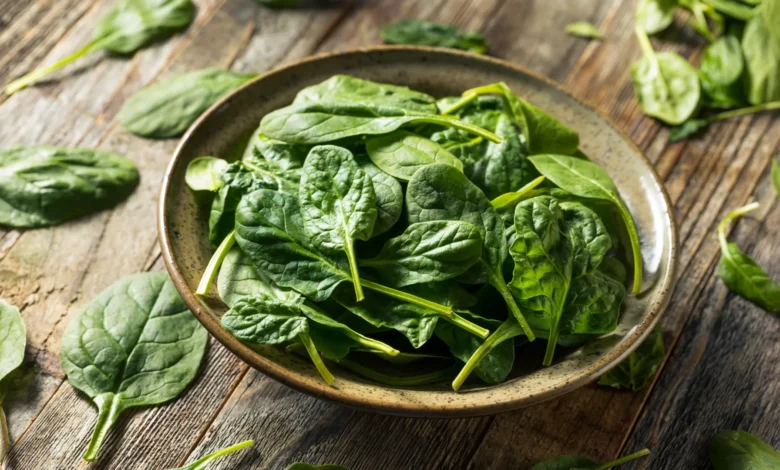
Spinach, almonds, and sweet potatoes are staples of a health-conscious diet, often celebrated for their high fiber, vitamin, and mineral content. However, for the millions of people living with inflammatory bowel disease (IBD), these nutritional powerhouses may harbor a silent antagonist. New research published on August 13, 2026, in the journal Cellular and Molecular Gastroenterology and Hepatology (CMGH) has identified a biological mechanism that suggests a naturally occurring compound, oxalate, may be an active driver of intestinal inflammation rather than a benign dietary component.
The study, spearheaded by postdoctoral scholar Anna Salvador, PhD, RD, LDN, and conducted within the laboratory of Dr. Shehzad Z. Sheikh at the UNC School of Medicine, challenges the long-held assumption that IBD symptoms are solely dictated by the types of food consumed. Instead, the research highlights a fundamental physiological failure in how the intestines of IBD patients process these compounds, turning common plant-based nutrients into irritants that fuel the disease’s progression.
Understanding the Physiological Mechanism
Oxalate is a dicarboxylic acid found in a wide variety of plant foods, including leafy greens, nuts, and certain tubers. In a healthy human digestive tract, the vast majority of dietary oxalate is either degraded by commensal bacteria or excreted safely through the stool. The absorption process is regulated by specific transport proteins located in the intestinal lining.
Dr. Salvador’s team focused their investigation on two specific transporter proteins: SLC26A2 and SLC26A3. By analyzing intestinal tissue samples from patients with ulcerative colitis and Crohn’s disease, researchers discovered a consistent, significant reduction in the expression of these proteins. This deficiency was present regardless of whether the tissue was in an active state of inflammation. Crucially, the data revealed a correlation: the more severely inflamed the intestinal tissue became, the lower the levels of these vital transporters, creating a vicious cycle where the gut’s ability to clear oxalate diminishes as the disease advances. When these systems are impaired, oxalate remains in the intestinal lumen, where it likely exacerbates existing inflammation, potentially worsening the clinical course for patients.
The Crohn’s Disconnect: A Study in Metabolism
One of the most compelling aspects of the study involved the comparison of patients with Crohn’s disease against healthy control groups. To ensure the accuracy of their findings, the research team utilized the Diet History Questionnaire III, a gold-standard tool for tracking nutritional intake. Simultaneously, they employed DNA metabarcoding—a sophisticated molecular technique used for the first time in an IBD population to identify plant species within stool samples.
The findings were stark: despite consuming statistically similar quantities of plant-based foods, patients with Crohn’s disease exhibited significantly higher concentrations of oxalate in their stool compared to their healthy counterparts. This discrepancy effectively debunked the theory that the issue is purely one of dietary volume. Instead, the study provides evidence that the pathology of IBD involves a fundamental shift in gut homeostasis. As Dr. Salvador noted, the biological processing of these molecules is intrinsically altered in IBD patients, suggesting that the disease modifies the gut environment in a way that prevents the safe passage of otherwise healthy compounds.
Experimental Validation in Animal Models
To bridge the gap between clinical observation and biological mechanism, the team conducted a series of controlled experiments in animal models. The results provided a grim look at how oxalate interacts with an already compromised gut.
In mice predisposed to colitis, the addition of dietary oxalate proved devastating. Those receiving an oxalate-supplemented diet exhibited a 60% reduction in survival rates compared to those on a standard diet. Furthermore, in models genetically prone to spontaneous colitis, the introduction of oxalate accelerated the onset of the disease and increased the severity of the inflammatory markers.
Significantly, the genetic precursors for the reduced transporter activity—the same proteins identified in human patients—were present in these mice before the introduction of dietary oxalate. This confirms that the susceptibility to oxalate-induced harm is an inherent feature of the underlying condition. Additional cell culture experiments revealed that oxalate acts as a potent stimulus for macrophages and dendritic cells, immune components that, when overstimulated, trigger the intense inflammatory responses characteristic of IBD flares.
Clinical Implications and the Prospect of Stratification
The research team’s exploratory analysis of a third transporter, SLC26A6, hinted at a potential breakthrough in prognostic medicine. Low expression of SLC26A6 was found to be strongly associated with stricturing Crohn’s disease—a severe, aggressive manifestation of the condition characterized by the formation of scar tissue and subsequent intestinal narrowing.
Nearly 75% of patients presenting with low SLC26A6 expression had already developed strictures. This suggests that in the future, doctors might be able to utilize oxalate transporter activity as a molecular marker to identify patients at higher risk for severe complications. While Dr. Sheikh and his team emphasize that these findings require validation in larger, multi-center cohorts, the potential for precision medicine—using genetic profiles to dictate diet and treatment—is significant.
Addressing the Microbiome and Future Therapeutics
The study also highlights the role of the gut microbiome, specifically the bacterium Oxalobacter formigenes, which is known for its ability to degrade oxalate. Given that populations of this beneficial bacteria are often depleted in IBD patients, the study points toward a new therapeutic horizon: microbiome-based interventions. By restoring the natural capacity of the gut to break down oxalate, physicians might one day offer patients relief without the need for restrictive diets that could otherwise compromise their nutritional status.
A Measured Approach to Dietary Guidance
Despite the clarity of the study’s findings, the researchers are careful to advise against immediate, sweeping changes to patient diets. The clinical landscape of IBD is highly individualized, and the premature removal of nutrient-dense plant foods could lead to deficiencies. The goal of this research is not to pathologize healthy foods, but to provide a molecular framework for understanding why some patients respond differently to the same dietary inputs.
Dr. Sheikh, reflecting on the study’s broader impact, noted that the work represents a pivot point in how medical professionals approach the "food-as-medicine" paradigm. For years, the link between diet and IBD has been anecdotal or poorly defined. By identifying the specific molecular drivers—the transporters and the immune cell interactions—the UNC team has provided a scientific basis for future clinical guidelines.
Chronology of the Research and Institutional Support
The study, which represents years of rigorous laboratory work and clinical data analysis, was supported by a robust consortium of funders, including the Helmsley Charitable Trust, the National Institute of Diabetes and Digestive and Kidney Diseases (NIDDK), the Chan Zuckerberg Initiative, Schmidt Sciences, and the Burroughs Wellcome Fund. The collaboration involved experts from UNC-Chapel Hill, Texas A&M University, and Duke University, reflecting the interdisciplinary nature of modern gastrointestinal research.
Looking ahead, the next phase of this research will involve longitudinal studies that track patients over extended periods. These studies will integrate stool oxalate levels, precise dietary documentation, and advanced microbiome sequencing to paint a complete picture of the disease’s evolution.
Implications for the Future of IBD Management
The medical community has long struggled with the "wait and see" approach to IBD management, which often relies on systemic immunosuppressants that carry their own risks. The discovery that dietary molecules like oxalate can act as active, rather than passive, agents of inflammation offers a "modifiable lever" that could change the standard of care.
For patients currently navigating the challenges of Crohn’s or ulcerative colitis, this research offers a sense of validation. It confirms that their symptoms are not simply a result of "eating the wrong thing" in a general sense, but a reflection of a deep-seated biological disruption. As the medical field continues to move toward precision nutrition, the insights provided by Dr. Salvador and Dr. Sheikh will likely become a cornerstone of personalized treatment plans. By mapping the interaction between the genome, the microbiome, and the dinner plate, researchers are moving closer to a future where diet is not just a secondary consideration, but a primary, evidence-based tool for maintaining intestinal health.
Related posts: