The transition from late-summer wardrobes to autumn tailoring has historically signaled a collective retreat into predictable neutral palettes. For decades, the arrival of September has ushered in an endless cycle of beige trench coats, camel cashmeres, and dependable black-and-white layering. However, contemporary street style, high-end runway presentations, and celebrity endorsements are systematically rewriting seasonal dressing codes. Chief among these shifting paradigms is the unexpected yet enduring popularity of the red-and-purple color combination—a pairing of neighboring chromatic hues that is rapidly displacing standard neutrals as the defining aesthetic of the current fashion cycle.
Far from being a fleeting novelty, the juxtaposition of rich cherry, crimson, and tomato reds alongside deep grape, violet, and eggplant shades has secured a dominant position within the contemporary style landscape. Far from confining this bold color blocking to warm-weather months, designers and trendsetters are proving that these high-contrast pigments possess the versatility required for cold-weather tailoring, evening wear, and everyday transitional dressing.
The Evolution of an Unconventional Color Harmony
In color theory, placing neighboring shades from the color wheel—such as red and purple—in close proximity creates a high-impact visual tension that commands attention. While traditional styling doctrines historically cautioned against pairing certain red undertones with cool violet hues, modern fashion has enthusiastically dismantled these arbitrary rules.
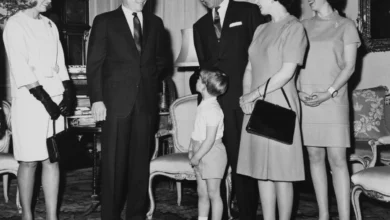
The roots of the current red-and-purple resurgence can be traced across a multi-decade timeline of iconic style moments. In the late 1980s and throughout the 1990s, royal wardrobes occasionally flirted with the combination, most notably when Princess Diana famously wore a vibrant crimson wrap coat over a rich purple dress during a public appearance in Birkenhead in 2019. This high-profile royal endorsement reintroduced the dynamic pairing to modern fashion consciousness.
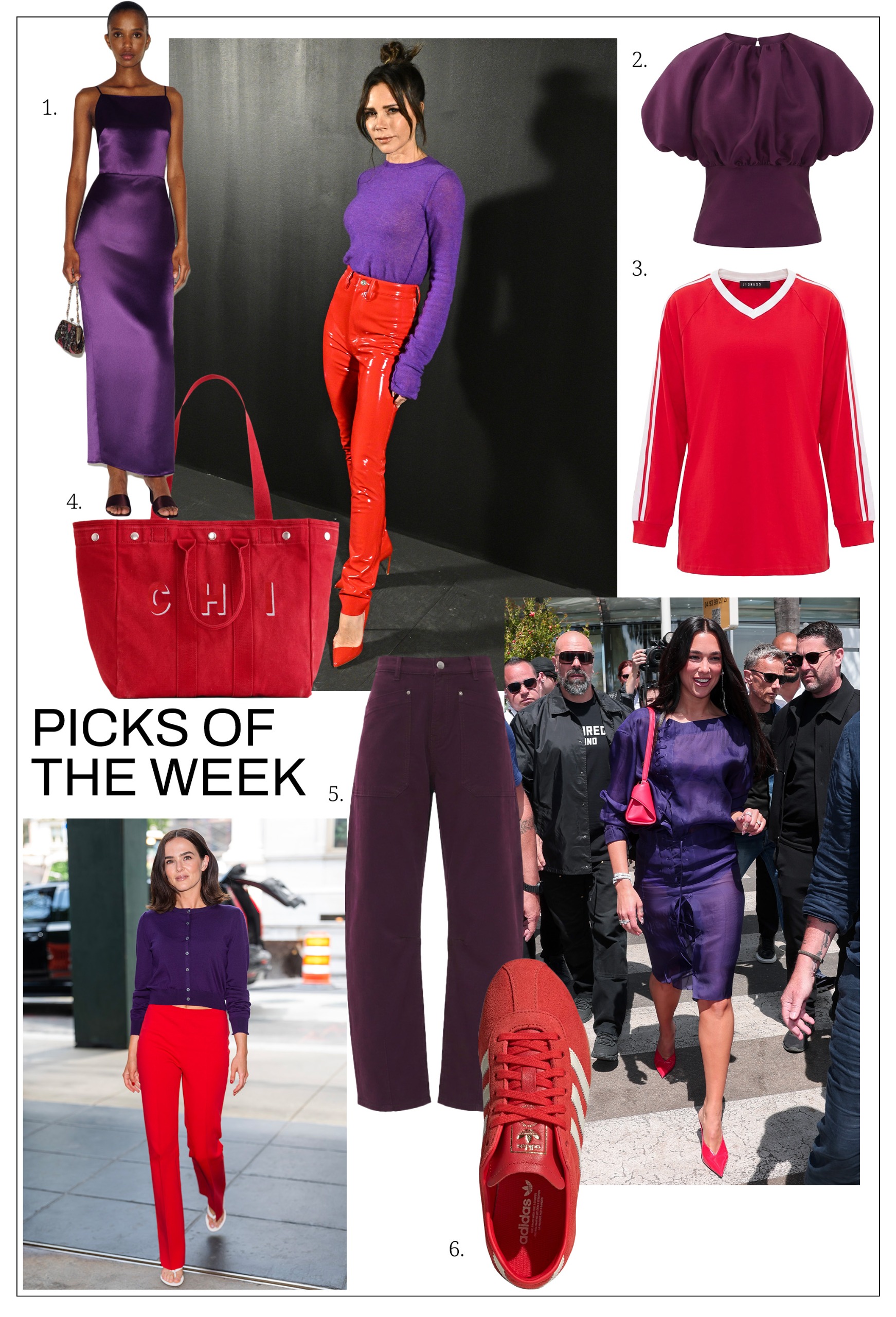
Shortly thereafter, the aesthetic gained commercial validation from luxury houses and independent designers alike. Victoria Beckham integrated the pairing into her eponymous label’s collections, memorably pairing a cashmere grape sweater with fire-engine red leather trousers at a Paris Fashion Week presentation. By the time the Spring and Summer 2026 international fashion circuits commenced, major design powerhouses—including Carolina Herrera, Stella McCartney, Prada, Valentino, Chanel, Lanvin, Mugler, and CFCL—cemented the colorway as a pillar of modern luxury design.
Runway Influence and Celebrity Endorsement
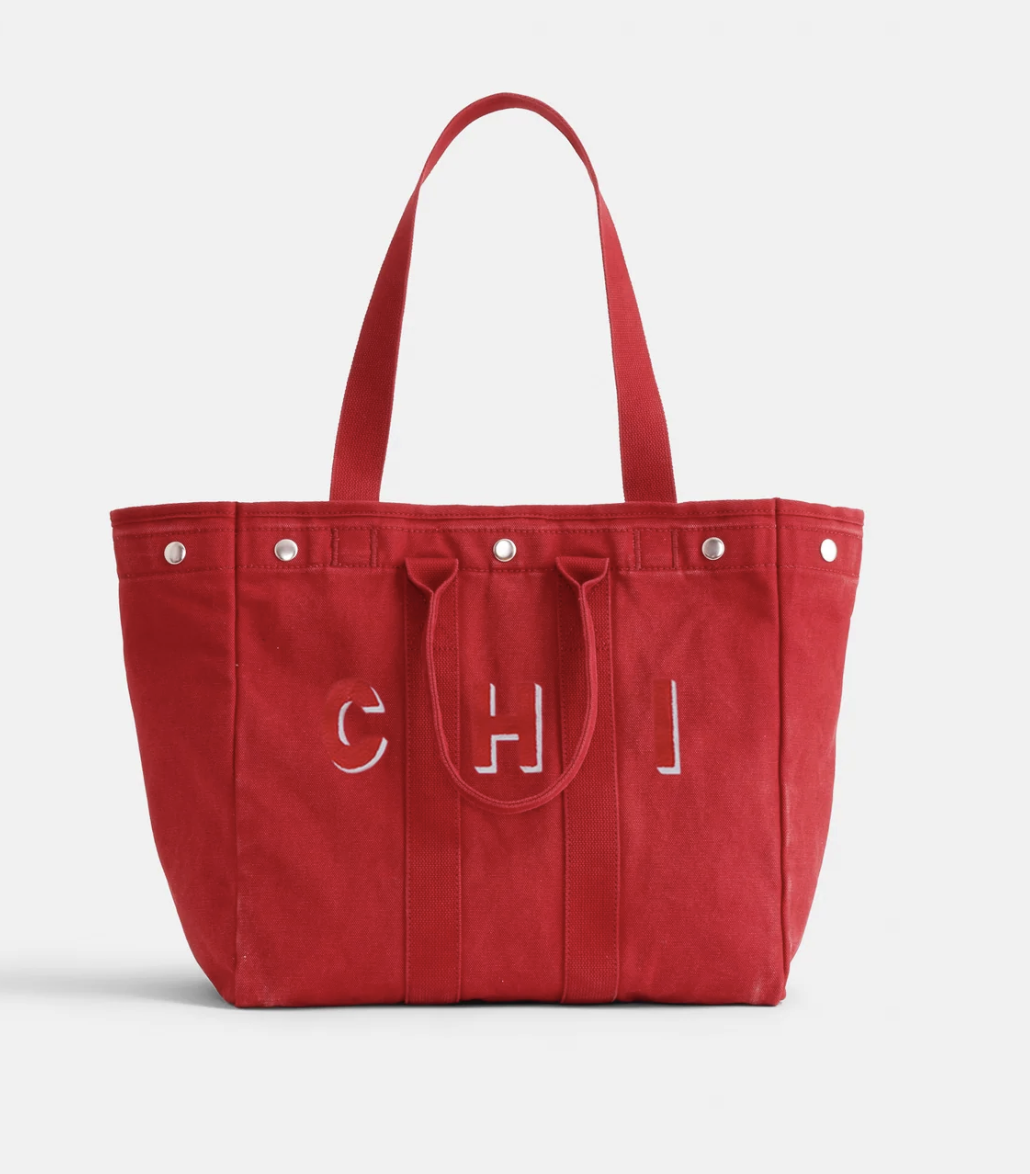
The longevity of the red-and-purple trend has been heavily sustained by high-profile celebrity placements across major international style capitals. During the Cannes Film Festival, global music icon Dua Lipa commanded international attention by pairing an eggplant-tinted Ferragamo Fall 2026 dress with a contrasting "Flame Red" Hug East-West handbag.
Weeks later, actress Zoey Deutch adapted the colorway for a New York City press tour, executing a carefully balanced color-blocked ensemble consisting of a royal purple cardigan and tailored tomato-red trousers by High Sport. More recently, style fixtures including Katie Holmes have embraced the trend, stepping out in architectural square-toe block heels and structured accessories that successfully bridge the gap between vivid primary statements and sophisticated evening wear.
Styling the Trend for Everyday Fall Wardrobes
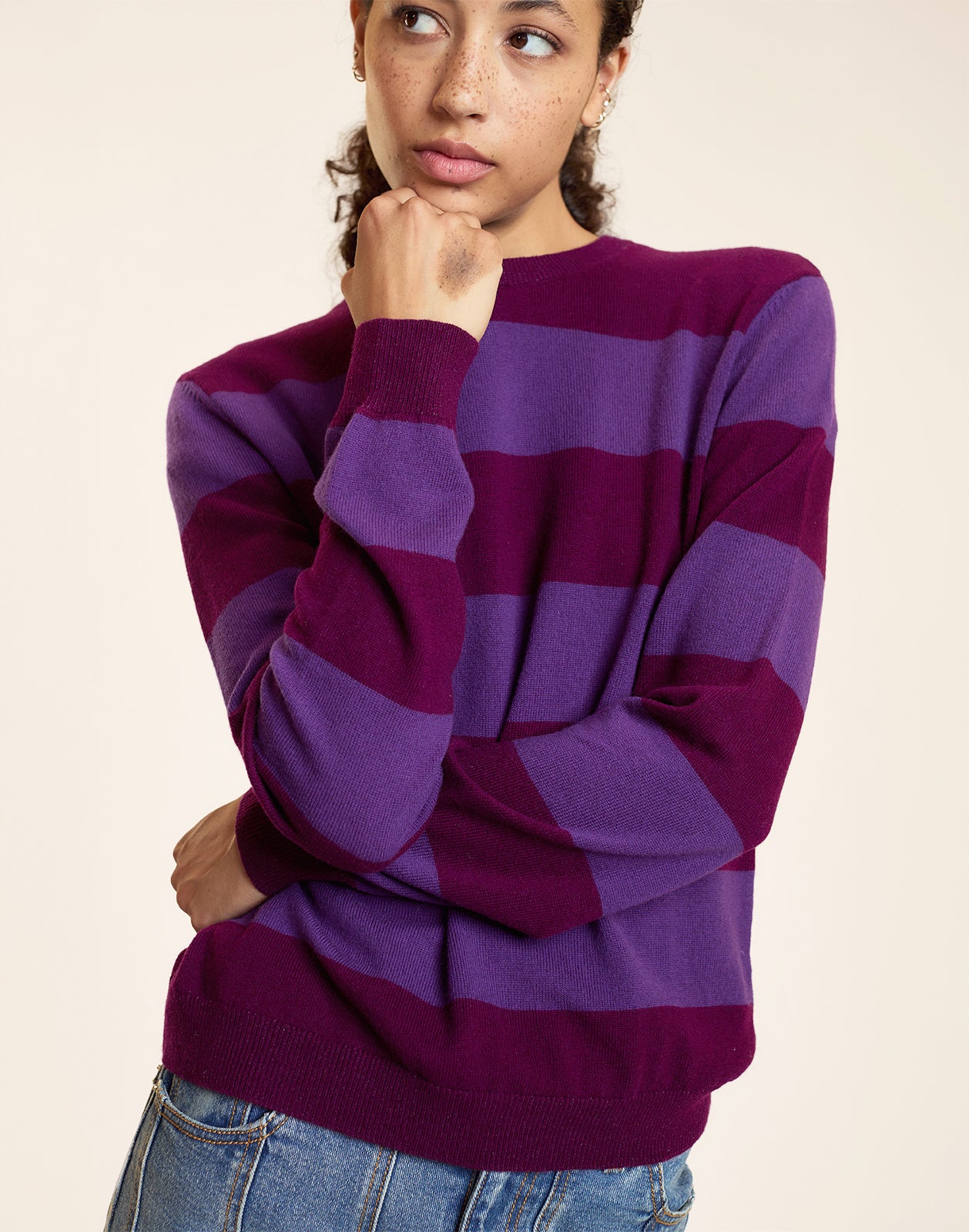
Translating runway-level maximalism into accessible, everyday wardrobes requires a strategic approach to proportion, texture, and layering. Fashion editors and stylists testing the trend in regional markets have demonstrated that the red-and-purple combination can easily replace foundational black-and-white outfit formulas.
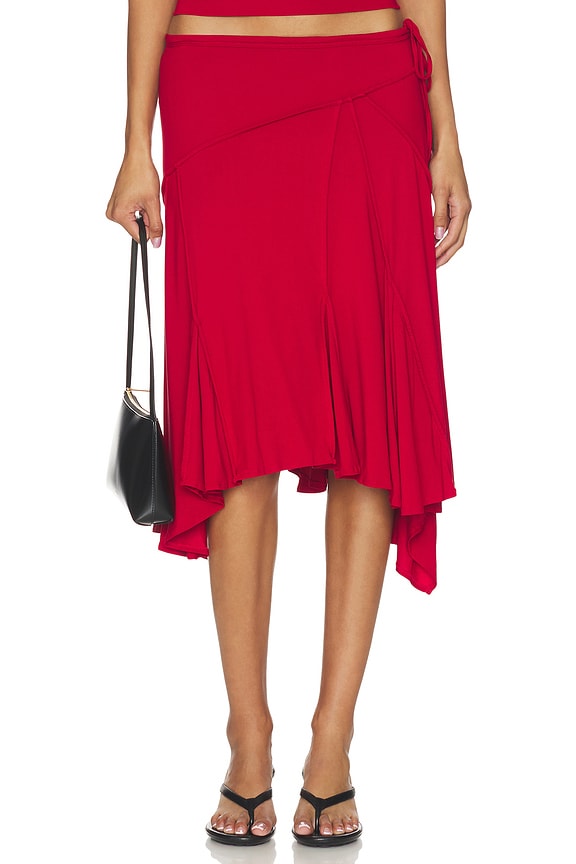
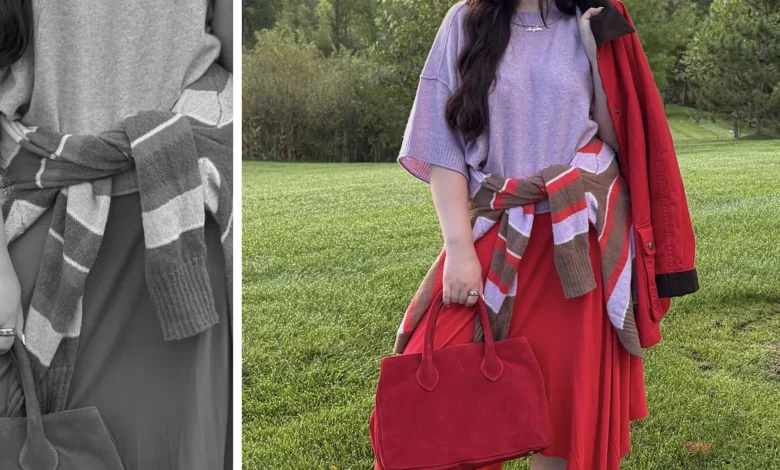
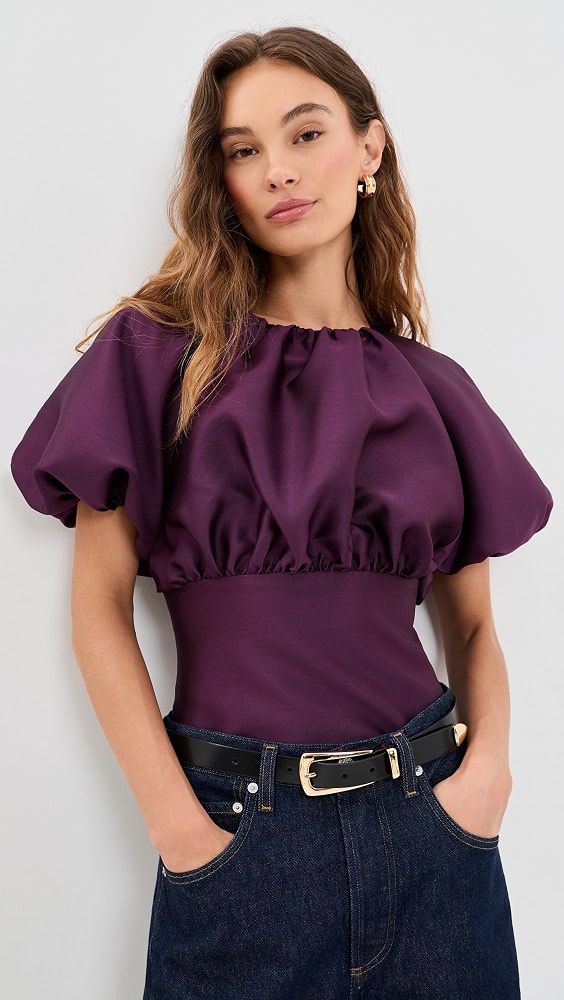
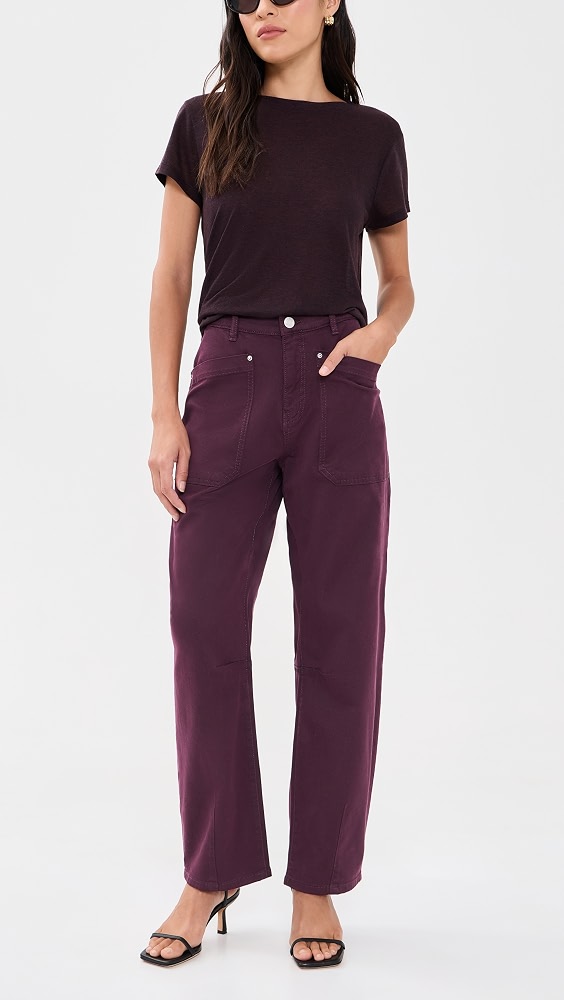
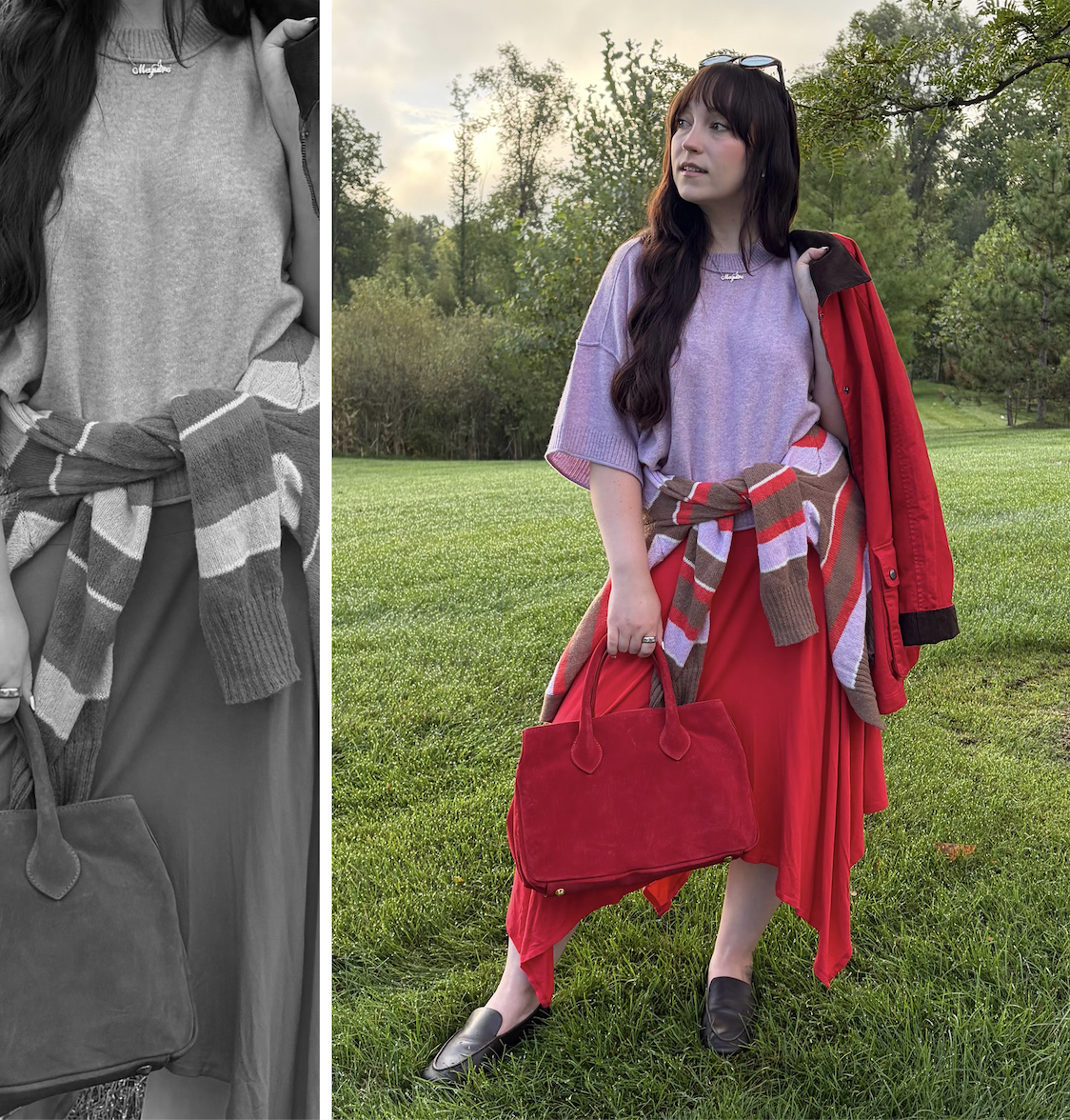
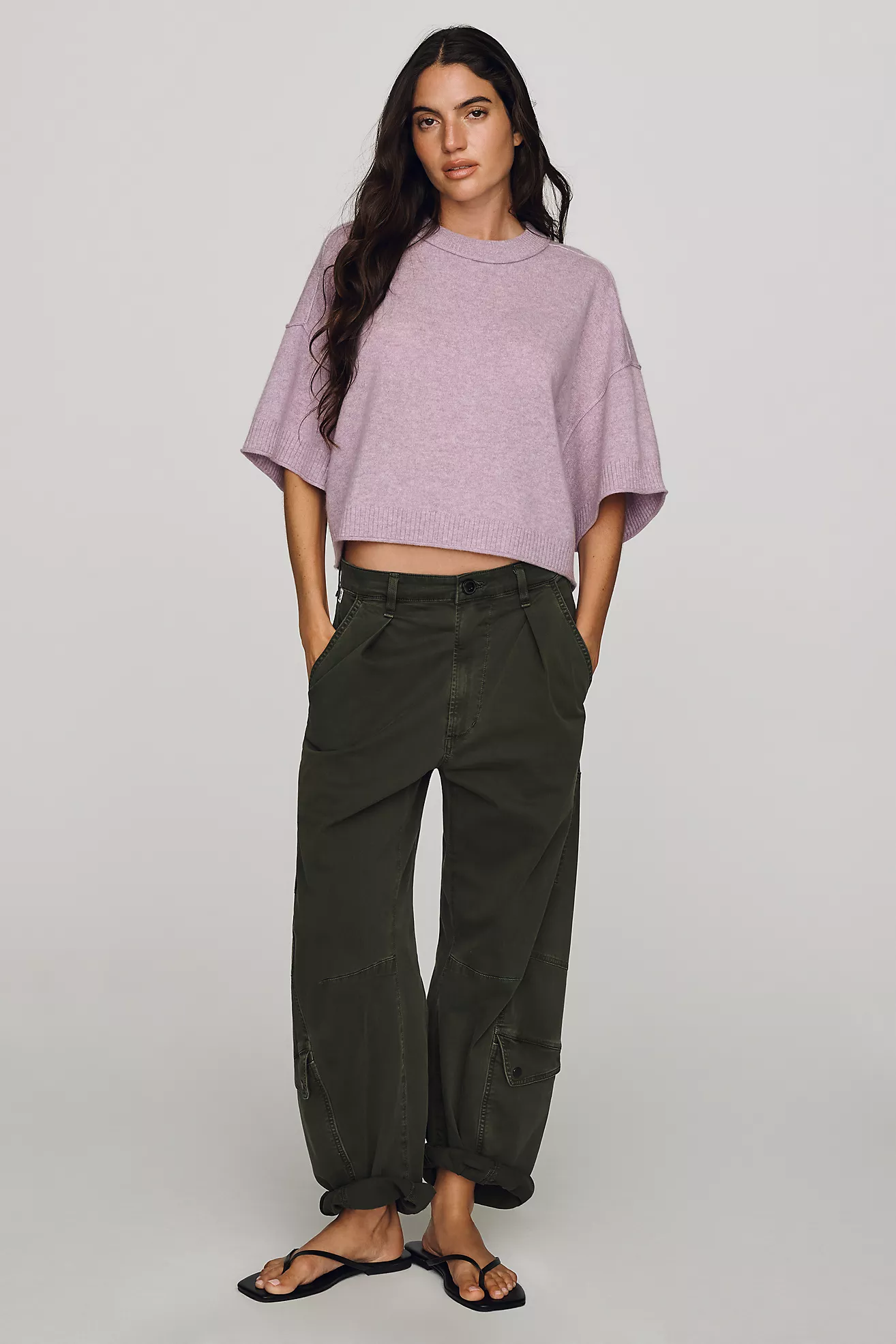
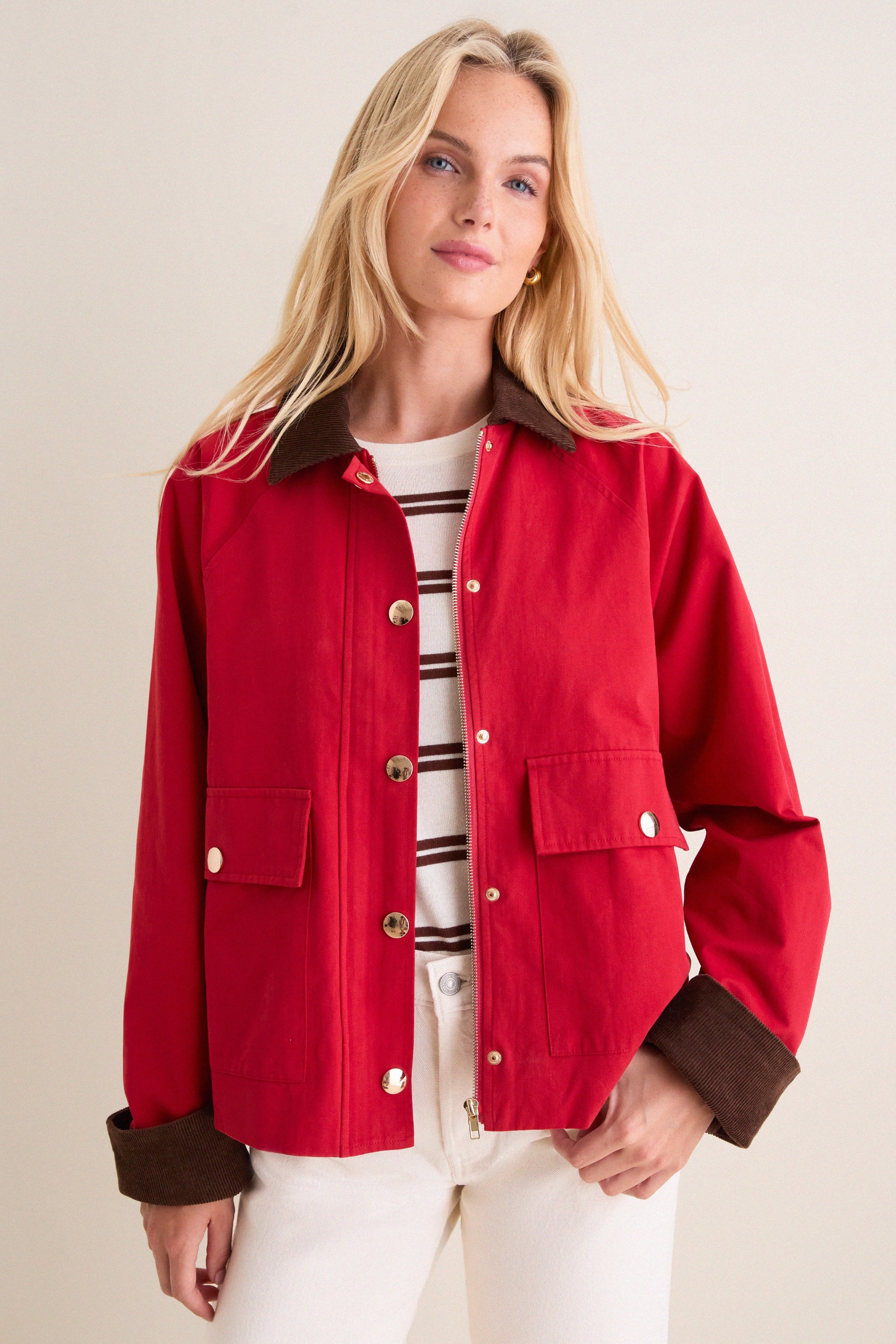
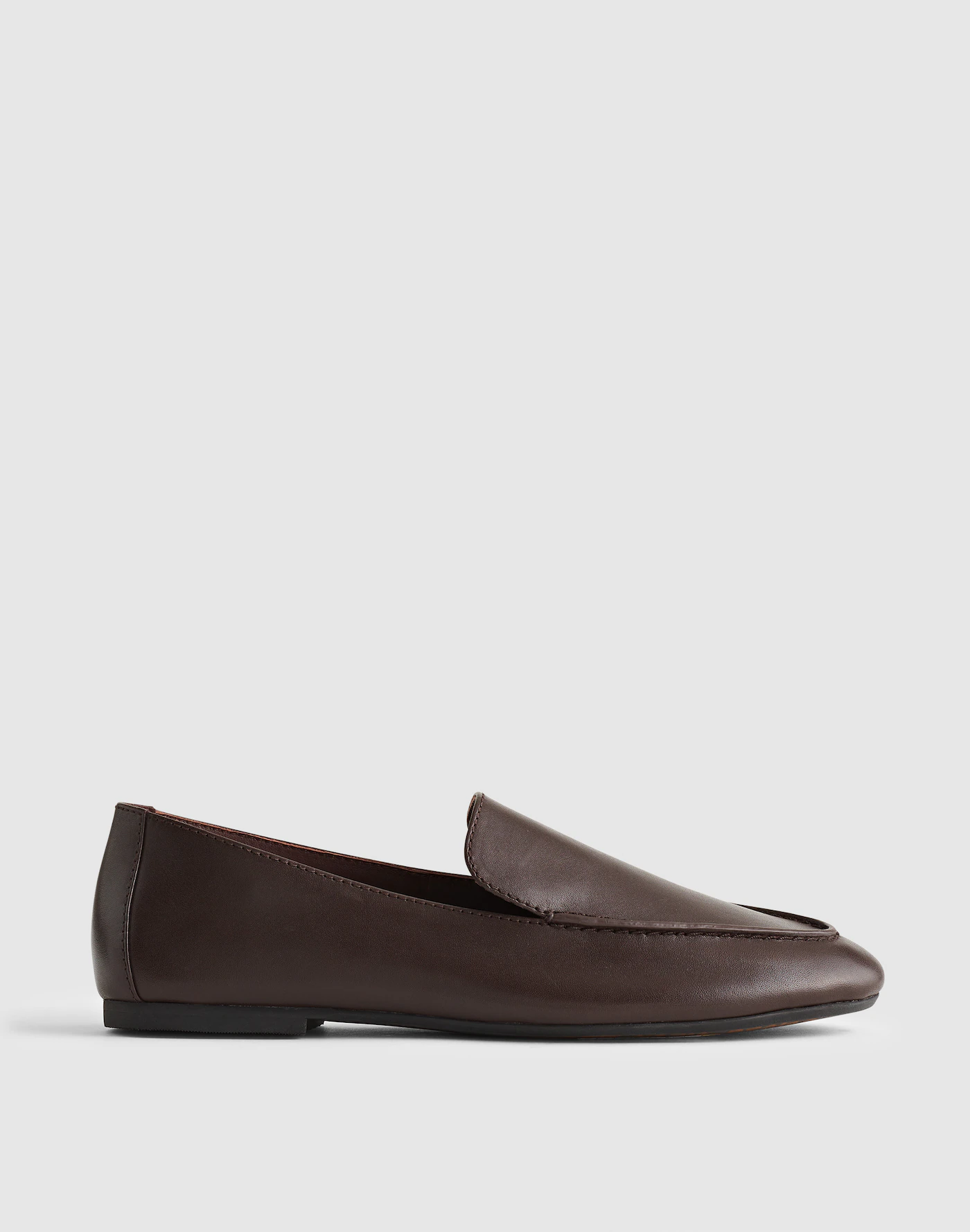
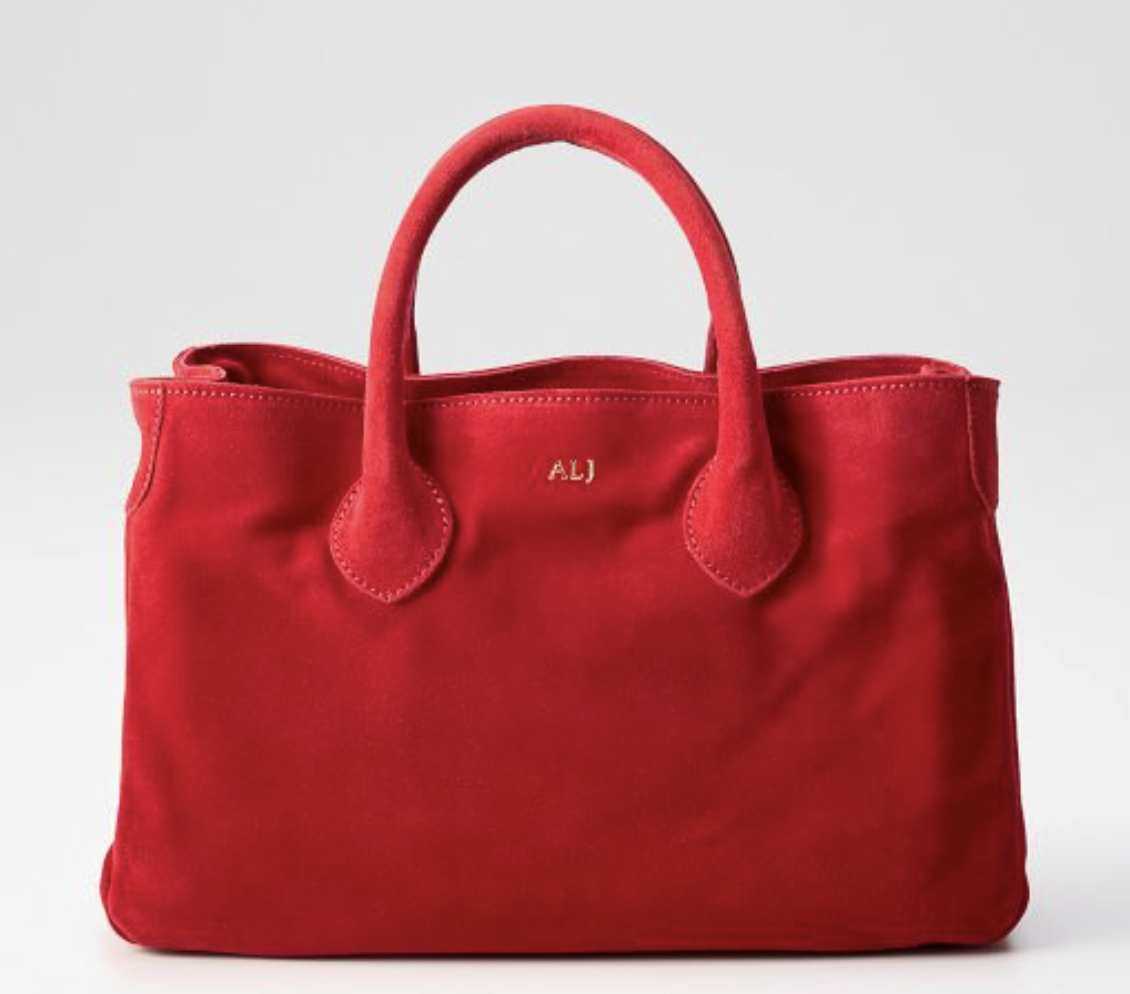
One prevailing styling method involves executing a vertical color block—layering a rich purple knit, such as a 100% cashmere crewneck or short-sleeve sweater, over tailored red midi skirts or wide-leg trousers. To ground the vividness of the color combination for cooler autumn temperatures, stylists frequently incorporate neutral transitional outerwear, such as barn jackets featuring contrasting corduroy collars, espresso-brown leather loafers, and suede top-handle tote bags.
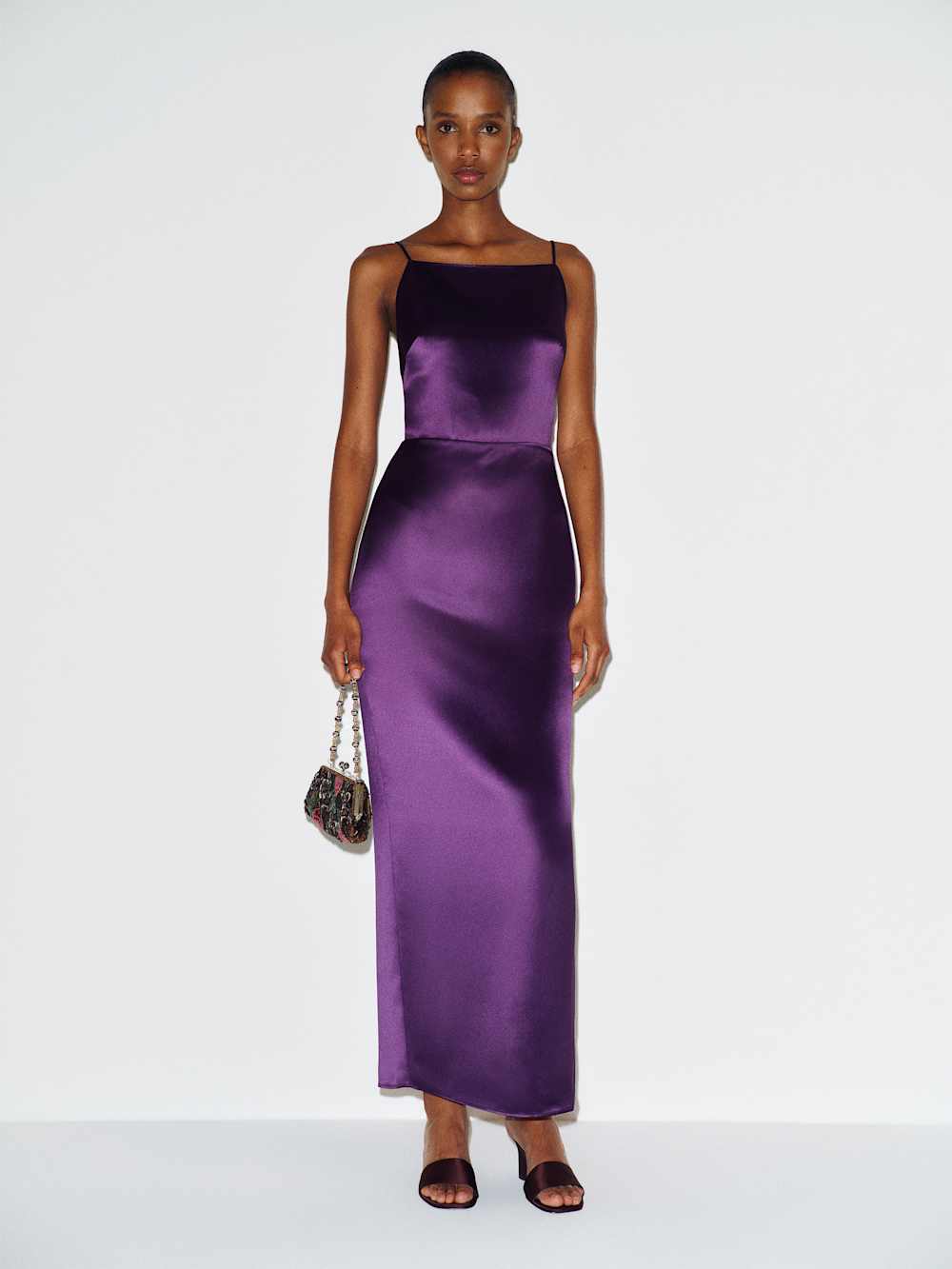
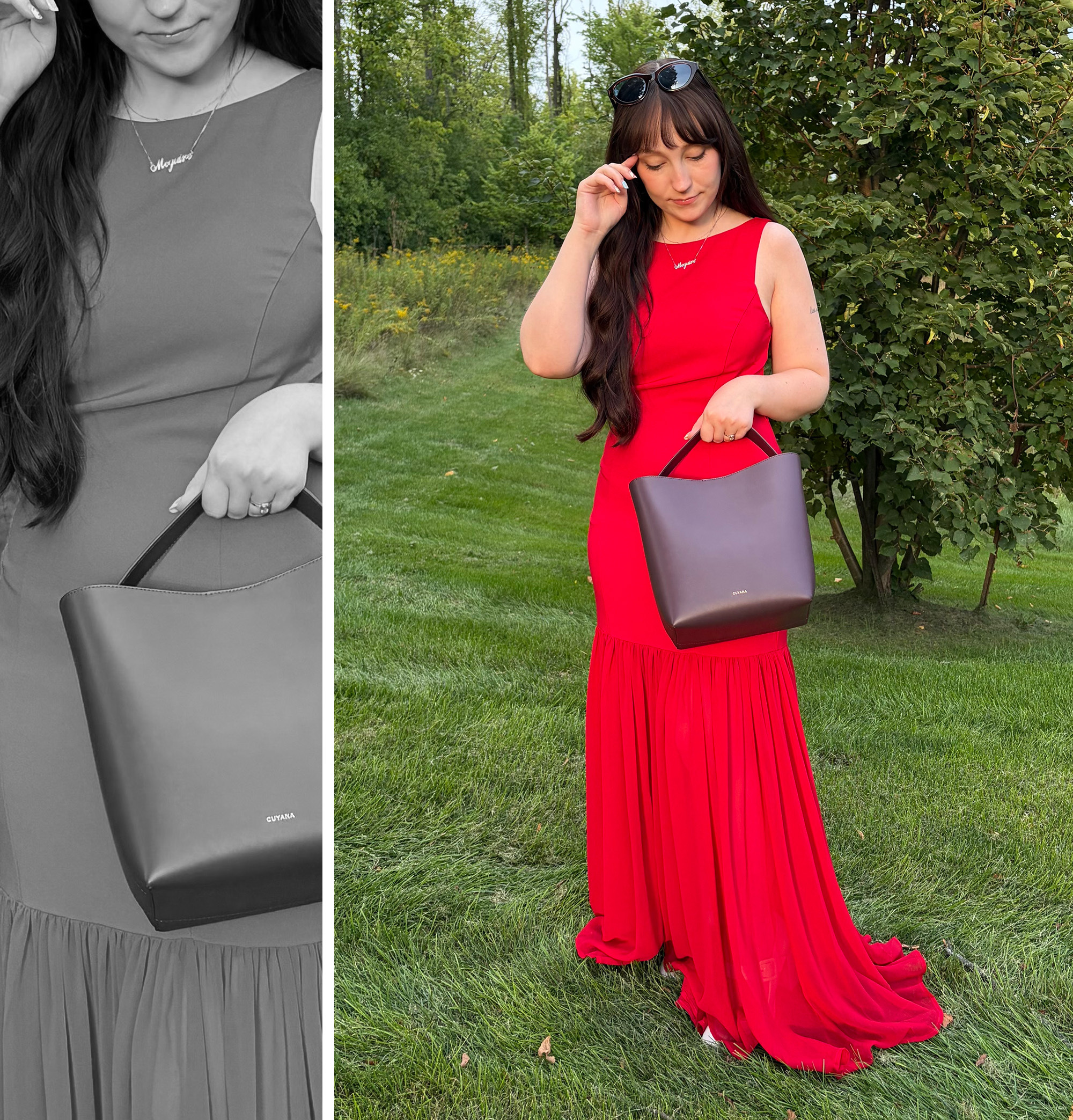
For formal occasions and evening events, the colorway transitions seamlessly into wedding guest attire and gala dressing. Drop-waist dresses rendered in watermelon and crimson tones paired with plum-colored leather accessories and high-vamp satin ballet flats offer a sophisticated, dance-floor-friendly alternative to traditional monochromatic evening wear.
Broader Industry Implications and Market Analysis
The widespread embrace of red-and-purple marks a broader consumer shift away from minimalist capsule wardrobes and risk-averse neutral dressing. Retail analytics indicate a rising demand for dopamine dressing—a psychological approach to fashion that utilizes saturated pigments and bold color pairings to boost mood and personal expression.
As consumers increasingly demand versatility and longevity from their wardrobe investments, multi-seasonal color trends that bridge summer vibrancy with autumn warmth are outperforming traditional seasonal restrictions. By proving that high-contrast color combinations can function as reliably as black, beige, and white, the red-and-purple movement has permanently expanded the boundaries of modern capsule dressing.