Queen Camilla’s Unexpected Past as a Motorcycle Enthusiast and the Evolution of Royal Marital Standards

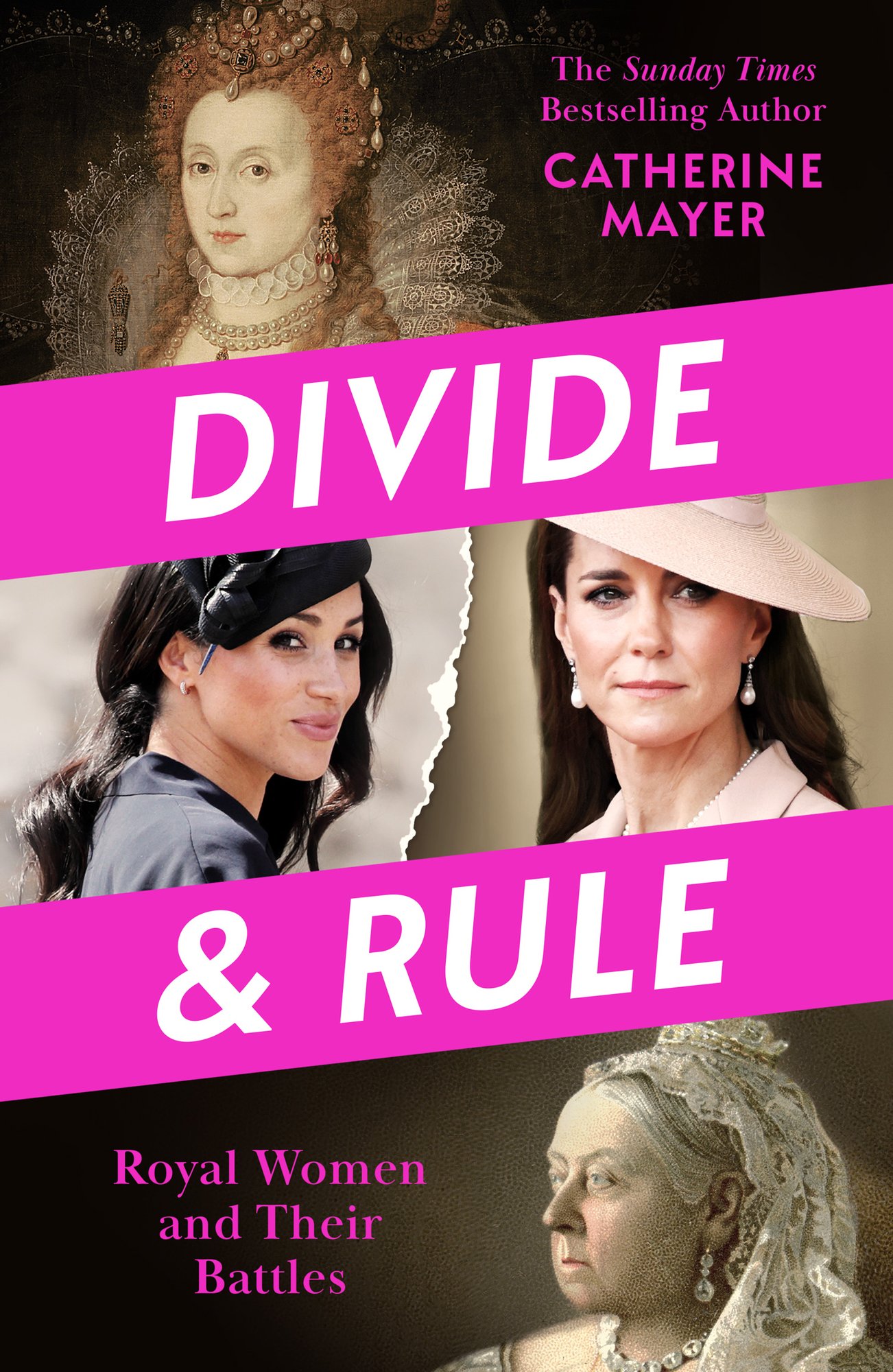
The British monarchy has long been defined by a set of rigid, often antiquated protocols that govern the lives of its members from birth until death. However, for those who marry into the House of Windsor, the transition from a private life to the goldfish bowl of royal duty often involves the suppression of a colorful and "normal" past. In her new royal biography, Divide and Rule: Royal Women and Their Battles, author Catherine Mayer provides a revealing look into the pre-royal life of Queen Camilla, uncovering details that stand in stark contrast to the traditional image of a British queen. Among the most surprising revelations is Camilla’s history as a leather-clad motorcycle enthusiast who once toured the United States, a narrative that challenges the long-standing perceptions of her as a purely traditional country aristocrat.
Mayer’s work highlights a pivotal moment in royal history when the criteria for an "appropriate" royal bride were dictated by a double standard regarding life experience and reputation. According to Mayer, during her years as a debutante and a young woman active in London’s social scene, Camilla managed to navigate the treacherous social waters of the era. She was frequently described as "fun," yet she lived a life that, by the standards of the 1970s and 1980s palace establishment, was deemed too experienced for a future king’s consort. Mayer writes that Camilla "racked up too many life experiences" to be considered a suitable partner for the then-Prince Charles, leading the royal establishment to seek a bride with a "sweet-charactered" and "virgin" reputation—a search that eventually led to Lady Diana Spencer.
The Contrast Between Two Royal Icons
The biography draws a sharp distinction between the lives of Queen Camilla and the late Princess Diana, particularly regarding their hobbies and personal freedoms. While both women shared a love for equestrian pursuits, their broader interests diverged significantly. Mayer notes that while Camilla was "roaring around the United States on a motorcycle, in leathers," such an activity would have been unthinkable for Princess Diana. The image of a young Camilla, kitted out in biker gear and traversing the American landscape, offers a glimpse into a woman who possessed a degree of independence and adventurous spirit that was largely scrubbed from her public persona during the turbulent years of the 1990s.
This contrast is not merely about hobbies; it reflects the institutional requirements of the time. In the early 1980s, the "appropriateness" of a royal bride was measured by her lack of a past. Princess Diana, who was only 19 when she became engaged to Charles, fit the archetype of the "unsullied" bride that the palace, and specifically advisors like Lord Mountbatten, believed was necessary for the Prince of Wales. Camilla, having already been married to Andrew Parker Bowles and having lived a full life in the public eye, was viewed as a "complicated" figure whose history made her ineligible for the throne at that time.
A Chronology of Perception and Transformation
The journey from being the "most hated woman in Britain" to the crowned Queen of the United Kingdom is perhaps the most significant arc in modern royal history. To understand the weight of Mayer’s revelations, one must look at the timeline of Camilla’s public and private life:
- The Early 1970s: Camilla Shand and Prince Charles meet at a polo match. A romance ensues, but Charles’s departure for naval service and the palace’s disapproval of Camilla’s "experience" prevent a formal engagement.
- 1973: Camilla marries Andrew Parker Bowles. Despite her marriage, she remains a close confidante and friend to Prince Charles.
- 1981: Prince Charles marries Lady Diana Spencer. The marriage is famously troubled, with the presence of Camilla as a "third person" in the relationship becoming a focal point of public scrutiny.
- The 1990s: Following the publication of Andrew Morton’s biography of Diana and the "Camillagate" tapes, Camilla’s reputation reaches its lowest point. She becomes the primary target of tabloid vitriol and public anger following the death of Princess Diana in 1997.
- The "Operation PB" Era: In the late 1990s and early 2000s, Mark Bolland, Charles’s deputy private secretary, initiates a long-term PR campaign to rehabilitate Camilla’s image and introduce her to the public as Charles’s legitimate partner.
- 2005: Charles and Camilla marry in a civil ceremony at Windsor Guildhall. Queen Elizabeth II eventually grants her approval, and Camilla begins her life as the Duchess of Cornwall.
- 2022-2023: Upon the death of Queen Elizabeth II, Camilla becomes Queen Consort. In May 2023, she is crowned Queen alongside King Charles III at Westminster Abbey.
The Modern Consort: Warmth, Thermals, and Cold Palaces
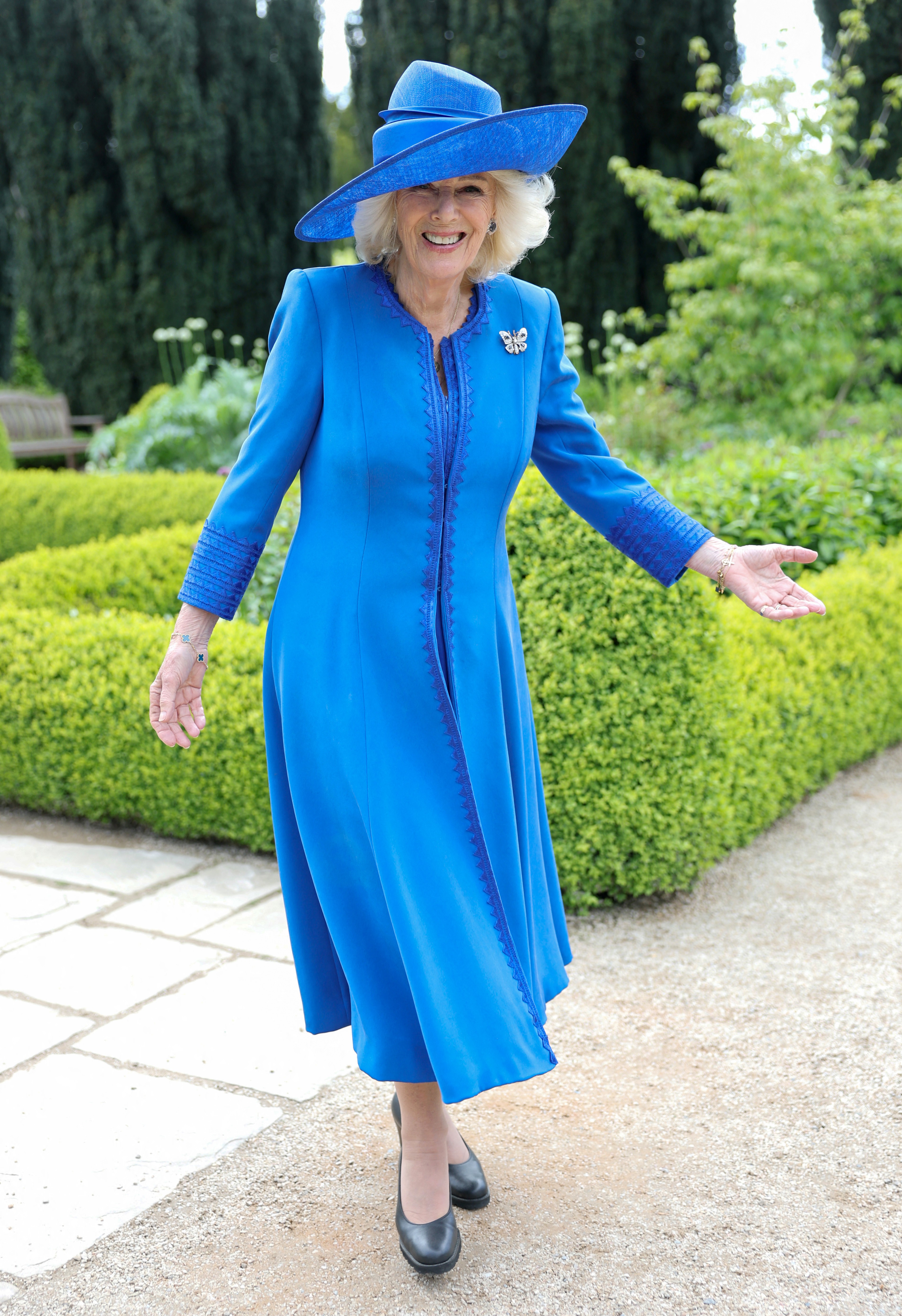
Mayer’s biography also touches upon the current reality of Camilla’s life within the royal household, providing a humanizing look at her personality. Unlike the rigid formality that often characterized the court of Queen Elizabeth II, Camilla is described as a "more relaxed presence." She is noted for her warmth and her ability to maintain a sense of humor amidst the heavy protocols of the monarchy.
One particularly endearing anecdote shared by Mayer involves the domestic habits of King Charles and Queen Camilla. The King is well-known for his preference for cold temperatures, often insisting on keeping windows open and the heating low in royal residences to save energy and maintain a "bracing" environment. Mayer writes that Camilla often "shivers in the frigid temperatures her husband maintains." In a moment of relatability, Camilla reportedly "rolls her eyes like a schoolgirl" when the King asks for yet another window to be opened, and she has even confided to associates that she has resorted to wearing thermal underwear to survive the drafts of Highgrove and Buckingham Palace.
This blend of high-stakes duty and mundane domesticity defines the modern era of the monarchy. It suggests a shift away from the "unapproachable" nature of the crown toward a more grounded, if still privileged, existence.
Statistical Context: The Shifting Tides of Public Opinion
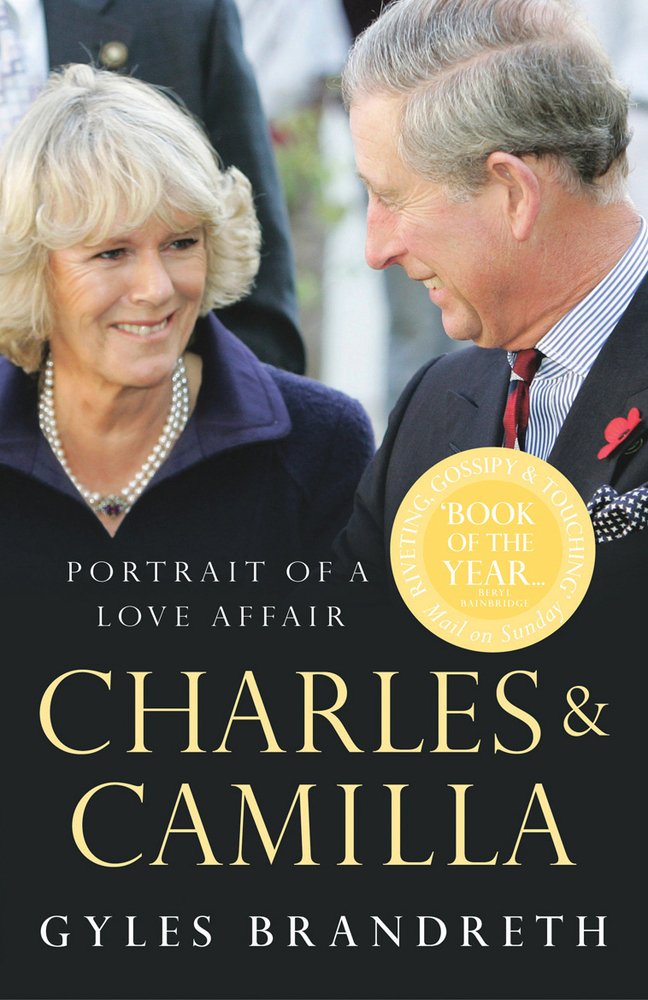
The enrichment of Camilla’s narrative through biographies like Mayer’s coincides with a measurable shift in public sentiment. Data from YouGov, which tracks the popularity of the British Royal Family, shows a steady climb in Queen Camilla’s approval ratings over the last two decades. In the immediate aftermath of Princess Diana’s death, Camilla’s "favourability" was in the single digits. By the time of the Platinum Jubilee in 2022, nearly 50% of the British public viewed her contribution to the monarchy positively.
Following the Coronation, Camilla’s ratings stabilized, with many citing her work in areas such as literacy, domestic violence awareness, and osteoporosis research as evidence of her commitment to service. This data suggests that the "life experiences" once used to disqualify her from royal life are now viewed by some as the very traits that make her a resilient and effective Queen.
Broader Implications for the House of Windsor
The revelation of Camilla’s "biker past" and the discussion of her "inappropriateness" in the 1980s serve as a critique of how the monarchy has historically treated women. Mayer’s Divide and Rule explores the "battles" royal women face, highlighting how they are often pitted against one another by the media and the institution itself.
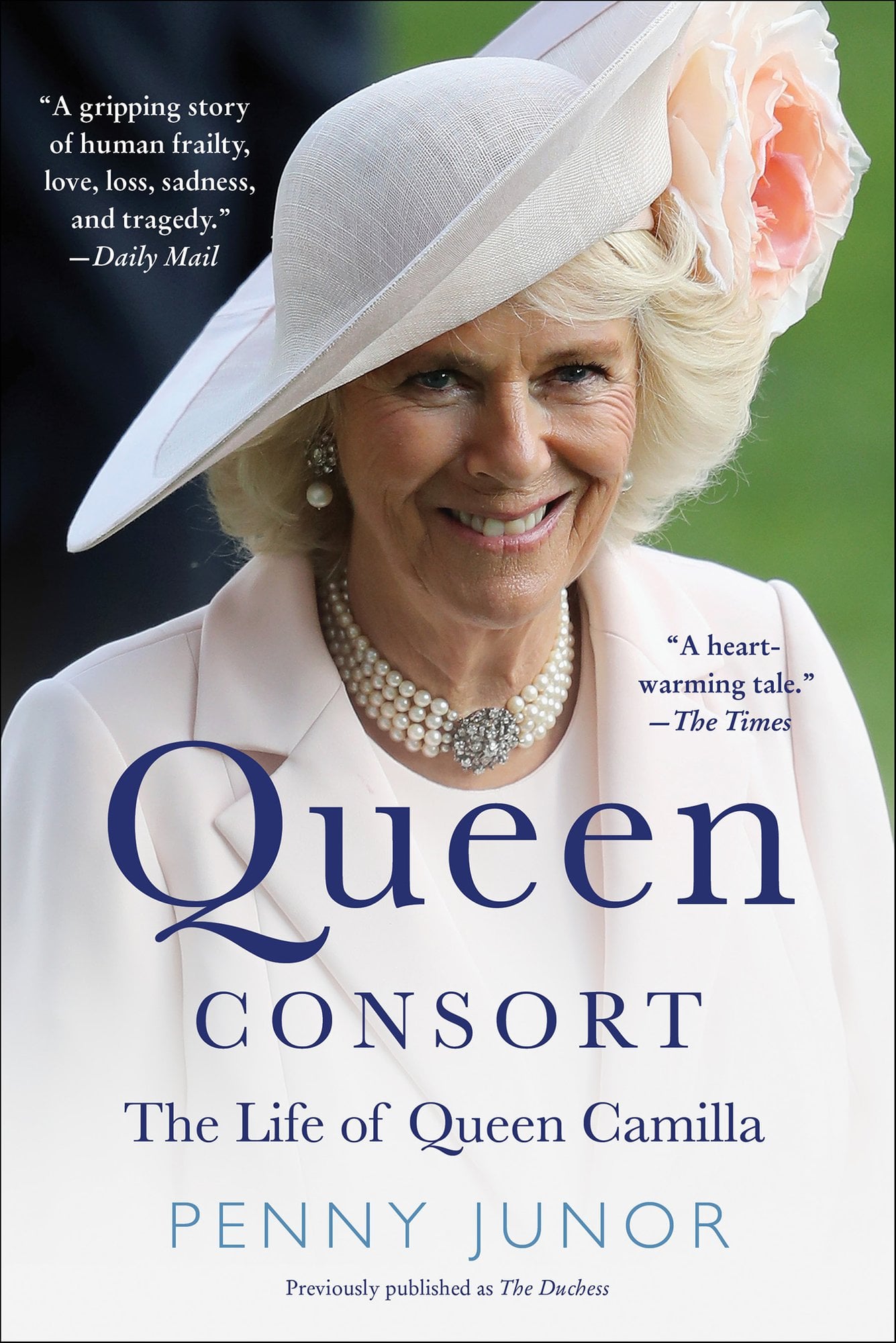
The transition from the "virgin bride" requirement of the 1980s to the acceptance of divorcees and women with established careers—such as Meghan Markle and, to a different extent, Catherine, Princess of Wales—marks a significant evolution in the constitutional and social fabric of the UK. Camilla was, in many ways, the "test case" for this modernization. Her ability to survive decades of public hostility to eventually take her place as Queen represents a fundamental change in what the British public is willing to accept from its royal figures.
Analysis of the "Biker" Revelation
The specific detail of the motorcycle trips across the United States is more than a piece of trivia; it is a symbol of the "lost" history of royal consorts. For decades, the narrative of Camilla was controlled by those who wished to see her as a villain in the story of Charles and Diana. By introducing elements of her life that involve adventure, risk-taking, and a connection to a culture far removed from the British aristocracy, biographers like Mayer are recalibrating the historical record.
This "dextrous life," as Mayer calls it, suggests a woman who was comfortable in her own skin long before she was required to wear a crown. It also hints at the sacrifices made by those who marry into the family—the trading of leather jackets for silk gowns and the open road for the restricted paths of palace gardens.
Conclusion and Future Outlook
As Queen Camilla continues her reign alongside King Charles III, the insights provided by Catherine Mayer’s Divide and Rule offer a necessary layer of complexity to her public image. The image of the Queen wearing thermal underwear to combat her husband’s environmentalist fervor, or the memory of her riding a motorcycle through the American heartland, serves to bridge the gap between the myth of the monarchy and the reality of the individuals who inhabit it.
The British monarchy is currently in a state of transition, facing questions about its relevance in a modern, democratic society. The story of Queen Camilla—a woman once deemed "unfit" due to her life experiences, who now stands as one of the institution’s most stable and reliable figures—is a testament to the power of endurance. Whether the public views her as a reformed rebel or a dedicated public servant, it is clear that her life before the palace was as varied and unexpected as the role she now occupies. In the end, the "too many life experiences" that once barred her from the throne may be exactly what has allowed her to survive it.