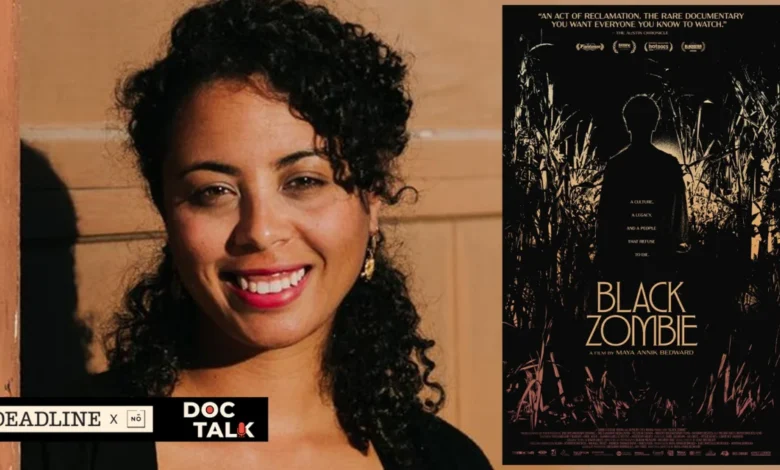
The zombie, defined by its sallow complexion, hollow gaze, and insatiable hunger for human flesh, has been a cornerstone of cinematic horror for nearly a century. From the lumbering ghouls of early twentieth-century black-and-white features to the fast-moving infected in contemporary blockbusters, the creature has undergone a radical transformation. However, beneath the layers of prosthetic gore and high-concept survival narratives lies a complex history of cultural appropriation. Director Maya Annik Bedward explores this uncomfortable evolution in her latest documentary, Black Zombie, which dissects how Hollywood stripped the "zombi" of its profound spiritual roots in Haitian vaudou to serve a Western narrative of fear and racial subjugation.
The Origins of the Undead: From Folklore to Film
To understand the trajectory of the modern zombie, one must look back to 1932, the year Victor Halperin released White Zombie. Often cited as the first feature-length zombie film, its logline—a young man enlisting a witch doctor to steal a woman from her fiancé and turn her into a slave—was inherently linked to the colonial anxiety of the era. The term "zombie" itself originates from the Haitian zombi, a concept rooted in the religious practices of vaudou. In authentic folklore, a zombi is not a cannibalistic monster, but rather an individual who has been deprived of their soul and free will.
This original interpretation was a direct reflection of the trauma of slavery. The state of being "undead" served as a powerful metaphor for the condition of enslaved people, who were systematically stripped of their identity, agency, and connection to their ancestors. By the time Hollywood began adapting these themes, the nuance of the Haitian experience was largely discarded, replaced by sensationalized depictions of "voodoo" as a dark, occult practice.
A Chronology of the Cinematic Zombie
The evolution of the zombie in film can be categorized into distinct eras, each mirroring the societal anxieties of its time:
- The Colonial Era (1930s–1940s): Films like White Zombie (1932) and I Walked with a Zombie (1943) focused on the "exotic" other. These films frequently utilized themes of Caribbean witchcraft, reflecting Western fears regarding race, miscegenation, and the loss of domestic order.
- The Modern Prototypical Era (1968): George A. Romero’s Night of the Living Dead marked a seismic shift. While Romero did not use the term "zombie" to describe his reanimated corpses, he established the rules of the genre: the horde, the isolation, and the biting infection. Critically, the casting of Duane Jones, a Black lead, in a film released at the height of the civil rights movement, transformed the genre into a vessel for social commentary.
- The Post-Modern Boom (2000s–Present): With the success of 28 Days Later (2002), Shaun of the Dead (2004), and Zombieland (2009), the zombie became a pop-culture juggernaut. Television series such as The Walking Dead turned the undead into a long-form meditation on societal collapse, effectively distancing the modern zombie from its Caribbean origins entirely.
Bedward’s Lens: Reclaiming the Narrative
In her documentary Black Zombie, Maya Annik Bedward challenges audiences to confront these origins. The film serves as a critical bridge between the sanitized, consumer-friendly version of the zombie and the historical reality of the Haitian vaudou tradition. Bedward’s production is notable for its visual ambition; she captures the island of Hispaniola with a cinematic grace that demands the audience view the landscape not as a backdrop for horror, but as a site of profound historical significance.
One of the more complex aspects of the production was the logistics of filming. Bedward chose to shoot specific sequences in the Dominican Republic due to contemporary geopolitical and safety complexities in Haiti. This decision highlights the ongoing difficulty of engaging with the history of the island—a history that is inextricably linked to the birth of the zombie myth, yet often erased by the very industry that profits from it.
Data and Thematic Analysis
The economic impact of the zombie genre is difficult to overstate. According to market analysis of box office trends, zombie-themed films and television shows have generated billions of dollars in global revenue over the last two decades. Despite this commercial dominance, academic analysis consistently points to a "blind spot" in the genre’s reception.
Sociologists have argued that the erasure of the Haitian origin story is not an accident but a form of cultural bleaching. When Hollywood portrays zombies as nameless, faceless threats to be dispatched without moral consequence, it mirrors the historical dehumanization of those who were once enslaved. By stripping away the spiritual and historical context, the genre allows audiences to engage in "guilt-free" violence against an "othered" population, even if that population is technically reanimated flesh.
The Doc Talk Perspective
Bedward’s findings are the focus of a recent episode of Deadline’s Doc Talk, hosted by Academy Award winner John Ridley—known for his work on 12 Years a Slave—and Deadline’s senior documentary editor Matt Carey. The discussion centers on the "racial dimension" of the genre, exploring how the horror of the living dead is inextricably bound to the horror of the trans-Atlantic slave trade.
Ridley notes that the transition of the zombie from a victim of exploitation (the zombi slave) to an agent of total destruction (the modern flesh-eater) represents a shift in how Western media processes historical guilt. By making the zombie a threat to everyone, the films obscure the reality that the original "zombi" was a product of a power structure that treated human beings as labor units.
Implications for Future Storytelling
The broader implication of Black Zombie is a call for greater intentionality in genre filmmaking. As horror continues to evolve, the industry is increasingly facing pressure to acknowledge the origins of its tropes. The success of films like Jordan Peele’s Get Out or the resurgence of interest in folklore-based horror suggests that audiences are becoming more sophisticated in their understanding of how genre tropes can perpetuate or challenge racial stereotypes.
Bedward’s insistence on "having fun" with the editing process serves as a deliberate stylistic choice to contrast with the somber subject matter. By using a vibrant, rhythmic editing style, she avoids the trap of making a dry, academic lecture. Instead, the documentary functions as a vibrant reclamation of a narrative that has been monopolized by Hollywood for far too long.
Industry Response and Availability
The acquisition of Black Zombie by Kino Lorber, a leading distributor of independent and documentary films, underscores the industry’s growing recognition of the need for these conversations. The film is expected to serve as a seminal work in the critical study of horror cinema, providing a roadmap for future creators who wish to explore the intersections of myth, history, and media.
For viewers interested in a deeper dive into these themes, the full conversation with Maya Annik Bedward is available via the Doc Talk podcast, distributed by Deadline and NŌ Studios. The episode serves as a primary source for understanding the intersection of historical trauma and pop-culture entertainment. As audiences continue to consume zombie media at a voracious rate, works like Black Zombie ensure that the humanity behind the monster is no longer left in the grave.
In summary, the journey of the zombie from a manifestation of enslaved agency in Haitian culture to a mindless movie monster is a history of erasure. Through the lens of Black Zombie, Bedward invites us to rethink not just the films we watch, but the hidden power dynamics they represent. By deconstructing the zombie, we are ultimately deconstructing the way history is preserved, manipulated, and ultimately reclaimed in the age of mass media. The documentary stands as a testament to the fact that while Hollywood may own the copyright to the "zombie," the soul of the story remains rooted in a history that refuses to stay buried.