Kanye West Concert in Poland Cancelled Amidst Government Pressure Over Antisemitic Remarks

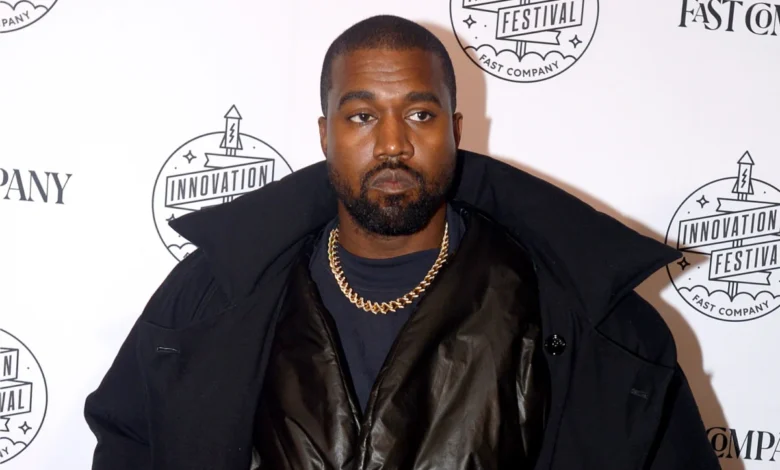
The highly anticipated return of Kanye West, now known as Ye, to Poland for a concert at the Silesian Stadium in Chorzów on June 19 has been abruptly cancelled. The venue cited "formal and legal reasons" for the decision, a move that follows significant pressure from the Polish government, specifically from the Ministry of Culture. This cancellation marks a significant development in the ongoing controversy surrounding the artist’s history of making antisemitic comments, which has led to the withdrawal of several of his scheduled performances and restrictions on his international appearances.
The decision by the Silesian Stadium to cancel the June 19th date, which would have been Ye’s first performance in Poland in 15 years, comes after a strong public denouncement by Poland’s Minister of Culture, Marta Cienkowska. Minister Cienkowska articulated a firm stance, arguing that the rapper’s documented pattern of offensive rhetoric should disqualify him from performing in a nation profoundly marked by the historical trauma of the Holocaust. Her statement underscored the gravity of the situation, asserting that such public discourse transcends mere entertainment and constitutes a deliberate normalization of hate speech.
Minister Cienkowska’s condemnation was unequivocal. She stated, "We cannot pretend that this is just entertainment. We are talking about an artist who has publicly made anti-Semitic remarks, relativised crimes, and profited from selling T-shirts with a swastika. These are not ‘controversies.’ This is a deliberate crossing of a boundary and a normalization of hate." She further emphasized that cultural spaces should not be utilized by individuals who spread contempt, a sentiment that resonated with the Polish government’s commitment to safeguarding against the resurgence of hateful ideologies. The official statement from the stadium director, Adam Strzyzewski, echoed the venue’s position, stating the cancellation was due to "formal and legal reasons," a broad categorization that is widely understood to encompass the governmental pressure exerted in response to Ye’s past statements.
A Pattern of Cancellations and Restrictions
The Polish cancellation is not an isolated incident but rather the latest in a series of setbacks for Ye’s planned international tour. Earlier this week, the artist himself announced the indefinite postponement of a scheduled performance in Marseille, France, citing it as his "sole decision." This show, slated for June 11 at the Marseille Velodrome as part of his ambitious 2026 world tour in support of his album "Bully," was met with similar scrutiny from French authorities. Prior to Ye’s announcement, French officials confirmed they were exploring all possible avenues to ban the artist from entering the country due to his persistent antisemitic past. This proactive stance by the French government reflects a growing international trend of holding public figures accountable for hate speech, particularly when it intersects with historical atrocities.
The French situation mirrored events in the United Kingdom, where Ye’s planned headline performances at London’s Wireless Festival were cancelled. This cancellation followed the UK government’s decision to block him from entering the country. The booking of Ye at Wireless had ignited widespread controversy and significant backlash. Prominent figures, including Prime Minister Keir Starmer, expressed deep concern, highlighting that it was "deeply concerning that Kanye West has been booked to perform at Wireless despite his previous antisemitic remarks and celebration of Nazism."
Sponsorship Fallout and Public Outcry
The backlash in the UK was so severe that it triggered a cascade of sponsor withdrawals from the Wireless Festival. Major corporations, including Pepsi, the drinks giant Diageo, PayPal, and Rockstar Energy, all severed ties with the festival organizers. This mass exodus of sponsors underscored the immense commercial and reputational risk associated with associating with an artist embroiled in such a severe controversy. The pressure on the festival organizers, Festival Republic and Live Nation, to take decisive action became unsustainable, leading to the eventual cancellation of Ye’s performances.
In the wake of the escalating controversy surrounding his Wireless appearances, Ye released a renewed apology for his past remarks. This apology, shared shortly before the festival’s cancellations, was published as an update to his "to those I’ve hurt" letter, originally released in January. In his statement, West addressed the criticisms directly, writing, "My only goal is to come to London and present a show of change, bringing unity, peace, and love through music." He expressed a desire to meet with members of the Jewish community in the UK to listen and learn, acknowledging that "words aren’t enough – I’ve have to show change through my actions."
Melvin Benn, the managing director of Festival Republic, had previously acknowledged the abhorrent nature of Ye’s past antisemitic comments but had also called for forgiveness. This nuanced position, however, was largely overshadowed by the broader public outcry and the tangible consequences of the artist’s rhetoric.
A History of Controversial Statements and Apologies
Ye’s history of antisemitic remarks is well-documented and has spanned several years. These comments have often been made on public platforms, including social media and interviews, and have included conspiracy theories, accusations against Jewish people, and the promotion of hateful ideologies. His apology letters and public statements have often come after significant public pressure or the direct impact of his remarks on his career.
In his earlier apology letter, West detailed a "four-month-long manic episode of psychotic, paranoid and impulsive behaviour that destroyed [his] life," admitting to moments where he "didn’t want to be here anymore." He has also spoken openly about his bipolar type-1 diagnosis, a condition he had previously dismissed in favor of what he described as "a case of autism." While these disclosures shed light on his personal struggles, they have not, in the eyes of many, absolved him of responsibility for the harm caused by his public pronouncements. The pattern of controversial statements, followed by apologies and further controversial statements, has created a cycle of distrust and concern among many of his former supporters and the wider public.
Global Tour and Emerging Trends
The 2026 world tour, which kicked off at the SoFi Stadium in Inglewood, California, earlier this month, was initially designed to showcase Ye’s new album and re-engage with his global fanbase. The tour schedule included dates in various international locations, such as New Delhi, India (May 23), Istanbul, Turkey (May 30), Arnhem, the Netherlands (June 6, 8), Chorzów, Poland (June 19), Reggio Emilia, Italy (July 18), Madrid, Spain (July 30), and Loulé, Portugal (August 7).
However, the cancellations in France and Poland, along with the UK travel ban, suggest that Ye’s ability to perform on the international stage is becoming increasingly precarious. These events signal a broader shift in how public figures are held accountable for their speech, particularly concerning hate speech and its historical context. Governments and cultural institutions are increasingly taking a more proactive stance, recognizing that cultural platforms should not be used to legitimize or normalize harmful ideologies.
The upcoming European dates were intended to be West’s first headline shows on the continent in 12 years, with his last UK performances being his headline set at Glastonbury in 2015. The sustained controversy has cast a long shadow over these planned appearances, raising questions about the future of his touring career and his ability to engage with international audiences without facing significant repercussions for his past actions and rhetoric. The trend of cancellations and potential bans highlights a growing global intolerance for antisemitism and other forms of hate speech, forcing artists and promoters to navigate a complex landscape of public accountability and ethical considerations. The reverberations of Ye’s statements continue to shape his career trajectory, demonstrating that even for globally recognized artists, the consequences of hateful rhetoric can be far-reaching and definitive.