The Sweet Secret to Peak Performance: How Chocolate Aromas Can Revolutionize Your Workout Routine

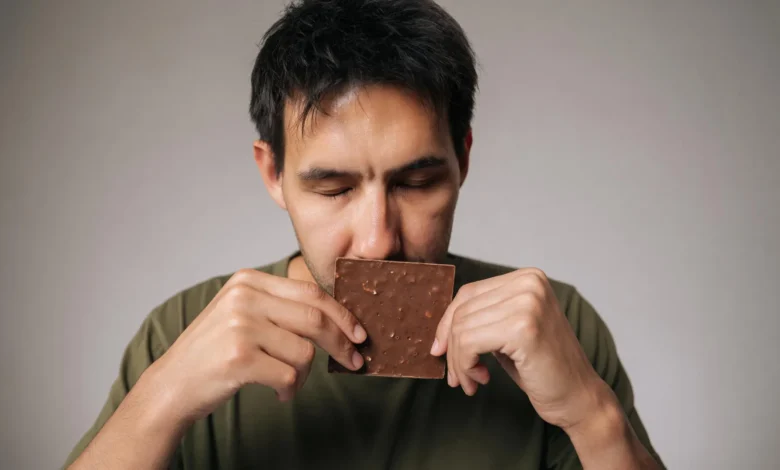
A grueling leg day at the gym may soon require a secret weapon that has nothing to do with pre-workout supplements or caffeine-heavy energy drinks: the simple, evocative scent of chocolate. Emerging research suggests that our olfactory system—the sense of smell—plays a far more significant role in physical endurance and metabolic regulation than previously understood. According to a recent study published in the journal Frontiers in Physiology, exposure to specific cocoa-based aromas before and during resistance training sessions allowed participants to complete significantly higher training volumes without experiencing a proportional increase in perceived exertion.
This discovery highlights a fascinating intersection between sensory psychology and sports science, suggesting that the brain can be "primed" for performance through learned environmental cues. As athletes and fitness enthusiasts constantly seek legal, non-invasive ways to push past plateaus, the use of targeted aromatherapy presents a novel, if unconventional, frontier in human performance optimization.
The Mechanism of Olfactory Influence
The study, conducted by researchers at the University of Malaya, sought to bridge the gap between olfaction, appetite, and physical capacity. Led by senior author Dr. Mohamed Nashrudin bin Naharudin, an assistant professor at the Faculty of Sports and Exercise Science, the research team investigated whether the brain’s deep-seated emotional and appetite networks could be leveraged to mitigate the psychological fatigue often associated with high-intensity resistance training.
"Exposing moderately trained men to chocolate odors right before and between sets of resistance exercise significantly increased their overall training volume without increasing their perceived exertion," Dr. Nashrudin bin Naharudin explained. "Seeing a substantial increase in repetitions without the athletes feeling like they were exerting themselves any harder is a fascinating psychobiological outcome. It suggests that the brain processes these scents not just as sensory input, but as powerful anticipatory signals."
The research team hypothesized that because olfaction is hardwired into the limbic system—the part of the brain responsible for emotion and memory—scents associated with highly rewarding foods could effectively bypass the standard fatigue signals that usually prompt an athlete to stop mid-set.
Chronology and Methodology of the Study
The trial involved 23 healthy, moderately trained men, aged 20 to 25. To ensure a standardized physiological baseline, all participants were required to fast for at least 10 hours prior to the testing sessions. The experimental design was rigorous, utilizing three distinct conditions to isolate the effects of different cocoa concentrations:
- The Dark Chocolate Condition: Participants were exposed to a liquified 90% cocoa sample.
- The Milk Chocolate Condition: Participants were exposed to a 60% cocoa sample.
- The Control Condition: Participants were exposed to odorless water.
The exercise protocol focused on leg extensions—a classic isolation movement for the quadriceps that allows for precise tracking of repetitions and total volume. Before beginning the physical exertion, participants provided self-reported data regarding their hunger levels, desire to eat, and fullness. During the workout, the scent samples were administered for 30 seconds between sets, and participants’ physical performance and hunger levels were measured throughout the duration of the training session.
Divergent Results: Dark versus Milk Chocolate
The data revealed a clear distinction in how the two types of chocolate affected the body. The 90% dark chocolate aroma proved to be a powerful metabolic regulator. Participants exposed to this scent reported lower hunger levels and a diminished desire to eat, alongside a heightened sense of fullness. Physiologically, this translated into an average of 18 additional repetitions of leg extensions compared to the control group.
Conversely, the 60% milk chocolate aroma functioned differently. While participants consistently rated the smell of milk chocolate as more pleasant than the dark variety, it did not significantly alter their appetite markers. However, it still provided a measurable performance boost, enabling participants to complete approximately nine additional repetitions compared to the water control.
These findings suggest that the brain interprets these scents through two distinct pathways. The dark chocolate aroma appears to trigger an "anticipatory satiety" response, essentially tricking the body into believing it has already consumed a nutrient-dense, satisfying meal. The milk chocolate aroma, meanwhile, appears to function as a "hedonic reward," creating a more positive sensory environment that encourages the brain to sustain effort longer, even in the absence of metabolic satisfaction.
Theoretical Foundations: Learned Associations
The underlying theory for these results rests on the concept of associative learning. From childhood, humans form neurological connections between the smell of specific foods and the subsequent feeling of satisfaction or pleasure. Over thousands of repetitions, these smells become "cues."
"The dark chocolate scent serves as a learned cue for a rich, bitter, and highly satiating food, which essentially tricks the system into an anticipatory state of fullness," said Dr. Nashrudin bin Naharudin. "The sweeter milk chocolate scent acts more like a hedonic reward cue, enhancing training volume by creating a highly pleasant sensory environment rather than by shifting basic metabolic hunger signals."
This phenomenon raises significant questions regarding the role of anticipation in physical performance. If the mere scent of food can prepare the digestive system for a meal or influence psychological endurance, it implies that the body’s readiness to perform is not solely dependent on blood glucose levels or muscle glycogen, but also on the brain’s expectation of reward.
Implications for the Fitness Industry
The implications for professional and amateur athletes are profound. While the study is in its early stages, the potential for non-pharmacological, scent-based performance aids is immense. Unlike stimulants such as caffeine or pre-workout powders, which can lead to jitters, sleep disruption, or cardiovascular stress, aromatic cues appear to be inherently safe and side-effect-free.
However, sports nutritionists and exercise physiologists urge caution. The study was small and limited to a specific demographic of young men. Furthermore, the researchers acknowledge that they did not measure blood hormones, such as ghrelin or leptin, nor did they use neuroimaging to track the exact brain pathways activated during the exercise. It remains a possibility that the placebo effect—the expectation that the chocolate smell would help—played a role in the performance gains.
Moreover, the "familiarity factor" remains a critical variable. For a scent to function as a performance enhancer, the individual must find it either pleasant or at least neutral. If a person dislikes the smell of chocolate, it is unlikely to trigger the same neurological rewards.
Future Research Directions
The research team is currently looking toward expanding the scope of the investigation. Future studies may look at whether other food aromas—such as vanilla, coffee, or even savory scents—can elicit similar responses. There is also the question of whether these effects persist over time. If an athlete uses the same scent every day, will the brain eventually habituate to the stimulus, rendering the performance boost negligible?
"We don’t think chocolate is entirely unique, though it is a food cue with incredibly strong, universally recognized reward associations," noted Dr. Nashrudin bin Naharudin. "A person likely needs to find the odor familiar and appealing to trigger the psychological shift in appetite that’s needed to see a performance boost."
Conclusion: The Future of Sensory Training
As we continue to explore the nuances of human performance, the integration of sensory psychology into sports training appears inevitable. While the use of chocolate scents is unlikely to replace rigorous training, proper nutrition, and recovery, it represents a low-cost, accessible tool that could provide the marginal gains necessary for athletes looking to break through plateaus.
For now, the science confirms what many gym-goers might have suspected: the mind is the final frontier of physical performance. By understanding how our senses interact with our biology, we may be able to better navigate the fatigue of a tough workout, one sniff at a time. The next time you feel your motivation waning during a heavy lifting session, you might find that a little bit of dark chocolate—or even just its aroma—is exactly what you need to finish strong.
Related posts: