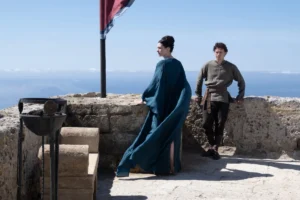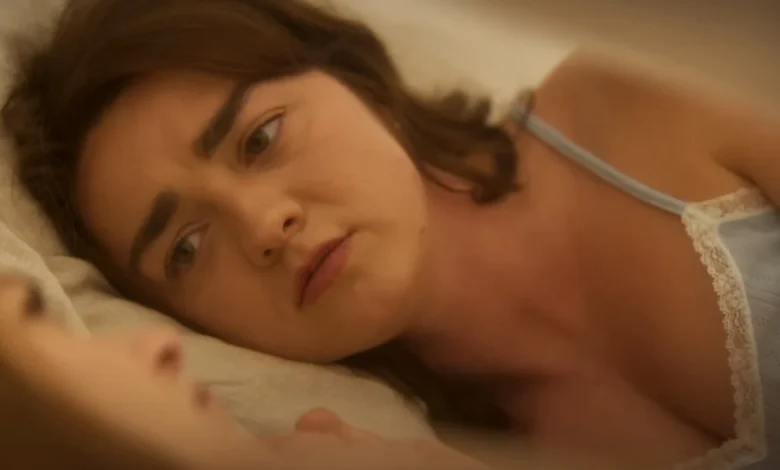
The long-awaited return of the Owens family to the cinematic landscape has sparked a vibrant discourse regarding character fidelity and the intricacies of literary adaptation. As Practical Magic 2 captures the imaginations of audiences worldwide, viewers and literary enthusiasts alike have noted significant departures from Alice Hoffman’s 2021 source material, The Book of Magic. Central to this conversation is the portrayal of Antonia Owens, played by Maisie Williams, whose characterization on screen reflects a conscious, internal creative choice by the actress that contrasts with the explicit narrative arc established in the original text.
The Literary Foundation of The Book of Magic
To understand the current discussion surrounding the film, it is necessary to examine the source material. Alice Hoffman’s The Book of Magic serves as the conclusion to the quartet of novels that began with the 1995 publication of Practical Magic. In the literary canon, Antonia Owens is a multifaceted character whose identity is deeply rooted in her personal autonomy and queer identity.
In Hoffman’s prose, Antonia is explicitly defined as a lesbian. Her narrative arc is bolstered by a significant romantic relationship with a character named Ariel, a lawyer who becomes instrumental in the family’s efforts to navigate the legal and mystical complexities of the central curse. Furthermore, the novel explores themes of non-traditional family structures, including a plot point where Antonia becomes pregnant with her best friend’s child. These elements provided a specific, grounded identity for the character that has resonated with readers for years.
Discrepancies in the Cinematic Adaptation
Directed by Susanne Bier and written by the collaborative team of Akiva Goldsman, Georgia Pritchett, and Kelly Marcel, the film version of Practical Magic 2 takes a different narrative trajectory. The sequel reunites audiences with Sally (Sandra Bullock) and Gillian (Nicole Kidman) as they embark on a high-stakes mission to England to save Sally’s daughter, Kylie (Joey King), and her comatose boyfriend, Gideon (played by Xolo Maridueña).
While the film succeeds in expanding the franchise’s supernatural lore and re-establishing the iconic chemistry between Bullock and Kidman, it consciously pivots away from several of the specific, intimate character arcs found in the book. Most notably, the explicit details regarding Antonia’s romantic life and her status as a mother are largely omitted from the final theatrical cut. For fans who were anticipating a direct translation of Antonia’s journey, this exclusion represents a missed opportunity to bring a well-loved literary figure to the screen with the same level of depth provided by Hoffman.
The Actor’s Perspective: Performing the Subtext
Despite the narrative constraints present in the screenplay, Maisie Williams has clarified that she approached the role of Antonia with a clear understanding of the character’s internal life. In a recent interview with Gay Times, Williams revealed that she consistently played Antonia as a "sapphic icon," regardless of the final edit’s ambiguity.
"There’s been a lot of different edits to the movie, and there was a lot of different versions of the script, but I always played Antonia as a sapphic icon," Williams stated. She emphasized that this internal decision influenced her performance, particularly in scenes involving the character of Gideon. By positioning Antonia as a woman with a fundamentally different perspective on the role of men in her life, Williams aimed to inject a sense of joy and authenticity into the scenes, even when the explicit textual support for that orientation was minimized.
This approach highlights a common phenomenon in film production: the disparity between an actor’s internalized character biography and the externalized narrative curated by the director and editorial team. Williams’ dedication to the character’s essence suggests that while the script may have been pruned, the actor’s performance remains a vital, if subtle, anchor for the character’s identity.
Chronology of the Practical Magic Franchise
The journey from the original 1998 cult classic to the 2024-2025 theatrical release has been marked by significant shifts in cultural expectations and storytelling techniques.
- 1995: Alice Hoffman publishes the novel Practical Magic.
- 1998: The film adaptation, directed by Griffin Dunne and starring Sandra Bullock and Nicole Kidman, is released. Despite a mixed critical reception at the time, it gains significant status as a cult classic.
- 2021: Hoffman releases The Book of Magic, the final entry in the Owens family series, which introduces a more modern, diverse, and explicit exploration of the family’s lineage and personal lives.
- 2023: Production for Practical Magic 2 is officially greenlit, with Susanne Bier attached to direct.
- 2025: The sequel premieres, focusing on the generational transition from the original leads to their daughters, Kylie and Antonia.
The Implications of Narrative Omission
The decision to exclude specific character details from a beloved book raises broader questions about the ethics of adaptation in the modern era. When a film is based on a piece of literature that holds significant cultural capital, fans often expect a high level of fidelity. When that fidelity is absent, it can lead to frustration, particularly when the excluded elements pertain to minority representation.
From an industry standpoint, the editorial process is often driven by pacing, runtime constraints, and a desire to maintain focus on the "A-plot." In Practical Magic 2, the primary objective was to facilitate the transition of the legacy franchise to a new generation of characters. By centering the story on the relationship between Sally, Gillian, and Kylie, the filmmakers may have deemed the complexities of Antonia’s side-plots—specifically the introduction of a new romantic partner and the nuances of her pregnancy—as extraneous to the core mission of breaking the family curse.
However, critics of this approach argue that "side-plots" like those involving Antonia are often what provide a story with its texture and emotional resonance. By removing these elements, the film risks flattening characters who were initially conceived with deep, intersectional identities.
Potential for Future Expansion
The possibility of a third installment in the Practical Magic series has already been suggested by Sandra Bullock. In a recent conversation with Vanity Fair, the Academy Award-winning actress indicated a willingness to return to the world of the Owens family, provided the sequel performs well at the box office.
"We’ll do a number three if this takes off. And we’ll pass the torch to the girls," Bullock stated.
This prospective trilogy structure could be the key to addressing the grievances of fans who feel the second film left too much on the cutting room floor. If a third film is produced, the filmmakers may have the necessary space to revisit Antonia’s character, potentially expanding on the foundation laid by Williams in the second installment. A third chapter would allow for a deeper exploration of the daughters’ lives, providing the room for the character development that was sacrificed in the rapid-fire pacing of the current sequel.
Analysis of Fan Reception and Cultural Relevance
The response on social media platforms, including TikTok and various film forums, indicates that the audience is highly attuned to the changes made between the book and the film. The discourse surrounding Antonia’s sexuality serves as a case study in how modern audiences engage with media. Viewers are no longer content to simply consume a product; they are actively comparing it to its source material and demanding a level of representation that aligns with the contemporary cultural landscape.
The use of social media to bridge the gap between actor and audience—as seen in the Gay Times feature—is an increasingly important tool for performers. By articulating her interpretation of the character, Maisie Williams has effectively validated the audience’s desire for representation, creating a dialogue that transcends the script itself. This interaction transforms the viewing experience from a passive act into an ongoing conversation about what the characters mean to the audience.
In conclusion, Practical Magic 2 represents a complex intersection of legacy, adaptation, and performance. While the film has successfully brought the Owens family back to the screen for a new generation, the tension between the original literary source and the final cinematic output remains palpable. As the franchise looks toward a possible future, the challenge for the creative team will be to balance the broad appeal of a blockbuster sequel with the nuanced, heartfelt storytelling that made Alice Hoffman’s novels so deeply impactful to begin with. Whether or not Antonia’s story is given its full due in a potential third film remains to be seen, but the groundwork for that expansion has undeniably been laid by the performers who breathed life into these characters.
Related posts: