Gallagher Premiership 2026-27 Season Preview: Can Rob Baxter and Exeter Chiefs Go One Better After Heartbreak?

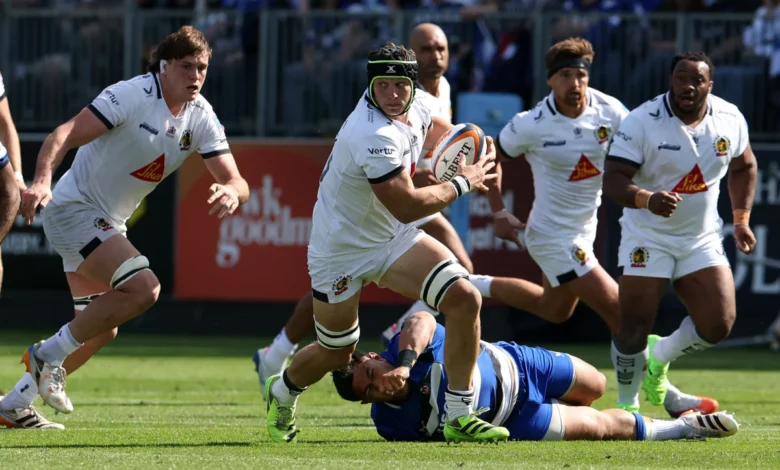
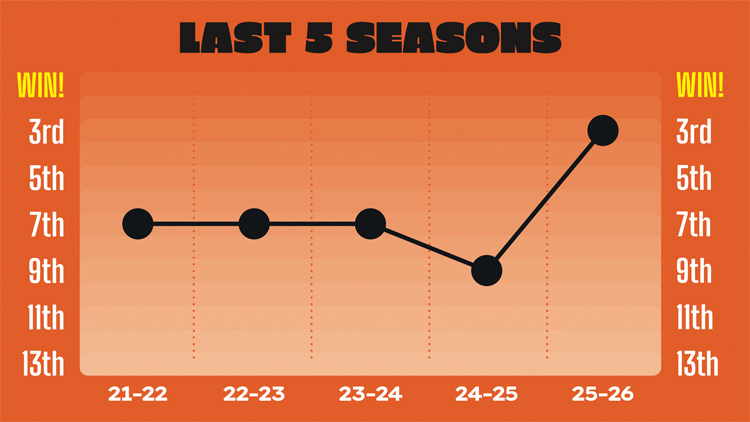
The Gallagher Premiership is set to roar back into life on Friday, September 25, bringing with it a renewed wave of expectation, high-stakes tactical battles, and fierce competition across English club rugby. Few teams enter the upcoming campaign with as compelling a narrative as the Exeter Chiefs. Following a turbulent a couple of years that tested the foundations of the Devon club, long-serving Director of Rugby Rob Baxter orchestrated a remarkable tactical and cultural turnaround last season. Shrugging off the disappointment of a second-bottom finish in the 2024-25 campaign, the Chiefs engineered a defiant resurgence that carried them all the way to the Gallagher Premiership play-off final at the Allianz Stadium. Though they ultimately fell short against a clinical Northampton Saints side, the campaign proved that Exeter’s strategic squad rebuilding has borne fruit far quicker than many pundits anticipated.
As the countdown to the 2026-27 season gathers momentum, the prevailing mood at Sandy Park is one of calculated optimism. Bolstered by fresh external investment from the owners of Premier League football side Bournemouth—the Black Knight group—Exeter enters the new term with enhanced financial stability and an expanded operational horizon. For a club historically built on shrewd recruitment, homegrown talent, and relentless collective work ethic, this injection of capital offers a vital safety net in an increasingly competitive professional landscape. With the opening fixtures locked in and the coaching ticket fully settled, the rugby world is watching closely to see if Baxter’s men can maintain their upward trajectory and secure a coveted top-four finish once more.
A Journey of Redemption: Reflecting on the 2025-26 Campaign
To understand Exeter’s prospects for the 2026-27 season, one must examine the stark contrast of their recent trajectory. The 2024-25 campaign was a sobering experience for the Devon faithful. Beset by injuries, an evolving squad dynamic, and inconsistent performances on the road, the Chiefs found themselves languishing near the foot of the table, finishing second-bottom. For a club accustomed to competing for European and domestic silverware, it was an unfamiliar and uncomfortable terrain.
However, the response from Rob Baxter and his coaching staff was swift and decisive. Rather than panic, the club doubled down on its identity. The 2025-26 season saw a hardened Exeter side re-establish Sandy Park as an absolute fortress while simultaneously tightening their defensive structures to suffocating effect. Statistical analysis from the previous regular season underscores this defensive renaissance: Exeter conceded the fewest line breaks (just 6.7 per match), the fewest tries (an average of three per game), and the lowest overall points tally (21 per match) across the entire Premiership.
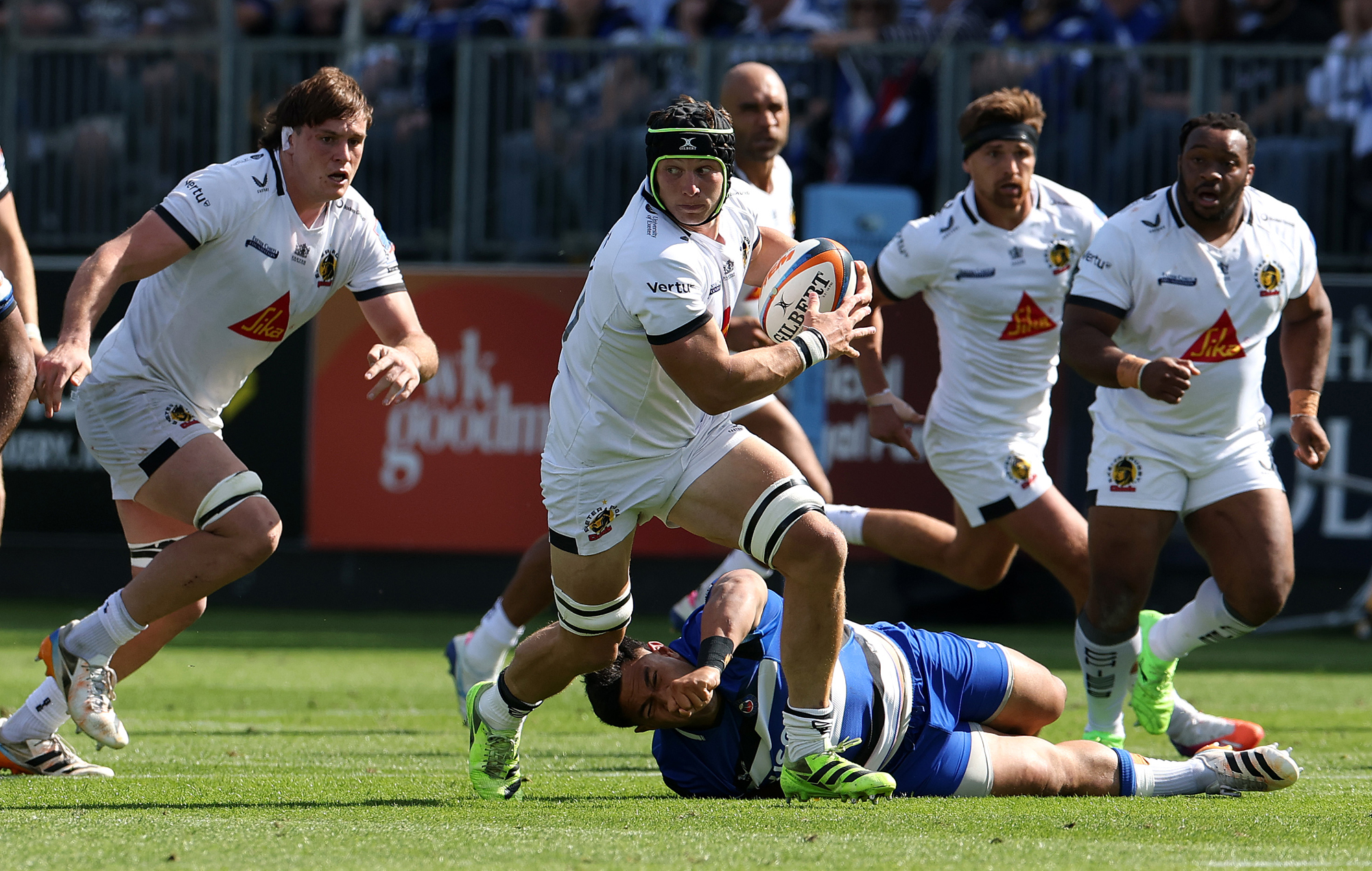
This defensive steel formed the bedrock of their run to the play-offs. Although the final defeat to Northampton left a bitter taste, the overriding emotion within the camp was pride in the squad’s resilience. The challenge for Baxter now is transitioning that resilience into ruthless consistency over a grueling 18-round domestic season, ensuring that last year’s final appearance serves not as a high-water mark, but as a stepping stone.
Squad Evolution: Recruitment, Departures, and Filling Key Voids
Every pre-season brings the inevitable churn of personnel, and Exeter’s preparations for the 2026-27 campaign have required careful navigation of several high-profile comings and goings. The most significant departure from Sandy Park is that of dynamic Wallabies centre Len Ikitau. His creativity, distribution, and defensive acumen in the midfield will be sorely missed, leaving a considerable void in Exeter’s backline. Furthermore, the departure of forward Christ Tshiunza to Sale Sharks—prompted by a combination of previous injury disruptions and inconsistent form, followed by a late-season upturn—leaves a noticeable gap in athletic, physical carrying capacity in the pack.
To offset these losses, Baxter and his recruitment team have looked both domestically and across the southern hemisphere with characteristic astuteness. The battle to secure the vacant number 13 jersey left by Ikitau promises to be one of the most compelling internal selection battles of the pre-season. New Kiwi recruit Dallas McLeod arrives with a reputation for uncompromising hard work and tactical intelligence, while former Bath centre Will Butt brings proven Premiership experience through the turnstiles at Sandy Park, offering immediate familiarity with the pace and physical demands of the English top flight.
Stability in the half-back department, however, provides a crucial anchor for the new arrivals. The burgeoning partnership between Italy scrum-half Stephen Varney and fly-half Harvey Skinner was one of the shining positives of the latter half of the previous season. Their ability to dictate tempo, manage territory, and complement each other’s skill sets will be vital if the Chiefs are to unlock opposing defences from the outset.
The Pillars of the Team: Henry Slade and the Rising Generation
At the heart of Exeter’s tactical blueprint remains veteran England centre Henry Slade. Rewarded recently with another enhanced central contract by the Rugby Football Union, Slade’s value to Rob Baxter’s side cannot be overstated. As the squad has undergone various phases of transition and generational renewal, Slade has remained the steady hand on the tiller. His distribution unlocks wider channels, his composure under pressure settles erratic passages of play, and his metronomic goal-kicking off the tee transforms pressure into scoreboard points. Beyond that, Slade’s trademark booming touch-finders remain one of the most effective momentum-shifting weapons in the Gallagher Premiership, routinely relieving defensive pressure and turning the field position battle in Exeter’s favor.

While Slade represents the experienced core of the team, the future of the club rests on an emerging generation of talent. Chief among them is 21-year-old back-rower Kane James, who enjoyed a breakthrough summer on the international stage by earning his first Wales cap during the Nations Championship fixtures in Argentina. Described by club insiders as a relentlessly physical presence in training—where teammates note that "when he hits you, you stay hit"—James represents the modern, dynamic forward prototype. While he faces intense competition for a starting berth within a formidable loose-forward pool that includes Ethan Roots, Greg Fisilau, and Italy international Ross Vintcent, Baxter has a proven track record of nurturing young talent. If given a sustained run of matches, James possesses all the attributes required to become a breakout star of the 2026-27 Premiership season.
Coaching Stability and Strategic Implications
Behind the white lines, the structural upheaval that characterized Exeter’s post-double era has given way to a settled, highly functional coaching ticket. Director of Rugby Rob Baxter continues to oversee the overarching strategy of the club, supported by a specialized and progressive backroom staff. Dave Walder directs the team’s attacking philosophies, Haydn Thomas oversees the rigorous defensive systems that yielded such impressive metrics last year, and Ross McMillan manages the forward pack. The coaching group is rounded out by assistant backs coach James Wilson and assistant forwards coach Glen Townson.
This continuity in the coaching box is a strategic advantage. In a league as fiercely competitive as the Gallagher Premiership, where margins between victory and defeat are often razor-thin, clarity of messaging and consistency in training methodologies pay dividends during the winter months when injuries mount and fixture congestion peaks.
Tactical Outlook and Away-Day Improvement
Historically, Sandy Park has been one of the most hostile venues for visiting teams in European rugby. The partisan crowd, the heavy turf, and Exeter’s suffocating forward-oriented game plan make picking up points in Devon an arduous task for any opponent. However, if the Chiefs are to realize their ambitions of lifting the Premiership trophy or securing a top-four finish, the primary tactical objective for the 2026-27 season must be an improvement in their away-day form.
Last season’s run to the final proved their capability at neutral venues and under knockout pressure, but sustained league success requires consistency on the road across hostile environments like Welford Road, Ashton Gate, and the StoneX Stadium. If Baxter’s men can translate their home dominance into a more clinical, points-accumulating travel record, they will pose a sustained threat to the league’s heavyweights over the 18-round marathon.
Season Prediction and Broader Context
As pundits and analysts cast their predictions ahead of the September 25 kickoff, the general consensus places Exeter firmly within the conversation for the play-offs. Bookmakers and experts currently view them as strong contenders, with odds hovering around 10-1 to claim ultimate glory.
Yet, the wider landscape of the Gallagher Premiership is shifting. Rivals such as Northampton Saints, Bath, Saracens, and Sale Sharks have all strengthened their respective squads, ensuring that the battle for the top four will be fiercer than ever. For Exeter Chiefs, the 2026-27 season is not merely about replicating the heroics of their previous campaign; it is about validating the club’s long-term vision under new ownership and proving that the famous Devon outfit belongs permanently at the summit of English rugby.
Related posts: