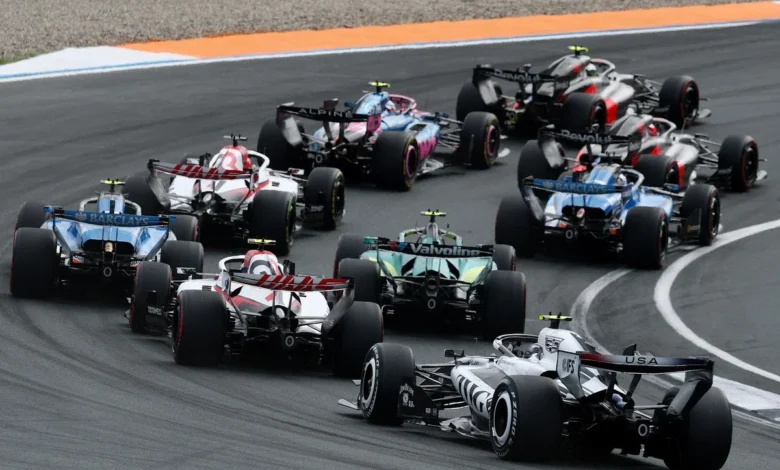
A Formula 1 Grand Prix is fundamentally defined by the requirement to exceed 305 kilometres in total distance, a standard that has governed the sport for decades. The race duration is calculated by completing the minimum number of laps necessary to surpass this 305-kilometre threshold, with the notable exception of the Monaco Grand Prix, which maintains a distinct 260-kilometre requirement due to the unique logistical constraints of the principality’s street circuit. Beyond distance, current FIA regulations impose a two-hour limit on actual racing time, while the total duration of an event—including red-flag periods and suspensions—is currently capped at three hours. However, the regulatory landscape is poised for a significant transformation in 2027, as the sport moves toward shorter, more efficient racing formats.
The Origins of Unregulated Endurance
When the Formula 1 World Championship was inaugurated in 1950, the concept of a standardized race distance was virtually non-existent. Race organizers acted with significant autonomy, often setting distances that would be considered grueling by modern standards. The inaugural 1950 British Grand Prix at Silverstone spanned 70 laps, totaling 325 kilometres, with Nino Farina taking the checkered flag after two hours and 13 minutes.
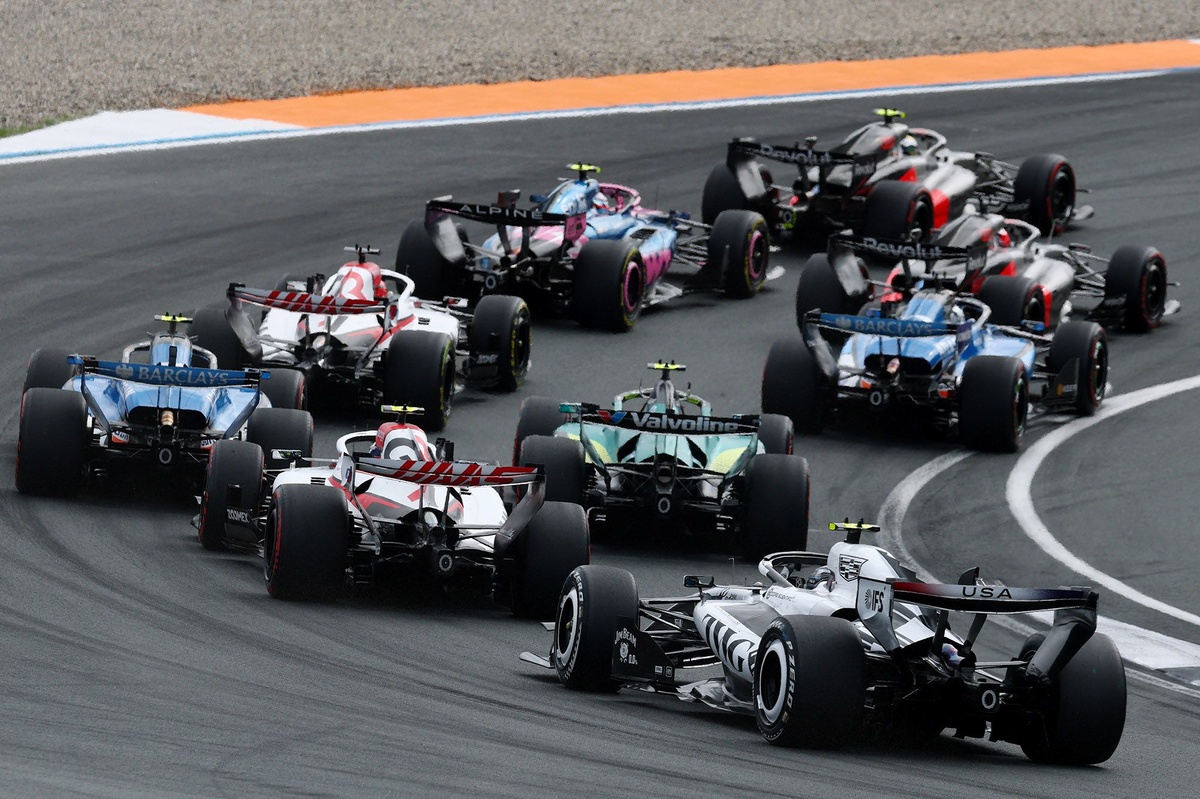
As the championship matured through the 1950s, the lack of uniformity became stark. The season finale that same year at Monza saw Farina endure 80 laps and 504 kilometres, keeping the drivers in their cockpits for nearly three hours. The most extreme outlier during this era was the inclusion of the Indianapolis 500 in the World Championship calendar from 1950 to 1960. At 200 laps and 805 kilometres, the Indy 500 remains the longest and most physically demanding race in the history of the F1 World Championship, a relic of a time when the sport prioritized endurance over the current emphasis on tactical sprint-style intensity.
Standardization and the 305-Kilometre Threshold
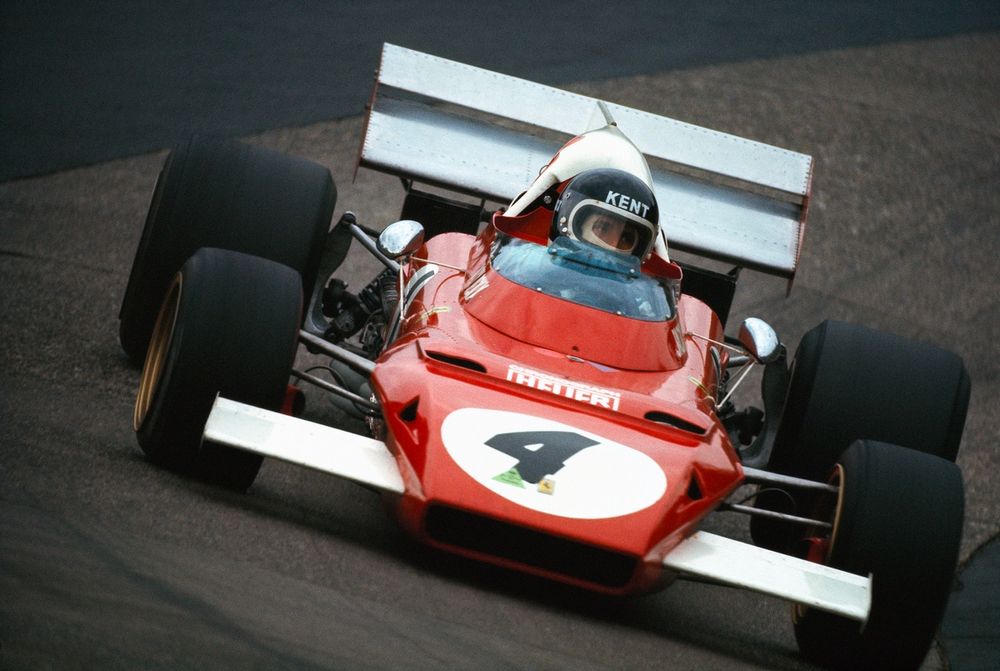
The first major push for consolidation occurred in 1958, when the FIA introduced stricter parameters, mandating that race distances fall between 300 and 500 kilometres with a maximum time limit of two hours. This framework remained fluid for years until 1971, when the maximum distance was effectively lowered to 322 kilometres. This period also saw the peak of the Nürburgring Nordschleife; in 1971, the German Grand Prix was restricted to just 12 laps, given the circuit’s immense 23-kilometre length.
It was not until 1989 that the modern 305-kilometre standard was codified. This decision was driven by the necessity of fitting a Grand Prix within a two-hour television window, balancing the commercial requirements of global broadcasting with the physical toll on drivers. Today, this principle dictates the lap counts for every circuit on the calendar. For instance, the high-speed Spa-Francorchamps circuit requires 44 laps to exceed the limit, whereas tighter, slower tracks like the Hungaroring require 70 laps.
The Monaco Exception
The Monaco Grand Prix stands as the singular anomaly in the current FIA rulebook. With a track length of just 3.337 kilometres, the narrow, twisty nature of the street circuit results in significantly lower average speeds compared to purpose-built tracks like Silverstone or Suzuka. If Monaco were forced to adhere to the 305-kilometre rule, the race would routinely exceed the two-hour limit, potentially disrupting logistical schedules and exhausting the drivers on one of the most mentally taxing tracks on the planet. By capping the distance at 260 kilometres, the FIA maintains the spirit of the event while ensuring it remains a viable part of the championship schedule.
Managing Interruptions: From Canada to Spa
The regulations governing race duration have often been reactive, shaped by extreme weather and safety concerns. The 2011 Canadian Grand Prix in Montreal served as a catalyst for change. The race was interrupted by torrential rain for approximately two hours, with the final race time clocking in at an unprecedented 4:04:39.537. The absurdity of a four-hour event prompted the FIA to introduce a four-hour total limit in 2012, which was subsequently reduced to three hours starting in 2021.
Conversely, the 2021 Belgian Grand Prix highlighted the dangers of the opposite extreme. Persistent rain at Spa-Francorchamps prevented any meaningful racing, with the field completing only one lap behind the Safety Car. The classification of that "race" and the subsequent awarding of half-points drew widespread criticism from fans and teams alike. This outcry led to a complete overhaul of the points system in 2022. Under current regulations, a race must have at least two laps of green-flag racing to award any points, with a sliding scale of points based on the percentage of the race distance completed. As of 2023, full points can be awarded even if a race is suspended and not fully resumed, provided a significant portion of the distance is covered.
The 2027 Shift: Strategic Implications
The upcoming 2027 season marks a pivot point for Formula 1, with the standard race distance set to decrease from 305 kilometres to 290 kilometres. While this may seem like a modest reduction—equating to roughly two to three laps per race—it is a calculated strategic move by the FIA and the Formula 1 Commission.
The primary driver for this change is the evolution of power unit technology. Starting in 2026, the sport will transition to a power unit architecture where roughly 50 percent of the output is generated by the electric motor. Drivers have expressed concerns that the energy management required for these units could lead to a "yo-yo effect," where the constant harvesting and deployment of energy detracts from pure racing.
By adjusting the power unit balance in 2027 to 58 percent internal combustion and 42 percent electrical—and further to 60/40 in 2028—the FIA aims to mitigate these concerns. However, this adjustment increases fuel consumption. Rather than forcing teams to redesign their chassis to accommodate larger fuel tanks, the governing body opted to reduce the total race distance. This ensures that the 2026-spec cars remain competitive and cost-effective, while simultaneously shortening the race duration to keep the on-track action focused and intense.

The "Hard Stop" Proposal
Beyond distance, the 2027 regulation change includes the elimination of the three-hour total time limit, which will be replaced by a "hard stop" for all racing activities. While the two-hour limit on active racing time will remain, the move toward a firm conclusion for the event suggests a desire to prevent the marathon-like scenarios seen in the past.
Critics and supporters alike view this as a balancing act. Stefano Domenicali, the President and CEO of Formula 1, has previously floated various ideas regarding race formats, including the potential for shorter, more explosive Grand Prix events. While the 290-kilometre target for 2027 is a technical necessity born from power unit constraints, it also aligns with a broader trend in global sports to optimize content for modern attention spans and consumption habits.
Conclusion
The evolution of the Grand Prix from a multi-hundred-kilometre endurance test in the 1950s to a precisely calibrated 305-kilometre sprint today reflects the technological and commercial maturation of Formula 1. As the sport prepares for the 2027 transition, the focus remains on maintaining the integrity of the racing while adapting to the realities of advanced hybrid power units. Whether this reduction to 290 kilometres will be a permanent fixture or a stepping stone toward even shorter, more frequent high-intensity events remains a subject of ongoing debate within the FIA and the paddock. What is clear, however, is that the sport continues to prioritize the balance between the historical prestige of the Grand Prix and the practical demands of a modern, fast-paced championship.