Flock Safety Announces Voluntary Buyout Program Amid Severe Public Backlash and Surging Privacy Scrutiny

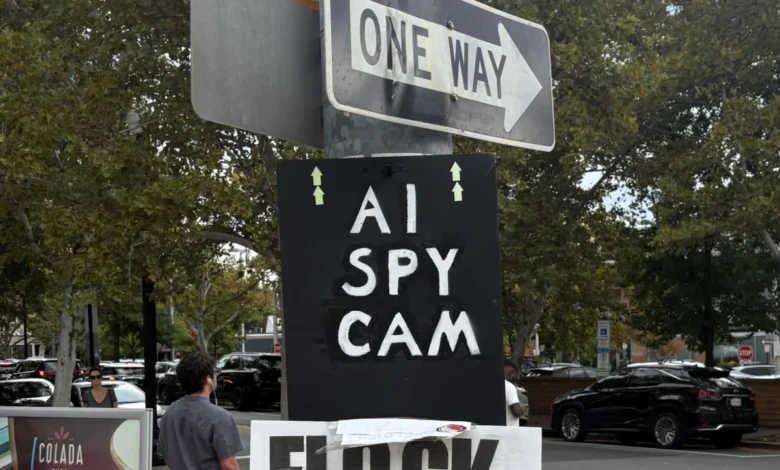
Embattled surveillance and automated license plate recognition (ALPR) technology provider Flock Safety has announced a sweeping voluntary buyout program for its approximately 1,500-person workforce. According to internal communications reviewed by industry media, the company has characterized the severance packages as the most generous in its corporate history. Company leadership reportedly anticipates widespread participation, indicating that the majority of employees who apply for the voluntary departure program will be approved.
This strategic downsizing comes at a critical juncture for the startup, which has faced mounting public criticism, legislative pushback, and the rapid cancellation of municipal contracts across the United States. By opting for voluntary buyouts, Flock Safety aims to manage internal workforce dynamics and mitigate the effects of plummeting staff morale, while simultaneously staving off the necessity of mandatory, involuntary layoffs.
The Genesis and Expansion of Flock Safety
Founded with the mission to eliminate crime through the deployment of networked, solar-powered cameras and advanced machine-learning algorithms, Flock Safety experienced rapid growth over the years. The company’s core product captures high-resolution images of passing vehicles, logging license plates, vehicle makes, models, colors, and specific identifying features such as bumper stickers or roof racks. This data is instantly cross-referenced against criminal databases, hotlists, and state or local law enforcement records to alert authorities in real time regarding stolen vehicles, missing persons, or warrants associated with a registered owner.
Law enforcement agencies embraced the technology enthusiastically, viewing it as a force multiplier that allowed understaffed police departments to monitor vast geographic footprints. Homeowners associations and private neighborhoods also adopted the system, creating a vast, interconnected web of private and public surveillance infrastructure. However, this aggressive expansion laid the groundwork for severe friction between public safety imperatives and fundamental civil liberties. Privacy advocacy groups, civil rights organizations, and local communities began raising alarms over the lack of stringent oversight, data retention policies, and the potential for scope creep.
Chronology of a Crisis: The Escalation in 2026
The challenges facing Flock Safety intensified dramatically over the summer of 2026, triggered by investigative journalism and a subsequent wave of political and civic reactions.
In early August 2026, a comprehensive investigative report published by The Washington Post brought the misuse of the technology into sharp national focus. The report identified 46 distinct instances in which police officers allegedly abused their access to the Flock camera network. The documented abuses included using the surveillance infrastructure to track and stalk estranged wives, girlfriends, and ex-partners. These revelations shattered the narrative that the technology was exclusively utilized for legitimate law enforcement investigations, highlighting systemic vulnerabilities in how agencies vet and monitor employee access to sensitive surveillance tools.
The fallout was swift and severe. Local governments, which had previously welcomed the technology as a panacea for property crime and vehicular theft, began reassessing their contracts. Municipalities nationwide terminated their agreements with Flock Safety at an unprecedented pace. An anti-surveillance advocacy organization tracking the industry reported that approximately 90 cities canceled their Flock contracts during the month of August alone—representing a staggering fourfold increase compared to the cancellation rate recorded just one month prior.
State-level authorities also stepped in to stem the deployment of the startup’s hardware. Regulators and policymakers in major states, most notably Florida and Texas, formally announced measures to block or restrict the ongoing utilization of Flock cameras, citing deep-seated privacy concerns and the inadequacy of existing safeguards against domestic surveillance and abuse.

Internal Morale and the Human Cost of Controversy
The compounding public relations disaster and the abrupt termination of lucrative government contracts have taken a profound toll on Flock Safety’s internal culture. In a recent appearance on the All-In podcast, Flock Safety CEO Garrett Langley addressed the crisis head-on, acknowledging that the intense public backlash had inflicted severe damage. Langley specifically pointed to internal morale as the single largest casualty of the ongoing scrutiny, noting that employees found themselves caught in the crossfire of a fierce national debate over digital privacy, policing, and mass surveillance.
Industry observers note that the voluntary buyout program serves a dual purpose for the company. Financially, it provides a structured mechanism to right-size the organization as municipal revenue streams contract due to mass contract cancellations. Culturally, it offers an off-ramp for employees who may feel demoralized or conflicted about working for a company at the center of a major civil rights controversy. Without the implementation of these voluntary buyouts, industry analysts suggest that Flock Safety would have been forced to initiate widespread, involuntary layoffs to recalibrate its cost structure to match its diminished market footprint.
Broader Implications for the Surveillance Tech Industry
The crisis enveloping Flock Safety underscores a broader, systemic reckoning within the American law enforcement technology sector. As private corporations increasingly blur the lines between public policing and private data collection, questions regarding constitutional protections, data security, and democratic accountability have taken center stage.
The misuse cases highlighted by investigative reports emphasize the critical need for strict regulatory frameworks governing automated license plate readers and predictive policing tools. Historically, ALPR technology has occupied a regulatory gray area, with fewer statutory restrictions compared to facial recognition or biometric surveillance. However, the events surrounding Flock Safety are likely to serve as a catalyst for legislative reform at both the state and federal levels, with lawmakers demanding mandatory audits, tighter access controls, and transparent data-sharing protocols.
Furthermore, the rapid unravelling of municipal partnerships demonstrates that public trust is a fragile and essential commodity for tech startups operating in the public safety arena. When that trust is fractured by institutional abuse or inadequate internal controls, municipalities and state governments face immense political pressure to sever ties, regardless of the perceived utility of the tools in question.
Outlook for Flock Safety
As Flock Safety processes the anticipated wave of voluntary departures, the company faces a formidable path toward rehabilitation. Restoring consumer and municipal confidence will require more than financial restructuring and workforce reduction; it demands demonstrable, structural changes to how data is accessed, audited, and protected from abuse.
Whether the company can successfully weather the current storm and rebuild its reputation remains an open question. For now, the focus within Flock’s headquarters is on navigating the immediate human and operational transition, as the surveillance tech pioneer confronts the sobering realities of a marketplace increasingly intolerant of unchecked privacy intrusions.