Netflix Confirms $587 Million Cash Acquisition of Ben Affleck’s AI Filmmaking Startup InterPositive Amidst Broad AI Integration

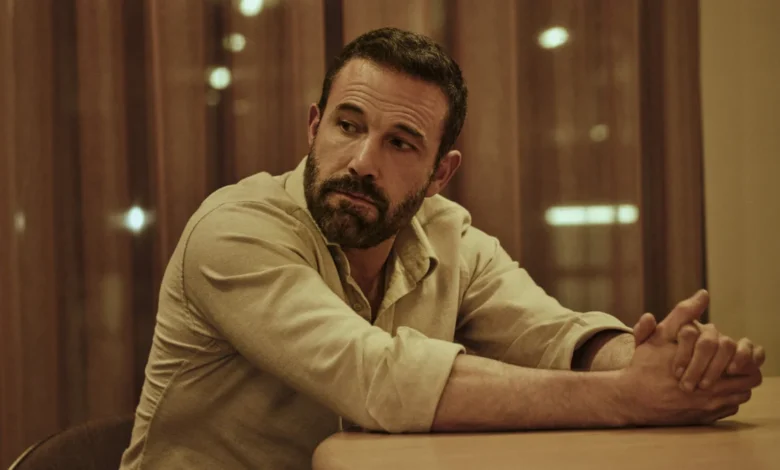
In a recent regulatory filing, streaming giant Netflix has officially disclosed a cash payment of $587 million for InterPositive, an artificial intelligence startup co-founded by acclaimed actor and director Ben Affleck. The revelation puts a concrete figure on an acquisition that was initially announced in March, underscoring Netflix’s aggressive push into integrating advanced AI technologies across its content production pipeline. This significant investment highlights a pivotal moment in the entertainment industry, as major studios increasingly look to AI to enhance efficiency, streamline post-production, and potentially redefine the creative process.
The journey to this disclosure began several months prior, when Netflix first announced its intent to acquire InterPositive. At the time, specific financial terms of the deal were kept confidential, sparking considerable speculation within industry circles. A subsequent report from Bloomberg suggested that the transaction could be valued at up to $600 million, a figure that the new regulatory filing has now largely corroborated, confirming a substantial cash outlay of $587 million. This transparency, mandated by SEC regulations for public companies, provides crucial insight into Netflix’s strategic investments in emerging technologies.
InterPositive’s Vision and Technology: Bridging Human Creativity with AI
At the heart of InterPositive’s appeal to Netflix is its specialized suite of AI tools designed to assist filmmakers in the post-production phase. According to Ben Affleck, who also serves as a co-founder, the startup’s technology aims to "protect the power of human creativity." This statement is particularly resonant given the ongoing debates and anxieties surrounding AI’s potential impact on creative professions. Affleck elaborated that InterPositive’s AI helps address "real-world production challenges such as missing shots, background replacements or incorrect lighting." These capabilities are crucial in an industry where production schedules are tight, budgets are under constant scrutiny, and the pursuit of visual perfection is paramount.
The practical applications of InterPositive’s technology could range from subtle enhancements to significant logistical solutions. Imagine a scene where an unexpected shadow falls across an actor’s face, or a background element proves distracting. Traditionally, such issues might require costly reshoots, extensive manual digital manipulation, or even compromise the final cut. InterPositive’s AI could potentially automate or significantly accelerate these fixes, allowing creative teams to maintain their original vision without being derailed by unforeseen on-set issues. This focus on augmenting, rather than replacing, human creative input aligns with Affleck’s stated mission to safeguard artistic integrity while leveraging technological advancements.
Upon the acquisition’s completion, Netflix announced that the entire InterPositive team would transition to the streaming giant, with Ben Affleck assuming a senior advisory role. This integration suggests a deep commitment from Netflix to not only acquire the technology but also retain the expertise and vision behind it. Affleck’s continued involvement, especially in an advisory capacity, lends significant credibility to the venture and ensures that the original ethos of InterPositive — balancing innovation with creative protection — remains central to its development within Netflix.
Netflix’s Expanding AI Footprint: A Strategic Imperative
The acquisition of InterPositive is not an isolated incident but rather a significant component of Netflix’s broader, more aggressive strategy concerning artificial intelligence. In its most recent earnings report, the company revealed that approximately 300 of its titles have already incorporated generative AI in some capacity this year. This statistic underscores the pervasive integration of AI across Netflix’s content ecosystem, from development to production and distribution.
The applications of generative AI within Netflix are likely diverse. Beyond InterPositive’s post-production capabilities, generative AI could be employed in various stages of content creation:
- Script Development: Assisting writers with brainstorming, character development, or generating dialogue variations.
- Concept Art and Pre-visualization: Rapidly creating visual concepts for sets, costumes, or special effects, speeding up the pre-production phase.
- Voice Synthesis and Localization: Generating natural-sounding voices for dubbing or creating synthetic voices for non-speaking characters.
- Minor Visual Effects: Automating the creation of crowd scenes, environmental details, or specific digital assets.
- Personalized Content Recommendations: Refining algorithms that suggest content to subscribers, although this is more analytical AI than generative.
- Marketing and Promotion: Generating tailored promotional materials or ad copy.
This widespread adoption reflects a strategic imperative for Netflix. In an increasingly competitive streaming landscape, characterized by rising content costs and the need for constant innovation to attract and retain subscribers, AI offers a potent solution. By enhancing efficiency, reducing production timelines, and potentially lowering costs associated with post-production and visual effects, AI can help Netflix maintain its prodigious content output while optimizing its financial performance. The goal is to produce high-quality content more effectively, thereby solidifying its market position against rivals like Disney+, Max, Amazon Prime Video, and Apple TV+.
The Broader Industry Context: Hollywood and the AI Revolution
Netflix’s substantial investment in InterPositive and its widespread integration of AI occur within a larger, often contentious, industry-wide embrace of artificial intelligence. The past year has seen significant debates, particularly during the Hollywood writers’ (WGA) and actors’ (SAG-AFTRA) strikes, where the role and regulation of AI were central negotiating points. Concerns over job displacement, intellectual property rights, and the ethical use of AI in replicating human performances dominated discussions.
The resulting agreements included clauses specifically addressing AI, reflecting a cautious but inevitable acceptance of the technology. For instance, the WGA agreement placed restrictions on AI being used to write or rewrite literary material and stipulated that AI-generated material cannot be considered "source material" that would diminish writers’ credits or compensation. Similarly, SAG-AFTRA secured protections regarding the use of actors’ digital likenesses and voices, requiring consent and fair compensation for AI-generated performances.
Against this backdrop, InterPositive’s focus on "protecting human creativity" resonates deeply. It positions AI not as a replacement for human talent but as a sophisticated tool that empowers filmmakers to overcome technical hurdles and realize their creative visions more fully. This narrative is crucial for Netflix as it navigates the delicate balance between technological advancement and maintaining the trust of the creative community. Other studios and production houses are also exploring AI, with companies like Disney and Warner Bros. Discovery reportedly investing in various AI-driven solutions for script analysis, animation, and personalized content delivery. The race to leverage AI for competitive advantage is well underway across the entertainment sector.
Financial and Strategic Implications for Netflix
The $587 million cash payment for InterPositive is a significant financial commitment, even for a company of Netflix’s scale. In the context of its overall investment strategy, it signals a high-priority area for future growth and operational optimization. For perspective, while not in the same league as mega-mergers, this acquisition is a substantial venture capital-style investment in a specific technology vertical. It suggests that Netflix sees a clear return on investment, likely through a combination of:
- Cost Savings: Reducing expenses associated with reshoots, extensive manual post-production, and outsourcing specialized VFX tasks.
- Increased Efficiency: Accelerating production timelines, allowing for more content to be produced or existing content to be delivered faster.
- Enhanced Content Quality: Ensuring a higher standard of visual polish and consistency across its vast library, contributing to subscriber satisfaction.
- Competitive Advantage: Developing proprietary AI tools that could differentiate Netflix’s production capabilities from its rivals.
Furthermore, acquiring a company co-founded by a high-profile figure like Ben Affleck brings an additional layer of strategic value. Affleck’s credibility as both an artist and a businessman can help bridge the gap between technological innovation and the creative community, fostering greater acceptance and collaboration. His advisory role ensures that the AI development is guided by practical filmmaking experience, aiming for tools that are genuinely useful and creatively empowering rather than merely technologically impressive.
Ethical and Creative Considerations: The Road Ahead
Despite the clear strategic advantages, the deeper integration of AI into filmmaking raises profound ethical and creative questions. While InterPositive’s stated goal is to "protect human creativity," the broader application of generative AI continues to fuel debates:
- Job Displacement: Will AI tools, even those designed to assist, eventually reduce the need for certain human roles in post-production, visual effects, and even writing?
- Creative Authorship: As AI generates more elements of a film, where does true authorship lie? How does it affect the unique voice and vision of human artists?
- Authenticity and Originality: Could an over-reliance on AI lead to a homogenization of content or a dilution of originality, as algorithms might favor popular tropes or predictable outcomes?
- Intellectual Property: Who owns the rights to content generated by AI, especially if it draws from existing human-created works?
Netflix and InterPositive will need to navigate these complex issues carefully. The company’s transparency regarding AI usage (e.g., "300 titles") is a step towards open communication, but ongoing dialogue with guilds, creators, and the public will be essential. The success of InterPositive, and Netflix’s broader AI strategy, will ultimately depend not just on technological prowess but also on its ability to demonstrate that these tools genuinely serve to elevate human storytelling rather than diminish it.
Looking ahead, the acquisition of InterPositive marks a significant milestone in the convergence of technology and entertainment. It signals Netflix’s intent to remain at the forefront of content innovation, leveraging AI to enhance every aspect of its production lifecycle. As the industry watches closely, the effectiveness of InterPositive’s tools and the broader implications of Netflix’s AI strategy will undoubtedly shape the future of filmmaking for years to come.