A Decade Before Diagnosis: Scientists Uncover Hidden Immune System Patterns That Predict Inflammatory Bowel Disease

The landscape of gastroenterology may be on the cusp of a paradigm shift, as new research presented at UEG Week 2026 reveals that the immune system leaves a detectable, years-long trail of breadcrumbs before the clinical onset of inflammatory bowel disease (IBD). By analyzing blood serum samples spanning a decade, researchers have identified distinct antibody signatures that not only distinguish future Crohn’s disease and ulcerative colitis patients from healthy individuals but also provide insight into the potential severity of the disease years before a patient presents with their first symptoms.
The Silent Progression of IBD
Inflammatory bowel disease—a collective term for Crohn’s disease (CD) and ulcerative colitis (UC)—is characterized by chronic, relapsing inflammation of the gastrointestinal tract. Historically, clinicians have viewed these conditions as disorders diagnosed following the emergence of debilitating symptoms such as chronic diarrhea, abdominal pain, and weight loss. However, the prevailing medical consensus has increasingly shifted toward the "pre-clinical phase" hypothesis, which suggests that the pathological processes driving IBD are initiated long before a formal diagnosis is recorded in a patient’s medical chart.
Until recently, this "silent period" remained a black box for researchers. Understanding the specific immunological shifts during this window is critical, as it offers a window of opportunity for early intervention that could fundamentally alter the trajectory of the disease. The findings presented at UEG Week 2026 provide the most comprehensive evidence to date that these changes are not merely a reaction to active disease, but rather a predictive precursor to it.
A Decade of Retrospective Analysis
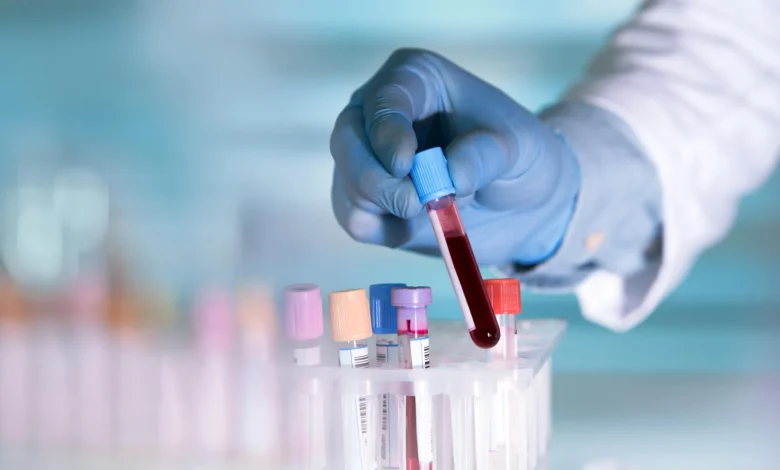
To map these immune shifts, a research team conducted an extensive retrospective study involving 2,000 blood serum samples derived from 500 individuals. The cohort was meticulously structured to include 200 patients who would eventually be diagnosed with Crohn’s disease, 200 who would be diagnosed with ulcerative colitis, and a control group of 100 healthy individuals matched for age and sex.
The strength of this study lies in its longitudinal reach. By accessing stored biobank samples from the time of diagnosis and from points approximately two, four, and ten years prior, the researchers were able to perform a chronological "rewind" of the participants’ immune health. The team screened for antibody reactions against a vast library of 357,000 antigens, covering a spectrum of biological targets including viral particles, bacterial components, dietary proteins, and autoantigens—proteins within the human body that the immune system erroneously identifies as threats.
The results of this screening were substantial, identifying 123,980 unique antibodies across the dataset. The analysis revealed a clear trend: as the timeline moved closer to the eventual date of diagnosis, the diversity of the participants’ antibody responses consistently narrowed compared to their healthy counterparts. This reduction in immune diversity serves as a hallmark signal that the immune system is beginning to focus its resources on specific, potentially harmful targets long before clinical damage to the intestinal lining becomes apparent.
Distinctive Signatures for Disease Subtypes
One of the most clinically relevant findings of the study is the differentiation between Crohn’s disease and ulcerative colitis. The immune system, it appears, writes a different "signature" depending on which form of IBD will eventually manifest.
In individuals who went on to develop Crohn’s disease, the researchers observed a marked elevation in antibody responses to herpesviruses and bacterial flagellin. Flagellin, a protein constituent of the motile appendages used by certain bacteria to navigate the gut environment, appears to act as a significant trigger. Notably, these elevated responses were most pronounced in patients who later presented with complicated disease, such as strictures or penetrating lesions, or those whose disease was localized to the ileum.
Conversely, the pattern for ulcerative colitis involved a distinct set of immune markers. These patients exhibited increasing reactivity to autoantigens—a hallmark of autoimmunity—alongside elevated responses to herpesviruses. Across both conditions, a consistent decline in antibodies targeting encapsulated bacteria was observed as the diagnosis date approached, suggesting a systemic shift in how the body manages commensal and environmental microorganisms.
Machine Learning and Predictive Precision
To determine the utility of these findings, the researchers deployed machine learning algorithms to process the complex, high-dimensional data. The goal was to assess whether these antibody patterns could reliably distinguish future IBD patients from healthy individuals.
The predictive power of the models was high. For Crohn’s disease, the machine learning models achieved an area under the curve (AUC) of 0.90 using data from up to a decade before diagnosis. For ulcerative colitis, the models performed with an AUC of 0.84. Perhaps most impressively, the researchers were able to predict the likelihood of "complicated" Crohn’s disease—a severe subset of the condition—with an AUC of 0.85, ten years before the diagnosis.
The AUC metric, which ranges from 0.5 (random chance) to 1.0 (perfect prediction), indicates that these immune markers possess significant diagnostic potential. The ability to predict not just the presence of disease, but the potential severity, could eventually revolutionize how doctors approach IBD, shifting from reactive treatment to proactive, personalized management.
The Path to Clinical Validation
Despite the excitement surrounding these findings, the scientific community maintains a measured stance regarding immediate clinical application. Lead author Dr. Arno Bourgonje emphasized that while this study establishes a vital "proof of principle," it is not yet ready to be deployed as a routine screening tool in primary care or gastroenterology clinics.
"Finding these patterns so early points to the potential of antibody profiling to support earlier risk detection, distinguish between disease subtypes, and help identify patients who may benefit from more intensive therapy as early as possible," Dr. Bourgonje stated. However, he noted that the next steps involve a rigorous validation process.
The research team outlined several key requirements before such a blood test could be implemented in a clinical setting:
- Validation in Diverse Populations: The current findings must be replicated in larger, more diverse cohorts that include varying genetic backgrounds, dietary habits, and geographic locations to ensure the findings are universally applicable.
- Clinical Utility Assessment: It remains to be determined whether antibody profiling provides an additive benefit to existing diagnostic tools, such as genetic screening, fecal calprotectin levels, and standard clinical histories.
- Reproducibility and Affordability: Any potential test must be translated from a high-tech research platform into a standardized, cost-effective assay that can be performed in hospital laboratories.
- Outcome-Based Evidence: Ultimately, any new diagnostic marker must be shown to improve patient outcomes—whether by delaying disease progression, reducing the need for surgery, or improving the efficacy of early-stage therapeutic interventions.
Broader Implications for Gastroenterology
The implications of this research extend far beyond the identification of a diagnostic marker. By confirming that the immune system is actively signaling the development of IBD a decade in advance, the study challenges the traditional view of the disease as an acute, sudden-onset event. It suggests that there is a prolonged period of "immune dysregulation" that could potentially be interrupted if we knew what to look for and how to intervene.
If future studies confirm these patterns, the medical community might eventually move toward a model of "stratified prevention." Individuals identified as being at high risk through such blood tests could be monitored more closely, given guidance on environmental and dietary factors that might delay or prevent disease progression, or even offered early-stage biological therapies to dampen the immune response before significant intestinal inflammation takes hold.
As the field of precision medicine continues to evolve, the integration of high-dimensional immune profiling into clinical practice represents a promising frontier. While the prospect of a blood test predicting gut disease ten years in advance is still in the research phase, the data presented at UEG Week 2026 marks a significant step toward a future where we can stop inflammatory bowel disease before it starts.