Climate finance pledges for developing nations plummet by over 70 percent as major donors retreat

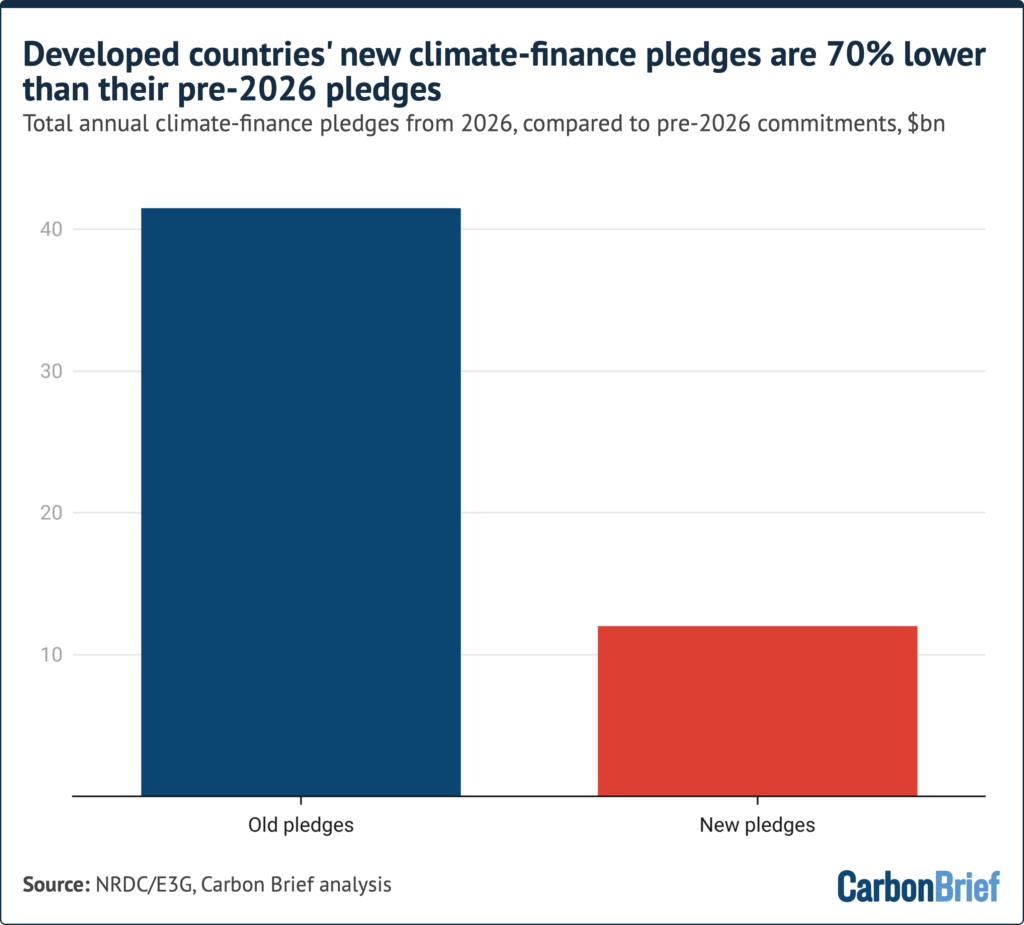
The global effort to combat climate change in the developing world has hit a precarious impasse, with new data revealing a staggering 71% collapse in public funding pledges for the post-2026 period. According to a comprehensive analysis by Carbon Brief, based on tracking data from the Natural Resources Defense Council (NRDC) and E3G, the annual volume of committed public climate finance has cratered from approximately $40 billion to just $11.7 billion. This sharp decline arrives at a critical juncture, as delegates gather in Turkey for the COP31 summit, intensifying concerns regarding the ability of vulnerable nations to mitigate emissions and adapt to the accelerating impacts of global warming.
The current financial shortfall is not merely a budgetary oversight; it represents a significant shift in international cooperation. Under the foundational principles of the Paris Agreement, developed nations are tasked with providing essential financial support to the Global South. This assistance is intended to facilitate the transition to green energy, bolster infrastructure resilience, and provide a lifeline for disaster relief. Historically, this goal was pursued through multi-year pledges that offered predictability to recipient countries. However, with the vast majority of these commitments expiring in 2025, a vacuum has emerged, characterized by political instability in major donor nations and a broader retrenchment from international climate obligations.
A Chronology of Climate Finance Erosion
The erosion of these commitments did not occur in a vacuum. To understand the current crisis, one must look at the progression of financial pledges over the last decade. Following the 2015 Paris Agreement, the international community established a goal for developed nations to mobilize $100 billion annually in climate finance. While this target was met with varying degrees of success, it created a momentum that appeared to be accelerating toward the $300 billion annual target agreed upon just two years ago, intended to be achieved by 2035.
In 2021, at the COP26 summit, a wave of multi-year pledges provided a sense of security for developing nations. These commitments were set to run through 2025. As 2026 approached, the geopolitical landscape transformed. The United States, a historically significant contributor, underwent a major political shift. Under the current administration, the U.S. has officially withdrawn from international climate efforts and moved to dismantle its foreign aid climate-related portfolios. This withdrawal, combined with fiscal austerity measures across Europe and the rise of nationalist political movements, has effectively sidelined the momentum that was present at the turn of the decade.
The Data Behind the Deficit
The fiscal data reveals a stark reality. Of the key contributors—Japan, Germany, France, the United Kingdom, and the United States—only the United Kingdom has formalized a new multi-year pledge. Even the UK’s commitment is subject to scrutiny; while it has pledged £6 billion in aid-related climate finance, it has bundled this with an additional £6.7 billion from non-aid budgets. When analyzed on a like-for-like basis, even this pledge represents a contraction in ambition compared to previous cycles.
Germany and France, previously the engines of European climate finance, have notably failed to set out post-2026 plans. Both nations have recently grappled with domestic budgetary constraints, leading to significant cuts in international development assistance. Germany, in particular, missed its 2025 climate-finance target, a development that signals the broader trend of domestic fiscal pressures overriding international commitments.
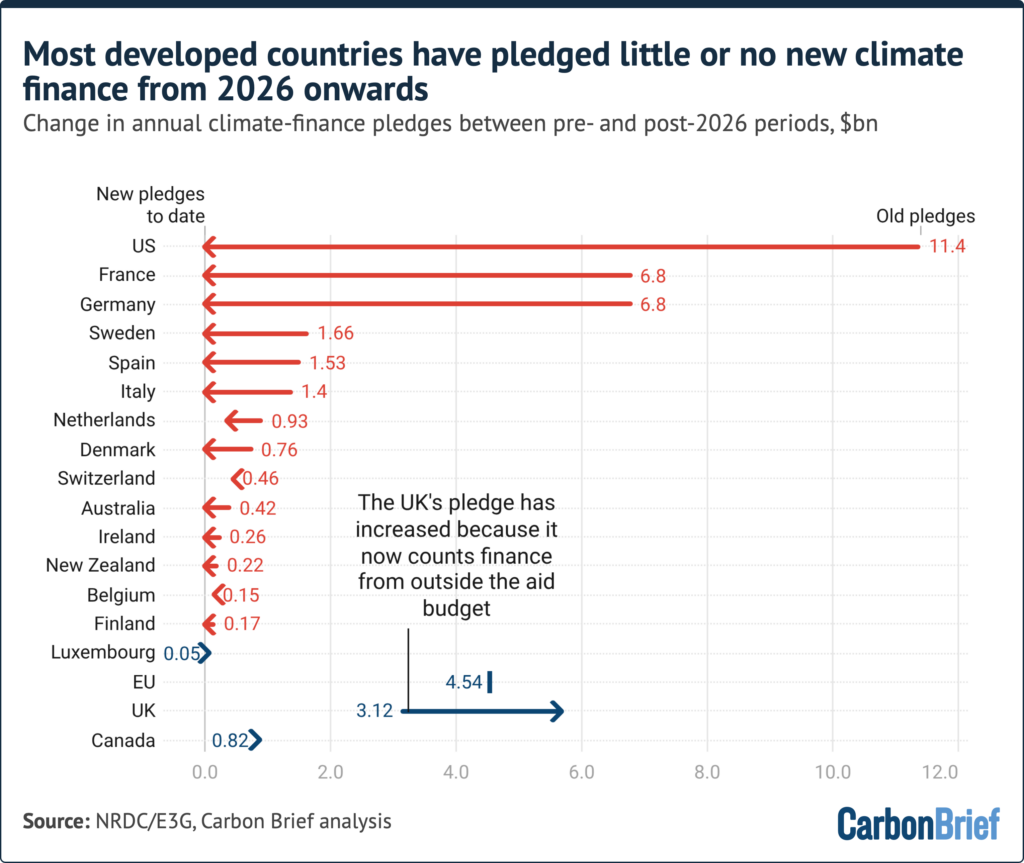
Japan, which has traditionally been the largest provider of public climate finance, has not yet issued a formal, multi-year target. Because Japan’s historical model relied on bundling private-sector mobilization with public spending, it has proven difficult to quantify its current public-sector ambition, though the lack of a clear, renewed multi-year pledge is viewed by many analysts as a negative signal for the international community.
Official Responses and Diplomatic Friction
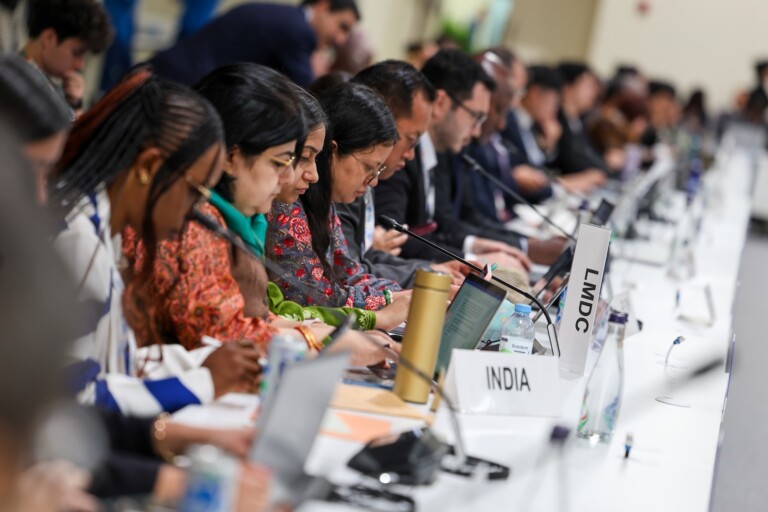
The atmosphere at COP31 is marked by palpable tension. Developing nations, organized through blocs like the G77 and China, have utilized the summit to highlight the urgent need for clarity. The "climate-finance work programme," a core agenda item at the summit, has become the focal point of these discussions. Developing nations are demanding a concrete roadmap for how the $300 billion target will be met, arguing that the lack of public funding makes the current climate targets practically impossible to reach.
Conversely, the European Union has maintained a defensive posture. EU climate officials, including Wopke Hoekstra, have been clear that fresh funding is not currently on the table, citing the "record" levels of support provided in 2025 as evidence of their commitment. The EU’s stance—that developing nations must first submit their own robust, updated plans for emissions reductions—has created a "chicken-and-egg" diplomatic stalemate.
"The lack of new announcements is making the finance negotiations tougher than they need to be," notes Joe Thwaites, international climate finance director at the NRDC. "The debate is arising because developing countries have little to no visibility on how much public climate finance will be available in the coming years. Developed countries would be wise to demonstrate how they intend to maintain their leadership."
Broader Implications for Global Stability
The implications of this funding shortfall extend far beyond the balance sheets of environmental ministries. In the short term, the absence of promised finance threatens to derail renewable energy projects currently in the pipeline in Africa, Southeast Asia, and Latin America. Many of these projects are contingent on "blended finance" models, where public funds serve as a derisking mechanism for private capital. Without the initial public injection, private investors are likely to retreat, stalling the global energy transition.
Furthermore, the failure to provide adequate climate finance undermines the credibility of the international rules-based order. When developed nations fail to honor the spirit of the Paris Agreement, it provides political cover for emerging economies to delay their own climate actions. This, in turn, exacerbates the risk of global warming, leading to more frequent and intense climate disasters, which eventually translate into increased global security threats, migration pressures, and economic volatility.
The rise of the far-right in several European nations, combined with the U.S. isolationist stance, suggests that this funding drought may be structural rather than cyclical. For the duration of the 2020s, the world may be entering an era where the "Paris pledge" model is no longer the primary vehicle for climate action, replaced by a more fragmented and unpredictable system of bilateral, project-specific funding.
Looking Ahead: The Path Forward
As COP31 progresses, the focus will likely remain on the tension between the ambitious goals set in previous years and the austere reality of 2026. The potential for a breakthrough remains slim without a major recalibration from key donors. While the Netherlands has signaled that it will provide "at least" €300 million annually through 2031, and Luxembourg has made a modest commitment, these figures are insufficient to close the $30 billion annual gap created by the expiration of previous pledges.
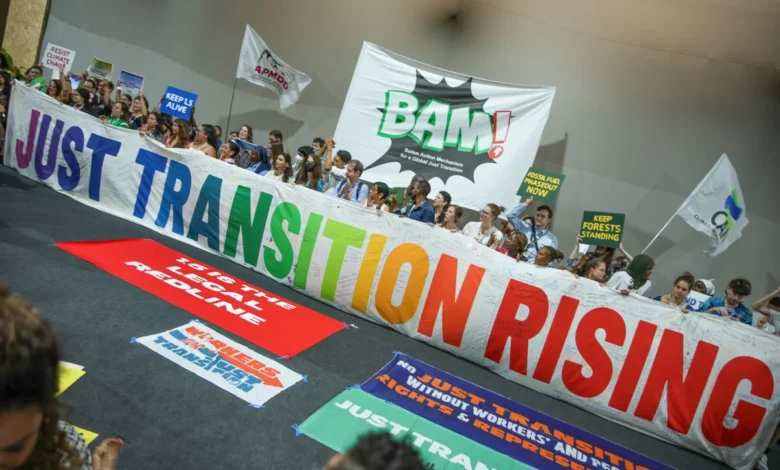
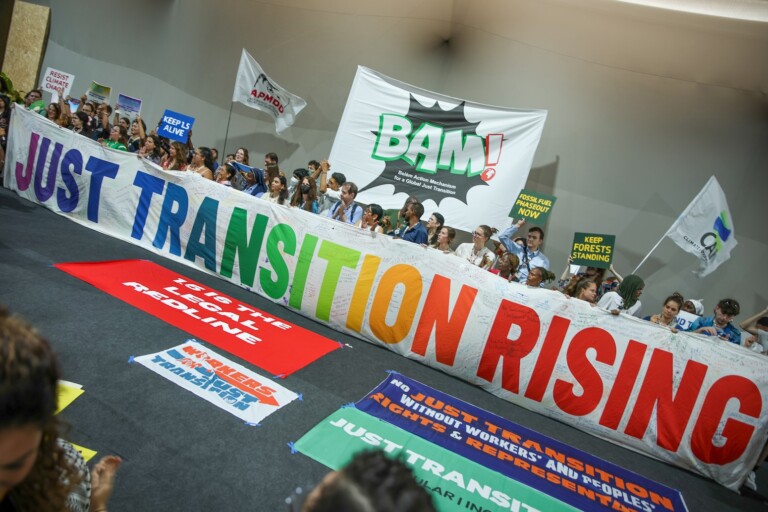
The "Belém-Antalya mechanism," a new proposal currently under discussion at the summit, may provide a framework for a more equitable "just transition," but such mechanisms require a steady stream of capital to function. Without a renewed consensus among the G7 and the EU to prioritize climate finance as a fundamental pillar of national security and international stability, the global climate agenda faces its most significant threat since the inception of the COP process. The coming days in Turkey will be a litmus test for whether the international community can move beyond rhetorical commitments and address the foundational financial requirements of a warming planet. For now, the silence from major donor capitals remains the most significant, and most concerning, development at the summit.
Related posts: