Charles Leclerc and Ferrari face a major technical crisis following a disastrous Friday practice session at the Formula 1 Qatar Grand Prix.

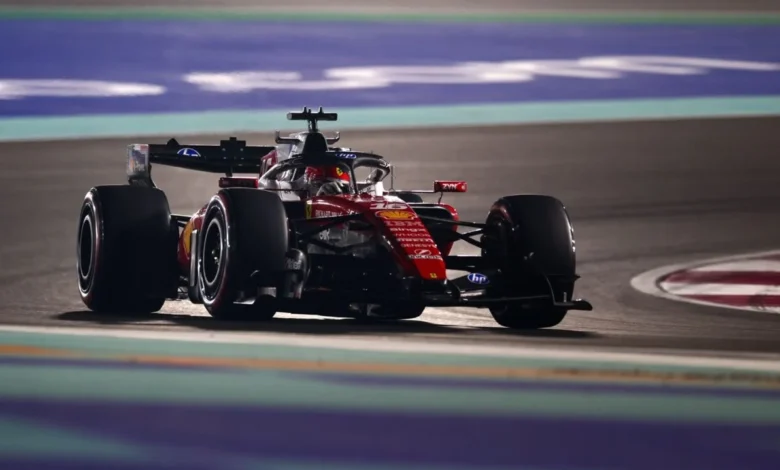
The Lusail International Circuit, a venue synonymous with high-speed cornering and demanding technical sequences, proved to be a brutal testing ground for the Ferrari SF-26 during Friday’s practice sessions. For Charles Leclerc and teammate Lewis Hamilton, the day was defined not by competitive progression, but by a desperate struggle to find grip, mechanical reliability, and a balanced setup. As the paddock reflects on the opening day of action in Qatar, the narrative is dominated by Mercedes’ unexpected dominance and the deepening technical puzzle currently stalling the Scuderia’s momentum.
A Chronology of Struggles at Lusail
The day began with a quiet, underwhelming FP1, but it was the extended FP2 session that truly exposed the vulnerabilities of the Ferrari package. The session was marred by two red-flag periods, limiting the track time available to teams already scrambling to understand the abrasive and high-grip nature of the Qatar surface.
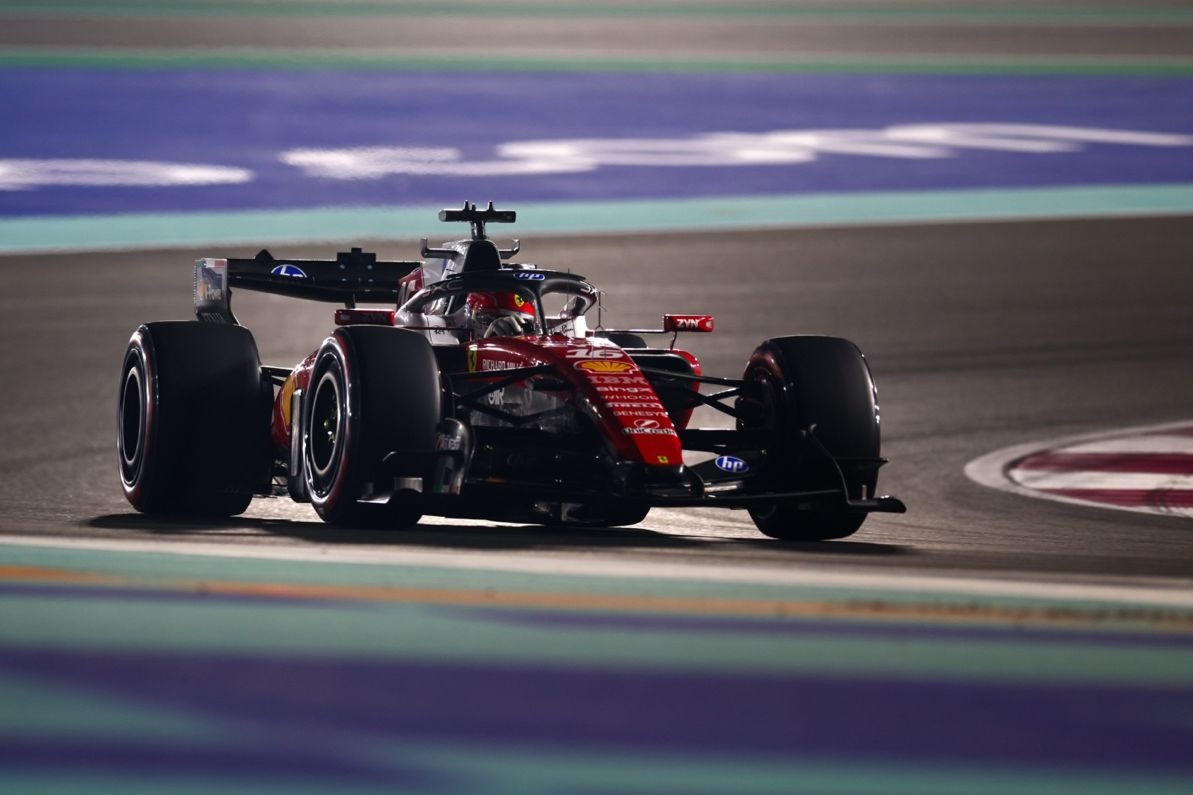
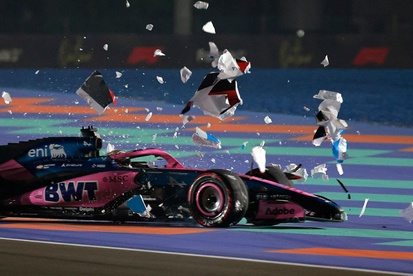
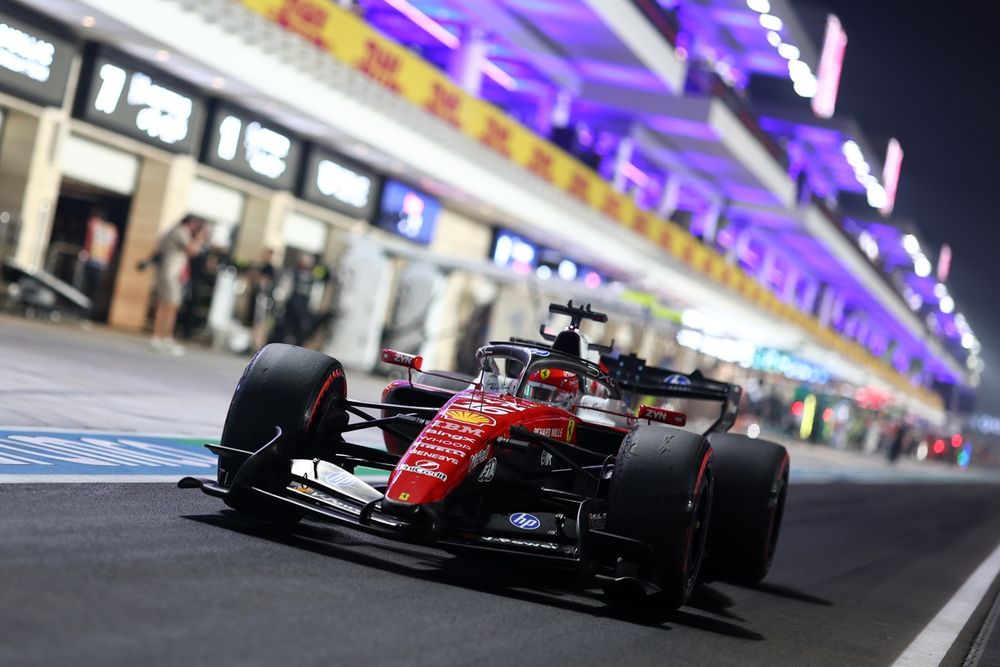
For Leclerc, the session was effectively compromised within the opening minutes. The Monegasque driver experienced a violent, uncontrolled spin at the exit of Turn 7. The incident was not merely a case of driver error; it was the manifestation of a wider lack of rear-end stability. The excursion through the gravel trap, combined with earlier damage sustained from the aggressive and notoriously high kerbs that characterize the Lusail track, left the Ferrari SF-26 with terminal floor damage.
Ferrari’s sporting director, Diego Ioverno, confirmed the extent of the failure shortly after. "After the spin, there was clear damage to the floor," Ioverno stated. "We saw it in the data telemetry, and we had to instruct him to box. It was beyond repair, necessitating a complete floor change mid-session." This operation, while efficient, consumed precious minutes of track time, leaving Leclerc unable to complete a representative race-simulation program.
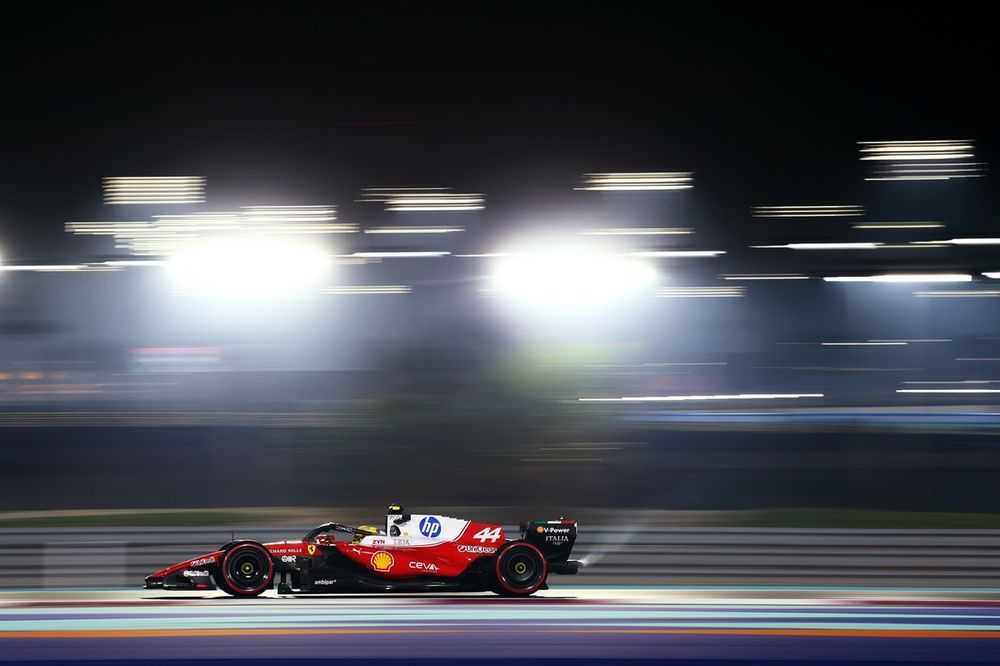
The technical woes were compounded toward the end of the day when Lewis Hamilton’s car suffered a power unit failure. While the team was quick to clarify that the seven-time world champion was running an older engine specification as part of a scheduled endurance cycle, the sight of a stationary silver-liveried (or red, in this instance) Ferrari—as the team continues to integrate its star driver—served as a sobering bookend to a difficult day.
Analyzing the Deficit: A Statistical Reality
The timesheets provided a sobering metric for the Ferrari camp. In the final classification of FP2, Leclerc and Hamilton occupied seventh and eighth positions, respectively. Most concerning was the gap to the front: the duo finished a full second behind the session leader, Mercedes’ rookie sensation Kimi Antonelli.
A one-second deficit in modern Formula 1 is gargantuan, particularly when the field is typically separated by mere hundredths of a second. The data indicates that Ferrari failed to find the "sweet spot" in either low-fuel qualifying trim or high-fuel race simulation. Leclerc, usually the barometer for the car’s absolute performance, admitted that the team’s best lap was his very first of the session, signaling a complete inability to optimize the tire temperature or mechanical balance as the track evolved.
The high-downforce nature of the Lusail circuit—often compared to Silverstone or Suzuka due to its high-speed flowing corners—should, on paper, favor the aerodynamic characteristics of the SF-26. The fact that the car appeared fundamentally uncompetitive in these specific conditions suggests a systemic issue rather than a transient setup error.
Official Responses and Internal Assessment
Following the conclusion of track activity, the atmosphere within the Ferrari garage was one of intense, focused analysis. Both drivers and team management resisted the urge to use the mid-session repairs as a scapegoat for the day’s lack of pace.
"To be honest, this is not even the reason why we were slow," Leclerc told reporters. "We were just very slow from the first lap this morning to the last lap in FP2. It’s very difficult to understand what the outlier is."
Leclerc’s candid assessment highlights the severity of the situation. Unlike previous weekends where a lack of pace could be attributed to track temperature, tire degradation, or specific aerodynamic trade-offs, the current deficit appears to be an "outlier" that has left the engineering team searching for answers in the telemetry data.
Diego Ioverno maintained a professional, albeit concerned, stance. He acknowledged that while Friday practice is notoriously difficult to read—due to varying fuel loads, power settings, and engine modes—the performance gap to Mercedes is too large to be dismissed as a simple sandbagging tactic by the competition. "Mercedes seems particularly quick, not only compared to us but also compared to the others," Ioverno noted. "We will look deeper into the data that we have, which is not so much, and try to understand what we can do better."
The "Fog of War" and Broader Implications
The Qatar Grand Prix presents a unique challenge in the F1 calendar. As a "motorcycle circuit," it lacks the traditional stop-start nature of many modern FIA-grade tracks, placing a premium on lateral load and aerodynamic efficiency.
The dominance shown by Mercedes in FP2 has sent shockwaves through the pit lane. Rivals, including championship contender Lando Norris, have openly remarked that the Mercedes package is "at a different level" this weekend. For Ferrari, the implications are twofold:
- Championship Standing: With the season approaching its final stages, every point is critical. A significant performance deficit in Qatar could see Ferrari lose vital ground to both Mercedes and the championship leaders.
- Technical Development: The floor damage suffered by Leclerc is a recurring theme in the ground-effect era. If the SF-26 cannot handle the kerbs at Lusail without sustaining structural damage, the team may be forced to raise the ride height, a move that would further compromise their aerodynamic efficiency and lap time.
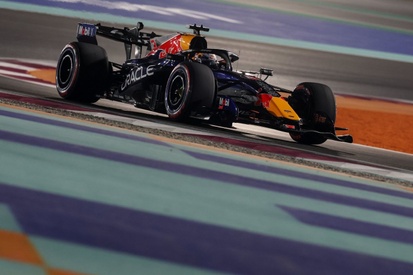
Furthermore, the "disconnect" mentioned by competitors like Max Verstappen regarding their own struggles suggests that the track conditions at Lusail are proving volatile for the entire grid. However, while others are grappling with balance issues, Mercedes appears to have mastered the track surface, leaving the rest of the field to play catch-up.
Looking Toward Qualifying and Race Day
The team is now working through the night, running simulations in the Maranello factory and correlating that data with the feedback from Leclerc and Hamilton. The objective is to identify why the car lacks the rear-end grip that is essential for the long, sweeping corners of the Qatar circuit.
Leclerc remains skeptical of a "silver bullet" solution. "I don’t really have an idea of what we can do significantly better that will turn the situation upside down," he admitted. Despite this, the Scuderia is renowned for its resilience. If the team can pinpoint the cause of the handling imbalance, they may be able to find enough performance to at least challenge for a podium position.

However, the pressure is mounting. With the season entering its twilight, the margin for error has evaporated. The Ferrari engineers must now determine if the issue lies within the mechanical geometry, the tire interaction, or a fundamental misunderstanding of the aerodynamic window in which the SF-26 operates.
As the paddock prepares for the final practice and qualifying, all eyes will be on the Ferrari garage. The team has a monumental task ahead: to transform a car that was arguably the slowest of the front-runners on Friday into a machine capable of competing at the sharp end of the grid by Saturday afternoon. Whether this is a momentary lapse in performance or a sign of deeper, more structural issues remains to be seen. What is clear, however, is that the Qatar Grand Prix has already delivered its first major surprise, and for Ferrari, the road to redemption in the desert will be a steep and arduous climb.