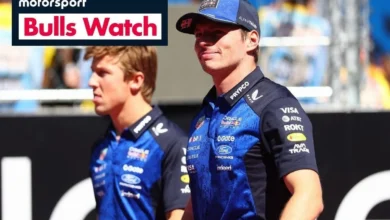
Liam Lawson faces uncertain future as stellar 2026 performance creates dilemma for Red Bull Racing management

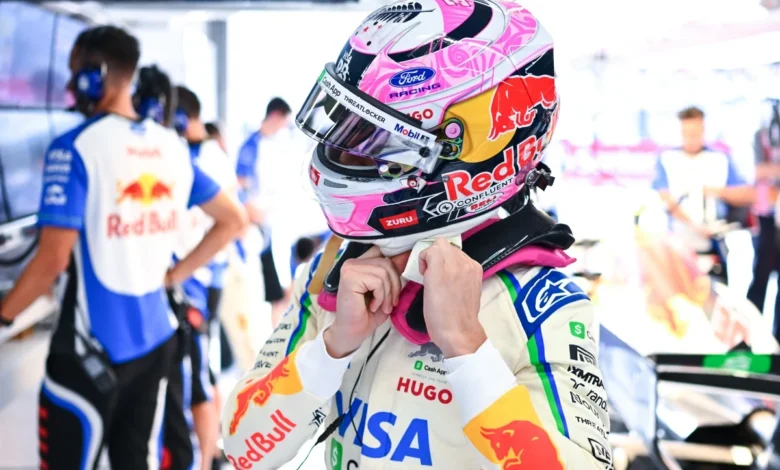
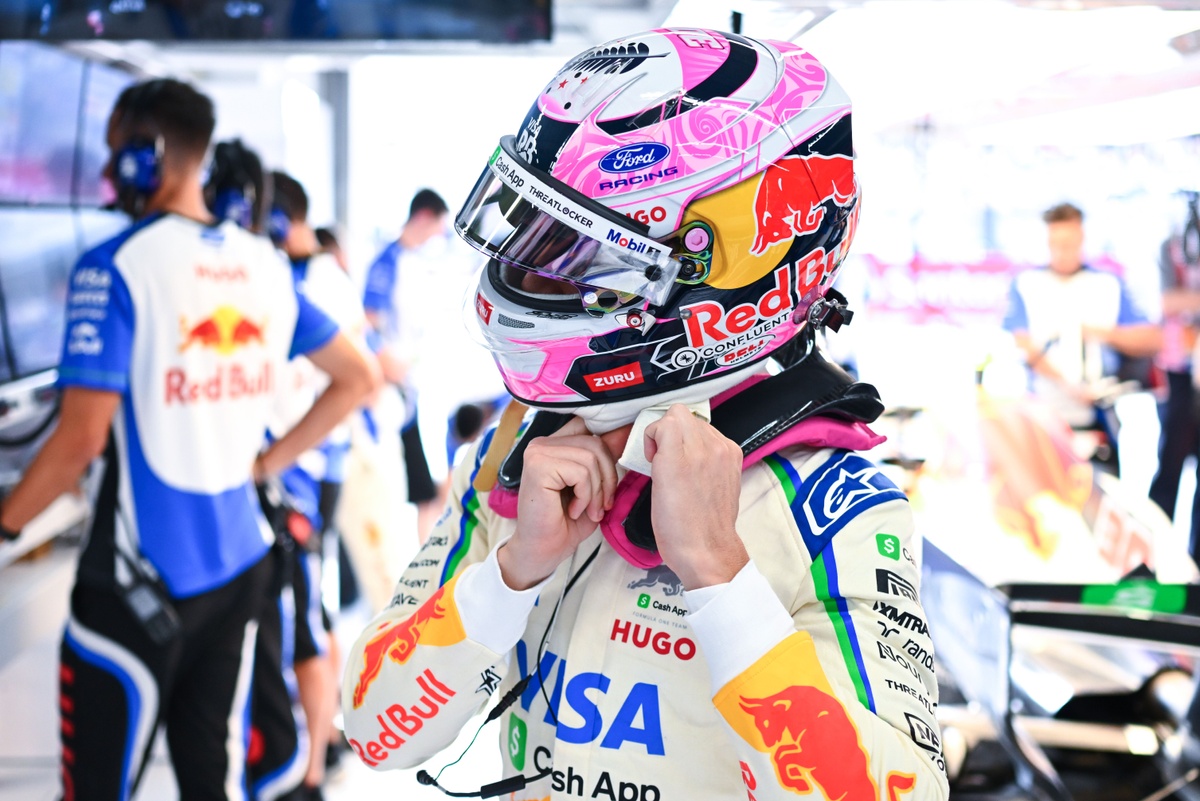
The 2026 Formula 1 season has served as a crucible for young talent, with Liam Lawson emerging as the undisputed standout of the midfield. Despite accumulating 83 points—nearly double the tally of his closest midfield rival, Pierre Gasly, who sits on 42—the New Zealander finds his position at Racing Bulls increasingly precarious. As the paddock looks toward the 2027 grid, the contrast between Lawson’s on-track output and his lack of job security has become one of the most compelling narratives of the current campaign.
A Season of Statistical Dominance
Lawson’s performance in 2026 is defined by consistency and raw pace. His contribution to the Racing Bulls points total has been prolific, and the metrics underscore a driver operating at the peak of his abilities. Interestingly, his performance level has remained remarkably stable regardless of the machinery provided by the Red Bull ecosystem. During his brief tenure in the senior Red Bull Racing seat earlier this year, he maintained an average of 4.67 points per race, a figure that mirrors his consistent 4.31 average with the Racing Bulls outfit.
This stability suggests that Lawson has reached a level of maturity where he can extract the maximum from varying car configurations. When compared to his teammate Arvid Lindblad, the data is stark. Lawson leads their head-to-head qualifying battle 12-6. Even when isolating for variations such as sprint race formats and the unrepresentative conditions in Melbourne, Lawson maintains a clear edge, holding a 0.027s advantage in pure qualifying pace and an average of 0.141s in race trim.
The Shadow of the Junior Pipeline
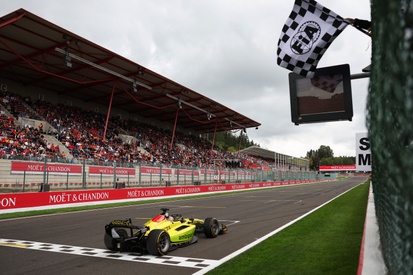
While Lawson continues to perform, the specter of the Red Bull junior program looms large. Nikola Tsolov, the 19-year-old Bulgarian Formula 2 title contender, has been identified as a primary candidate for a seat at the Faenza-based team in 2027. Tsolov’s season has been a tale of two halves; his early-season dominance, marked by six victories in the first 14 races, established him as a premier prospect.
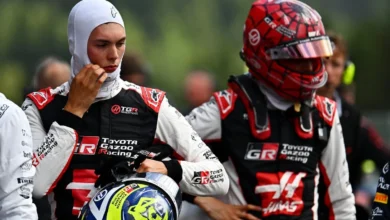
However, his recent form has cooled, with a winless streak spanning 11 consecutive races. Despite this, Tsolov remains a serious championship threat, trailing leader Rafael Camara by only seven points. The stakes for the final rounds of the F2 season are elevated by the fact that Camara is set to make his own F1 debut with Haas at the upcoming Brazil Grand Prix, signaling that the barrier between the junior categories and the premier class is becoming increasingly porous.
Chronology and Recent Momentum
The trajectory of the 2026 season for Lawson has been marked by a significant resurgence since his return to the Racing Bulls seat following a three-round stint filling in for Isack Hadjar at the senior Red Bull team. Since that return, Lawson has not been outqualified on merit by his teammate, maintaining a 0.257s average gap over Lindblad.
The last four Grands Prix have served as a microcosm of this internal battle. Lawson has secured 24 points, outperforming both his teammate and seasoned veterans like George Russell. In contrast, Lindblad’s campaign has been hampered by a mixture of misfortune and inconsistency, including a grid penalty in Malaysia and a collision with Oscar Piastri in Mexico, which have limited his recent scoring to a single point.
The Strategic Dilemma at Milton Keynes
The decision-making process at Red Bull for the 2027 season is reportedly hinge-pointed on a singular strategic question: Is Liam Lawson a viable long-term candidate for the senior Red Bull Racing team?
Historically, the Red Bull junior pipeline has been ruthless, often prioritizing fresh potential over proven reliability if a driver is perceived to have reached their "ceiling." If Red Bull management concludes that Lawson’s current high-level performance is indicative of his absolute limit—and that he does not possess the championship-winning upside required for a seat at Milton Keynes—they may opt to prioritize Tsolov’s development.
For Tsolov, a promotion to F1 would follow a traditional, albeit accelerated, path. However, should the team decide to retain Lawson, Tsolov may be forced to take a detour, potentially through the Japanese Super Formula championship. This path has historically served as a proving ground for Red Bull drivers, including both Pierre Gasly and Lawson himself, providing a necessary bridge between the junior ranks and the technical demands of Formula 1.
Driver Sentiment and Public Reaction
In the high-pressure environment of the Formula 1 media pen, the persistent questioning regarding his future has become a weekly ritual for Lawson. His responses remain measured, focusing on the variables he can control rather than the administrative decisions occurring behind closed doors.
"It’s obviously a massive shame, but it’s something that I’m just having to deal with at the moment," Lawson noted following the race in Mexico. "I’m obviously trying to do everything I can each time I get in the race car."
This sentiment reflects a broader reality for young drivers in the current F1 landscape: performance is a prerequisite, but it is not a guarantee. The volatility of the driver market, influenced by sponsorship, long-term team vision, and the continuous influx of new talent, means that even a driver who is statistically superior to his teammate can find himself without a seat.
Implications for the 2027 Grid
The implications of the decision extend beyond the individual careers of Lawson and Tsolov. The Racing Bulls team, currently operating as a development hub, must balance the need for short-term points, which carry significant financial weight in the Constructors’ Championship, against the long-term objective of grooming the next generation of Red Bull stars.
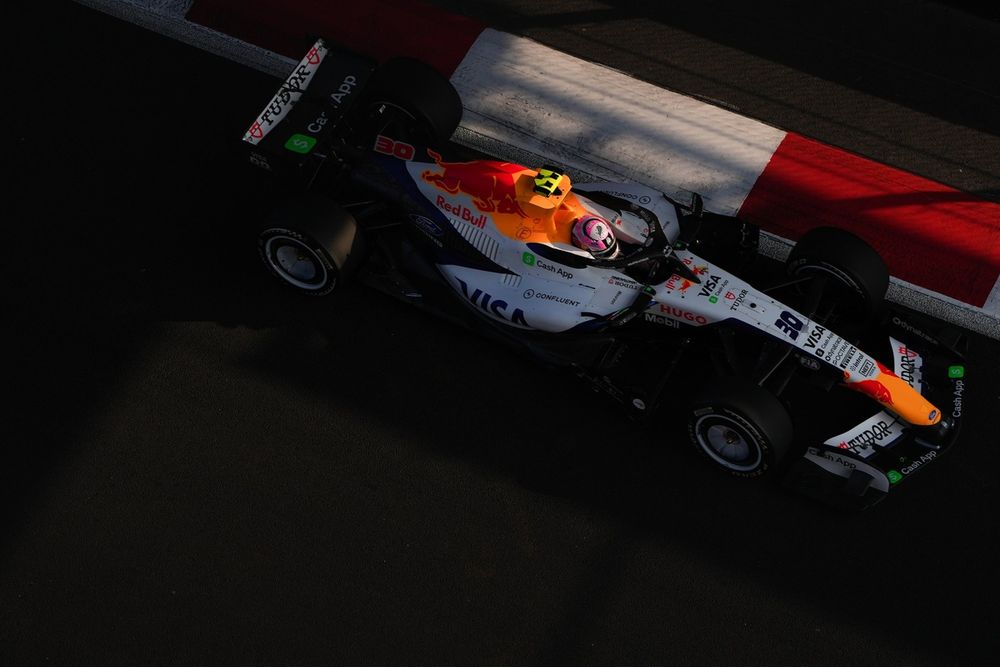
If the team opts for Tsolov, they are betting on the potential of a younger driver to evolve into a front-runner. If they stick with Lawson, they are banking on the value of a driver who has proven he can deliver under pressure, score points consistently, and outperform those alongside him.
As the 2026 season enters its final phase, the intensity of the competition between these two drivers will likely increase. Every qualifying session, every race start, and every points-paying finish serves as a piece of evidence in an ongoing audit of their respective talents. For Lawson, the task remains clear: to continue forcing the hand of management through sheer output, ensuring that even if he is not the preferred choice, his performance becomes impossible to ignore.
As the paddock prepares for the final rounds, the focus will remain on whether the established talent of the current midfield can withstand the relentless pressure of the next wave of prospects. For now, the numbers remain in Lawson’s favor, yet the future of the Faenza seat remains one of the most closely watched storylines in the sport. With the championship hunt in F2 nearing its climax, the pressure on all parties is set to intensify, turning the closing races of 2026 into a defining moment for the careers of those involved.