
Chinese Fighter Jets Flew Unusually Close Japanese Patrol Planes
Chinese Fighter Jets’ Close Encounters with Japanese Patrol Planes Escalate Regional Tensions
The skies over the East China Sea have become a focal point of geopolitical friction as Chinese fighter jets have repeatedly conducted unusually close encounters with Japanese patrol aircraft. These incidents, characterized by extreme proximity and provocative maneuvers, are not isolated events but rather a growing pattern of behavior that significantly raises the stakes in an already volatile region. The implications extend beyond mere aerial proximity, touching upon fundamental issues of territorial sovereignty, freedom of navigation, and the potential for miscalculation leading to unintended escalation. Understanding the frequency, nature, and context of these encounters is crucial for comprehending the evolving security landscape in East Asia and the strategic calculus of Beijing and Tokyo.
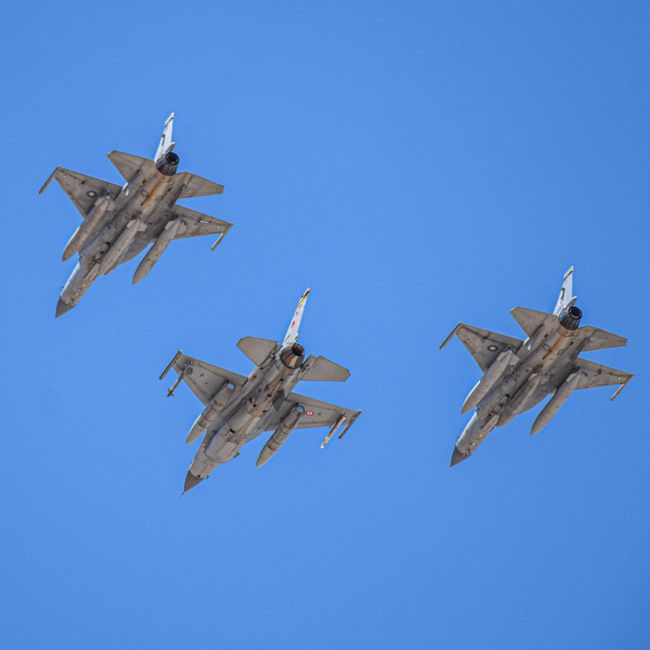
The frequency of these close encounters has demonstrably increased over recent years. While specific numbers fluctuate and are often subject to national reporting, a clear trend indicates a more assertive posture by the People’s Liberation Army Air Force (PLAAF) operating in contested airspace. Japanese Air Self-Defense Force (JASDF) patrol aircraft, typically equipped with sophisticated sensor suites for maritime surveillance and reconnaissance, have been the primary targets. These patrols are not random forays; they are often conducted in areas of strategic importance, including those adjacent to disputed territories and vital shipping lanes. The Chinese response, therefore, is perceived by Japan as a direct challenge to its right to conduct such operations within its claimed exclusive economic zones (EEZs) and contiguous zones. The methods employed by the Chinese fighter jets have also become a significant concern. Reports consistently detail the aircraft flying at dangerously close distances, sometimes within tens of meters, forcing the Japanese planes to take evasive action. These maneuvers can include banking turns, passing parallel to the patrol aircraft, or even positioning themselves to be visually within the cockpit view of the Japanese pilots. Such actions are not standard military procedure for observation or escort and are widely interpreted as intended to intimidate, harass, and signal displeasure.
The geographical context of these encounters is critical. The East China Sea is an area of immense strategic and economic importance, bisected by a complex web of territorial claims and maritime boundaries. The Senkaku/Diaoyu Islands, a group of uninhabited islets administered by Japan but claimed by China, are at the heart of this dispute. Chinese military aircraft frequently operate in the vicinity of these islands, often venturing into areas that Japan considers its Air Defense Identification Zone (ADIZ), which Japan claims and requires aircraft to identify themselves when entering. The close encounters with Japanese patrol planes often occur during these Chinese aerial operations, suggesting a deliberate effort to deter or disrupt Japanese surveillance and intelligence gathering activities in and around the disputed island chain. Furthermore, the East China Sea serves as a critical artery for global trade, with a significant portion of East Asian economies relying on its sea lanes. Any disruption or perceived threat to these routes carries substantial economic ramifications. The increased military activity, including these close encounters, injects an element of uncertainty and risk into the region’s maritime security, impacting shipping confidence and potentially increasing insurance costs.
The strategic motivations behind China’s increasingly assertive aerial maneuvers are multifaceted and deeply rooted in Beijing’s broader foreign policy objectives. Firstly, these actions are a clear demonstration of China’s growing military capabilities and its willingness to project power beyond its immediate borders. As the PLAAF undergoes rapid modernization, incorporating advanced fighter jets, electronic warfare capabilities, and improved command and control systems, these close encounters serve as a practical, albeit risky, testing ground for its operational readiness and its ability to assert its claims in contested environments. Secondly, these maneuvers are a direct attempt to alter the status quo in the East China Sea. By consistently challenging the presence and operations of Japanese aircraft, China aims to wear down Japanese resolve and gradually establish its own de facto control or influence over areas it considers within its sphere of interest. This is part of a broader strategy to push back against what Beijing perceives as U.S. and Japanese encirclement and containment. Thirdly, these actions serve as a powerful signaling mechanism. They communicate to Japan, its allies like the United States, and the international community that China is prepared to defend its territorial claims and that it will not passively accept the established order. The perceived assertiveness also aims to test the resolve of its regional rivals and gauge their willingness to respond, potentially leading to a strategic miscalculation by one side or the other.
Japan’s response to these escalating close encounters has been characterized by a combination of diplomatic protest, enhanced surveillance, and calls for de-escalation. The Japanese Ministry of Defense routinely lodges formal protests with the Chinese government, documenting each incident and expressing concerns about the safety of its aircrews and the potential for accidents. Japan also relies on its own advanced radar systems and fighter jets to monitor Chinese aircraft, often scrambling its own fighters to intercept and escort them when they approach Japanese airspace or ADIZ. The JASDF pilots are trained to maintain professional conduct and avoid engaging in reciprocal provocative maneuvers, adhering to international norms for air traffic. However, the inherent risks associated with such close proximity cannot be overstated. A momentary lapse in judgment, a mechanical malfunction, or a misinterpretation of intent by either side could quickly spiral into a serious incident. The constant need for vigilance and the operational strain on the JASDF are significant factors in Japan’s security calculus. Furthermore, Japan has been actively seeking to strengthen its alliances, particularly with the United States, to bolster its defense capabilities and deter further Chinese aggression. Joint military exercises and increased security cooperation are part of this strategy.
The international community, particularly the United States and other regional powers, views these escalating incidents with growing concern. The U.S., bound by treaty obligations to defend Japan, has repeatedly stated its commitment to the security of the East China Sea and its opposition to any unilateral attempts to change the status quo by force. Washington’s official stance is that freedom of navigation and overflight are paramount and that all nations should abide by international law. The close encounters are seen as a destabilizing factor in a critical global security environment. The potential for miscalculation and escalation is a shared concern, as a conflict in the East China Sea would have profound global economic and security consequences. Other countries in the Indo-Pacific region also closely monitor these developments, as they often perceive Chinese assertive actions in one area as indicative of its broader regional ambitions. The implications for freedom of navigation, regional stability, and the balance of power are significant. Diplomatic channels and multilateral forums are being utilized to encourage restraint and dialogue, but the underlying territorial disputes and strategic competition remain unresolved.
The long-term implications of these recurring close encounters are significant and far-reaching. Firstly, they contribute to a persistent state of heightened tension and mistrust in the East China Sea, making diplomatic resolutions to underlying disputes more challenging. The normalization of aggressive aerial maneuvers risks lowering the threshold for accidental conflict. Secondly, these incidents are a significant factor in the ongoing regional arms race. Japan, in particular, has been steadily increasing its defense spending and acquiring new capabilities, partly in response to perceived threats from China. This, in turn, can be viewed by China as further justification for its own military buildup, creating a self-perpetuating cycle of escalation. Thirdly, the increased risk of aerial incidents has economic consequences. Businesses operating in or transiting through the region are forced to factor in potential disruptions and increased security costs. The overall economic stability of East Asia, a critical engine of global growth, is indirectly affected by these security challenges. Finally, these encounters underscore the fragility of peace in a region characterized by competing national interests and historical grievances. Without effective de-escalation mechanisms and a commitment to resolving disputes through dialogue, the skies over the East China Sea will continue to be a dangerous frontier, where the risk of unintended conflict remains a stark reality. The strategic implications demand careful monitoring, robust diplomacy, and a commitment to international law and established norms of behavior to prevent a localized incident from spiraling into a broader regional crisis. The ongoing pattern of close encounters between Chinese fighter jets and Japanese patrol planes is not merely an aerial ballet of power projection; it is a potent indicator of escalating geopolitical tensions and a stark reminder of the challenges facing regional security in the 21st century.
