Queen Camilla Champions Eradication of Domestic Abuse at Wiltshire Summit Hosted at Marlborough College

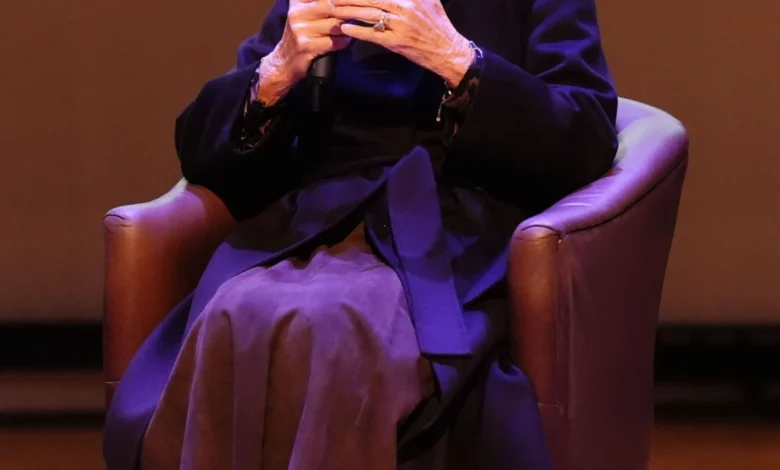
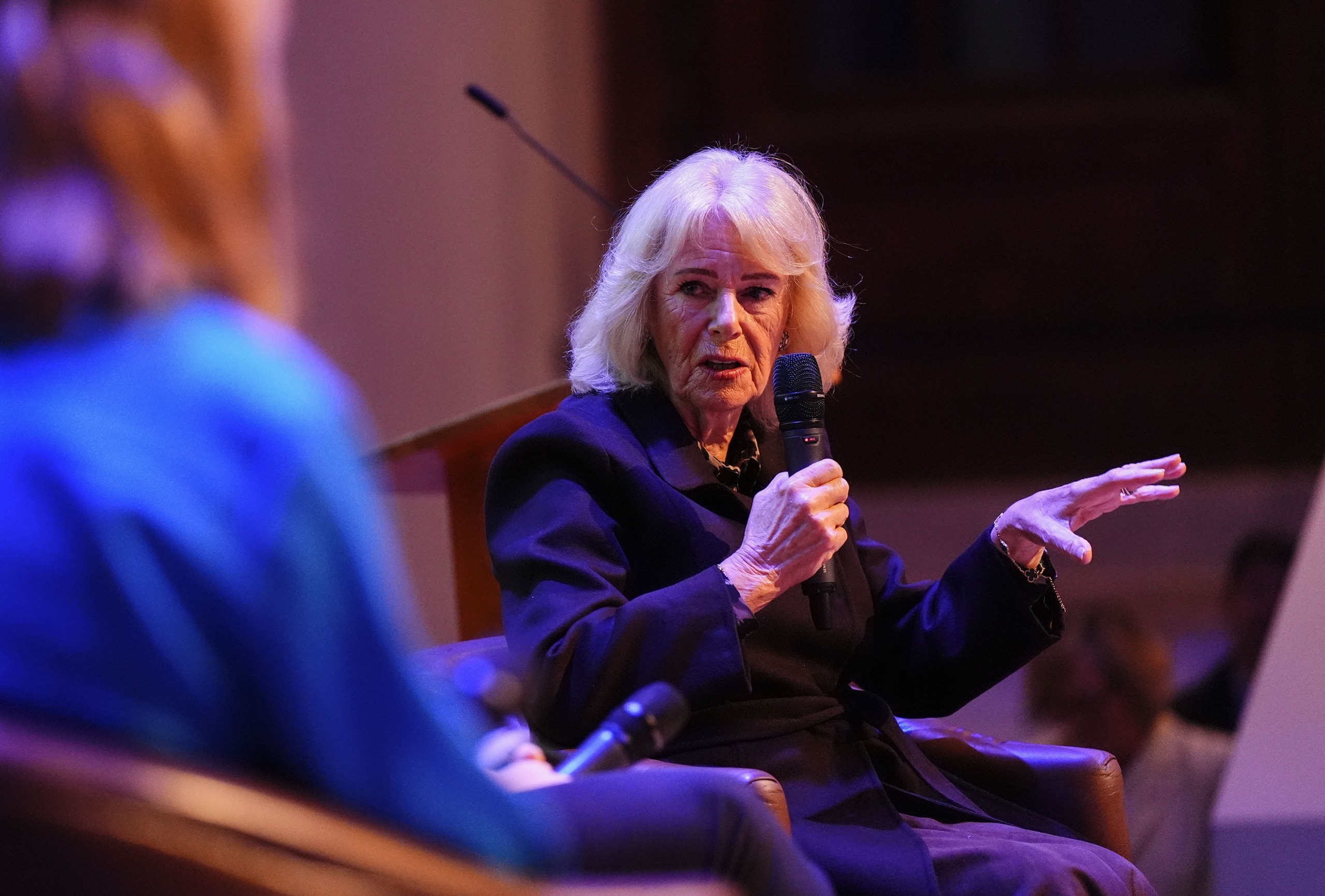
Queen Camilla delivered a passionate and resolute address on October 23, calling for open dialogue and collective action to dismantle the culture of silence surrounding domestic abuse. Speaking at a summit hosted by Ending Violence Against Women and Girls (EVAWG) Wiltshire—held at Marlborough College, the alma mater of Catherine, Princess of Wales—the Queen emphasized that breaking long-standing societal taboos is the critical first step toward eradicating gender-based violence entirely.
Her remarks underscored a multi-year, dedicated philanthropic focus on supporting victims of domestic abuse and amplifying the voices of survivors and advocates across the United Kingdom. By leveraging her platform within the Royal Family, Queen Camilla continues to bring international attention to an issue historically relegated to the shadows of domestic life.
The Breaking of a Historical Taboo
Addressing an audience of community leaders, support workers, survivors, and officials, Queen Camilla reflected on how public perception and discourse regarding domestic violence have evolved over the decades.
"Domestic abuse was a taboo subject that nobody talked about, it was hush-hush, but now everybody is getting up there and talking about it," the Queen stated. "And hopefully, if we keep on talking and having gatherings like this we will, I don’t know how many years, but we might be able to put an end to it forever."
The core of the Queen’s message centered on the power of conversation. In a society where victims were once expected to endure suffering in private, public forums and community-level summits serve to demystify the mechanics of abuse and dismantle the stigma that so often prevents individuals from seeking help. "Talking is what we have to do," she firmly asserted.
Background and Context of the EVAWG Wiltshire Summit
The summit at Marlborough College brought together key regional stakeholders, law enforcement officials, frontline charity workers, and policy advocates dedicated to combating violence against women and girls. Wiltshire, like many counties across the UK, has seen a concerted push to coordinate localized response networks, ensuring that police, social services, and domestic abuse charities operate cohesively.
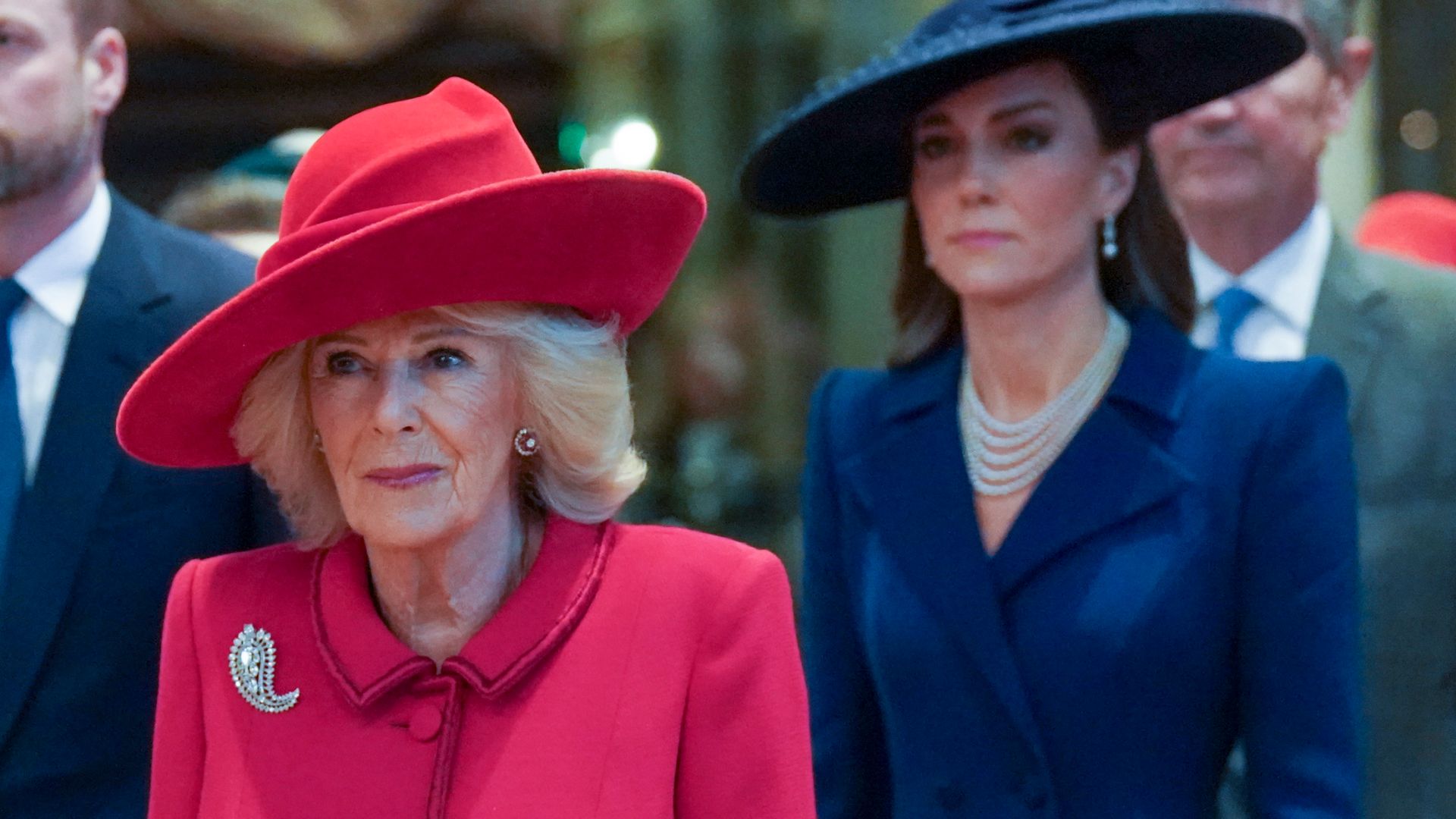
Choosing Marlborough College—a historically significant educational institution in Wiltshire—as the venue carried symbolic weight, bridging the worlds of youth education and community protection. By engaging institutions outside of major metropolitan centers, the organizers highlighted that domestic abuse is not confined to specific demographics, geographies, or social strata; it permeates every corner of society.
The Queen’s long-standing association with this cause includes her patronage of SafeLives, a prominent UK charity dedicated to ending domestic abuse and safeguarding victims and their families. Through her extensive engagement with SafeLives and visits to various crisis centers, shelters, and police response units over the years, Queen Camilla has gained firsthand insight into the harrowing realities faced by vulnerable individuals.
"I realized the depth of the horror"
During her address, the Queen reflected on the profound emotional impact of meeting survivors and listening to their testimonies. She noted that hearing directly from those who have navigated the terrifying landscape of domestic abuse opened her eyes to the true "depth of the horror" experienced behind closed doors.
Rather than viewing the statistics abstractly, her firsthand interactions with survivors have shaped her advocacy into a deeply personal mission. This empathy was palpable as she directed praise toward the individuals working tirelessly on the front lines, describing them as "heroes" who dedicate their lives to saving others.
A Tribute to Resilience: The Story of Diana Parkes
A poignant moment in the Queen’s speech arrived when she singled out Diana Parkes, a prominent advocate whose life was forever altered by tragedy. Parkes became a tireless campaigner against domestic homicide following the brutal murder of her daughter, Joanna Simpson, in 2010.
Rather than retreating from the public eye in grief, Parkes channeled her devastation into advocacy, co-founding the Joanna Simpson Foundation and working alongside organizations like SafeLives to reform how the justice system and social services handle coercive control and domestic threats.
"She lost her beloved daughter and a lot of people would have hidden away, shut the door just, you know, buried themselves forever," Queen Camilla said of Parkes. "Pero she got up, she got out there, and she spoke to people."
The acknowledgment of Parkes underscored a central theme of the summit: that the fight against violence against women is frequently propelled forward by the unimaginable resilience of those who have survived or lost loved ones to abuse.
The Broader Implications of Royal Advocacy
The involvement of senior members of the Royal Family in social advocacy carries significant weight in shaping public policy and cultural attitudes. When a figure of Queen Camilla’s stature prioritizes domestic abuse as a signature cause, it achieves several critical objectives:
- Amplifying Funding and Visibility: Charities and frontline organizations frequently struggle for media attention and financial backing. Royal patronage provides these entities with an invaluable platform, driving donations, public awareness, and volunteer engagement.
- Destigmatizing Seeking Help: For victims trapped in abusive relationships, societal stigma and shame are primary barriers to escape. When a national figure speaks openly about the prevalence and mechanics of abuse, it validates victims’ experiences and encourages them to seek intervention.
- Holding Institutions Accountable: High-profile summits pressure local authorities, police forces, and judicial systems to prioritize domestic abuse cases, improve training, and close legal loopholes that endanger victims.
Statistical Landscape of Domestic Abuse in the United Kingdom
To understand the urgency of initiatives like the EVAWG Wiltshire summit, context must be drawn from national data regarding violence against women and girls. According to figures from the Office for National Statistics (ONS):
- Millions of Adults Affected: An estimated 2.3 million adults aged 16 and over experienced domestic abuse in England and Wales within a single recent reporting year.
- Gender Disparity: While domestic abuse affects individuals of all genders, women remain disproportionately impacted, representing the vast majority of high-risk and domestic homicide victims.
- Reporting Gaps: Despite advancements in policing and support services, a significant percentage of domestic abuse incidents go unreported due to fear, financial dependency, or psychological coercion.
These sobering statistics reinforce the Queen’s assertion that continuous dialogue, specialized education, and community-based intervention are essential tools in reducing and ultimately eliminating these crimes.
Future Outlook and Ongoing Commitment
As the summit concluded, participants left with a renewed sense of purpose, galvanized by the royal endorsement of their daily labors. Queen Camilla’s ongoing schedule reflects a permanent commitment to this cause rather than a transient public relations campaign. Her scheduled engagements routinely incorporate visits to domestic violence safehouses, roundtable discussions with legal experts, and listening sessions with survivors.
While the complete eradication of domestic abuse remains a long-term and formidable challenge, events like the Wiltshire summit mark a distinct cultural shift. By dragging a once-hidden crime into the light of public discourse, Queen Camilla, alongside countless advocates, survivors, and frontline workers, is laying the groundwork for a safer, more accountable society where silence is no longer an option.