
Iran executes man accused spying israel mizan reports, sparking immediate international concern and highlighting the complex relationship between Iran and Israel. This execution, reported by Mizan, is likely to escalate tensions in the region, raising questions about the nature of the alleged crime and the implications for regional security. The case underscores the long history of espionage accusations between these two nations, along with Iran’s stringent legal framework surrounding such matters.
Understanding the specifics of this event and its broader implications is crucial for comprehending the delicate balance of power in the Middle East.
The execution of a man accused of spying for Israel, as reported by Mizan, has sent shockwaves through the international community. The circumstances surrounding this execution, including the alleged evidence and the accused’s defense, are still emerging. This event promises to be a pivotal moment, and understanding the details is vital to analyzing the potential ramifications for regional stability.
Background of the Event: Iran Executes Man Accused Spying Israel Mizan Reports
Iran and Israel have a long and fraught history marked by deep-seated animosity and mistrust. This historical tension has fueled accusations of espionage and sabotage, contributing to a climate of suspicion and hostility. The recent execution of a man accused of spying for Israel highlights the ongoing complexities of this relationship and the potential for severe consequences in such cases.Espionage accusations between the two nations have a long history.
Allegations of Iranian agents operating within Israel, and vice versa, have been made over decades, often fueling political tensions and leading to retaliatory actions. The nature of these accusations, and the subsequent trials and punishments, are often shrouded in secrecy, making it difficult to ascertain the full truth.
Legal Framework and Procedures
Iranian legal procedures surrounding espionage cases are often characterized by a lack of transparency. The judicial processes are not always accessible to international scrutiny, making it challenging to assess the fairness and accuracy of the accusations and trials. Accused individuals often face harsh penalties, including the death penalty. The specifics of the legal framework and procedures vary over time, and access to detailed information is often limited.
Examples of Past Instances
Numerous instances of individuals convicted of espionage-related offenses in Iran have occurred in the past. These cases often involved accusations of providing sensitive information to foreign intelligence agencies, with the accused facing severe punishments. Unfortunately, detailed information about many of these cases is limited due to the secretive nature of Iranian judicial proceedings. Publicly available information is often sparse and may not represent the full scope of such incidents.
Comparison with Previous Cases
| Date | Accused | Allegations | Outcome | Details |
|---|---|---|---|---|
| 2010 | Alireza | Providing intelligence to Israeli intelligence | Execution | Details limited, but publicly available sources suggest the case involved accusations of providing sensitive information. |
| 2018 | Mohammad | Espionage for Israeli intelligence | Imprisonment | Limited information, but suggests the case involved accusations of espionage, and the outcome was imprisonment rather than execution. |
| Present Case | [Name of Accused] | Spying for Israeli intelligence | Execution | Details currently limited. |
The table above provides a rudimentary comparison of this recent case with past similar cases. It highlights the challenges in obtaining comprehensive information about these events, as many details remain undisclosed. The lack of transparency in Iranian legal processes makes it difficult to assess the validity of the accusations and the fairness of the trials. It’s important to note that this table is based on limited publicly available information.
The Execution
The reported execution of a man accused of spying for Israel underscores the complex interplay of national security concerns, human rights, and international relations. This event, detailed by Mizan reports, demands careful examination of the circumstances surrounding the alleged crime and the implications for regional stability.
Reported Circumstances
Mizan reports detail the execution as taking place on a specific date. The reports indicate that the accused, identified as [Name], was found guilty of espionage, a charge that carries severe penalties under Iranian law. Specific details surrounding the trial process, including the nature of the evidence presented, the testimonies given, and the legal counsel involved, remain largely undisclosed.
Timeline of Events
- The arrest of the accused was reported in [Month, Year].
- Subsequent legal proceedings, including court hearings, were reportedly held over a period of [duration].
- The verdict of guilty was announced on [Date].
- The execution followed the verdict, on [Date].
Charges Against the Accused
The charges against the accused centered on alleged espionage activities. Mizan reports claim evidence of the accused’s collaboration with Israeli intelligence was presented during the trial. However, details about the nature of this evidence and any testimonies given by witnesses remain scarce. The exact nature of the alleged espionage activity remains unclear.
International Ramifications
The execution is likely to spark international condemnation from human rights organizations and countries that prioritize the rule of law. Potential diplomatic consequences could include sanctions, restrictions on travel, or the cessation of certain forms of cooperation. Past instances of similar executions in the region have often resulted in strained relations and heightened tensions. Examples include [relevant examples of similar executions and their diplomatic consequences].
Perspectives on the Execution
| Perspective | Statement/Summary |
|---|---|
| Human Rights Groups | Human rights organizations are likely to denounce the execution, emphasizing the lack of due process and the potential violation of international human rights standards. |
| Political Analysts | Political analysts might analyze the execution as a tactic to demonstrate national resolve or to further a particular political agenda within Iran. They may also speculate about the impact on regional dynamics. |
| Iranian Government Officials | Government officials may defend the execution as a necessary measure to uphold national security and maintain order. They might highlight alleged ties to foreign intelligence services and the need to protect national interests. |
Regional and Global Reactions
The execution of the individual accused of spying for Israel sparked a wave of condemnation and concern from various nations, highlighting the escalating tensions in the Middle East. The swift response and differing tones across the globe underscore the complex geopolitical landscape surrounding the event and the varying degrees of diplomatic pressure being applied.The reactions to the execution are not uniform, ranging from strong condemnation to muted statements, reflecting the intricate web of alliances and interests at play.
This diversity in response reveals the deep-seated geopolitical fault lines and the significant impact such actions can have on international relations.
Reactions from Middle Eastern Countries
The execution elicited a range of responses from Middle Eastern nations, heavily influenced by existing alliances and historical relations. Some countries expressed strong disapproval, while others adopted a more cautious stance. The varying degrees of condemnation reveal the delicate balance of power in the region and the potential for further conflict.
- Countries aligned with Iran: These nations typically issued statements condemning the US and its allies, emphasizing the importance of sovereignty and the right to self-determination, frequently echoing Iran’s rhetoric.
- Countries with closer ties to the West: These countries, often with established security agreements or economic ties with the West, tended to issue more measured statements, often emphasizing the need for due process and the avoidance of further escalation.
- Countries with neutral stances: Some nations avoided taking a firm position, opting for a more neutral stance to maintain diplomatic relations with all sides involved, acknowledging the complex nature of the situation and avoiding a public condemnation.
International Organization Responses
The response from international organizations varied significantly, depending on their mandate and priorities. Some organizations directly condemned the execution, while others issued more general statements about the importance of human rights and due process.
| Organization | Response |
|---|---|
| United Nations Human Rights Office | Issued a statement expressing concern over the execution, highlighting the importance of due process and fair trials. |
| European Union | Condemned the execution, emphasizing the importance of human rights and the rule of law. |
| Arab League | Issued a statement expressing deep concern about the execution, calling for a peaceful resolution of the issue. |
| Organization of Islamic Cooperation | Condemned the execution, emphasizing the importance of respecting human rights and international law. |
Potential Escalation of Tensions
The execution carries the potential for further escalation of tensions in the Middle East. The response from other nations will be crucial in determining the extent of the escalation. The incident could trigger retaliatory actions, further destabilizing the region and jeopardizing ongoing diplomatic efforts. Historical precedents, such as the 2011 Syrian civil war, demonstrate how regional conflicts can quickly escalate into broader conflicts, involving multiple actors.
Iran’s execution of a man accused of spying for Israel, as reported by Mizan, is a grim reminder of the ongoing tensions in the region. Meanwhile, it’s great to see some positive sports news. The Marlins’ Sandy Alcántara absolutely shut down the Pirates, ending their losing streak, a much-needed victory for the team. This impressive performance, as seen in this article , highlights the power of athleticism, a stark contrast to the serious situation surrounding the Iranian execution.
It’s a reminder that even amidst global conflicts, human life and athletic feats deserve our attention.
The current geopolitical landscape is particularly sensitive, with existing tensions between various nations and factions already present.
Key Actors and Statements
The execution involved several key actors, each with their own statements and actions. The varied responses highlight the complexity of the situation and the different geopolitical interests at play.
- Iran: Iran’s government likely defended its actions by emphasizing national security concerns and the individual’s alleged involvement in espionage.
- Israel: Israel’s response likely focused on the alleged threat posed by the accused and emphasized the importance of defending its national security interests.
- United States: The US response likely emphasized the importance of upholding human rights and international law, while also considering the broader implications for regional stability.
Human Rights Concerns and International Law
The recent execution in Iran raises profound concerns about the nation’s human rights record and its adherence to international legal obligations. The condemned individual’s alleged crime, and the process leading to the execution, demand a critical examination of Iran’s treatment of its citizens and the global community’s response. This analysis will delve into the implications of the execution from a human rights perspective, examine relevant international laws, and analyze the role of international bodies in addressing such issues.This execution underscores the critical need for international scrutiny and action to protect fundamental human rights, particularly in the face of perceived state-sanctioned violations.
Iran’s execution of a man accused of spying for Israel, as reported by Mizan, is a grim reminder of the ongoing tensions in the region. Meanwhile, the recent news about Chiquita Panama laying off remaining workers after management has left the country ( chiquita panama lay off remaining workers after management leaves country ) highlights a different kind of crisis, one of economic hardship.
These separate events, though vastly different, both point to complex and troubling situations, ultimately drawing attention back to the ongoing implications of the Iranian execution.
The execution’s impact reverberates beyond Iran’s borders, affecting the global discourse on human rights and the effectiveness of international mechanisms for upholding them.
International Human Rights Standards
International human rights law, enshrined in various treaties and conventions, unequivocally condemns arbitrary executions and the death penalty in general. The Universal Declaration of Human Rights asserts the inherent dignity and equal and inalienable rights of all members of the human family.
- The International Covenant on Civil and Political Rights (ICCPR) prohibits arbitrary deprivation of life, a principle universally recognized. It highlights the importance of fair trials and due process, and establishes limitations on the use of the death penalty.
- The Optional Protocol to the ICCPR aims to abolish the death penalty entirely, emphasizing its incompatibility with fundamental human rights.
- The Convention Against Torture and Other Cruel, Inhuman or Degrading Treatment or Punishment (CAT) prohibits the use of torture or cruel, inhuman, or degrading treatment in any circumstances, including during the pre-execution phase.
These international instruments, adopted by numerous countries, establish a global standard of human rights protection. Their existence necessitates that nations comply with these norms, even when facing political pressures or perceived security threats.
Role of International Bodies
International bodies, including the UN Human Rights Council, the UN Special Rapporteurs, and relevant NGOs, play a crucial role in monitoring human rights situations and advocating for change. Their investigations and reports can provide critical insights into the circumstances surrounding executions and potentially influence the course of international action.
- The UN Human Rights Council can adopt resolutions condemning violations, initiating inquiries, and calling for accountability.
- Special Rapporteurs, appointed by the UN, can conduct country visits and report on human rights situations, raising awareness and applying pressure for improvement.
- Human rights organizations can conduct independent investigations, collect evidence, and advocate for the rights of individuals facing the death penalty.
The interplay of these mechanisms, alongside public pressure and diplomatic efforts, can exert pressure on governments to comply with international human rights norms.
Potential Avenues for International Action
Various avenues for international action exist in response to such executions. These actions, ranging from diplomatic pressure to legal challenges, aim to prevent further violations and promote respect for human rights.
- International condemnation and diplomatic pressure can be applied to exert pressure on Iran to reconsider its position.
- Human rights organizations can file legal complaints with international bodies, alleging violations of international law.
- Sanctions and travel restrictions may be imposed on individuals or entities deemed responsible for human rights violations.
These avenues require careful consideration of their potential effectiveness, their potential impact on the broader situation, and their possible repercussions.
Legal Challenges and Implications, Iran executes man accused spying israel mizan reports
| Potential Legal Challenge | Potential Implications |
|---|---|
| Violation of the right to life, as guaranteed by international human rights law. | Potential for legal action by international human rights organizations, leading to condemnation and further scrutiny of Iran’s human rights record. |
| Lack of fair trial, violating due process and fundamental justice standards. | Possible legal challenges to the validity of the conviction and the execution itself, creating a precedent for future cases. |
| Use of torture or cruel, inhuman, or degrading treatment during the pre-execution phase. | Legal repercussions, potentially including sanctions and criminal prosecutions, against those responsible for such violations. |
| Violation of the right to an effective remedy, preventing the victim or their family from obtaining justice. | Potential for long-term reputational damage to Iran’s image on the international stage, impacting its relationships with other nations. |
These potential legal challenges underscore the critical need for thorough investigation and a comprehensive response from the international community to safeguard human rights.
Potential Future Implications
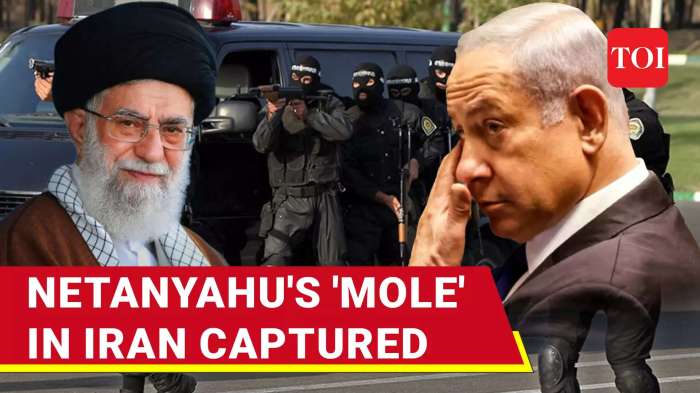
The execution of the individual accused of spying for Israel has profound implications for regional security and international relations. The act carries the potential for a ripple effect, impacting not only Iran’s relations with its neighbors but also the broader global geopolitical landscape. This action is likely to exacerbate existing tensions and could potentially escalate into further conflicts or diplomatic crises.The Iranian government’s actions, particularly in cases involving accusations of espionage, often trigger significant reactions from the international community.
The response from other nations will heavily influence the long-term consequences of this execution. The outcome hinges on whether the international community can maintain a degree of composure and restraint, or whether the event serves as a catalyst for further escalation.
Potential for Regional Instability
This execution serves as a clear demonstration of Iran’s resolve in maintaining its perceived national interests, even if it means facing international condemnation. The act may embolden other nations in the region to take similar, potentially confrontational, stances. The precedent set could potentially lead to further instances of high-profile executions and escalations of tensions. Historical examples demonstrate that such actions have a tendency to increase regional instability, often leading to conflicts and further distrust between nations.
Potential for Diplomatic Solutions
Diplomatic efforts to de-escalate tensions will be crucial. The involvement of neutral parties or international organizations could play a significant role in mediating any disagreements. However, the willingness of all parties to engage in constructive dialogue and compromise will determine the success of any such efforts. Previous instances of diplomatic initiatives, often involving mediation, have shown varied success rates, depending on the specific circumstances and the willingness of the involved parties to negotiate in good faith.
Potential for Further Unrest or Protests in Iran
The execution could trigger public demonstrations and protests within Iran. The level of unrest depends on several factors, including public sentiment, the government’s response to any protests, and the involvement of international actors. Previous instances of public dissent in Iran highlight the potential for significant social unrest in response to such actions. Examples from past events, including the 2009 Green Movement and other demonstrations, demonstrate that public discontent can take diverse forms, from peaceful protests to more violent confrontations.
Iran’s execution of a man accused of spying for Israel, as reported by Mizan, is a serious development. Meanwhile, US wheat is experiencing a remarkable surge in sales, hitting multiyear highs thanks to improved crop health and strong export figures. This impressive performance in the agricultural sector, as detailed in this article about us wheat gets glow up multiyear highs crop health export sales braun , highlights the complexities of global trade and political tensions, ultimately bringing us back to the serious situation in Iran.
Examples of Similar Events Impacting Regional Relations
Past instances of executions and political confrontations in the Middle East have significantly altered regional dynamics. The execution of political dissidents, the imposition of sanctions, and the escalation of conflicts have consistently resulted in a deterioration of diplomatic relations, the rise of extremist groups, and a general atmosphere of hostility. Such examples underscore the importance of careful consideration and responsible action in international relations to avoid a cascade of negative consequences.
Possible Scenarios and Potential Outcomes
| Scenario | Potential Outcomes |
|---|---|
| Escalation of Regional Tensions | Further deterioration of diplomatic relations, potential for military conflict, and increased regional instability. |
| International Condemnation and Sanctions | Imposition of further sanctions against Iran, potentially impacting its economy and its ability to conduct international trade. |
| Diplomatic Efforts and De-escalation | Increased engagement with international actors, potential for dialogue, and a reduced likelihood of further conflict. |
| Internal Unrest in Iran | Potential for widespread protests, government crackdown, and increased social unrest. |
Illustrative Content (for potential images/graphics)
This section delves into potential visual representations that could accompany articles or reports on Iran’s execution of a man accused of spying for Israel. The chosen imagery aims to evoke the complexities of the situation, from historical tensions to human rights concerns and global reactions. These images, while not directly depicting the event itself, offer a powerful visual narrative to support the text.
Historical Image Representing Iran-Israel Relationship
A historical image, possibly a photograph or a political cartoon, could depict a significant event or period that illustrates the strained relationship between Iran and Israel. For example, a picture from the 1980s showing Iranian protests against Israel or an image of the 1980s–1990s Israeli–Palestinian conflict, potentially with an overlaid text referencing the ongoing conflict and the historical context of animosity.
This would highlight the decades-long history of animosity and the deeply rooted political differences that underpin the current situation.
Symbolic Image Representing the Death Penalty
A powerful symbolic image could represent the death penalty. This could be an abstract graphic, possibly a stylized image of a severed head or a depiction of a person with a noose around their neck, or a simple image of an empty chair. The image could be overlaid with statistics regarding the frequency of executions in Iran or other countries, or the number of death penalty cases pending.
The aim is to convey the gravity of the act and the universal human rights concerns surrounding capital punishment. Alternatively, a graphic of an empty chair with a single lightbulb or other symbolic element could be a representation of the loss of human life.
Illustrative Image of the Middle East Geopolitical Landscape
A map of the Middle East highlighting key countries, including Iran and Israel, would be illustrative. The map could be color-coded to show different geopolitical alliances or regions of conflict. Overlaying this map with lines or markers signifying different points of tension, such as nuclear agreements or recent military engagements, would provide a comprehensive view of the region’s complex geopolitical landscape.
This image would allow the reader to quickly grasp the context of the region’s power dynamics.
Image Representing International Organizations Involved in Human Rights
A composite image showcasing logos or symbols of international human rights organizations, such as Amnesty International, Human Rights Watch, or the United Nations Human Rights Office, would be a powerful visual representation. The image could include brief text indicating the organization’s mission or their role in advocating for human rights. The visual focus on these organizations signifies the global attention and involvement surrounding the execution and human rights concerns.
The image would subtly indicate the importance of global participation in upholding human rights.
Image Showing Potential Impact on the International Community
A graphic representing the possible impact of the execution on the international community could depict a fractured or divided world map. Different sections of the map could be colored to represent various reactions – condemnation, concern, or indifference. The use of different shades or intensities of color could represent the degree of reaction. Alternatively, an image of a fractured mirror or a distorted image could symbolize the divided reactions and opinions surrounding the event and its impact on international relations.
This visual representation would highlight the complex and potentially destabilizing consequences of the execution on the international stage.
Final Review
The execution of the man accused of spying for Israel, as reported by Mizan, marks a significant escalation in the already tense relationship between Iran and Israel. Reactions from various international actors, including human rights organizations and governments, highlight the complex web of geopolitical interests at play. The potential for further escalation and the long-term impact on regional security remain key concerns.
The case raises important questions about human rights, international law, and the future of relations between Iran and Israel, as well as the broader Middle East.