Princess Diana and Royal Chef Darren McGrady Shared an Unforgettable Dance at Balmoral Castle

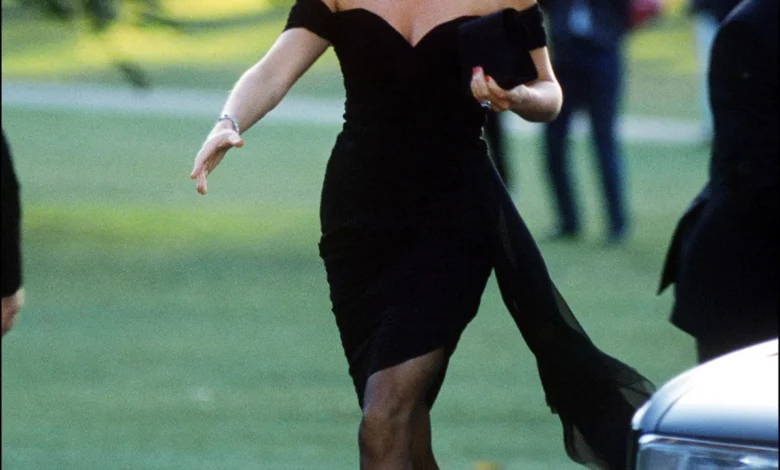
Decades after her passing, the enduring legacy of Diana, Princess of Wales, continues to be defined not only by her groundbreaking humanitarian work and iconic fashion choices, but also by her profound empathy, warmth, and rare ability to make individuals from all walks of life feel valued. While the public often envisions the late royal moving through high-stakes diplomatic environments or formal state functions, her private interactions with household staff revealed a distinct sense of humor and a genuine down-to-earth nature. A vivid illustration of this dynamic emerged during a live recording of Hello! magazine’s "A Right Royal Podcast," where former royal family chef Darren McGrady recounted a delightfully nerve-wracking yet cherished memory: his first time dancing with Princess Diana at the traditional Ghillies Ball at Balmoral Castle.
A Chef Out of Water: The Apprehension at Balmoral
For Darren McGrady, stepping into the kitchens of the British Royal Family as a young chef was a career-defining honor, but it also came with a steep learning curve and an overwhelming sense of decorum. During the podcast episode, McGrady detailed the immense anxiety that accompanied his introduction to the social traditions of the monarchy’s Scottish estate, Balmoral Castle—a private sanctuary where the royal family traditionally unwinds during the late summer months.
Central to this social calendar is the Ghillies Ball, a historic annual dance held for the monarch, the royal family, and the estate staff, including ghillies (outdoor workers), housekeepers, and kitchen personnel. The event is steeped in Scottish country dancing, a fast-paced, intricate style that requires precise footwork and spatial awareness.
Having just joined the household staff, McGrady found himself paralyzed by stage fright. Confronted with the prospect of participating in traditional Scottish reels without any prior experience, his anxiety was compounded by an intimidating thought: What if the reigning monarch, Queen Elizabeth II, asked him to dance?
Approaching Princess Diana prior to the event, McGrady confessed his lack of dancing credentials and his fear of being tapped on the shoulder by the Queen. According to McGrady, the Princess of Wales responded with characteristic levity, laughing gently and offering words of reassurance: "Darren, you’ve just started, The Queen won’t ask you to dance."
Into the Spotlight: The Worst and Best Night of His Life
While Princess Diana’s initial reassurance successfully neutralized McGrady’s fear of a royal summons from the sovereign, it did not save him from the Princess herself. True to her playful nature, Diana had no intention of letting the young, apprehensive chef hide in the safety of the sidelines for the entire evening.
Recalling the pivotal moment halfway through the ball, McGrady described how the Princess made a beeline for him. "Darren, would you come and dance with me?" she asked. When the chef protested, reminding her that he had explicitly stated he could not dance, Diana quipped back with a grin, "I know, you told me."
What followed was a surreal, high-visibility spectacle for the young kitchen employee. Stepping onto the grand ballroom floor under the collective gaze of the entire royal household and invited guests, McGrady experienced a mixture of terror and exhilaration.
"We went onto the dance floor, and everyone was staring, and I was holding the princess, and this was the worst night of my life, but it was the best night of my life too," McGrady reminisced during the podcast. He described the whirlwind nature of the dance, noting that he had no idea whether they were moving forward or backward, spinning around as the music surged. Despite the lack of professional choreography on his part, McGrady emphasized that the experience was underpinned by pure joy and infectious laughter.
Evolution of a Royal Tradition: From Balmoral to Hollywood Parallels
That initial, chaotic dance at Balmoral Castle was not a one-off occurrence. Instead, it laid the foundation for an annual tradition that endured throughout McGrady’s tenure working for the Princess.
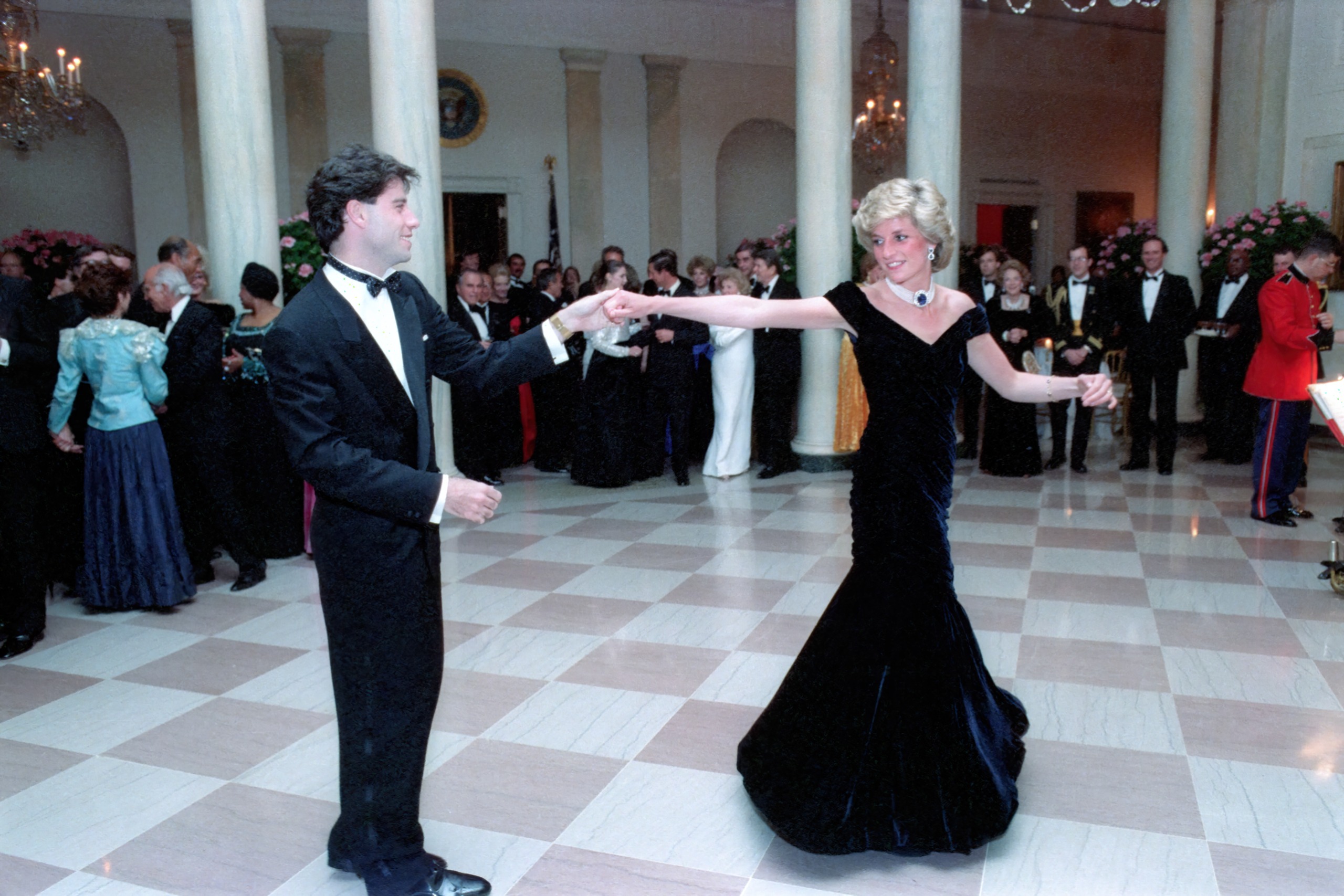
"And remembering the Princess like that… I danced with her for the next 11 years at Balmoral," McGrady explained to the podcast listeners. Over more than a decade of shared service, the chef’s dancing skills naturally improved under the Princess’s patient and humorous tutelage. By the eleventh year, McGrady playfully noted, his rhythm and execution had evolved to a point where he felt confident comparing his dancing prowess to John Travolta’s iconic spin with the Princess at the White House in November 1985—a moment famously captured by the Ronald Reagan Presidential Foundation and Institute that remains one of the defining cultural images of the late 20th century.
This lighthearted anecdote underscores the unique working culture fostered by Princess Diana behind palace doors. While royal protocol dictated strict hierarchies and formal boundaries between family members and household employees, Diana frequently bypassed these rigid social divides. By humanizing herself to staff members and sharing in their vulnerabilities—such as a novice chef’s fear of two-step missteps—she cultivated deep loyalty and affection among those who worked closely in her private residences.
The Broader Context of Royal Household Dynamics
The reflections shared by Darren McGrady offer valuable historical context into the inner workings of the British monarchy during the 1980s and 1990s. Balmoral Castle, nestled in the Aberdeenshire countryside, has long served as a private retreat where the royal family attempts to escape the relentless scrutiny of the British press and public eye.
Within this secluded environment, traditions like the Ghillies Ball play a critical role in bridging the gap between the royals and their loyal staff. Historical accounts from various former royal footmen, chefs, and protection officers consistently highlight that while formal protocol was strictly observed during official public engagements, private estate life often involved a surprising degree of informal camaraderie.
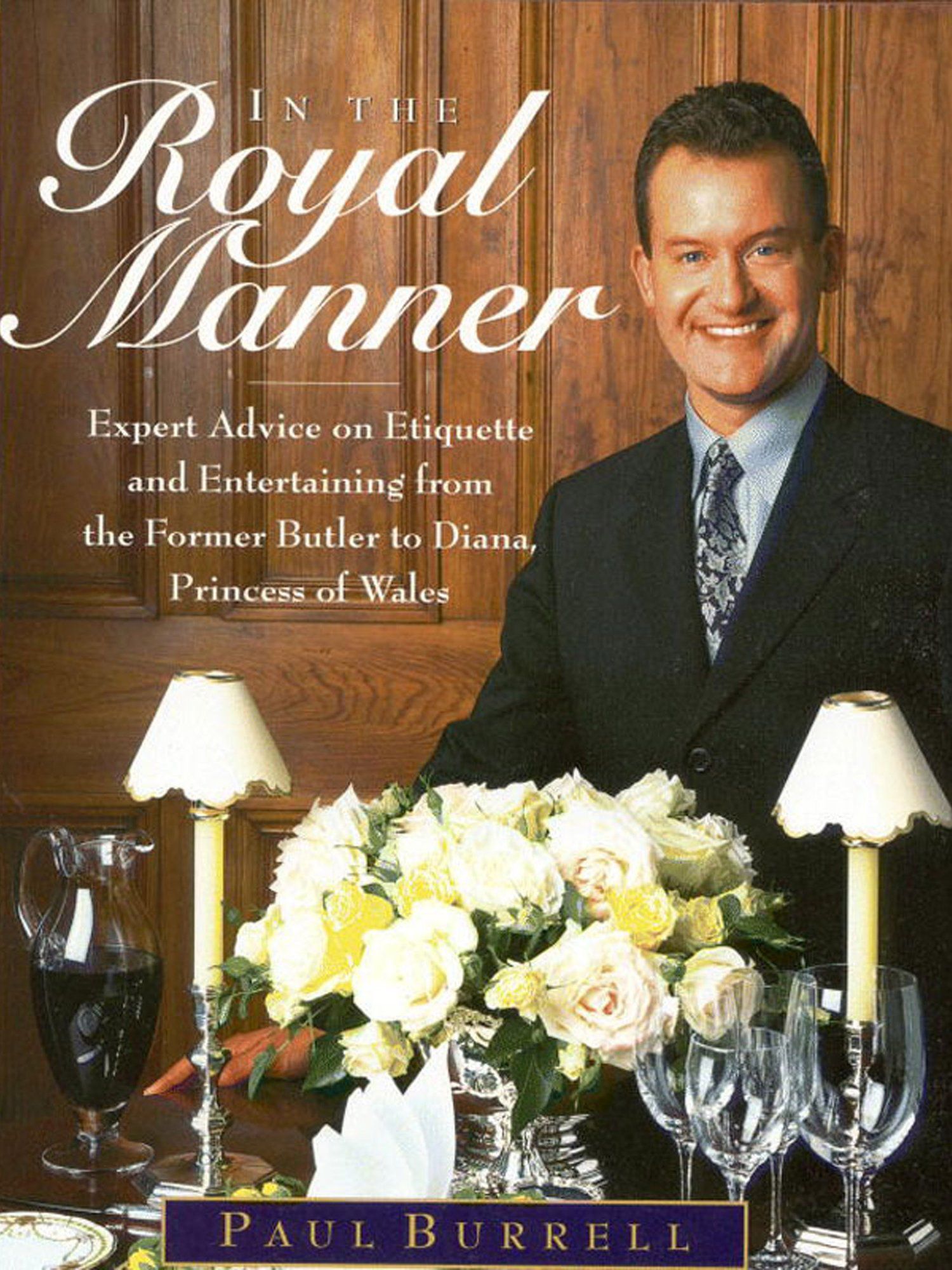
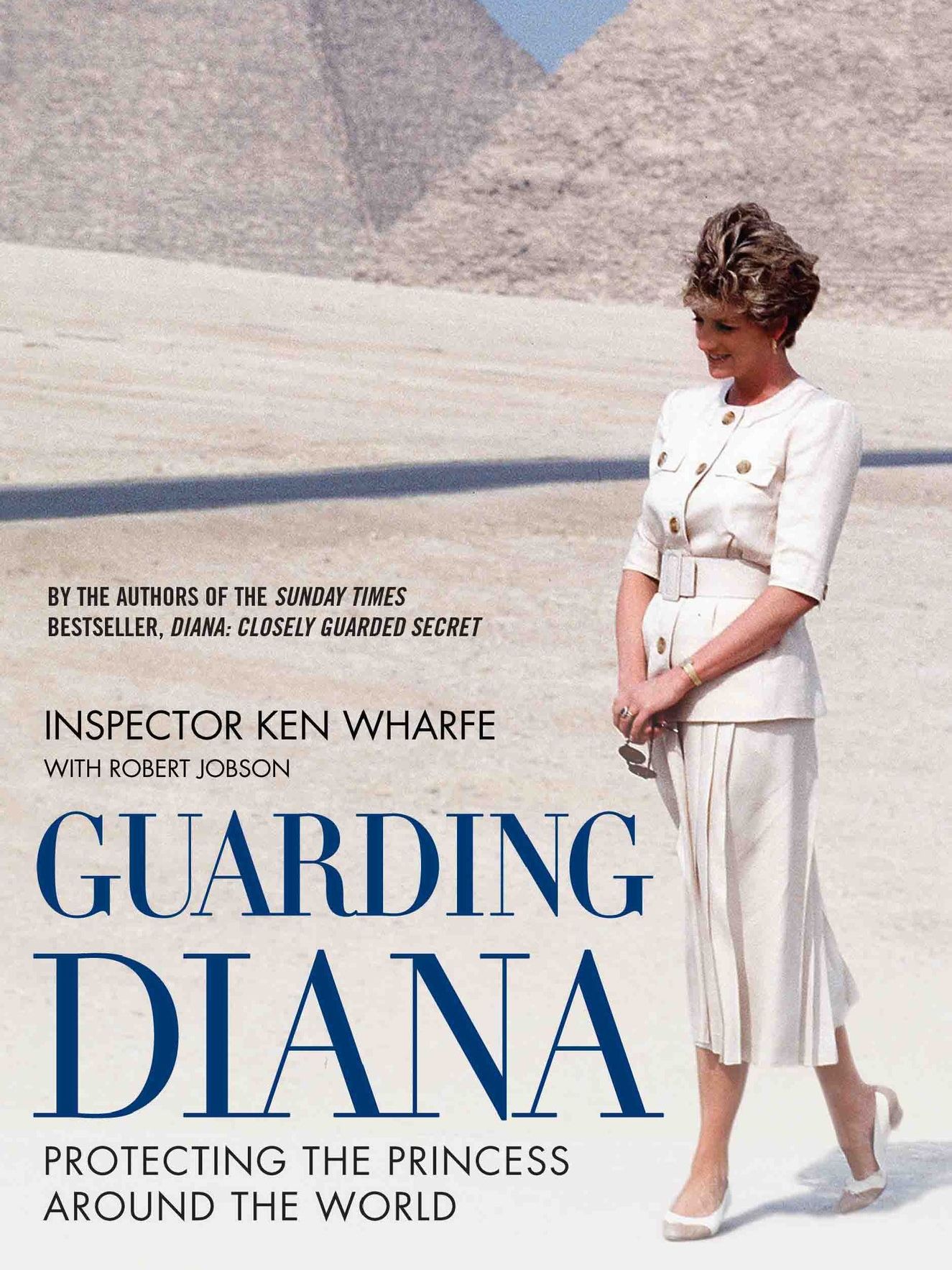
Princess Diana, in particular, was known for treating domestic staff not merely as silent cogs in a vast institutional machine, but as human beings deserving of conversation, empathy, and occasional mischief. Former royal butler Paul Burrell and former police bodyguard Ken Wharfe have similarly documented in various memoirs and interviews how the Princess would frequently visit the kitchens to chat with the chefs, check on meal preparations, or share a laugh to break the monotony of long working hours.
Implications and Lasting Cultural Impact
Interviews and podcasts featuring former insiders like Darren McGrady continue to hold significant appeal for historians, royal watchers, and the broader public. They serve to humanize historical figures who are frequently mythologized or viewed exclusively through the lens of tabloid headlines and formal biographies.
The enduring fascination with Princess Diana’s personal life nearly three decades after her tragic death in August 1997 demonstrates the remarkable staying power of her public persona. Stories that highlight her self-deprecating humor, her ability to put subordinates at ease, and her genuine warmth reinforce the narrative of "The People’s Princess"—a title she earned through her humanitarian outreach and her relatable, empathetic interpersonal style.
Furthermore, McGrady’s reflections provide a rare glimpse into the quiet, everyday moments of royal service that rarely make it into official archives. By transforming what could have been a terrifying breach of etiquette into an enduring, decades-long friendship marked by mutual respect and shared humor, Princess Diana demonstrated the emotional intelligence that made her one of the most beloved and influential global icons of the modern era. As new generations continue to explore the history of the British monarchy through books, podcasts, and documentaries, these personal narratives ensure that the human element of the royal family’s history remains vibrant, relatable, and preserved for posterity.
Related posts: