
La Protests Live Downtown La Declared Unlawful Assembly Area After Third Day
LA Protests Live: Downtown LA Declared Unlawful Assembly Area After Third Day
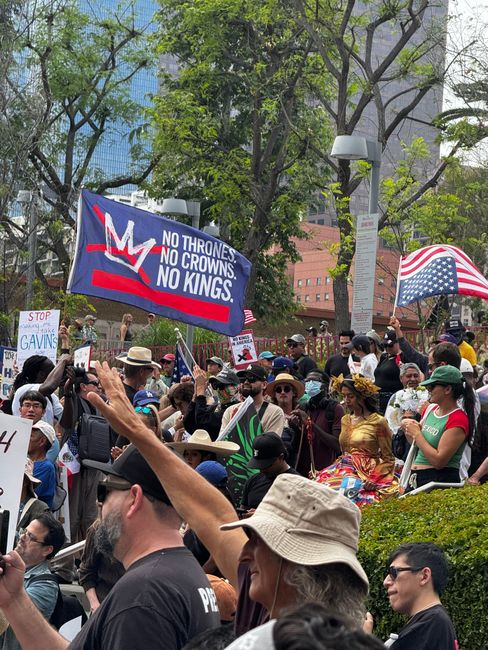
Downtown Los Angeles became the focal point of escalating tensions as law enforcement declared an unlawful assembly for the third consecutive day on [Insert Specific Date], amidst ongoing protests that began on [Insert Date of Protest Start]. The decision, made by the Los Angeles Police Department (LAPD) and supported by other law enforcement agencies, signaled a significant shift in the city’s response to the demonstrations, which have drawn thousands of participants expressing a range of grievances. The designation of unlawful assembly grants authorities the legal power to disperse crowds, issue citations, and make arrests, fundamentally altering the dynamic of public demonstrations in the heart of the city. This development follows days of intense activity, including marches, demonstrations, and instances of civil unrest, prompting a robust law enforcement presence and a heightened state of alert. The situation in downtown LA underscores the complex interplay between the right to assemble, public safety concerns, and the challenges faced by urban centers in managing large-scale public events.
The protests, which have reverberated through the streets of downtown LA, are multifaceted in their origins and objectives. While specific demands and motivations vary among different groups and individuals, a common thread involves calls for [Identify core issues driving the protests, e.g., racial justice, police reform, economic equality, specific policy changes, etc.]. The sheer volume of participants over three consecutive days indicates a deep well of public sentiment and a sustained desire for dialogue and action on these critical issues. The initial days of the protests were largely characterized by [Describe the nature of the early protests, e.g., peaceful marches, impassioned speeches, the carrying of signs and banners]. However, as the demonstrations continued, certain elements within the crowds reportedly engaged in behaviors that led to a more forceful law enforcement response. Reports of [Mention specific incidents that escalated the situation, e.g., property damage, confrontations with police, traffic disruptions, the use of projectiles] became increasingly prevalent, contributing to the official declaration of an unlawful assembly. Understanding these triggers is crucial for a comprehensive analysis of the events.
The declaration of an unlawful assembly is not a spontaneous action but rather a procedural response by law enforcement to perceived threats to public order and safety. In the case of the downtown LA protests, officials cited [Detail the specific reasons provided by law enforcement for the declaration, e.g., the inability to maintain public safety, widespread looting, significant traffic blockages posing an emergency risk, the use of dangerous weapons]. The legal threshold for such a declaration typically involves evidence of widespread public disturbance, destruction of property, or an imminent threat to life and limb. The LAPD, in conjunction with agencies such as the Los Angeles County Sheriff’s Department and potentially California Highway Patrol, strategically deployed personnel to manage the crowds and enforce the unlawful assembly order. This often involves establishing perimeters, issuing dispersal orders, and subsequently apprehending individuals who refuse to comply. The efficacy and appropriateness of these measures are often subject to intense public scrutiny and debate.
The impact of declaring an unlawful assembly on downtown Los Angeles is far-reaching. Economically, businesses in the affected areas often suffer significant losses due to closures, damage, and the general disruption to commerce. The vibrant downtown core, home to financial institutions, retail establishments, and cultural venues, experiences a palpable chilling effect. Socially, the declaration can create an atmosphere of fear and intimidation, potentially discouraging future peaceful demonstrations. It also raises questions about the balance between the fundamental right to protest and the need to maintain order. Legally, individuals arrested during an unlawful assembly face potential charges ranging from [List potential charges, e.g., unlawful assembly, resisting arrest, vandalism, looting], which can have lasting consequences on their records and future opportunities. The long-term implications for community relations and trust between law enforcement and the public are also significant considerations.
Analyzing the progression of the protests over the three days reveals a dynamic situation. Day one and two may have seen different levels of participation and different types of incidents compared to the third day leading to the declaration. [Elaborate on the specific events and their chronological order. For example: "The initial day was marked by a massive, largely peaceful march from Pershing Square, with participants carrying signs and chanting slogans. However, by the evening, reports began to surface of isolated instances of vandalism near the Historic Core. Day two saw a similar turnout, but with increased police presence and early skirmishes reported around City Hall. The cumulative effect of these incidents, coupled with intelligence regarding potential further escalation, is believed to have informed the decision to declare an unlawful assembly on the third day."] Understanding this temporal evolution is critical for a nuanced perspective.
The public discourse surrounding the downtown LA protests and the subsequent declaration of an unlawful assembly highlights a polarized societal landscape. Supporters of the protests often emphasize the urgency of the issues being raised and argue that forceful law enforcement responses can stifle legitimate dissent. They may point to historical precedents where protests, initially met with resistance, ultimately led to significant societal progress. Conversely, those who support the law enforcement actions often prioritize the restoration of order and the protection of property and public safety. They may argue that the actions of a few individuals should not be allowed to derail peaceful demonstrations or cause widespread damage. This dichotomy of perspectives underscores the deeply held beliefs and concerns that are at play. [Optionally, include specific quotes or perspectives from different groups if readily available and relevant, ensuring attribution.]
The media’s role in covering the downtown LA protests and the unlawful assembly declaration has been pivotal in shaping public perception. News organizations have provided real-time updates, visual coverage, and analyses, contributing to a broader understanding of the events. However, the framing of these reports can significantly influence how the public interprets the situation. Emphasis on [Mention potential media focuses, e.g., property damage, police actions, protester demands] can lead to different conclusions. The use of social media by both protesters and law enforcement has also played a crucial role, allowing for immediate dissemination of information, albeit often unfiltered and unverified. The interplay between traditional media, social media, and official statements creates a complex information ecosystem that citizens must navigate.
Looking ahead, the aftermath of the downtown LA unlawful assembly declaration will likely involve continued scrutiny of law enforcement tactics, ongoing public dialogue about the underlying issues, and potential legal ramifications for those involved. The city faces the challenge of balancing the protection of constitutional rights with the imperative of maintaining public safety and order. [Suggest potential future developments or considerations, e.g., calls for independent investigations, proposals for improved protest management strategies, ongoing community engagement initiatives]. The events of the past three days serve as a stark reminder of the persistent societal challenges that continue to demand attention and resolution. The resolution of these complex issues will require a multifaceted approach that addresses both the immediate concerns and the deeper systemic factors contributing to public unrest. The legacy of these protests and the official response will undoubtedly shape the future of public demonstrations in Los Angeles.
