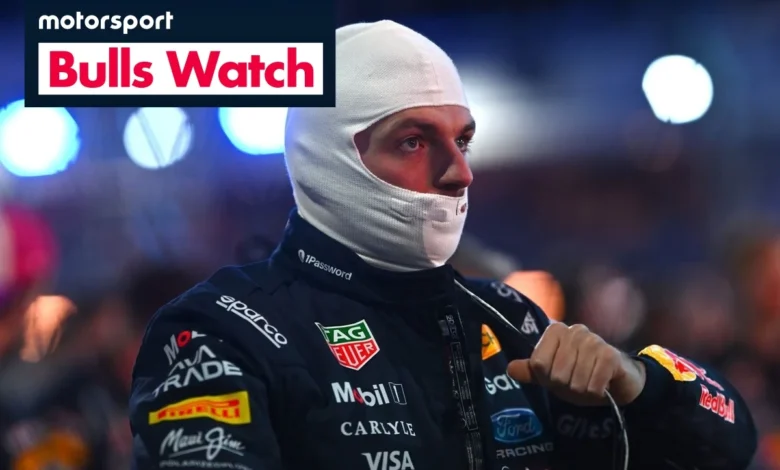
The Formula 1 circus has arrived in Doha for the penultimate round of the 2026 world championship, but for four-time world champion Max Verstappen, the atmosphere is far from celebratory. As the sport prepares for a high-stakes finale in Qatar and Abu Dhabi, the Red Bull Racing driver has offered a candid assessment of the geopolitical environment surrounding these final events. While the paddock functions under strict security protocols, the shadow of ongoing regional hostilities has cast a long pall over the conclusion of this 23-race marathon.
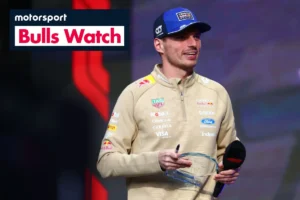
In a recent interview with the Dutch publication De Telegraaf, Verstappen did not shy away from the tension of the current situation. When asked about his comfort level regarding the trip to the Middle East, he was blunt: "Do I feel comfortable with it? No, I’d rather stay at home. But we’ve been given certain guarantees, and therefore we have to assume they’re true. It’s not exactly pleasant to go somewhere knowing that rockets can still fly over your head in the surrounding countries. But, anyway, we’re going."
This sentiment reflects a deeper, unspoken anxiety that has permeated the Formula 1 community throughout the latter half of the 2026 season. The sport, which prides itself on its global reach and ability to unite disparate cultures, has faced its most challenging operational year in recent history, forced to navigate the complexities of international conflict while maintaining a rigorous racing schedule.
A Season of Unprecedented Disruption
The 2026 calendar has been defined by its instability. Faced with escalating tensions in the Middle East, the Formula 1 governing body—the FIA—and the sport’s commercial rights holders, Liberty Media, were forced into a series of reactive maneuvers that fundamentally altered the season’s geography.
The most significant casualty of the year was the Saudi Arabian Grand Prix, originally scheduled for April, which was cancelled outright. This decision set a precedent for the year, forcing stakeholders to reconsider the viability of Middle Eastern venues. Subsequently, the Bahrain Grand Prix, which was originally slated for the early stages of the calendar, was relocated to the Sepang International Circuit in Malaysia. This shift provided a reprieve for the sport, allowing for a successful event in October where Verstappen secured a dominant victory from pole position.
For months, the situation remained fluid. Officials kept the historic Imola circuit in Italy on standby as a potential cold-weather contingency should the final two rounds in Qatar and Abu Dhabi become untenable. The tension finally subsided on November 10, when, following extensive consultations with security experts and government officials, all 11 teams formally backed the decision to proceed with the original Gulf-based finale.

Divergent Views Within the Paddock
The reaction from the driving contingent has been far from uniform. While Verstappen has been the most vocal regarding his personal unease, other leaders within the Grand Prix Drivers’ Association (GPDA) have adopted different approaches to the mounting pressure.
Ahead of the United States Grand Prix in October, GPDA director Carlos Sainz expressed significant skepticism regarding the safety and stability of the late-season calendar. "They seem very convinced that it’s going to go ahead," Sainz remarked, referring to the governing bodies. "On my personal side, I’m not." His call for the collective to "stay diligent, and reactive to whatever happens" underscored a lack of consensus regarding the reliability of the safety guarantees provided by local organizers.
Conversely, George Russell, who serves alongside Sainz as a director of the GPDA, has projected a sense of professional pragmatism. Speaking to the media in Las Vegas, Russell stated he had "no hesitation" regarding the travel, emphasizing reliance on the expertise of security consultants. Similarly, McLaren’s Lando Norris noted that he trusts the leadership of Formula 1 to prioritize the safety of the 2,000-plus personnel traveling with the teams, suggesting that the sport’s decision-makers would not willingly place their staff in harm’s way.
Official Stance and Governance
FIA President Mohammed Ben Sulayem has maintained a posture of unwavering confidence. Following the confirmation that the season would conclude as planned, Ben Sulayem took to social media to reiterate the organization’s commitment. "We are fully prepared and committed to delivering two outstanding grand prix weekends and a spectacular conclusion to the championship," he stated, highlighting that the governing body is working in close coordination with regional partners to ensure a secure environment for all stakeholders.
Despite these assurances, the reality of the situation remains complex. The logistical burden of hosting a Formula 1 event is immense, requiring thousands of tons of equipment and the movement of a small city’s worth of people. The "guarantees" mentioned by Verstappen generally involve advanced surveillance, airspace management, and private security details—a standard, yet heavy, operational footprint for modern sports in volatile regions.
Competitive Stakes: The Battle for Millions
While the backdrop of the race is marked by caution, the track action remains as competitive as ever. With 20-year-old Kimi Antonelli having already clinched the drivers’ title in Mexico City and Mercedes securing the constructors’ championship in São Paulo, the focus for the final two rounds has shifted to the secondary battles that carry massive financial implications for the teams.
Red Bull Racing, currently sitting on a razor-thin edge in the constructors’ standings, is locked in a fierce battle with McLaren for third place. As of the arrival in Doha, Red Bull holds a 440–431 point lead over the Woking-based outfit. With 86 points still on the board, the difference between a third or fourth-place finish in the championship is measured in millions of dollars in prize money—a factor that influences team budgets, development programs, and future competitiveness.
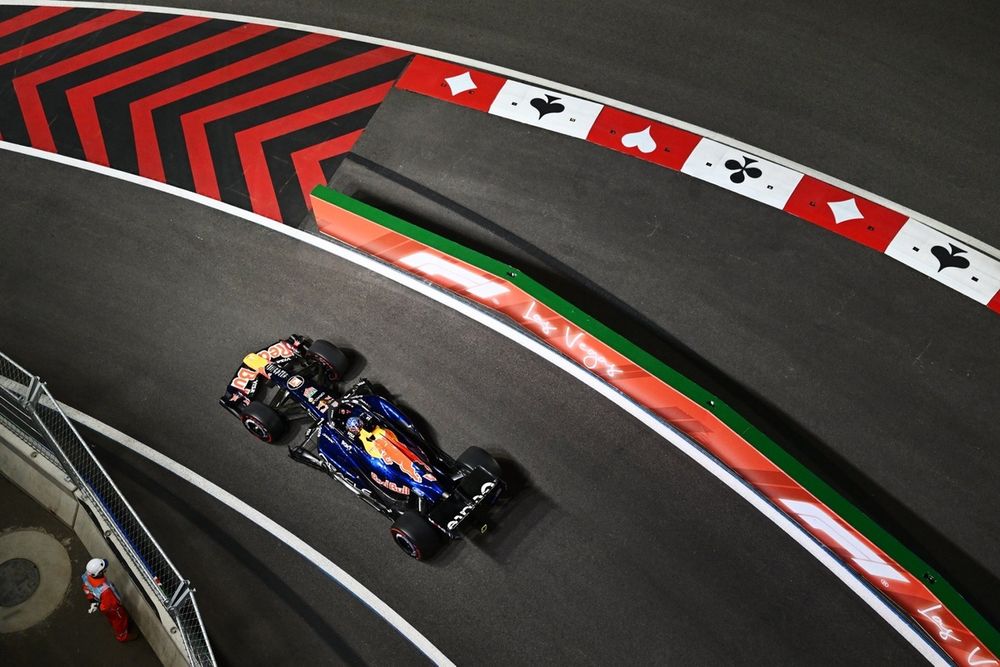
Verstappen, currently second in the drivers’ standings with 304 points, is fighting to defend his runner-up position. He holds a 37-point advantage over Lewis Hamilton (267) and a 40-point gap to both George Russell and Lando Norris (264 each). With only 50 points remaining in the drivers’ championship, Verstappen’s late-season surge—marked by a nine-race podium streak and four victories in his last six outings—has cemented his role as the driver to beat, regardless of the venue.
Technical Challenges at Losail
Adding to the complexity of the weekend in Qatar, the FIA and tire supplier Pirelli have introduced a significant technical constraint. The Losail International Circuit, known for its high-speed corners that place immense lateral stress on rubber, will feature a mandatory 27-lap maximum stint length. Given the 57-lap race distance, this effectively mandates a minimum of two pit stops for all competitors.
This strategic wrinkle is designed to mitigate the risk of high-speed tire failures, which have historically plagued the track under high-downforce conditions. For teams like Red Bull and McLaren, this introduces a layer of tactical uncertainty. Engineers must now balance the desire for flat-out performance with the strict requirement to preserve tires, all while monitoring the potential for safety cars—a common occurrence in the desert night.
The Broader Implications for Formula 1
The events of 2026 serve as a microcosm of the challenges facing global sports in the 21st century. As Formula 1 continues to expand its footprint, the tension between commercial growth, historical legacy, and geopolitical reality becomes increasingly difficult to manage. The reliance on regions with unstable security environments poses a persistent risk to the sport’s reputation and operational stability.
The "cold-weather contingency" involving the Imola circuit suggests that the FIA is aware of the fragility of its current model. Future iterations of the calendar may well require more robust backup plans, or perhaps a fundamental rethink of where the sport chooses to host its most high-profile events. The willingness of drivers to voice their concerns publicly represents a shift in the power dynamic within the sport; no longer are athletes content to simply follow the schedule without questioning the broader context of their surroundings.
As the cars line up on the grid in Qatar, the focus will undoubtedly shift to the technical battle between Verstappen, the surging McLaren duo, and the dominant Mercedes. However, for those watching from the paddock and the grandstands, the presence of these events in such a volatile region serves as a stark reminder that in the modern era, the high-speed pursuit of victory cannot be entirely decoupled from the realities of the world outside the circuit walls.
For Max Verstappen, the task is clear: focus on the asphalt, protect the team’s position, and navigate the remaining laps of a season that has tested the resolve of everyone involved. Whether the sport can return to a more stable, predictable calendar in 2027 remains an open question, one that will likely dominate the conversation long after the final chequered flag falls in Abu Dhabi.