Upgrade Your Home Safety Infrastructure with this Black Friday Deal on Interconnected Smoke and Carbon Monoxide Alarms

Deal pricing and availability are subject to change following the time of publication. A standard smoke alarm sounding in a basement serves little purpose if the audio signal fails to reach occupants sleeping on the second floor or in distant wings of a residence. This limitation in conventional, standalone detection systems is a primary driver behind the growing market for wireless, interconnected safety devices. For residents of multi-story homes or larger properties, the transition to networked alarm systems represents a critical evolution in household safety, providing a unified alert mechanism that ensures all occupants are notified simultaneously, regardless of their location within the structure.
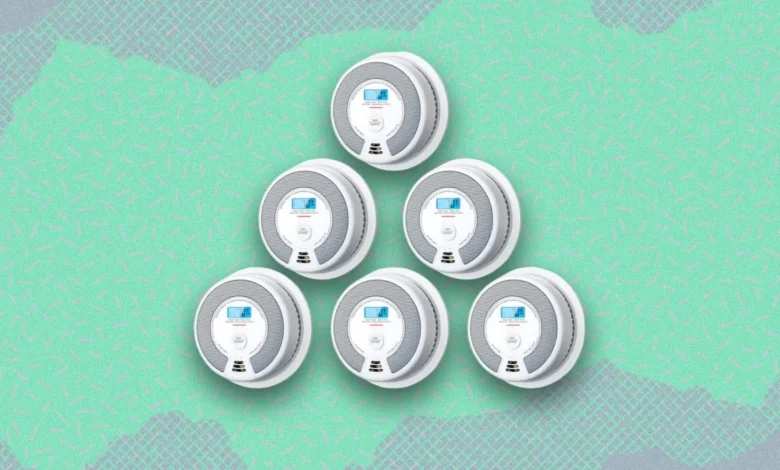
As consumers navigate the annual Black Friday retail period, an opportunity has emerged to modernize residential safety setups. A six-pack bundle of X-Sense SC07-W combination smoke and carbon monoxide (CO) alarms is currently available on Amazon at a reduced price point. The bundle, typically retailing for $270, has been discounted to $210, representing a $60 savings. This offer is scheduled to remain active through November 30, providing a significant incentive for homeowners to replace aging or disparate detection units with a comprehensive, interconnected network.
The Technical Evolution of Residential Detection Systems
The transition from traditional, battery-operated standalone alarms to interconnected systems mirrors broader trends in the smart home sector, where integration and real-time data sharing are prioritized. The X-Sense SC07-W utilizes wireless technology to connect up to 24 individual units. When a single sensor detects a threat, such as smoke from a kitchen fire or rising carbon monoxide levels in a utility room, every paired unit in the home triggers an alarm.
This "all-sound" capability significantly reduces the reaction time for occupants. In a traditional setup, a fire starting in a remote area might consume oxygen or spread structural damage before the sound reaches the bedrooms. With an interconnected system, the auditory alert is immediate and pervasive. Furthermore, these units are designed as a retrofit solution, eliminating the need for hardwired electrical connections that often require professional installation and can be prohibitively expensive to retroactively install in older homes.
Safety Specifications and Longevity
Beyond the connectivity features, the X-Sense SC07-W addresses the issue of device maintenance, which remains the leading cause of alarm failure. Data from the National Fire Protection Association (NFPA) consistently indicates that a high percentage of home fire deaths occur in properties where smoke alarms were present but failed to operate, often due to dead or missing batteries.
To mitigate this, the X-Sense SC07-W comes equipped with a sealed 10-year lithium battery. By removing the need for annual battery changes, the manufacturer aims to ensure the device remains active for its entire recommended service life. Each unit also features an integrated LCD screen, which provides real-time information regarding ambient CO concentrations and identifies the status of the alarm, allowing residents to distinguish between a routine test, a low-battery warning, and an actual emergency.
The device includes an automatic self-check feature that runs every 60 seconds, ensuring the sensors are operational. The alarms are ETL certified, confirming that they meet current safety standards established for residential detection equipment in the United States.
Chronology of Home Safety Standards
The history of residential smoke detection is characterized by a gradual shift from voluntary adoption to stringent building codes. In the 1970s, the introduction of affordable ionization and photoelectric smoke detectors began to transform home safety. Throughout the 1980s and 1990s, municipal codes across the United States began mandating the installation of smoke alarms on every level of a home and inside every bedroom.
The modern era, starting roughly around 2010, saw the introduction of wireless interconnection as a viable consumer technology. Prior to this, interconnectivity was primarily the domain of expensive, hardwired systems that required an electrician to daisy-chain the units during new construction. The arrival of low-power, wide-area wireless protocols allowed companies like X-Sense to bring this capability to the mass market. This development has been vital in addressing the "silent" threat of carbon monoxide, often referred to as the "invisible killer," which lacks the distinct sensory markers of smoke or fire.
Statistical Context and Household Risk
According to the Centers for Disease Control and Prevention (CDC), accidental carbon monoxide poisoning kills approximately 430 people in the United States every year and results in over 50,000 emergency department visits. Carbon monoxide is produced by the incomplete combustion of fuels such as natural gas, gasoline, kerosene, coal, and wood. Because it is odorless, colorless, and tasteless, it is impossible to detect without specialized equipment.
The integration of CO detection into smoke alarm hardware is considered a "best practice" by safety experts. By combining these two sensors into one unit, manufacturers reduce the amount of wall or ceiling hardware required while increasing the density of protection. In a six-pack configuration, a homeowner can effectively cover the basement, main living areas, hallways, and every bedroom, creating a comprehensive "safety grid" that is far more effective than a single, centrally located alarm.
Analysis of the Interconnected Advantage
The primary implication of switching to an interconnected system is the mitigation of "alarm fatigue" and the avoidance of human error during an emergency. In a state of panic, occupants may not always identify the location of a fire immediately. An interconnected system provides a uniform alert, which is crucial in households with children, elderly individuals, or people with hearing impairments.
From an economic perspective, the current Black Friday pricing represents a transition from luxury safety to standard utility. By bundling six units, the cost per unit is reduced, making the upgrade to a whole-home system more accessible for the average consumer. Experts in home security suggest that the return on investment for such systems is measured not in financial savings, but in the critical seconds gained during an emergency event, which can be the difference between a minor incident and a catastrophic loss.
Industry Standards and Regulatory Compliance
The X-Sense SC07-W meets the ETL (Intertek) certification, a mark that demonstrates the product has been tested to meet the requirements of widely accepted product safety standards. This certification is essential for consumers, as it ensures the hardware is not merely a gadget, but a validated life-safety device.
The move toward 10-year sealed batteries also aligns with evolving legislative trends. Many states, including California and Massachusetts, have passed "10-year alarm laws" that mandate the use of sealed, long-life batteries in all new smoke alarm installations to prevent the common practice of disabling alarms to stop nuisance chirping or to reclaim batteries for other devices.
Implications for Future Home Safety
As home automation continues to advance, the next phase of residential safety will likely involve deeper integration with smartphone applications and emergency response services. However, for the present, the wireless interconnected alarm remains the "gold standard" for foundational home protection. The ability to install these systems without specialized labor provides a significant benefit to homeowners who wish to upgrade their safety infrastructure without incurring high installation costs.
The decision to invest in a six-pack of interconnected alarms during the current promotional period offers a clear path toward enhancing residential security. By addressing both fire and carbon monoxide threats with a unified alert system, homeowners can ensure that every corner of their property is monitored, and every occupant is protected by a system designed for maximum reliability.
This Black Friday, the convergence of technological advancement and retail discounting provides an ideal environment for homeowners to evaluate their current safety hardware. With the industry moving toward long-life, interconnected, and multi-hazard detection, the X-Sense SC07-W bundle serves as a practical, evidence-based upgrade for any modern home. As consumers look to protect their property and family, the focus remains on reliability, ease of use, and the critical importance of a system that communicates across the entire home, ensuring that no alert goes unheard.
Disclaimer: An advertiser paid for editorial consideration of this deal. Our editorial experts vetted the deal based on our independent expertise. Because we determined that the deal will save money for the consumer, we wrote the content.