New Peer-Reviewed Study Links Lethal Pesticide Exposure to Mass Die-Off of Western Monarch Butterflies

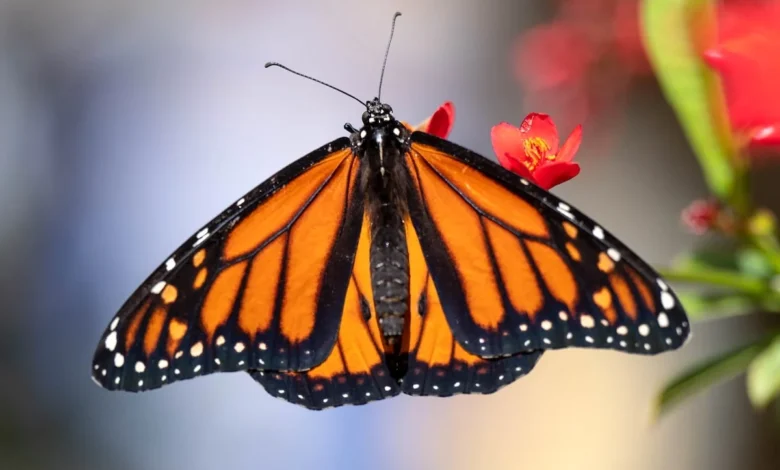
In the quiet groves of California, where the Western monarch butterfly (Danaus plexippus) has historically found refuge during its complex migratory cycle, a grim discovery in early 2024 has sparked an urgent scientific investigation. Researchers have now confirmed that the mass mortality event, which saw hundreds of butterflies perish at the Pacific Grove Monarch Sanctuary, was the direct result of exposure to a toxic cocktail of pesticides. This finding, published in the journal Environmental Toxicology and Chemistry, underscores a growing crisis for one of North America’s most iconic pollinators and highlights the fragility of the habitats upon which they depend.
The incident, which occurred in January 2024, prompted an immediate response from conservationists and toxicologists. By employing advanced analytical techniques—specifically liquid and gas chromatography paired with mass spectrometry—scientists were able to isolate the chemical signatures present in the deceased specimens. The results were startling: an average of seven distinct pesticides, including a combination of insecticides, herbicides, and fungicides, were identified on individual butterflies. The concentration of these substances, particularly three human-made pyrethroids known as bifenthrin, cypermethrin, and permethrin, were found at or near lethal doses, providing a definitive link between chemical contamination and the catastrophic loss of life.
A Chronology of the Crisis
The decline of the Western monarch population is not a sudden phenomenon, but rather a long-term erosion of biodiversity that has accelerated in recent years. To understand the gravity of the January 2024 event, one must view it within the broader timeline of the species’ struggle for survival.
Since the 1980s, the population of Western monarchs has plummeted by nearly 95%. This downward trend has been fueled by a synergistic combination of habitat loss, climate change, and, as confirmed by this latest research, systemic chemical exposure. The January 2024 die-off represents a localized but potent microcosm of this larger trend. When the butterflies were discovered in Pacific Grove, they were exhibiting classic symptoms of neurotoxic poisoning—a condition that leaves these delicate insects incapacitated, unable to navigate, and ultimately fatal in its progression.
Following the discovery, the Xerces Society for Invertebrate Conservation, in collaboration with environmental experts, launched a comprehensive review to identify the source of the contamination. While local investigations by Monterey County officials were unable to definitively pinpoint a single point of origin, the chemical profiles were consistent with pesticides commonly utilized in both industrial agriculture and urban landscaping.
The Anatomy of Chemical Exposure
The presence of seven different pesticides on a single insect is indicative of the "chemical landscape" that migratory species must navigate. Staci Cibotti, a pesticide risk prevention specialist at the Xerces Society and lead author of the study, noted that the high levels detected suggest these chemicals were likely the primary driver of the die-off.
The three primary pyrethroids identified—bifenthrin, cypermethrin, and permethrin—are synthetic chemicals designed to disrupt the nervous systems of insects. While these are effective at managing agricultural pests or controlling mosquito populations, they are non-discriminatory in their impact. When applied in proximity to overwintering sites or along migratory corridors, these substances can drift through the air, contaminating the nectar sources and the resting habitats of the monarchs.
The study’s data revealed that every single sample tested contained bifenthrin and cypermethrin, with all but two samples also testing positive for permethrin. This widespread contamination suggests that the butterflies were not merely exposed to a single accidental spray, but rather to a persistent environmental burden that they encountered across their journey.
Broader Implications for Biodiversity
The implications of this study extend far beyond the Pacific Grove incident. The Western monarch butterfly is currently listed as an endangered species by the International Union for Conservation of Nature (IUCN), and the U.S. Fish and Wildlife Service has issued dire warnings regarding their future. Current projections suggest a 99% probability of extinction for the Western monarch population by the year 2080 if current environmental stressors are not mitigated.

The vulnerability of the monarch is magnified during the winter months. As these insects gather in dense clusters at overwintering sites, they are exceptionally susceptible to environmental insults. A single, localized application of a pesticide can have an exponential impact, killing hundreds of individuals at once. This was similarly observed in 2020 in North Dakota, where aerial mosquito spraying during the peak of migration led to a significant mass mortality event.
The ecological ripple effects of such losses are profound. As pollinators, monarchs play a vital role in maintaining the health of the ecosystems they traverse. Their disappearance does not only signify the loss of a beautiful species but represents a collapse of the interconnected biological services that support plant reproduction and habitat stability.
Policy Recommendations and the Path Forward
In response to the study’s findings, the Xerces Society has issued a set of evidence-based recommendations designed to protect the remaining population. These include:
- Increased Public Education: Expanding awareness regarding the risks associated with residential and agricultural pesticide use, particularly in areas near critical habitats.
- Pesticide-Free Buffer Zones: Establishing mandatory "no-spray" zones around known overwintering sites to prevent the drift of toxic chemicals.
- Enhanced Regulatory Coordination: Improving the tracking and reporting of pesticide usage by public officials to allow for proactive interventions during peak migration windows.
- Integration into Recovery Plans: Ensuring that pesticide exposure risks are formally addressed in federal and state-level monarch conservation and recovery strategies.
Emily May, co-author of the study and agricultural conservation lead at the Xerces Society, emphasized that systemic change is the only viable path forward. "Protecting monarchs from pesticides will require both public education and policy change," May stated. "We are committed to working with communities and decision-makers to ensure that overwintering sites are healthy refuges for these butterflies."
The Multi-Faceted Threat of Pesticide Use
The issue is further complicated by the ubiquity of pesticide applications in modern life. As noted by the study’s authors, these chemicals are not limited to large-scale industrial farms. They are found in structural pest control, home gardening, turf management for golf courses and parks, and government-led mosquito abatement programs. Even in "natural" areas, pesticides are sometimes employed to manage forest pests or disease vectors, creating an environment where a butterfly’s natural habitat is rarely free from chemical risk.
For the Western monarch, the journey from summer breeding grounds to coastal wintering sites is a monumental feat of endurance. By the time they reach the Pacific coast, they are physically stressed and nutritionally depleted. The added burden of chemical toxicity acts as a final, often fatal, straw.
Scientific Urgency and Future Outlook
The 2025 data, which saw the Western monarch population total just 9,119 individuals, serves as a sobering reminder of the narrow margin for error. The 2024 die-off was not just a tragic event; it was a wake-up call for the scientific community and policymakers alike. The methodology used in the study—a rigorous, peer-reviewed analysis—has provided the data needed to move beyond speculation and toward targeted, actionable solutions.
As we look toward the future of conservation, the focus must shift from reactive management to proactive protection. This involves a fundamental reassessment of how we manage chemical inputs in the landscape. Whether through the adoption of integrated pest management (IPM) practices, which prioritize non-chemical solutions, or through stricter enforcement of drift prevention, the priority must be to restore the safety of the environments these pollinators rely on.
Ultimately, the survival of the Western monarch depends on our ability to coexist with the natural world in a way that does not treat biodiversity as an externality. The research from the 2024 die-off provides a clear, documented path to understanding the damage caused by our current practices. Whether that knowledge leads to the preservation of this species or its continued decline remains a question of political will and public stewardship. As the Xerces Society continues its work to monitor these populations, the scientific community remains hopeful that, with immediate and sustained action, the decline of the Western monarch can be slowed, and perhaps, reversed.