Colossal Biosciences Unveils Breakthrough AI Platform GenoMorph to Accelerate Dodo De-Extinction Efforts

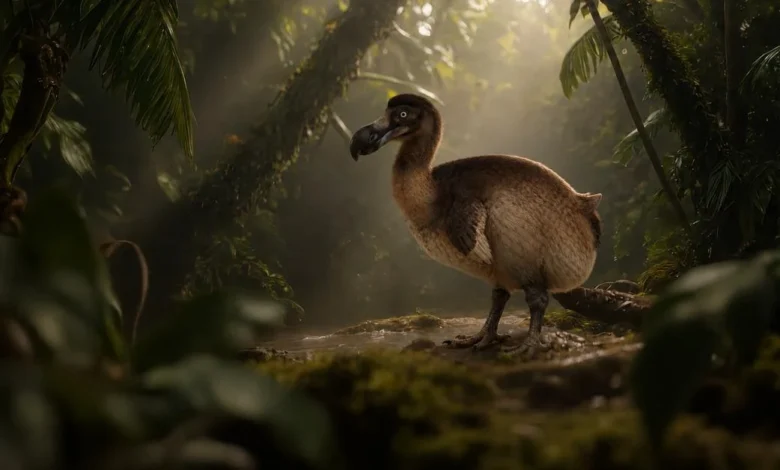
The scientific pursuit of de-extinction has crossed a significant threshold as biotechnology and genetic engineering firm Colossal Biosciences announced a series of major technological breakthroughs aimed at reviving the dodo (Raphus cucullatus), an iconic flightless bird lost to history over three centuries ago. Operating from its headquarters in Dallas, Texas, the company revealed a suite of advancements centering on GenoMorph, a proprietary artificial intelligence platform designed to decode the anatomical characteristics of extinct species. By mapping regulatory DNA and utilizing advanced genome-assembly techniques originally developed for other prehistoric revival projects, Colossal aims to shift the dodo from a theoretical conservation concept to an active, scientifically viable production framework.
The initiative bridges historical paleontology with cutting-edge computational biology. Because the available genomic data for the dodo is sparse and fragmented, traditional population-level genetic comparisons—which rely on rich libraries of living specimens—are impossible. To overcome this fundamental barrier, Colossal’s interdisciplinary team turned to living avian relatives to reverse-engineer the genetic switches responsible for the dodo’s unique morphology, most notably its heavily hooked, oversized beak.
Understanding the Mechanics of Avian Evolution
At the core of the new scientific development is the distinction between structural genes and regulatory DNA. While genes act as the fundamental instructions for proteins, regulatory sequences function as the biological mixing board, determining the exact timing, location, and intensity of gene expression during embryonic development. By modulating these genetic faders, scientists can theoretically induce distinct morphological changes across generations without altering the core genetic code itself.
To train the GenoMorph platform to recognize these regulatory patterns, researchers constructed a vast reference library. The team sampled embryos from four closely related living species—chickens, quail, ducks, and pigeons—across six distinct developmental stages. This biological data was subsequently cross-referenced with high-resolution genomic sequences and comprehensive CT-scans of skulls from more than 70 distinct bird species, mapped meticulously across 541 anatomical landmarks.
Through this massive computational pipeline, GenoMorph successfully filtered and flagged approximately 2,300 candidate genetic switches directly correlated with beak size and skeletal morphology. This methodology addresses a core challenge in paleogenomics: how to connect an incomplete or fragmentary ancient genome to the physical traits of a living organism.
A Chronology of Extinction and Scientific Ambition
The disappearance of the dodo remains one of the most thoroughly documented anthropogenic extinctions in human history. Native exclusively to the island of Mauritius in the Indian Ocean, where it lived free from natural mammalian predators, the flightless pigeon relative was first encountered by Dutch sailors in 1598. Weighing up to 50 pounds, the docile bird was hunted extensively for food by passing ships. Simultaneously, invasive species introduced by humans—including rats, pigs, and macaques—devastated the dodo population by consuming their ground-laid eggs.
Within less than a century of its formal discovery, the dodo population collapsed entirely. The last confirmed sighting of the species occurred in the late 17th century, typically cited around 1662. For more than 300 years, the bird has served globally as a cultural shorthand for absolute permanence, extinction, and the irreversible consequences of human environmental disruption.
Efforts to reverse this ecological tragedy gained industrial momentum in recent years. Colossal Biosciences, founded by tech entrepreneur Ben Lamm and renowned Harvard geneticist George Church, previously captured global headlines with ambitious initiatives to resurrect the woolly mammoth and the dire wolf. The dodo project, spearheaded internally by a team of leading evolutionary biologists and geneticists, has steadily advanced through a series of methodological milestones over the past several years, culminating in the current integration of artificial intelligence into the pipeline.
Data-Driven Biology and Technical Scaling
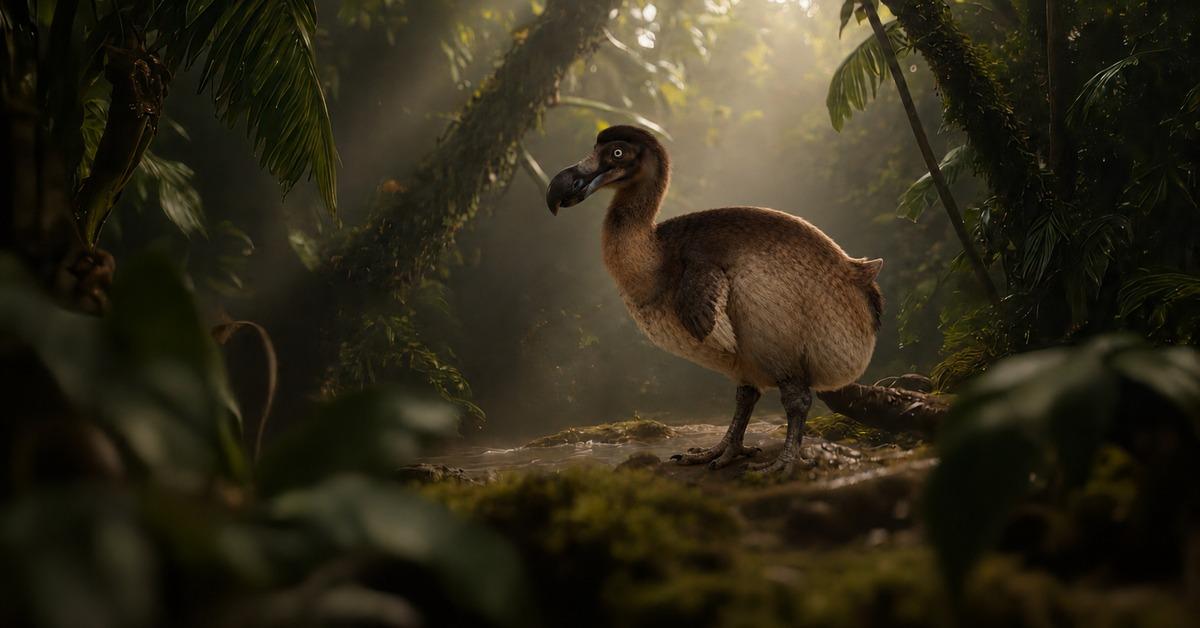
The unveiling of GenoMorph highlights a fundamental paradigm shift in modern biotechnology: de-extinction is increasingly governed by data science rather than bench biology alone.
"De-extinction is as much a data problem as a biology problem," stated Ben Lamm, CEO and co-founder of Colossal Biosciences. "Because so few dodo genomes survive, we cannot rely on the population-level comparisons available for many living species. Our GenoMorph platform provides another path: it learns how regulatory DNA shapes living birds, then identifies the genetic switches that may have contributed to the dodo’s distinctive anatomy. This is more than a solution for the dodo. It provides a repeatable approach for extinct species whose genomic records are similarly limited."
To assemble the foundational DNA required for these computational models, Colossal applied a novel genome-assembly method originally engineered for its dire wolf de-extinction program. Published in the journal Cell Genomics, this assembly technique successfully filled major gaps in the dodo’s remaining DNA sequence, allowing highly fragmented ancient code recovered from museum specimens to be accurately mapped and slotted into place.
Simultaneously, the physical hardware necessary to support the biological phase of the project has expanded significantly. Colossal’s specialized breeding colony of Nicobar pigeons—recognized as the dodo’s closest living phylogenetic relative—has grown to 36 individuals housed in a controlled Texas facility. Eggs harvested from this colony have successfully yielded germ cells capable of differentiating into gametes, establishing the crucial biological pathway required to pass edited traits down to future generations.
Furthermore, the research team achieved a critical validation step by hatching chimeric chickens—birds engineered to carry laboratory-grown stem cells embedded naturally within their bodies. To deliver gene-editing payloads into developing organisms, Colossal also advanced a specialized lipid-nanoparticle delivery system. These microscopic fat bubbles, which safely ferry genetic editing tools past cellular defenses, have proven effective in clinical trials involving chickens, rock doves, and ducks.
"It establishes a repeatable framework for connecting ancient genomes to extinct traits," noted Beth Shapiro, Chief Science Officer at Colossal Biosciences and a leading authority on ancient DNA.
Implications and Broader Scientific Reactions
The announcement has elicited mixed reactions across the scientific community, balancing profound technological admiration with traditional conservation caution. Mainstream evolutionary biologists and conservation geneticists acknowledge that the methodological tools developed by Colossal—such as GenoMorph and advanced lipid-nanoparticle delivery systems for avian species—represent monumental leaps forward in functional genomics. These innovations hold immediate, practical utility for preserving critically endangered modern birds facing habitat loss and climate change, offering tools to artificially boost genetic diversity or confer resistance to avian malaria and other pathogens.
However, critics and traditional conservationists continue to raise ethical and ecological questions surrounding de-extinction. Prominent concerns focus on whether engineered proxies can truly fulfill the ecological niches of their extinct predecessors, how reintroduced species would adapt to radically altered modern ecosystems, and whether substantial financial investments in de-extinction might draw critical funding away from protecting existing, highly vulnerable habitats and species.
Colossal leadership maintains that the primary objective of the program extends beyond mere biological recreation. The company positions its work as an aggressive catalyst for developing advanced genetic rescue toolkits. By refining technologies that can read degraded historical genomes, model complex morphology using artificial intelligence, and execute precise germline edits in avian species, the firm is building an industrial infrastructure capable of intervening on behalf of species currently standing on the brink of extinction.
With the GenoMorph platform now operational, the Nicobar pigeon colony actively producing foundational cellular material, and targeted gene-editing candidates undergoing initial validation, Colossal Biosciences is systematically checking off the milestones required to bring the dodo back to life. While significant regulatory, ecological, and technical hurdles remain before a living dodo hatches, the integration of advanced artificial intelligence into paleogenomics ensures that history’s most famous missing bird is closer to a modern return than ever before.
Related posts: