Ospreys Return to St Helen’s Amid Deep Uncertainty, Departures, and a Fight for Long-Term Survival

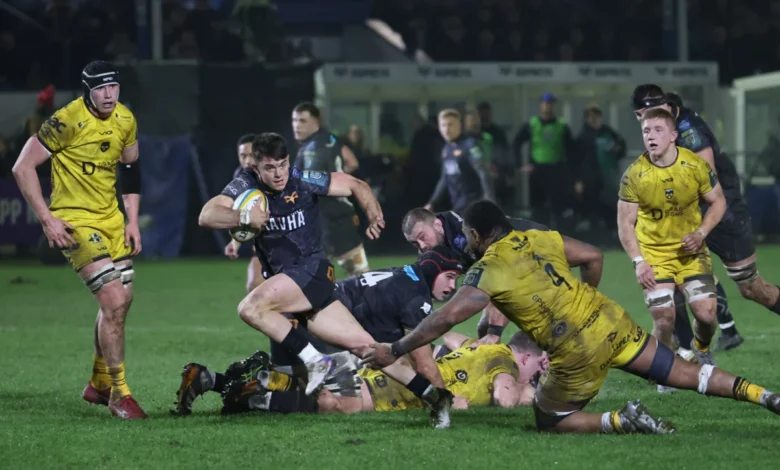
The historic return of the Ospreys to Swansea’s revamped St Helen’s ground marks a bittersweet milestone for a rugby region grappling with profound structural instability. As players prepare to take the pitch at the iconic venue—historically the spiritual home of Swansea RFC—they do so under a towering cloud of institutional question marks. Far from a triumphant homecoming, the move underscores a turbulent period characterized by boardroom departures, high-profile player exits, and lingering existential threats from the Welsh Rugby Union (WRU).
The backdrop to this season is defined as much by administrative chaos as it is by athletic ambition. While head coach Mark Jones attempts to insulate his squad from external noise, the stark reality of the Ospreys’ standing in professional rugby cannot be ignored. With foundational changes rippling through the organization, the team faces an uphill battle to establish stability both on the field and in the executive offices.
The Existential Crisis and Boardroom Upheaval
The very existence of the Ospreys has been a matter of intense public debate over the past year. The region’s survival was cast into doubt following the collapse of a proposed acquisition of Cardiff Rugby by the Ospreys’ parent company, Y11. This failed venture sent shockwaves through Welsh regional rugby, amplifying anxieties regarding the long-term viability of the current four-region model governed by the WRU.
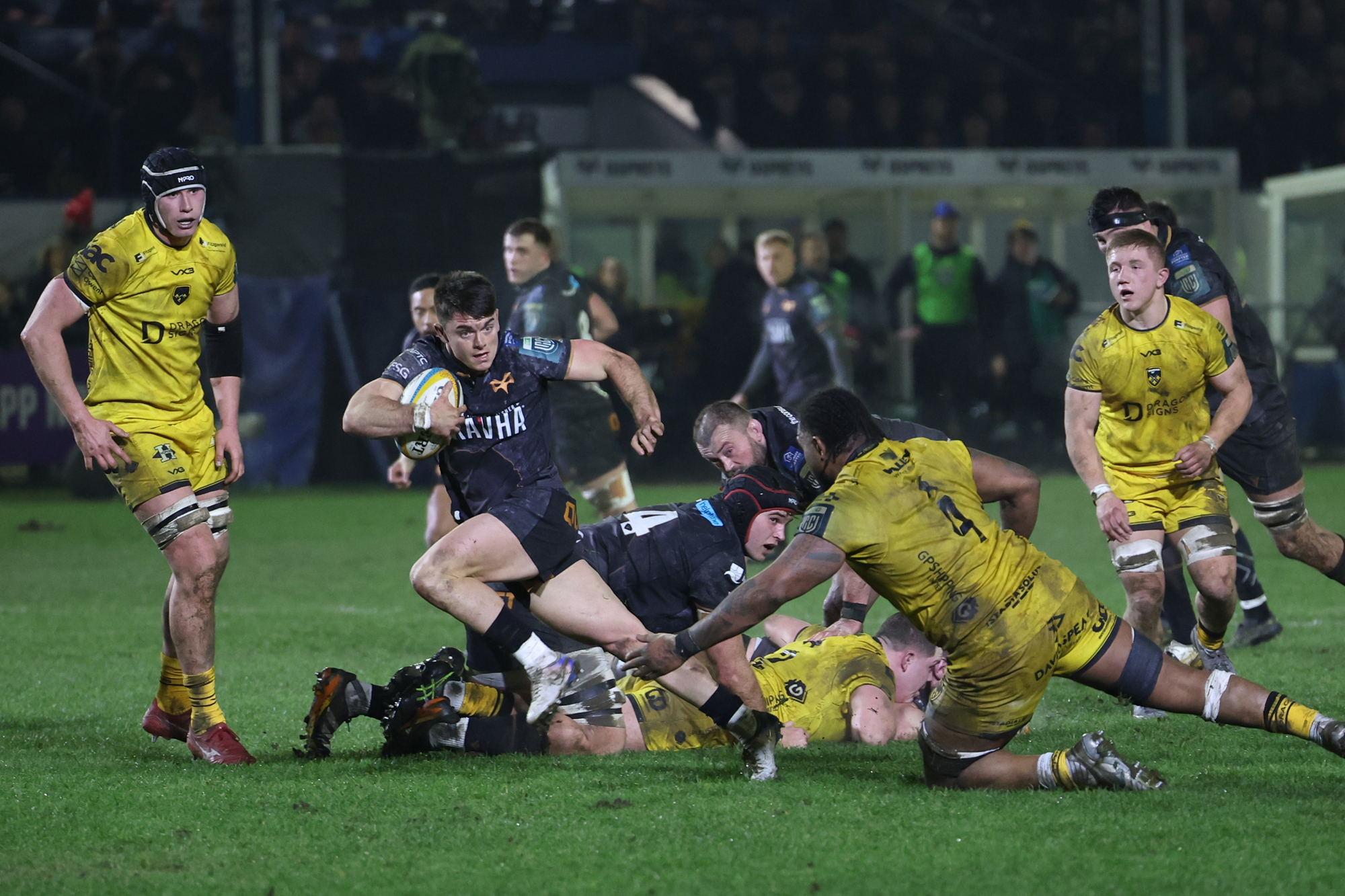
Although a semblance of temporary relief arrived in June when the Ospreys signed a fresh Professional Rugby Agreement (PRA) with the governing body, the horizon remains obscured. The agreement provides a financial and operational framework only until the conclusion of the 2027-28 season. Beyond that date, the future of the Ospreys remains entirely uncertain, particularly given ongoing discussions within the WRU regarding potential restructuring or the potential culling of one of Wales’ four professional entities.
Compounding this climate of instability was the departure of chief executive Lance Bradley over the summer. Bradley’s exit removed a key stabilizing figure from the executive team during a critical transitional phase. For head coach Mark Jones, the primary mandate has shifted beyond standard tactical preparation; he must actively manage the psychological toll of uncertainty on a dressing room that has seen its leadership core heavily depleted.
High-Profile Departures and Strategic Recruitment
The financial pressures and structural ambiguity surrounding the region inevitably forced the Ospreys to weather significant losses in playing personnel. Most notably, the region bid farewell to Welsh international captains Jac Morgan and Dewi Lake, both of whom opted to cross the border to join Gallagher Premiership side Gloucester. The loss of Morgan and Lake—players who embody the defensive grit, leadership, and talismanic quality of modern Welsh rugby—is nothing short of seismic. Replacing their influence on and off the field presents an immense challenge for the coaching staff.
However, the recruitment department has sought to inject resilience and international pedigree into the squad through targeted acquisitions. Among the most intriguing additions is Liam Wright, the former Australia back-rower and Test captain. Wright arrives in Swansea following a challenging run of serious injuries, yet his credentials are unquestioned. Furthermore, his impending eligibility to represent Wales next September adds a layer of strategic intrigue to his arrival.
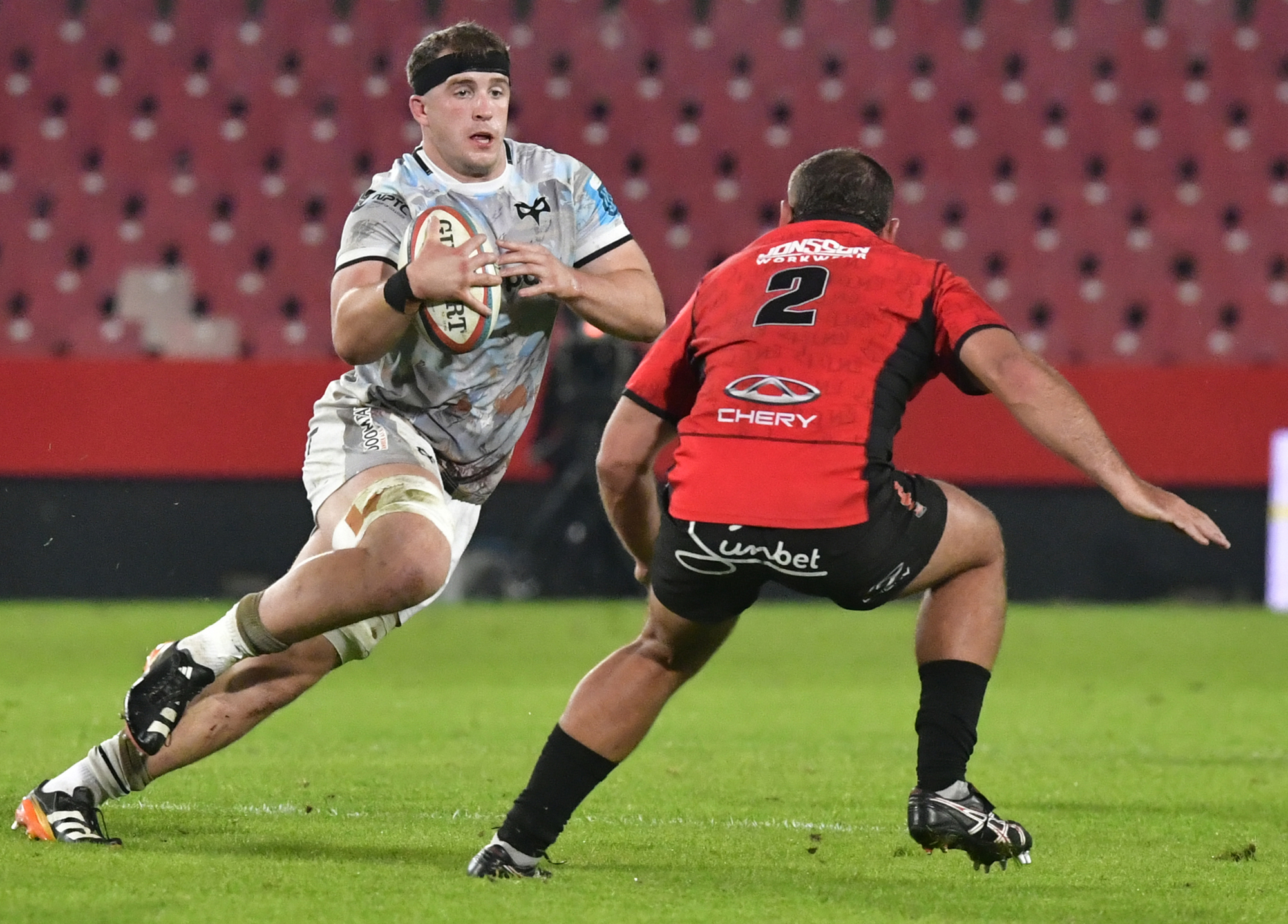
Another notable addition is Lalakai Foketi. The seasoned centre arrives fresh from high-level competition in Super Rugby Pacific, where he featured alongside All Blacks star Quinn Tupaea at the Chiefs. Foketi’s experience in organizing defensive lines and generating go-forward ball in midfield is expected to provide valuable stability to the Ospreys’ backline. Additionally, the region secured the services of Welsh international winger Tom Rogers, who made the switch from Parc y Scarlets to bolster the side’s outside-channel threat.
Squad Architecture: Key Players and Emerging Talent
In the wake of high-profile departures, leadership roles within the squad have naturally evolved. Back-five forward James Ratti emerged as a cornerstone of the pack, sweeping the end-of-season awards following a campaign defined by relentless physicality and an uncanny ability to draw multiple defenders during his ball-carrying duties. Ratti’s work rate will be vital as the Ospreys seek to establish dominance in the physical exchanges of the United Rugby Championship (URC).
In the half-backs, fly-half Dan Edwards stands out as a pivotal figure. Having firmly established himself as a prospect of immense international potential, Edwards opted to commit his immediate future to the Ospreys despite intense speculation linking him with a lucrative move to English powerhouse Leicester Tigers. His tactical kicking, game management, and composure under pressure will dictate the team’s offensive rhythm.
Meanwhile, attention is increasingly turning to the development of back-rower Morgan Morse. Widely regarded as one of the most promising young talents in the Welsh pathway, Morse has thus far experienced only fleeting opportunities at the Test level, restricted to brief substitute appearances against New Zealand and South Africa during the autumn internationals. Despite being overlooked for subsequent Six Nations and Nations Championship squads, Morse possesses the explosive dynamism required to make a profound impact if granted a sustained run in the starting XV.
Technical Analysis: Addressing Statistical Deficits
From a tactical standpoint, Mark Jones and his coaching lieutenants—Richard Fussell, Richard Kelly, and Duncan Jones—have spent the pre-season diagnosing the structural flaws that undermined the team’s competitiveness in the previous campaign.
Statistical indicators from the past term highlight clear areas for urgent remediation. Most glaringly, the Ospreys struggled immensely in the set-piece departments, finishing the season with a joint-lowest lineout success rate of 83%. Compounding these struggles was an attacking scrum success rate of just 86%, ranking them second-worst in the competition. In elite modern rugby, such deficiencies severely limit territorial control and possession quality. Rectifying these fundamentals will be the primary metric by which the coaching staff’s pre-season work is judged.
Broader Implications and Outlook for the 2026-27 Season
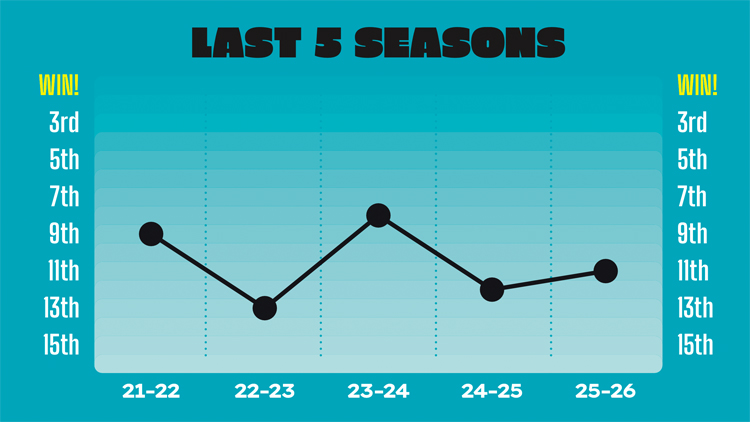
As the URC season approaches, external expectations for the Ospreys remain modest. Bookmakers and pundits have reflected the off-field turbulence in their assessments, pricing the side at long odds and predicting another arduous campaign. Surpassing last season’s tally of seven victories would represent a notable achievement, and avoiding a repeat of their previous 11th-place finish remains a realistic internal target.
Yet, sport has a historic capacity to defy administrative gloom. By returning to St Helen’s, the Ospreys reconnect with a storied sporting heritage in Swansea, offering local supporters a tangible anchor point during a volatile era. Whether the team can channel this localized pride into competitive resilience on the pitch will determine not only their fortunes in the 2026-27 URC and European competitions, but also their moral argument for survival as the existential pressures from the governing body continue to mount.