The Crushing Weight of the Red Bull Seat: Yuki Tsunoda Reflects on the Psychological Toll of a Turbulent 2025 Campaign

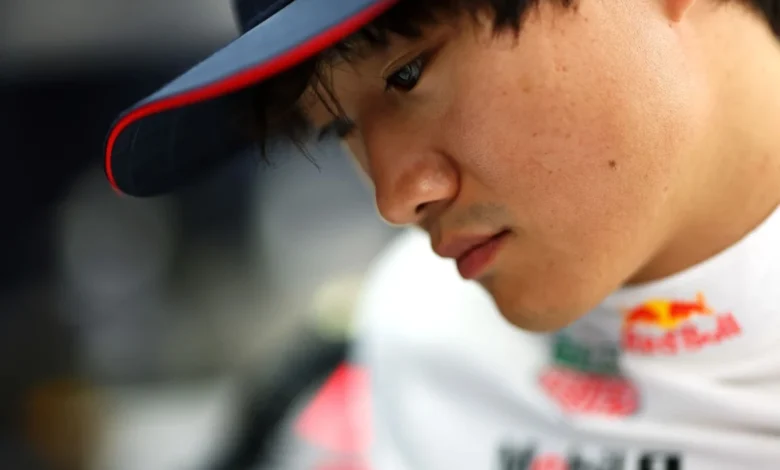
The history of the Red Bull Racing second seat is frequently described as one of the most unforgiving environments in professional motorsport. Over the past decade, the cockpit alongside Max Verstappen has become a crucible, capable of forging champions or breaking spirits. From the high-profile exits of Pierre Gasly and Alexander Albon to the prolonged tenure of Sergio Perez and the brief, high-pressure cameos of Liam Lawson, the requirement to match the relentless performance of the three-time world champion has left a trail of psychological and professional casualties.
In 2025, Yuki Tsunoda became the latest driver to grapple with the immense expectations of the Red Bull program. Thrust into the seat mid-season with limited preparation in the RB21, Tsunoda’s journey through the 2025 campaign serves as a sobering case study in the mental fortitude required to survive at the pinnacle of Formula 1.
A Season of Unprecedented Challenge
The 2025 season began with a whirlwind of change for the Red Bull stable. Following the conclusion of Sergio Perez’s four-year stint, the team opted for a period of transition, briefly testing Liam Lawson before ultimately handing the reins to Yuki Tsunoda. For the Japanese driver, the promotion was the culmination of years of development within the Red Bull Junior Team and his tenure at the sister squad, then known as AlphaTauri/Racing Bulls. However, the timing could not have been more difficult. Entering a new team with an unfamiliar car mid-season, without the luxury of winter testing or extensive simulator time, Tsunoda was immediately forced to operate at a deficit.
The statistics reflect the severity of the challenge. While Max Verstappen pushed his title defense to the final race, narrowly missing the championship by a mere two points, Tsunoda struggled to find a consistent rhythm, eventually concluding the season 17th in the Drivers’ Championship. These numbers, however, tell only a fraction of the story. Beyond the telemetry and the standings, the 2025 campaign took a profound toll on the driver’s personal well-being.
The Mental Erosion of High-Pressure Competition
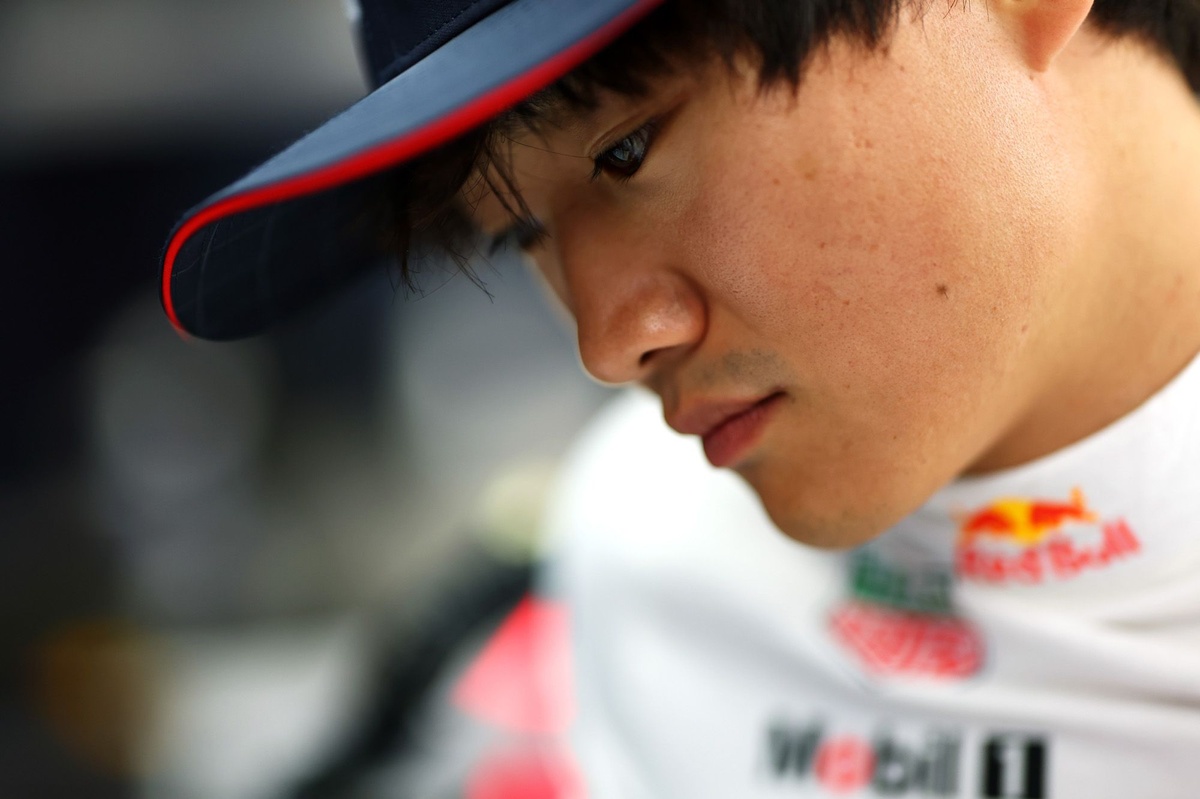
In a recent appearance on the Beyond The Grid podcast, Tsunoda provided a candid assessment of the mental fatigue that characterized his 2025 experience. For an athlete whose life is governed by the unrelenting cycle of race weeks, the inability to "reset" became a critical issue.
"Definitely, 2025 was the toughest year in my career, and I learned heaps of things," Tsunoda reflected. He described a state of chronic exhaustion that transcended physical tiredness. Typically, Tsunoda found rejuvenation through simple pleasures—a good meal or a moment of personal downtime. By the second half of the 2025 season, however, these coping mechanisms failed to bridge the gap created by the constant, high-stakes pressure.
"I started to really struggle, towards the second half of the season especially; somehow when I came back to my house, I felt very exhausted," he explained. The monotony of the travel and the relentless pressure to perform at a level that simply wasn’t materializing led to a loss of the intrinsic joy he had experienced during his first three years in the sport. The situation forced an existential crisis: "I just recognized myself that I’m not really enjoying my life… not really enjoying driving Formula 1 probably as much as I was doing the first three years."
This internal struggle was compounded by the isolation of living far from his support network in Japan. The realization that he had been physically and emotionally detached from his home environment for the better part of his career hit with newfound intensity during the nadir of his 2025 campaign.
Support Systems and Professional Intervention
Recognizing that his performance and mental health were inextricably linked, Tsunoda sought external support. The integration of professional psychology and specialized training became essential tools in navigating the final months of the season.

"I got help quite a lot with psychology, trainer, and a lot of things," he noted. Despite the logistical constraints of a packed second-half calendar, these interventions provided a framework for self-reflection. Tsunoda now views the experience as a transformative period. While the results on track were objectively poor compared to his teammates, the introspection forced by the struggle may prove to be the most significant developmental milestone of his career. It was a year that compelled him to look inward, identifying his needs not just as a driver, but as an individual.
Chronology of the 2025 Driver Carousel
The volatility of the Red Bull driver lineup throughout 2025 played a major role in the instability experienced by the team. The season was marked by a series of rapid-fire decisions that underscored the pressure to optimize the team’s championship efforts:
- Pre-Season: Following the departure of Sergio Perez, the team experimented with Liam Lawson in the primary seat for the opening two Grands Prix.
- Mid-Season: Yuki Tsunoda was promoted to the senior team, attempting to acclimate to the RB21 on the fly.
- Late Summer: A wrist injury sidelined Isack Hadjar, who had been promoted to the senior team. Liam Lawson was once again called upon to fill the gap at Red Bull.
- Post-Summer Break: The reshuffle provided an opening for Tsunoda to return to the VCARB (Racing Bulls) squad, beginning with the Dutch Grand Prix at Zandvoort.
This sequence of events highlights the fluid, often ruthless nature of the Red Bull driver management philosophy. For Tsunoda, the period spent on the sidelines as a reserve driver—after losing his seat—provided a necessary perspective shift.
Re-emergence and a Newfound Perspective
Following the injury to Isack Hadjar and the subsequent reshuffling of the Red Bull driver pool, Tsunoda’s return to the VCARB squad at Zandvoort marked a turning point. Stepping back into a car he had not driven for several months, in a sprint qualifying format, and under the pressure of the team’s battle for P5 in the Constructors’ Championship, one might have expected a repeat of his earlier struggles.
Instead, the response was one of calm. "Jumping into the car that I’ve never driven… you can’t really mess up for the race, you want to have points. Somehow I was like, I really feel okay, I didn’t feel that much pressure," he stated.

This resilience suggests that the "hardship" of 2025 served as a tempering process. By confronting the absolute limit of his professional endurance, Tsunoda has developed a psychological armor that he believes will protect him from the same level of distress in the future. When asked if he anticipates facing a challenge as grueling as the one he survived in 2025, his answer was unequivocal: "I don’t think so."
Broader Implications for the Formula 1 Paddock
The story of Yuki Tsunoda is not an outlier; it is a reflection of the systemic pressures inherent in modern Formula 1. The sport has evolved into a 24-race marathon where the margin for error is non-existent. For teams like Red Bull, where the driver in the second seat is measured against the most dominant force in the sport, the pressure is compounded by the expectation of immediate results.
The broader implication of Tsunoda’s experience is the increasing importance of mental health infrastructure within racing teams. As the calendar expands and the stakes rise, the traditional "tough it out" mentality is being replaced by a more nuanced understanding of the human element in performance. Tsunoda’s willingness to speak openly about his struggle—and the steps he took to address it—adds a valuable layer to the ongoing discourse regarding athlete welfare in high-stakes environments.
Ultimately, the 2025 season for Yuki Tsunoda was not merely a dip in performance, but a professional metamorphosis. Having stared down the prospect of an early exit from the sport, he has returned with a clear understanding of his own limitations, his need for balance, and his capacity to perform under extreme adversity. Whether this translates into a permanent ascent remains to be seen, but the lessons learned in the crucible of the Red Bull seat have undoubtedly prepared him for whatever challenges the coming seasons may hold. As he looks forward, the specter of 2025 stands as a testament to his resilience—a year defined by struggle, but defined even more by the strength required to overcome it.