Prince William draws the line at kilts as he shapes a modern monarchy while balancing tradition

Prince William is actively charting a course for a more contemporary, approachable British monarchy, aiming to strike a careful balance between preserving foundational royal traditions and discarding elements that no longer resonate with modern audiences. While the Prince of Wales has consistently shown a willingness to fulfill his ceremonial obligations—including donning the heavy robes and plumed hat of the Order of the Garter—insiders reveal there is one distinct Scottish garment where he draws a firm line: the traditional tartan kilt.
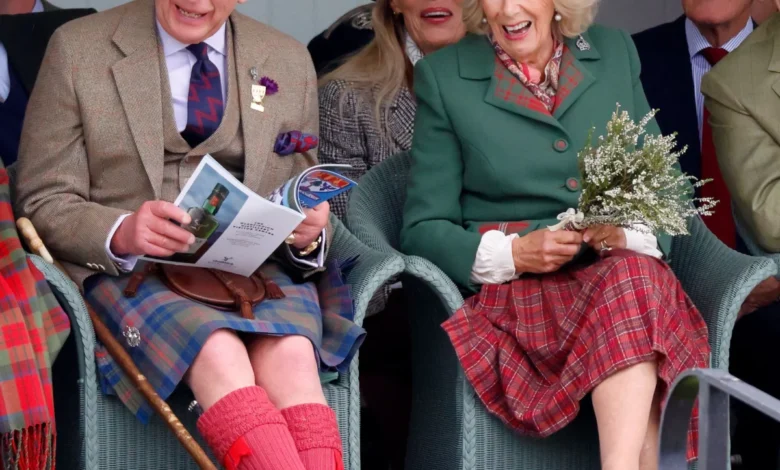
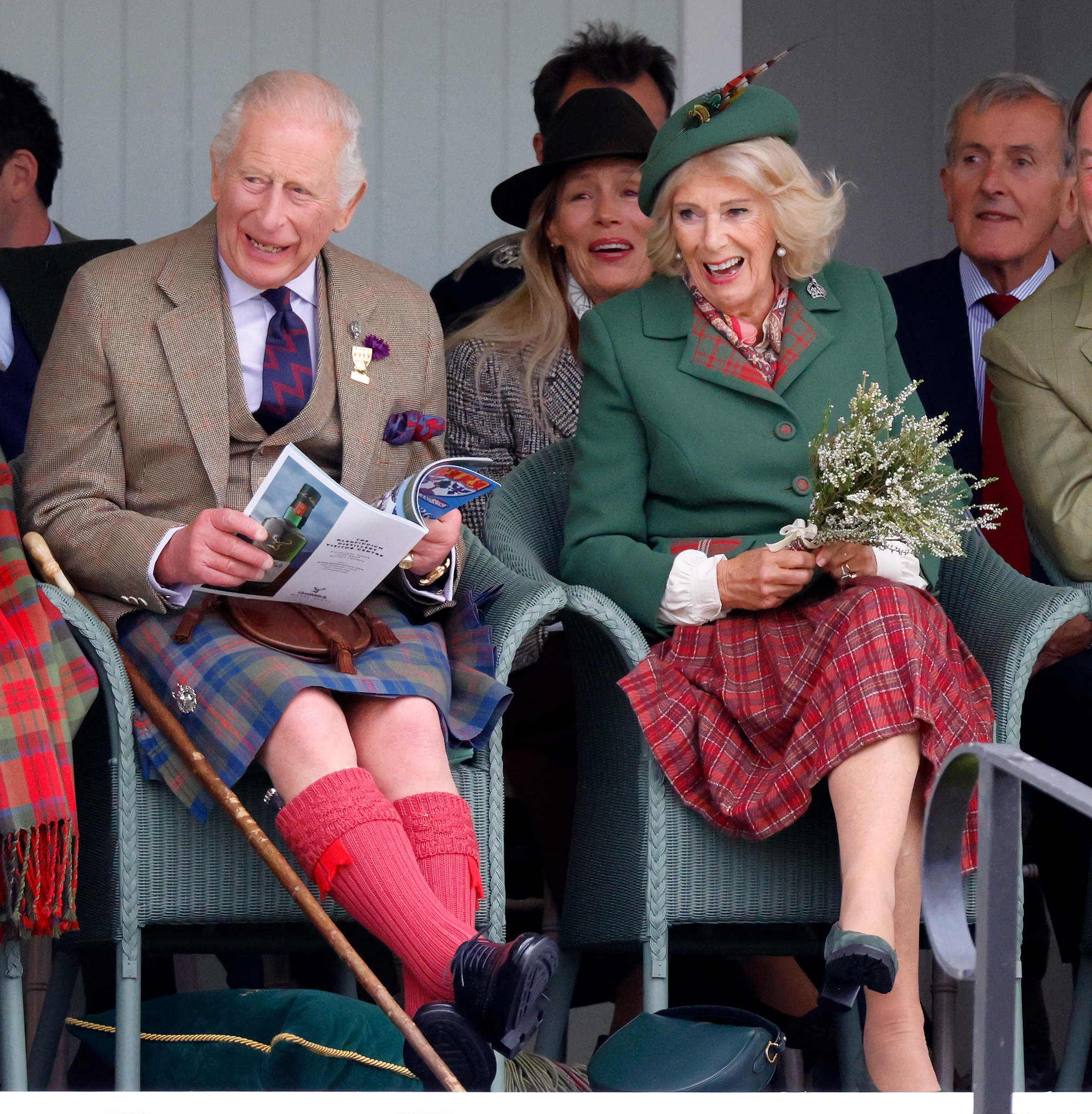
The distinction in wardrobe choices between the reigning monarch and the heir to the throne highlights a broader narrative about generational shifts within the House of Windsor. While King Charles III regularly embraces Scottish heritage through Highland dress during his engagements north of the border, Prince William consistently opts for conventional trousers, signaling a subtle yet distinct departure from longstanding sartorial expectations.
The Sartorial Divide: Father versus Son in Scotland
The contrast between King Charles and Prince William regarding Scottish attire has long been a point of observation for royal watchers and fashion analysts alike. When King Charles visits Scotland—such as his frequent appearances at the Braemar Highland Gathering or official engagements in Aberdeenshire—he is almost invariably photographed wearing a traditional tartan kilt, paired with kilt hose, a sporran, and a tweed jacket.
Conversely, Prince William’s wardrobe during Scottish engagements strictly avoids the traditional garment. During a recent visit to the Isle of Bute, the Prince of Wales was seen wearing navy chinos and a casual green jacket paired with a flat cap. Royal experts attribute this choice entirely to personal preference rather than protocol or a lack of respect for Scottish culture.
According to royal expert Phil Dampier, who spoke with the Daily Mail, Prince William possesses a notable streak of determination that will inevitably influence his reign. When discussing the prince’s aversion to the garment, Dampier noted that the future king simply dislikes wearing it. "He doesn’t want to and has never been seen wearing a kilt in Scotland, whereas King Charles will don a kilt at the drop of a hat," Dampier remarked, emphasizing that once the Prince of Wales makes a decision, he tends to stand by it. "If he doesn’t want to wear a kilt, he won’t."
Context and Chronology: Evolution of Royal Fashion
The evolution of royal dress codes has historically mirrored the societal expectations of each era. Queen Elizabeth II famously adhered to the motto "never complain, never explain," a philosophy that her grandson, Prince William, has largely adopted to navigate periods of intense public scrutiny and personal hardship, including the demanding health challenges faced by his family in recent years.
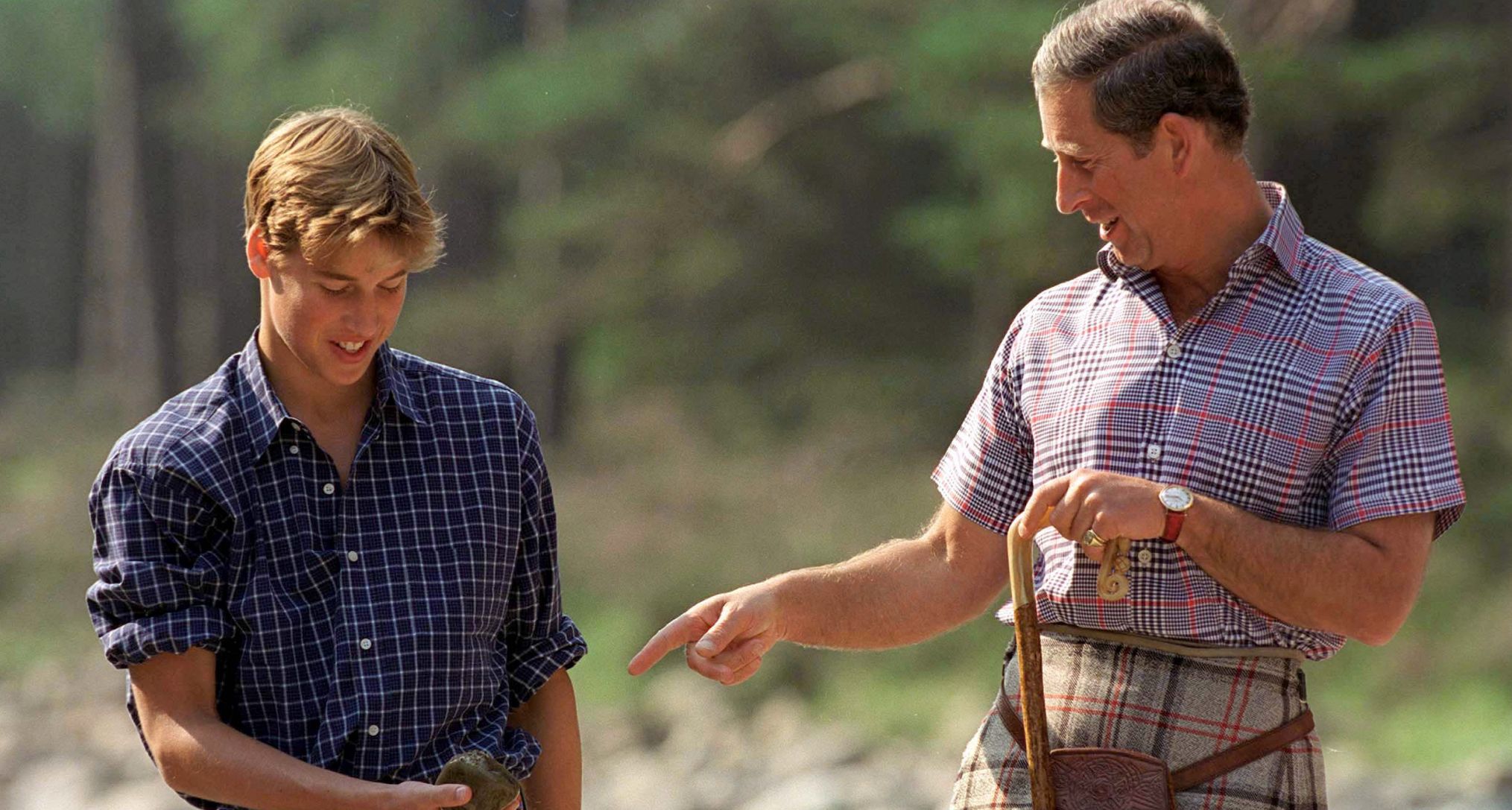
However, fashion within the royal household has steadily trended toward greater accessibility. King Charles has maintained many highland traditions established by Queen Victoria and Prince Albert at Balmoral Castle, where Highland dress became deeply intertwined with the royal family’s private and public identity in Scotland. Archival photographs from decades past, such as images from 1997 featuring a young Prince William alongside King Charles and Prince Harry at Balmoral, show the family participating in these regional traditions. Yet, as an adult stepping into his own distinct leadership style, Prince William has curated a wardrobe that reflects a more streamlined, everyday approach to public life.
Balancing Modernization with Royal Heritage
Prince William’s reluctance to wear a kilt is emblematic of a wider strategy concerning the future of the monarchy. As the institution faces the challenge of remaining relevant to younger demographics in an increasingly fast-paced and interconnected world, the royal household must continually evaluate which traditions serve a meaningful purpose and which are merely performative.
Former royal aide Jason Knauf addressed this delicate balancing act during an interview with 60 Minutes Australia, noting that every monarch must eventually "reinvent the role for the generation that they serve." Prince William has frequently signaled his desire to slim down core operations, focus on impactful charitable initiatives like the Earthshot Prize, and connect with communities through a less formal, more grounded approach.
While skipping a kilt may seem like a minor stylistic choice, it offers a tangible window into how the future king intends to operate: pragmatically, authentically, and strictly on his own terms. Observers note that while the core pillars of duty, service, and constitutional responsibility will remain intact under William’s eventual reign, the aesthetic and operational delivery of the monarchy will inevitably reflect a modern sensibility that prioritizes comfort and personal authenticity over rigid adherence to every historical precedent.
Implications for the Future of the House of Windsor
The subtle divergence in wardrobe choices between King Charles and Prince William underscores a broader analytical framework regarding institutional evolution. Continuity and change are the twin engines of any hereditary monarchy. If the institution changes too quickly, it risks losing the mystique and historical continuity that validate its existence; if it remains too rigid, it risks alienation from a changing public.
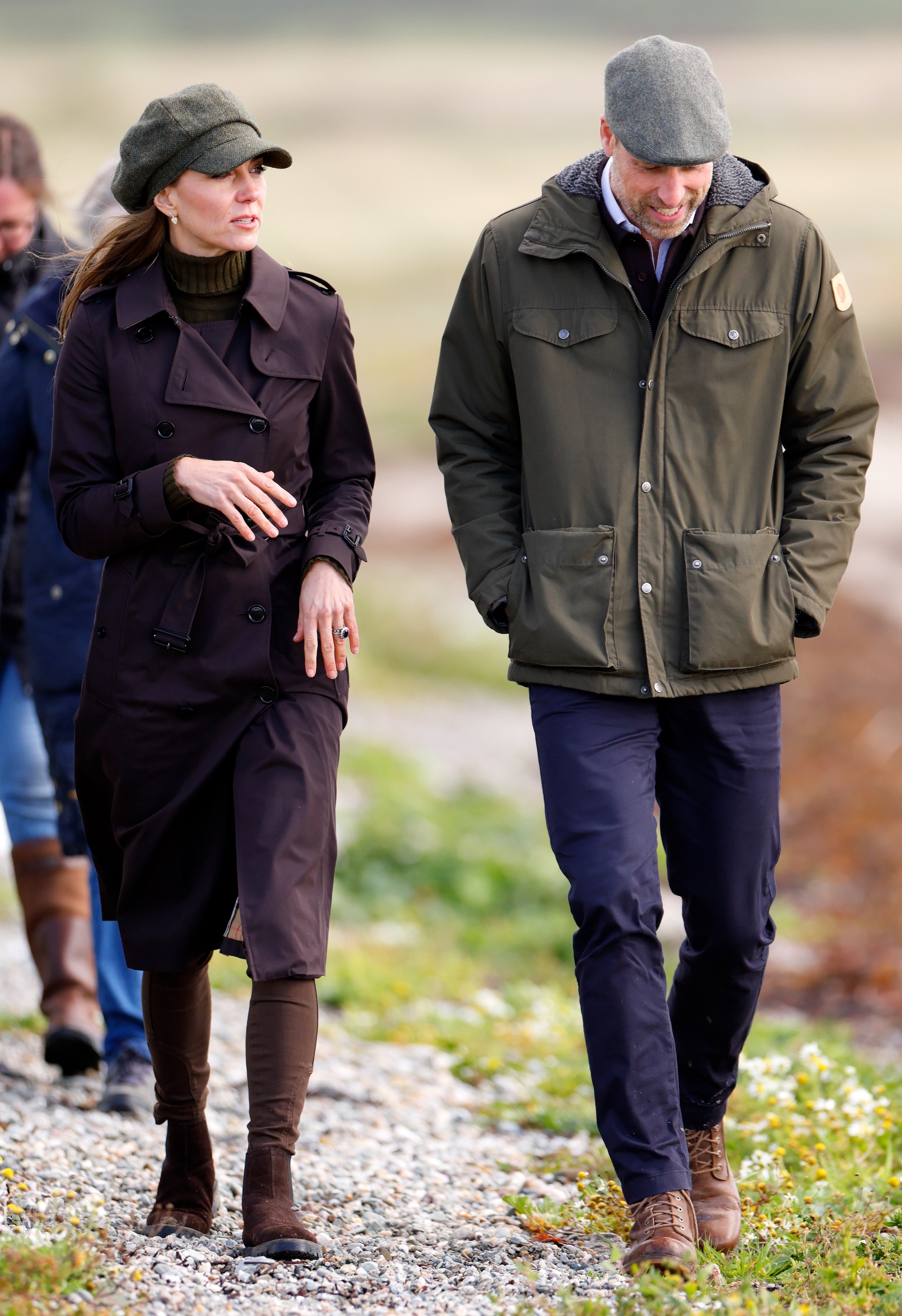
By choosing practical modern attire over traditional Scottish garments during his visits north, Prince William demonstrates that the monarchy under his future leadership will likely discard practices that lack personal resonance for the sovereign. This pragmatic approach suggests a streamlined, less theatrical style of governance and public representation. Ultimately, the ongoing narrative of the royal wardrobe serves as a microcosm for the larger transition currently underway within Britain’s royal family—one where tradition is respected, but only when it aligns with the practical realities of the modern era.