Samsung Galaxy Watch 8 Classic LTE Hits All-Time Low Price of 269 Dollars as Wearable Market Competition Intensifies

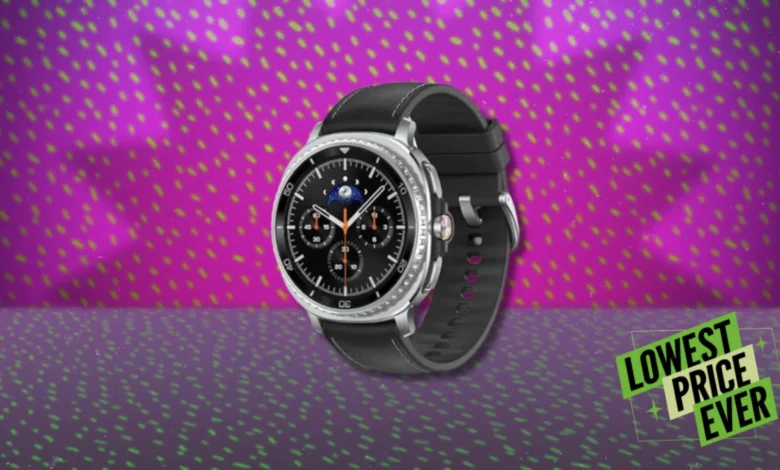
The premium wearable market witnessed a significant price correction this week as the Samsung Galaxy Watch 8 Classic LTE reached a new historical low of $269.99, representing a substantial 50% reduction from its original $549.99 MSRP. This pricing anomaly, tracked across major third-party retailers and secondary markets like Woot, creates a unique market dynamic where the flagship "Classic" variant is currently retailing for less than the entry-level, budget-oriented Galaxy Watch 8. This price drop occurs exactly one year after the device’s initial summer 2025 launch, signaling a strategic inventory adjustment as the consumer electronics industry prepares for the next hardware cycle.
The Return of the Rotating Bezel and Premium Hardware
The Galaxy Watch 8 Classic distinguishes itself from the standard lineup through the inclusion of a physical rotating bezel, a hardware feature that has become a defining characteristic of Samsung’s premium horological design. While the standard Galaxy Watch 8 utilizes a digital touch-sensitive border to navigate menus, the Classic’s mechanical ring provides tactile feedback that many enthusiasts and professional users prefer for precision interaction, especially when wearing gloves or during high-intensity workouts where moisture can interfere with touchscreen responsiveness.
Constructed with a 46mm stainless steel chassis, the Galaxy Watch 8 Classic is designed for durability and presence. It features a high-resolution Super AMOLED display protected by Sapphire Crystal, a material chosen for its superior scratch resistance compared to standard Gorilla Glass found in mid-range wearables. The 46mm sizing caters to a specific demographic of the market that favors larger, traditional watch aesthetics, contrasting with the 40mm and 44mm options typically offered in the base models.
Technical Integration and Connectivity
The specific model currently seeing the deepest discounts is the LTE-enabled version. Unlike the Bluetooth-only models, the LTE variant incorporates an eSIM, allowing the device to maintain a standalone cellular connection. This functionality enables users to stream music via platforms like Spotify or YouTube Music, receive text messages, and conduct voice calls without the presence of a tethered smartphone.
From a performance standpoint, the Galaxy Watch 8 series is powered by Samsung’s proprietary Exynos W-series chipset, designed on a 3nm process node to maximize power efficiency. This architecture supports a battery life of approximately 30 hours under standard usage conditions. While this falls short of the multi-day battery life seen in specialized outdoor watches from brands like Garmin or Suunto, it remains competitive within the "smartwatch" category which prioritizes app ecosystems and high-resolution displays.
For fitness enthusiasts, the device supports Bluetooth FTMS (Fitness Machine Service). This protocol allows the watch to sync directly with compatible gym equipment, such as high-end treadmills, rowers, and stationary bikes. By utilizing NFC tap-to-sync technology, users can bridge the gap between their wearable data and the metrics generated by professional fitness machines, ensuring a unified record of their health data across platforms like iFIT and Zwift.
Advanced Health Monitoring and the BioActive Sensor
The Galaxy Watch 8 Classic serves as a primary vehicle for Samsung’s advanced health suite. At the core of its monitoring capabilities is the 3-in-1 BioActive Sensor, which combines Optical Heart Rate, Electrical Heart Signal, and Bioelectrical Impedance Analysis.
One of the more unique features highlighted in recent technical reviews is the "Antioxidant Index." This metric, derived from non-invasive skin measurements, provides users with a proxy for their overall nutritional health and oxidative stress levels. While not a replacement for medical-grade blood work, it offers a daily "health score" that encourages better dietary choices.
Furthermore, the device offers:

- Customized Heart Rate Zones: Utilizing AI-driven analysis of the user’s VO2 max and recovery heart rate, the watch tailors fitness zones to the individual’s current cardiovascular capacity rather than relying on generic age-based formulas.
- Running Dynamics: The watch provides real-time feedback on running form, including vertical oscillation, ground contact time, and asymmetry. These metrics are intended to help runners improve efficiency and reduce the risk of injury.
- Sleep Coaching: By monitoring blood oxygen levels and snoring patterns during the night, the device assigns a "sleep animal" profile to the user, providing a multi-week coaching program to improve circadian rhythms.
Market Context and Price Chronology
The current price of $269.99 marks the lowest entry point for a flagship Samsung LTE watch in the current generation. To understand the significance of this discount, one must look at the pricing trajectory of the Galaxy Watch line over the last three years:
- Summer 2023: The Galaxy Watch 6 Classic was released, reintroducing the rotating bezel after its absence in the Watch 5 series. It launched at approximately $399.
- Summer 2024: Samsung focused on the "Ultra" and "Pro" branding, briefly pivoting away from the "Classic" nomenclature for its highest-end rugged devices.
- Summer 2025: The Galaxy Watch 8 Classic launched at $549.99, positioning itself as the luxury alternative to the standard $299 Galaxy Watch 8.
- July 2026: Retailers began aggressive discounting, bringing the Watch 8 Classic LTE down to $269.99, effectively undercutting the launch price of the base model from the previous year.
Industry analysts suggest that this price drop is a response to the saturation of the premium smartwatch market. With the Apple Watch Series 11 and the Google Pixel Watch 4 providing stiff competition, Samsung appears to be leveraging aggressive pricing to maintain its market share in the Android-compatible wearable space.
Broader Implications for the Wearable Industry
The devaluation of high-end smartwatches within a 12-month window reflects a broader trend in consumer electronics. As hardware iterations become more incremental, manufacturers and retailers must rely on significant price cuts to move older inventory before the next flagship announcement.
For the consumer, the $269 price point represents a shift in the value proposition. At over $500, the Galaxy Watch 8 Classic was a luxury purchase for early adopters. At under $300, it enters the territory of a "mass-market" device, potentially drawing in users who previously opted for mid-range fitness trackers.
This trend also highlights the "LTE premium" erosion. Previously, the cellular version of a smartwatch commanded a $50 to $100 surcharge over the Bluetooth model. By pricing the LTE Classic at record lows, Samsung is effectively normalizing standalone connectivity, encouraging more users to adopt cellular plans for their wearables, which in turn benefits telecommunications partners.
Expert Analysis and Official Outlook
While Samsung has not issued an official statement regarding the price cuts at third-party retailers, industry insiders view this as a standard "end-of-life" cycle for the current hardware revision. The tech giant typically hosts its "Unpacked" events in late summer, and the timing of this discount suggests that the Galaxy Watch 9 announcement is imminent.
From a technical perspective, the Galaxy Watch 8 Classic remains a highly capable device that is likely to receive software updates for at least three more years. Samsung’s commitment to the Wear OS platform (developed in collaboration with Google) ensures that the device will remain compatible with the latest applications and security protocols through 2029.
For potential buyers, the decision hinges on the value of the rotating bezel and the 46mm form factor. While newer models may offer slightly faster processors or marginally improved sensors, the fundamental experience of the "Classic" design remains a pinnacle of Samsung’s wearable engineering. At nearly 50% off, the device offers a "pro-sumer" experience at an entry-level price, making it one of the most competitive tech deals of the 2026 summer season.
As the market continues to evolve, the Galaxy Watch 8 Classic stands as a testament to the rapid pace of innovation—and price correction—in the world of wearable technology. Whether this deal represents a final clearance or a temporary promotion, it underscores the importance of timing and price tracking for consumers looking to acquire premium technology without paying the "early adopter" tax.