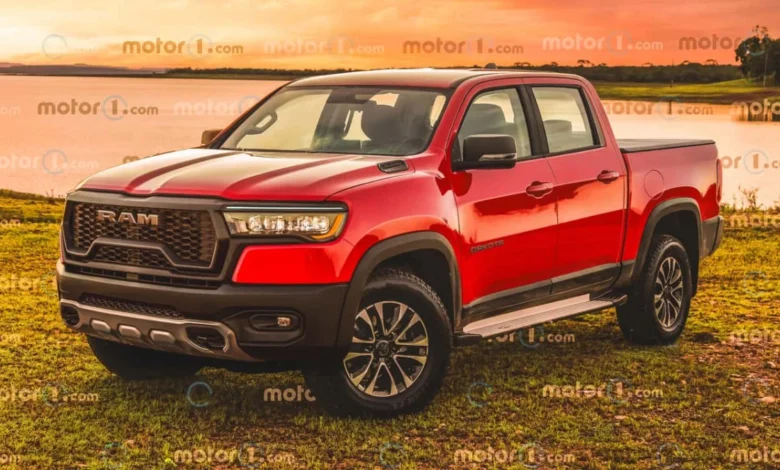
The mid-size pickup truck category has undergone a seismic shift over the last decade. Once viewed as a secondary tier to the full-size "half-ton" segment, the mid-size class has evolved into a high-margin, high-tech battleground characterized by extreme off-road capability and lifestyle-oriented branding. For Ram, the decision to re-enter this space is not merely a nostalgia play; it is a calculated response to shifting consumer demographics and the need to diversify the brand’s portfolio beyond the heavy-duty and full-size truck buyers that have traditionally anchored its sales.
A Legacy Renewed: The Dakota’s Historical Context
The Dakota nameplate carries significant weight within the automotive landscape. Originally launched in 1987, the Dakota was marketed as a "mid-size" alternative that effectively split the difference between the compact Japanese imports of the era and the full-size trucks offered by the "Big Three." It was the first domestic truck to feature a V8 engine in the mid-size class, a move that solidified its reputation as a serious work tool rather than a lightweight hauler.
The nameplate saw two successful generations before its discontinuation in 2011. Since then, the void left by the Dakota has been filled by competitors like the Toyota Tacoma, which has essentially become the benchmark for the segment. While Ram enjoyed immense success with the 1500 series, the absence of a mid-size offering left a gaping hole in their lineup, effectively ceding the "adventure" and "urban-compact" markets to Ford, Toyota, and Nissan.
Strategic Shifts and Executive Vision
In a recent interview with Mopar Insiders, Ram CEO Matt VanDyke provided the clearest signal yet that the development of the new Dakota is well underway. VanDyke emphasized that the new truck would prioritize "serious fun," a term he used to describe the brand’s intent to leverage power, performance, and a variety of trim levels to differentiate the product.
This shift marks a departure from previous internal debates regarding the necessity of traditional powertrains. Former Ram CEO Tim Kuniskis had previously noted that a Hemi V8—the historical engine of choice for performance-oriented Ram products—might not be a prerequisite for the new mid-size truck’s success. The industry consensus points toward a more modern, efficient, and technologically advanced powertrain strategy. Many analysts expect the new Dakota to utilize variants of the Stellantis "Hurricane" twin-turbocharged 3.0-liter inline-six engine. With the ability to produce upwards of 600 horsepower, the Hurricane engine would provide the Dakota with an immediate performance advantage, potentially allowing it to outpace competitors like the Ford Ranger Raptor, which currently utilizes a 405-horsepower twin-turbo V6.
The Competitive Landscape: A Market Saturated by Giants
The challenge facing the resurrected Dakota is substantial. The mid-size truck market is currently defined by the overwhelming dominance of the Toyota Tacoma. In 2025 alone, the Tacoma outsold its closest competitor, the Chevrolet Colorado, by a staggering 166,771 units. This discrepancy highlights the immense brand loyalty and perceived reliability that Toyota has cultivated over decades.
Furthermore, other manufacturers are not standing still. The Ford Ranger, the Honda Ridgeline, and the Jeep Gladiator—the latter of which shares corporate DNA with Ram—all provide stiff competition. Recent data suggests that while the segment is growing, no manufacturer other than Toyota has managed to break the 100,000-unit annual sales threshold consistently.
The market is also bracing for an influx of new entries. Hyundai and Mitsubishi are actively exploring or launching new mid-size offerings, many of which are expected to utilize traditional body-on-frame architectures to ensure they meet the durability expectations of truck buyers. For the Dakota to succeed, it cannot simply exist as a competitor; it must offer a unique value proposition that the current market leaders lack.

The Case for Differentiation: Configuration and Utility
One of the primary areas where Ram could gain ground is through the introduction of innovative cab and bed configurations. Currently, the mid-size segment is largely standardized, with most manufacturers offering a limited selection of crew cab or extended cab options.
Ram has the potential to disrupt this by applying lessons learned from its 1500-series successes, such as the Rumble Bee. By pairing shorter cab configurations with unique bed setups, Ram could cater to a niche that is currently underserved: the "street truck" enthusiast. The current market is heavily skewed toward off-road rock-crawling capability, leaving the sport-truck market relatively wide open. A performance-oriented, street-focused Dakota could act as a halo product for the brand, drawing in younger, urban buyers who prioritize driving dynamics over towing capacity.
Technological Integration and Future-Proofing
Beyond raw engine output, the success of the new Dakota will hinge on its technological suite. Modern truck buyers expect sophisticated infotainment systems, advanced driver-assistance features, and seamless connectivity. Ram’s Uconnect system is already considered one of the best in the industry, and its integration into the Dakota platform will be a critical selling point.
Moreover, the transition toward electrification remains a lingering question. While a twin-turbo inline-six is a strong candidate for the flagship powertrain, the industry-wide push for hybridization suggests that a hybrid powertrain is almost certainly in the cards. A plug-in hybrid or a full hybrid configuration would allow the Dakota to meet increasingly stringent fuel economy regulations while simultaneously providing the low-end torque necessary for off-roading and towing.
The Road Ahead: Implications and Challenges
The return of the Dakota is a high-stakes gamble for Stellantis. Developing a new platform from the ground up requires massive capital investment, and the ROI will depend heavily on whether the truck can capture market share from the entrenched leaders.
If Ram fails to differentiate the Dakota—whether through styling, performance, or unique utility features—it risks becoming "just another" mid-size truck in a sea of identical offerings. However, if the brand successfully leverages its reputation for high-end interiors and powerful engines, it could effectively reset the expectations of the mid-size category.
The chronology of this launch will be closely watched. With the mid-size segment growing at a healthy clip, the window of opportunity is open, but it is closing. Competitors are rapidly iterating their designs to include better off-road suspension systems, more robust infotainment, and increased cargo flexibility. For the Dakota to be relevant upon its arrival, it must not only compete with the current generation of trucks but also anticipate the trends of the next five years.
Ultimately, the Dakota’s resurrection is a testament to the enduring power of the mid-size truck. It remains a segment where brand identity is everything. By bringing back a nameplate that carries historical weight while arming it with the latest in powertrain technology and a bold vision for customization, Ram is positioning itself to be a significant disruptor. Whether that is enough to topple the giants of the segment remains the central question for the coming years. The industry will be waiting to see if the "real truck" promise holds true when the first production models roll off the assembly line.