Honda Accelerates Production Timeline for Next-Generation Hybrid Vehicles to Meet Rising Market Demand

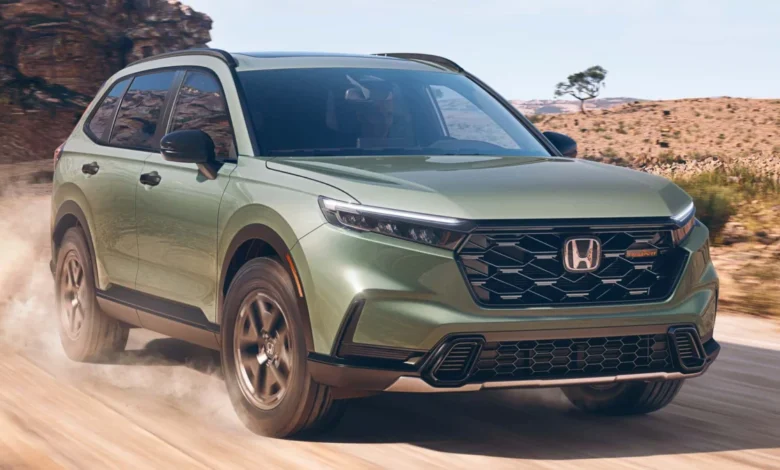
As the global automotive landscape undergoes a significant transition, Honda is strategically recalibrating its manufacturing roadmap to capitalize on the surging popularity of hybrid-electric vehicles (HEVs). Amidst shifting consumer preferences and volatile fuel costs, the Japanese automaker has reportedly moved to accelerate the production schedule for its next-generation hybrid systems. According to recent reports from Nikkei Asia, Honda intends to commence production of its upcoming hybrid CR-V model at its Canadian manufacturing facilities in February 2027, followed by a rollout at its United States assembly plants just one month later. This adjusted timeline underscores a broader corporate strategy aimed at securing a dominant position in the increasingly competitive electrified segment.
Strategic Shifts in the Honda Electrification Roadmap
For several years, the automotive industry operated under the assumption that a rapid, universal transition to battery-electric vehicles (BEVs) was the primary objective for major manufacturers. However, persistent infrastructure challenges, fluctuating consumer demand, and high entry prices for pure EVs have led to a "hybrid renaissance." Honda, in particular, has seen its current hybrid offerings—such as the CR-V Hybrid and Accord Hybrid—become pillars of its North American sales success.
In light of recent financial hurdles encountered during its initial aggressive push toward a fully electric lineup, Honda has demonstrated a pragmatic pivot. The company recently confirmed it is abandoning its previous target of becoming an all-EV manufacturer by 2040, opting instead for a more nuanced, multi-pathway approach. By doubling down on HEV technology, Honda is betting that internal combustion engines supported by advanced electrification will remain the bridge to sustainability for the majority of mainstream consumers for the remainder of the decade.
The Technical Evolution of Honda’s Hybrid Architecture
At the heart of this strategy is a completely overhauled hybrid powertrain, which Honda teased in its 2026 Business Update. Unlike the current iterations, which are highly successful but serve as incremental improvements on existing platforms, the 2027 systems represent a fundamental departure.
Engineering specifications, while still largely proprietary, indicate that the next-generation architecture will be characterized by a more compact, lightweight footprint. By optimizing the integration of the electric motor and the thermal engine, Honda aims to reduce total vehicle weight, a critical factor in improving fuel economy. Internal projections suggest that these advancements will yield a 10 percent increase in fuel efficiency compared to current systems. Perhaps more importantly for the company’s bottom line, the new design is expected to lower production costs by approximately 30 percent, allowing Honda to maintain competitive pricing while protecting profit margins in a segment often squeezed by low margins.
The powertrain development process is extensive. Honda is currently refining both 1.5-liter and 2.0-liter four-cylinder engines, which will serve as the backbone of its high-volume offerings. Furthermore, the company is developing a high-output, performance-oriented hybrid system that will be paired with a new V6 engine. This move suggests that Honda is not limiting its hybrid technology to economy-focused commuters but is intent on bringing electrification to its larger, more powerful vehicle segments, such as SUVs and light trucks.
Official Stance and Corporate Communications
When questioned regarding the specific production dates cited in industry reports, Honda adopted a cautious, albeit transparent, posture. In a statement provided to Motor1, a company spokesperson clarified: "This was not announced by Honda. While we cannot comment on specific future product plans, as outlined in our 2026 Business Update, Honda remains on track to introduce next-generation HEV models beginning in 2027, featuring an all-new hybrid system and platform."
This statement serves as a confirmation of the strategic direction without confirming the specific calendar dates leaked by external sources. It highlights the company’s commitment to the 2027 timeline while maintaining the flexibility necessary to adapt to supply chain realities and market fluctuations between now and the official launch.
The CR-V and the Future of the Acura Brand
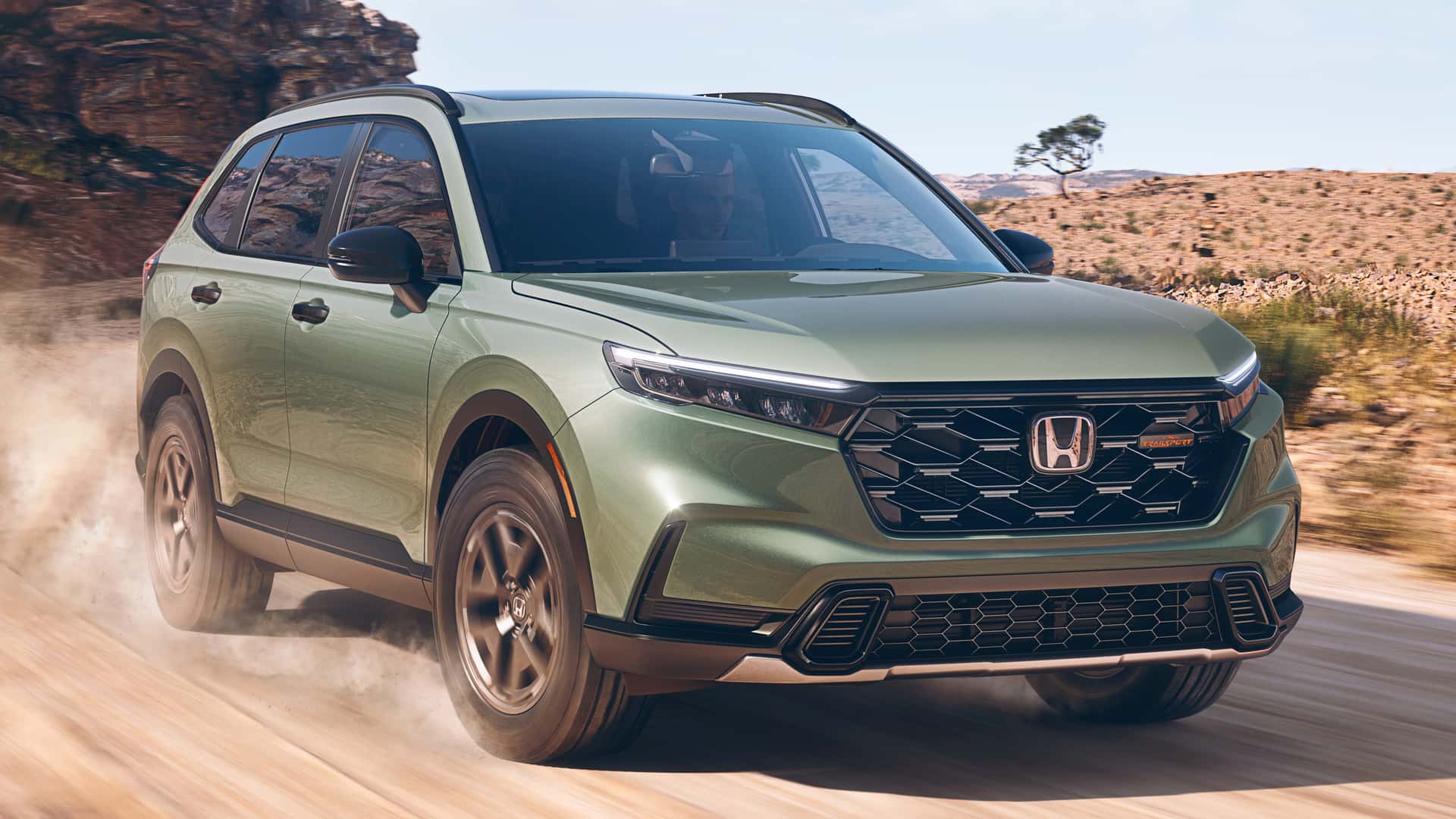
The CR-V, as Honda’s perennial best-seller, serves as the ideal vessel for this new technology. By debuting the next-generation hybrid system in the CR-V, Honda ensures immediate scale and market visibility. Industry analysts suggest that this strategy is intended to emulate the success of the Toyota RAV4, which has set the benchmark for hybrid crossover sales globally.
Furthermore, the integration of this technology is expected to extend beyond the Honda badge. Reports suggest that Acura, Honda’s luxury division, is developing a new crossover based on the next-generation CR-V architecture, widely believed to be the replacement for the aging RDX. Given the shifting market, there is significant speculation that this luxury offering may move to a hybrid-only powertrain. This would mirror the industry’s broader move toward hybridizing premium lineups, allowing brands to offer the power and refinement expected of a luxury vehicle while meeting increasingly stringent emissions regulations.
Broader Economic and Market Implications
The decision to advance the production of these models is not merely a technical choice but an economic necessity. The global automotive industry is currently navigating a period of "hybrid-first" growth. With gas prices remaining a primary concern for the average household, the demand for vehicles that offer the fuel economy of a hybrid without the charging anxiety associated with EVs has reached an all-time high.
For Honda, this strategy addresses several critical areas:
- Supply Chain Efficiency: By standardizing the new hybrid platform across 15 global models, Honda can achieve economies of scale that were previously difficult to reach with diverse, legacy powertrains.
- Regulatory Compliance: As emissions standards become more rigorous across North America, Europe, and Asia, the 10 percent gain in fuel efficiency provided by the new system will be vital in helping the company avoid costly penalties and meet carbon-neutrality goals.
- Competitive Positioning: By moving the production start date earlier in 2027, Honda is signaling a desire to outpace competitors who are still struggling to balance their R&D investments between legacy engines and nascent EV programs.
Looking Toward 2030
The period between 2027 and 2030 will likely be defined by a massive rollout of these electrified platforms. Honda has already indicated that it plans to launch 15 global models featuring this next-generation hybrid technology within that three-year window.
The shift is a clear indication that the company is playing a long game. While the allure of a fully electric future remains a long-term goal for the automotive industry, the immediate reality requires a bridge. Honda’s decision to commit to a more efficient, cost-effective, and powerful hybrid system suggests that the company has regained its focus on engineering-led growth. By prioritizing the vehicles that consumers are actually buying today, rather than chasing speculative trends, Honda is positioning itself to remain a dominant force in the global automotive market as it approaches the end of the decade.
The industry will be watching closely as the February 2027 date approaches. If the Canadian production facility successfully integrates the new platform, it will serve as the blueprint for the company’s global manufacturing operations, marking a pivotal moment in Honda’s history of innovation. As the transition to cleaner mobility continues, the hybrid engine—once considered a temporary solution—has cemented its role as the centerpiece of modern automotive design, and Honda is clearly ready to lead that charge.