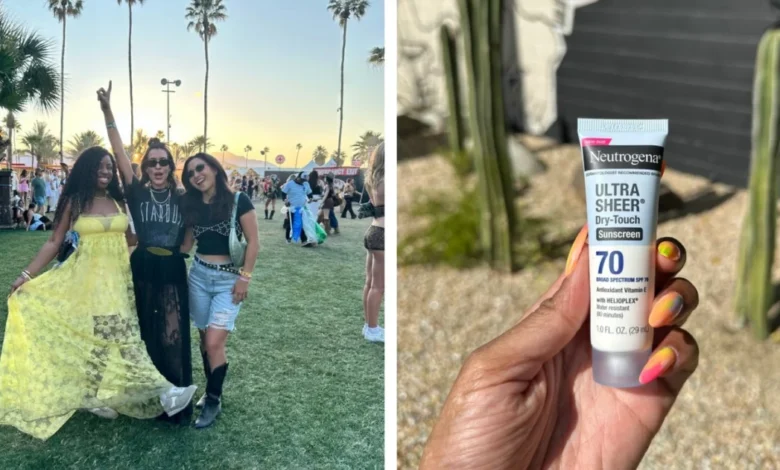
The Coachella Valley Music and Arts Festival has long been synonymous with environmental extremes, characterized by scorching desert heat, persistent dust clouds, and the physical toll of navigating massive crowds. However, the 2026 festival season marked a significant shift in attendee behavior, driven by the emergence of the "glowcation" trend. This concept, popularized on social media platforms like TikTok, reimagines traditional travel as a wellness-focused retreat centered on intensive skincare and restorative practices. By integrating high-end Korean beauty (K-beauty) routines with exclusive hospitality access, festival-goers are transforming the demanding desert environment into a space for physical and aesthetic rejuvenation.
:quality(85):upscale()/2026/04/17/724/n/1922153/2c371ae169e25e75d20741.70400492_.jpg)
The Rise of Wellness Tourism and the Glowcation Trend
The "glowcation" represents a subset of the broader wellness tourism market, which the Global Wellness Institute projected to reach nearly $1.4 trillion by 2027. Historically centered on destinations like Seoul, South Korea—the global epicenter of skincare innovation—the trend has evolved to become mobile. Modern travelers are increasingly transporting complex multi-step beauty regimens to traditionally "un-restorative" events, such as multi-day music festivals.
At Coachella 2026, this was evidenced by a surge in demand for high-SPF protection, hydrating serums, and advanced skincare technology. The goal is to counteract the "festival fatigue" that typically results in skin dehydration and inflammation. By prioritizing self-care rituals as much as the musical lineup, attendees are leveraging the "glowcation" framework to maintain their physical well-being amidst the harsh conditions of the Indio desert.
:upscale()/2026/04/17/682/n/1922153/tmp_BrcJT9_7b90111afc4c1ae8_Coachella-4-Main_2_up_-_1456x970_3_.jpeg)
Strategic Hospitality: The Marriott Bonvoy 1-Point Drop Initiative
A central component of the modern luxury festival experience is the strategic use of loyalty programs to gain access to exclusive environments. Marriott Bonvoy, a leader in the hospitality sector, addressed this demand through its "Moments" program and the introduction of the "1-Point Drop" series. This marketing initiative allowed select members to redeem as little as one loyalty point for VIP guest passes to major global events, including Coachella, Stagecoach, and London’s All Points East.
The VIP guest pass significantly alters the festival experience by providing access to the "Artist Compound," a secluded area featuring a lake and temperature-controlled environments. Logistical perks, such as golf cart transportation between stages and dedicated viewing areas at the front of the stage, serve to minimize the physical exertion typically associated with the event. During high-traffic performances, such as Justin Bieber’s 2026 set, these areas provided a critical sanctuary for attendees to hydrate and rest without exiting the festival grounds.
:upscale()/2026/04/16/628/n/1922153/tmp_q8eYrd_f3744cf7e5c0fe36_Coachella-4-Main_2_up_-_1456x970_1_.jpeg)
Environmental Challenges and the Science of Desert Skincare
The Palm Springs climate presents unique physiological challenges. With high UV indices and low humidity, the risk of epidermal moisture loss and sun damage is acute. For the 2026 season, skincare experts emphasized a two-pronged approach: aggressive photoprotection and deep cellular hydration.
Photoprotection and Moisture Retention
Sunscreen remains the primary defense against the desert sun. Products like Neutrogena Ultra Sheer Dry-Touch SPF 70 became staples at the festival, particularly due to their high Vitamin E content. Vitamin E acts as an antioxidant, neutralizing free radicals generated by UV exposure and helping to soothe the inflammation caused by the dry heat. Marriott Bonvoy integrated these products into their on-site activations, highlighting the intersection of brand partnership and attendee wellness.
:quality(70):extract_cover():upscale():fill(ffffff)/2026/04/17/745/n/1922153/5109283869e265a7226166.89920161_Screenshot_2.png)
K-Beauty Innovations: PDRN and Collagen
The 2026 "glowcation" trend heavily featured products from Medicube, a brand at the forefront of the K-beauty movement. A notable ingredient in this year’s regimen was Salmon PDRN (Polydeoxyribonucleotide) DNA. Derived from salmon sperm, PDRN is a restorative ingredient used in regenerative medicine to promote tissue repair and reduce inflammation.
The application of PDRN-infused products, such as lip masks and eye patches, specifically targeted the areas most vulnerable to the desert’s dust and wind. Caffeine-infused collagen patches were utilized to mitigate the "puffy" appearance associated with sleep deprivation, while hypochlorous acid sprays provided a medical-grade method for cleansing the skin of particulate matter (dust) throughout the day.
:upscale()/2026/04/17/755/n/1922153/tmp_wRluPl_d42831f5384f2da1_Coachella-4-Main_2_up_-_1456x970_5_.jpeg)
Chronology of a Festival Glowcation: A Three-Phase Approach
The success of a glowcation at a high-intensity event like Coachella depends on a structured timeline that balances activity with recovery.
Phase I: Pre-Festival Priming and Luxury Seclusion
The morning routine begins in a controlled environment, away from the festival grounds. For many high-tier attendees, this involved private rentals through "Homes & Villas by Marriott Bonvoy," such as the Mostero House in Old Las Palmas. These locations offer private pools and shaded areas, allowing for "responsible tanning" and the application of initial skincare layers. Starting the day with intensive hydration—both internal (water) and external (serums)—is essential for building a "moisture barrier" before entering the dust-prone festival site.
:quality(70):extract_cover():upscale():fill(ffffff)/2026/04/17/746/n/1922153/9fc20f7e69e265ba250ea0.64825214_Screenshot_2.png)
Phase II: On-Site Maintenance
During the festival, the focus shifts to environmental protection. The use of KN95 masks while traversing dusty paths has become a common practice to protect the respiratory system and the lower face. Skincare maintenance involves the frequent use of mist serums and hypochlorous acid sprays to keep the skin clean and hydrated without disrupting makeup. Access to VIP compounds allows for periodic "cool-down" sessions, which are vital for preventing heat exhaustion.
Phase III: Post-Festival Recovery and Advanced Absorption
The most intensive part of the glowcation occurs after the music ends. The "10-step" skincare routine is often supplemented by beauty technology. Devices such as the Medicube Age-R Booster Pro Mini Plus use electrical stimulation to enhance the absorption of active ingredients like hydrolyzed collagen and glutathione. This ensures that the restorative products penetrate deeper into the dermis, counteracting the day’s environmental damage and achieving the "glass skin" effect popular in K-beauty circles.
:quality(70):extract_cover():upscale():fill(ffffff)/2026/04/16/607/n/44344577/shopDDetSE.png)
The Role of Post-Event Professional Treatments
The final stage of a glowcation often involves professional spa services to "reset" the body. Destinations like Napa Valley and Los Angeles have seen an uptick in bookings following the Coachella weekends. The Spa at Estate Yountville, for example, offers specialized treatments such as the "Veuve Facial," which utilizes gold collagen masks and champagne-infused products to detoxify the skin. These treatments, combined with eucalyptus-infused steam rooms and hydrotherapy, serve to flush out toxins and reduce the systemic cortisol levels elevated by the high-energy festival atmosphere.
Broader Impact and Market Implications
The evolution of Coachella into a wellness-centric "glowcation" reflects a broader trend in the entertainment and travel industries. Consumers are no longer willing to sacrifice their health or appearance for cultural experiences. This shift has forced festival organizers and corporate sponsors to pivot their offerings.
:quality(70):extract_cover():upscale():fill(ffffff)/2026/04/17/746/n/1922153/ca17efdd69e265d806c532.64007888_Screenshot_2.png)
- Brand Integration: Companies like Marriott and Medicube are finding new ways to integrate their products into the "lifestyle" of the attendee, moving beyond traditional advertising to experiential marketing that provides actual utility (e.g., SPF stations and skincare kits).
- The Luxury Segment: The success of the "1-Point Drop" program indicates a high demand for "accessible luxury." By gamifying loyalty points, brands can attract a younger, tech-savvy demographic that values exclusive access.
- Sustainability and Health: As climate change continues to impact the Coachella Valley, the focus on "surviving" the elements through wellness will likely become a permanent fixture of the festival circuit.
Conclusion: The New Standard for High-Profile Travel
The transformation of Coachella from a grueling test of endurance into a rejuvenating "glowcation" suggests that the future of travel lies at the intersection of entertainment and self-care. While the approach may seem unorthodox given the festival’s history, the integration of K-beauty science and strategic hospitality provides a viable blueprint for maintaining wellness in any environment. As the "glowcation" trend continues to grow, it is expected to redefine the expectations of the global traveler, making rejuvenation a non-negotiable component of every itinerary, no matter how chaotic the destination.