Princess Charlene of Monaco Honors Grace Kelly’s Legacy in Shimmering Gold Elie Saab Gown at the 77th Monaco Red Cross Gala

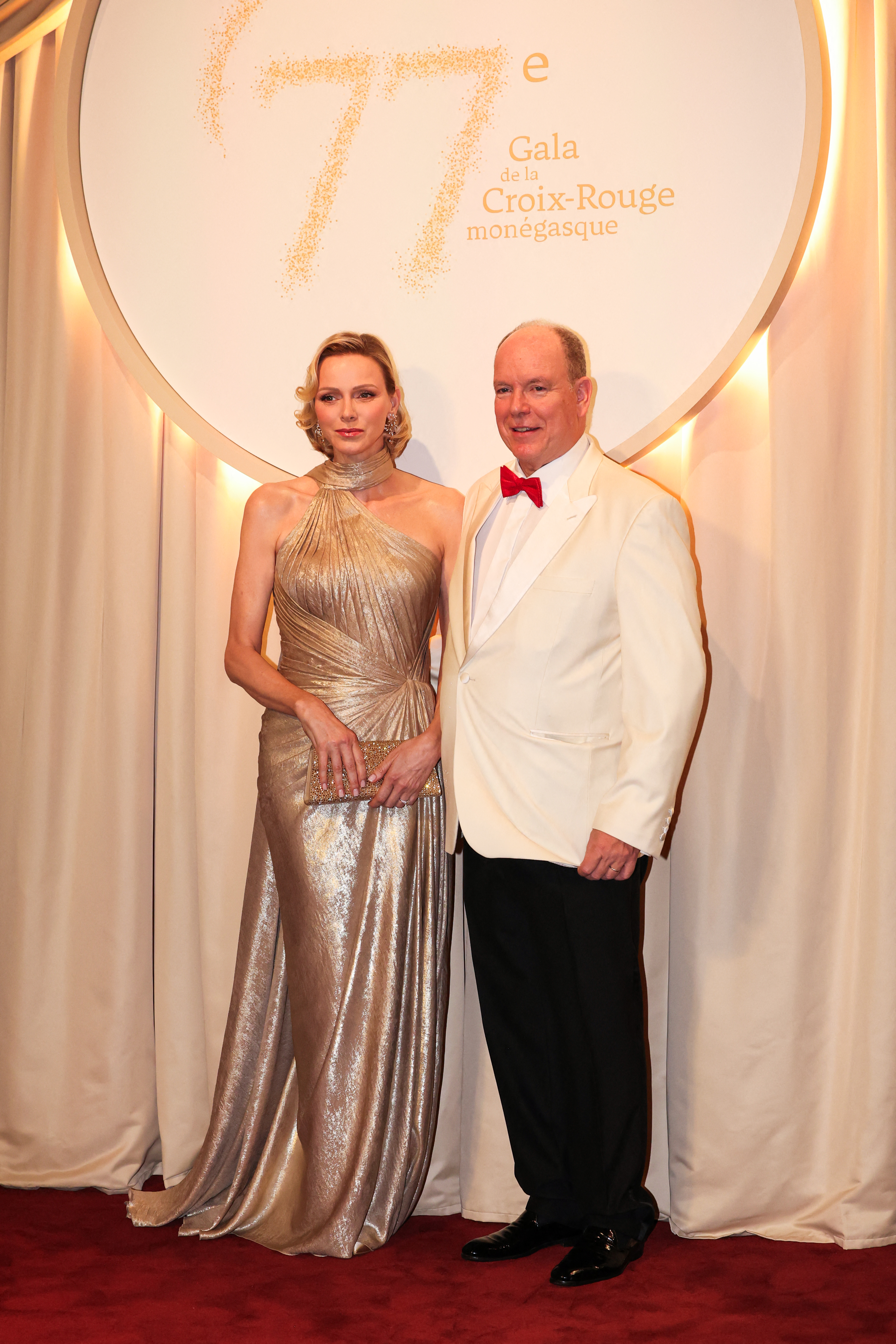
Princess Charlene of Monaco captivated the international fashion community and royal observers alike on Saturday, July 18, when she appeared at the 77th Monaco Red Cross Gala wearing a custom-designed, shimmering gold gown that served as a poignant tribute to her late mother-in-law, Princess Grace. Accompanied by her husband, Prince Albert II, the Princess of Monaco utilized the high-profile humanitarian event to bridge the gap between Hollywood’s golden age and the modern era of the House of Grimaldi. The gala, held at the Salle des Étoiles of the Sporting Monte-Carlo, remains the most prestigious event on the Principality’s social calendar, serving both as a major fundraising vehicle for the Monaco Red Cross and a platform for the royal family to reaffirm their commitment to global philanthropy.
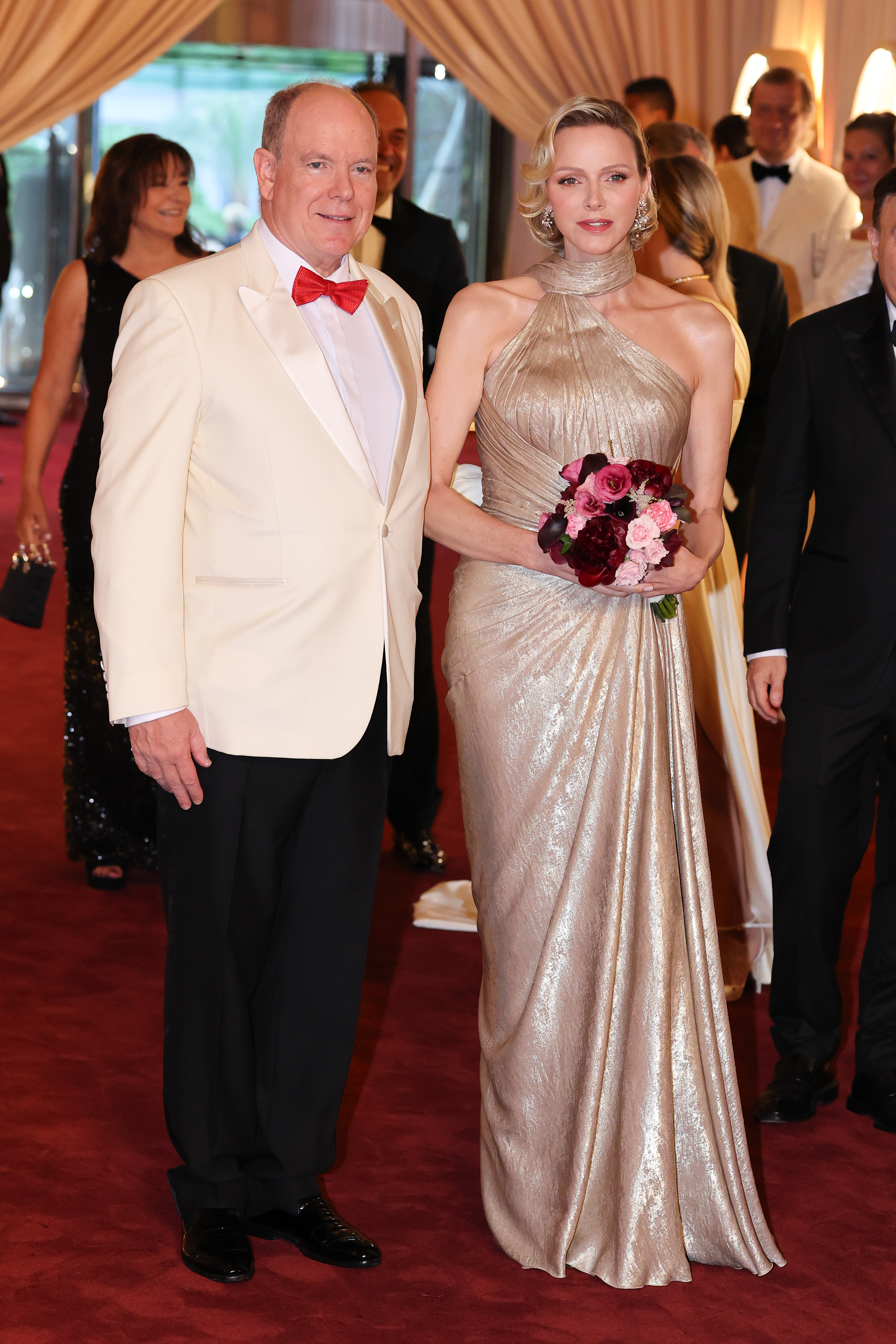
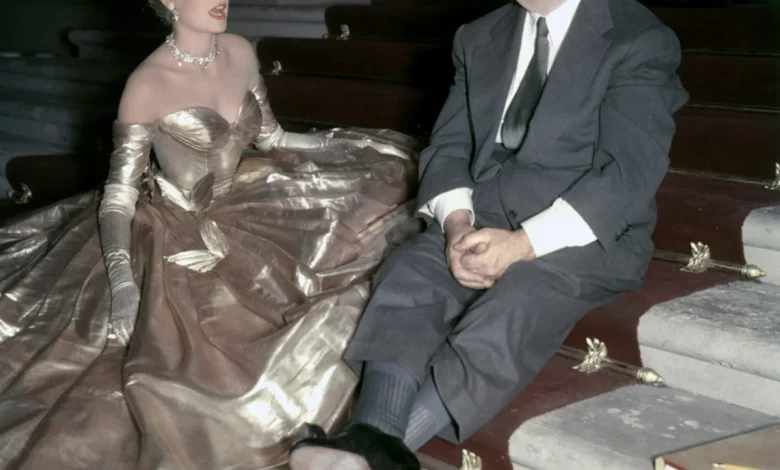
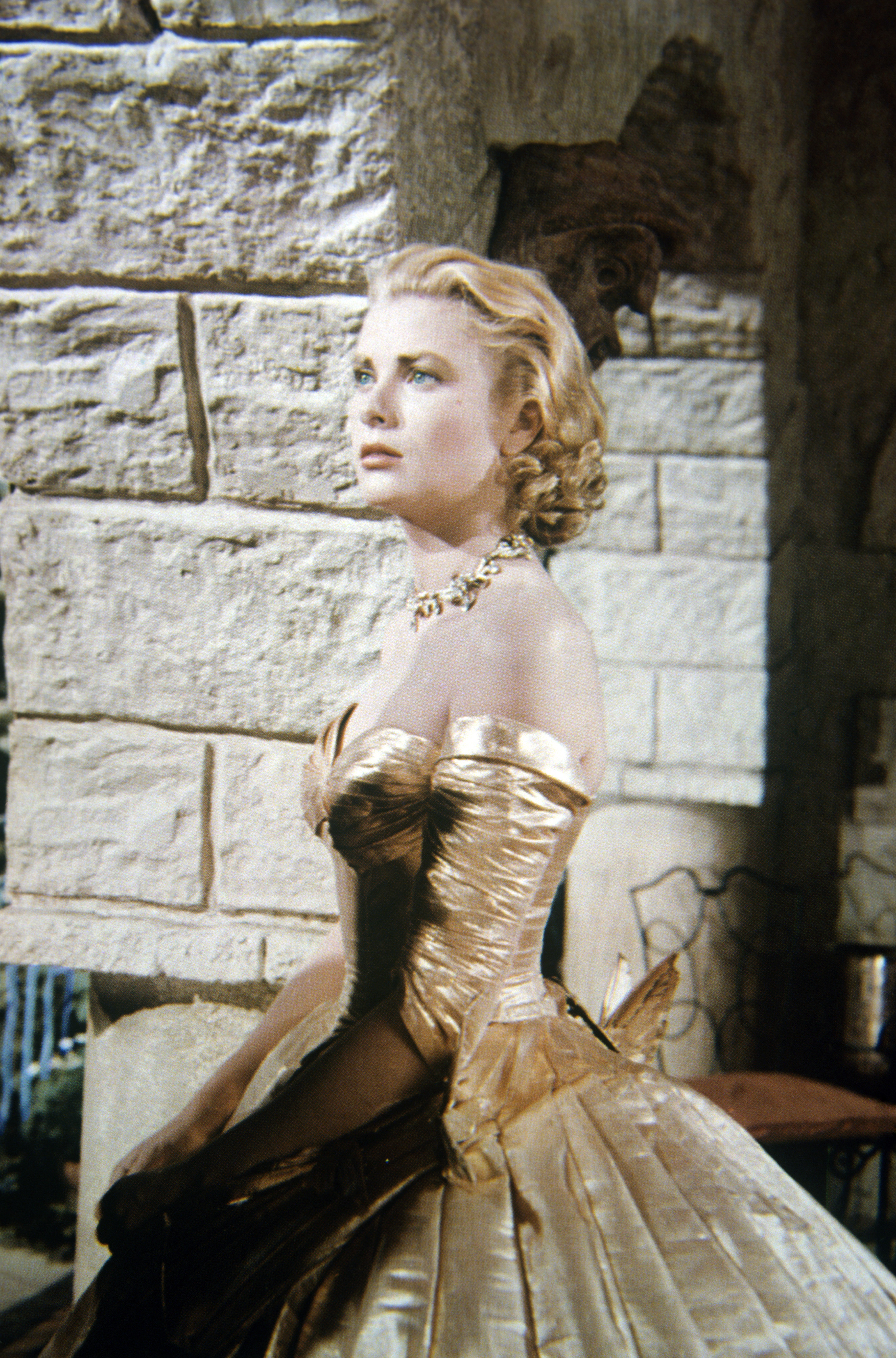
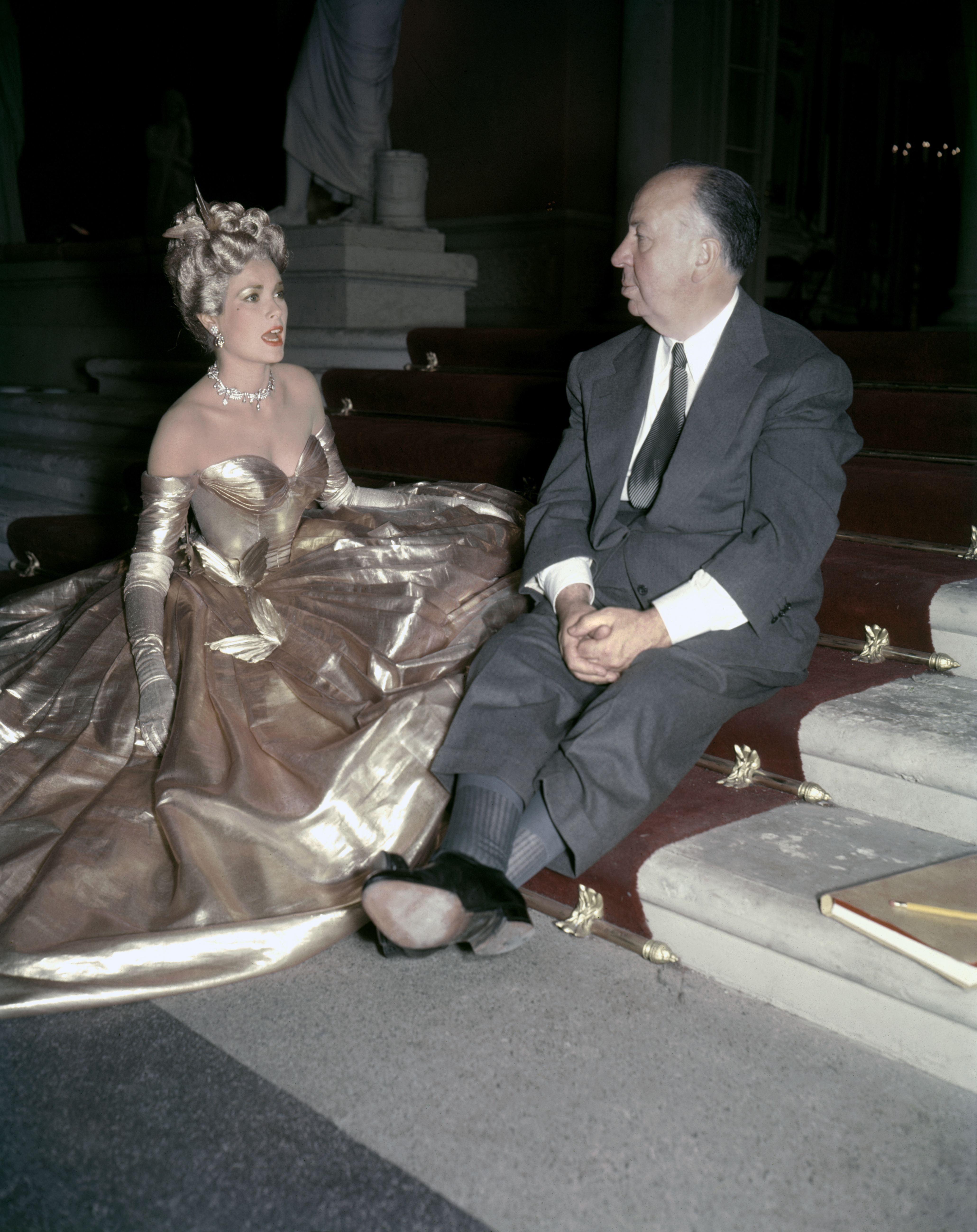
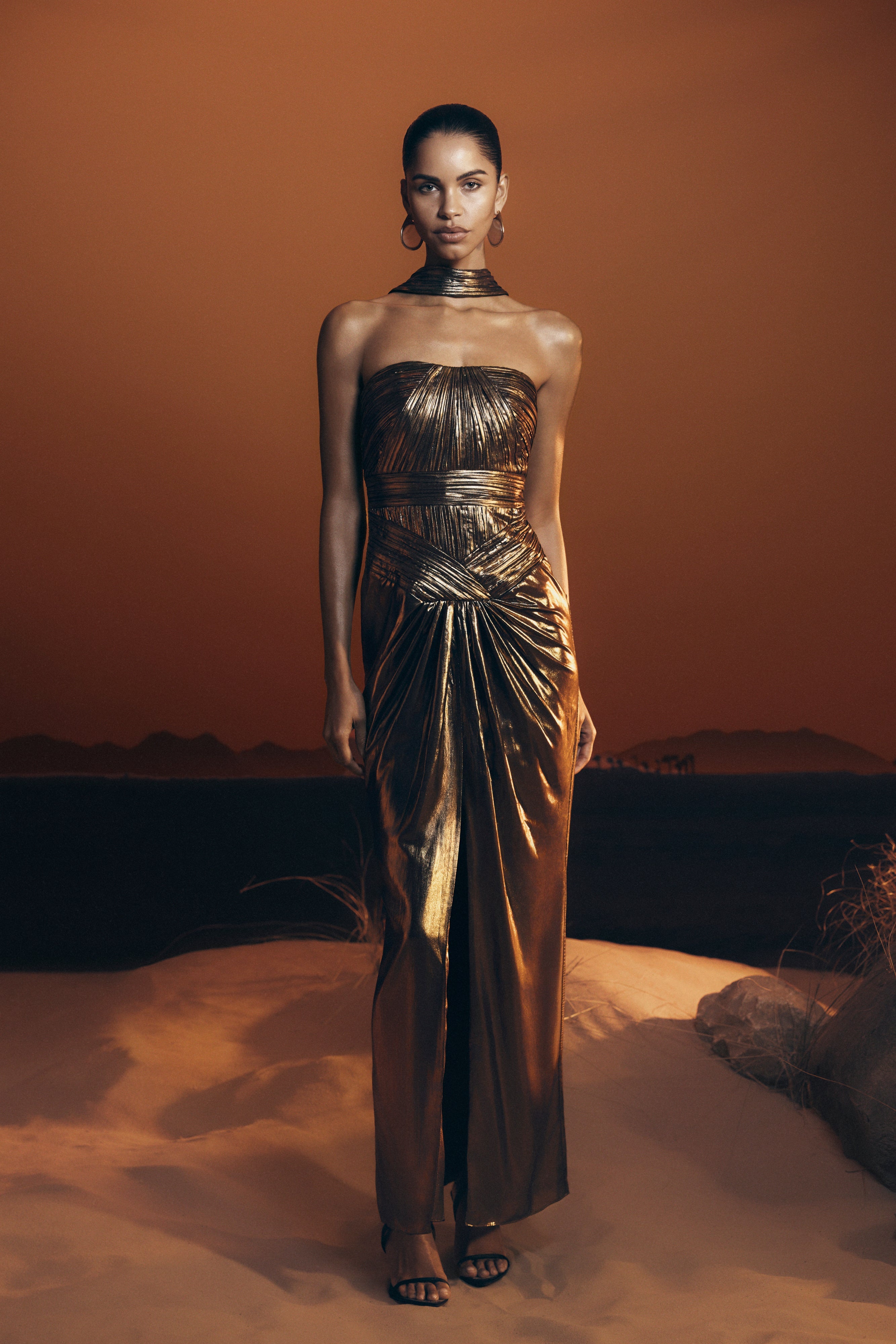
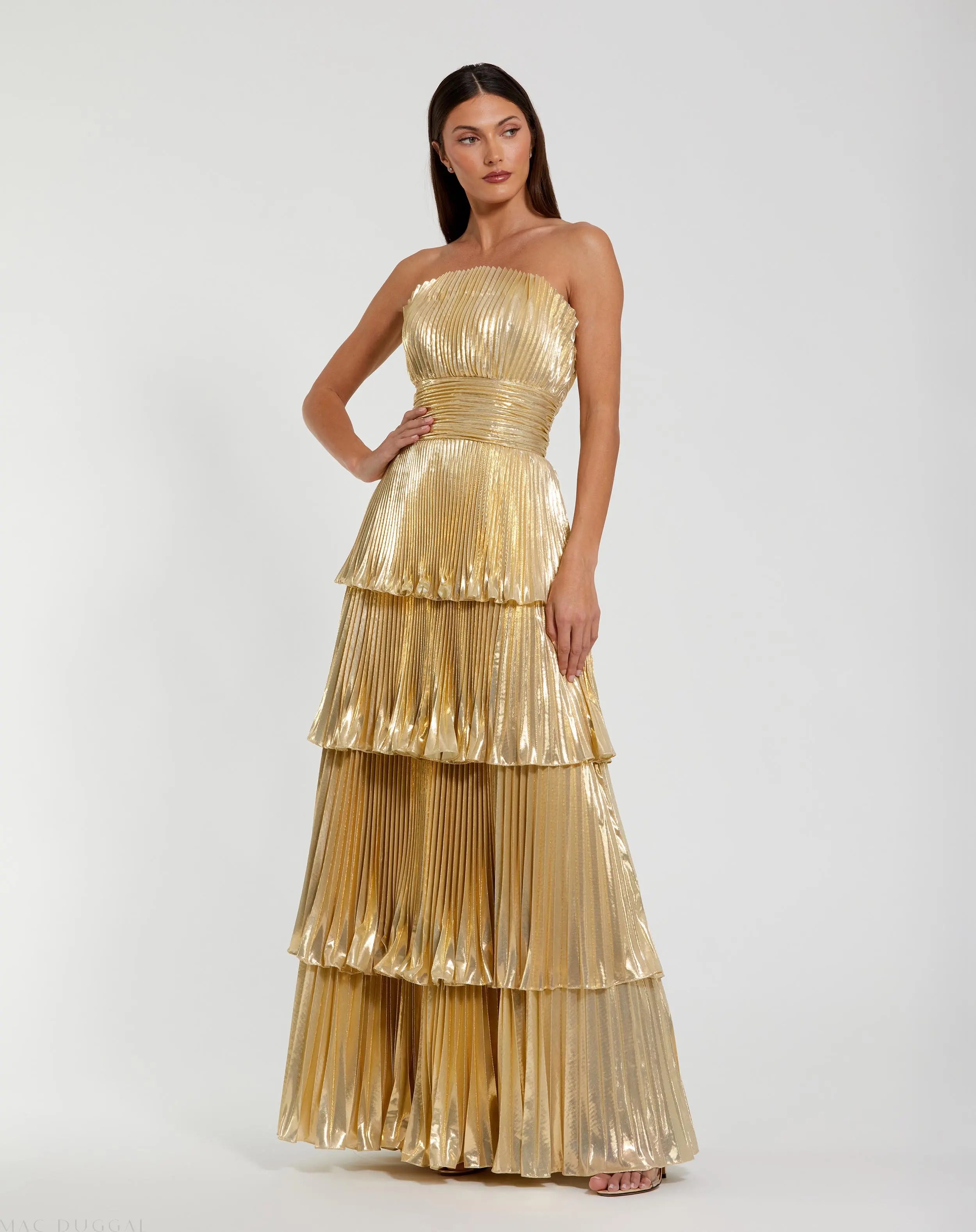
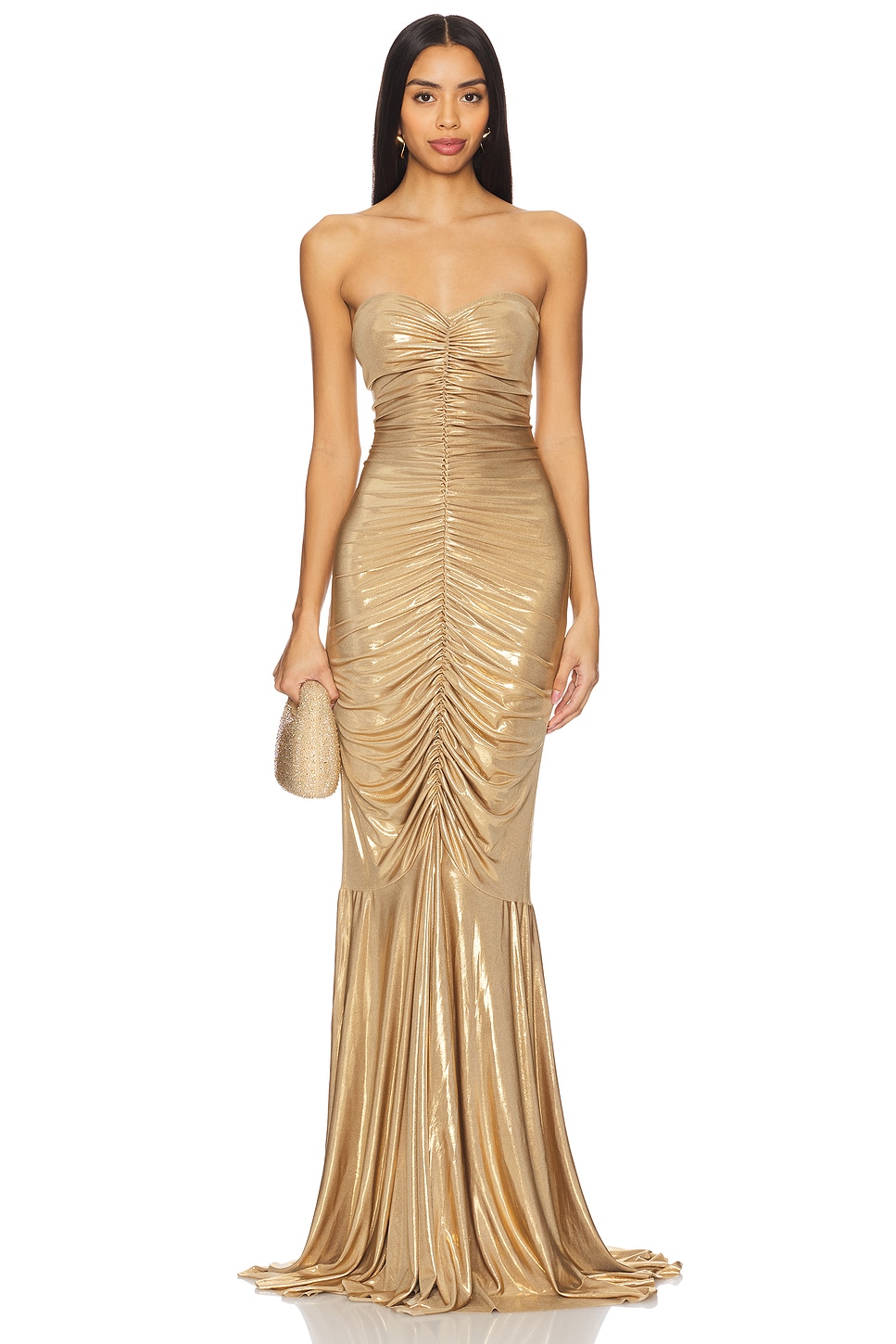
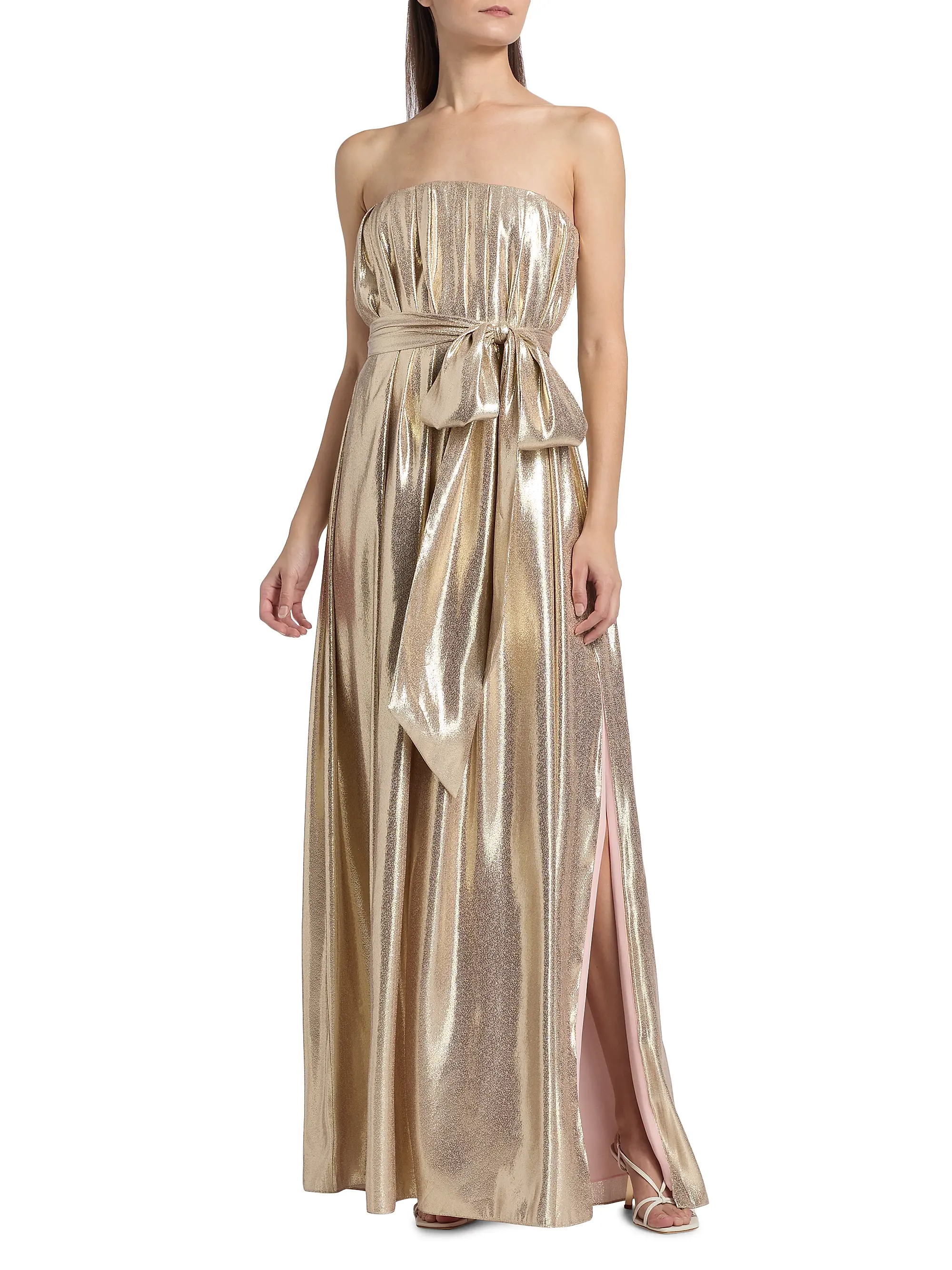
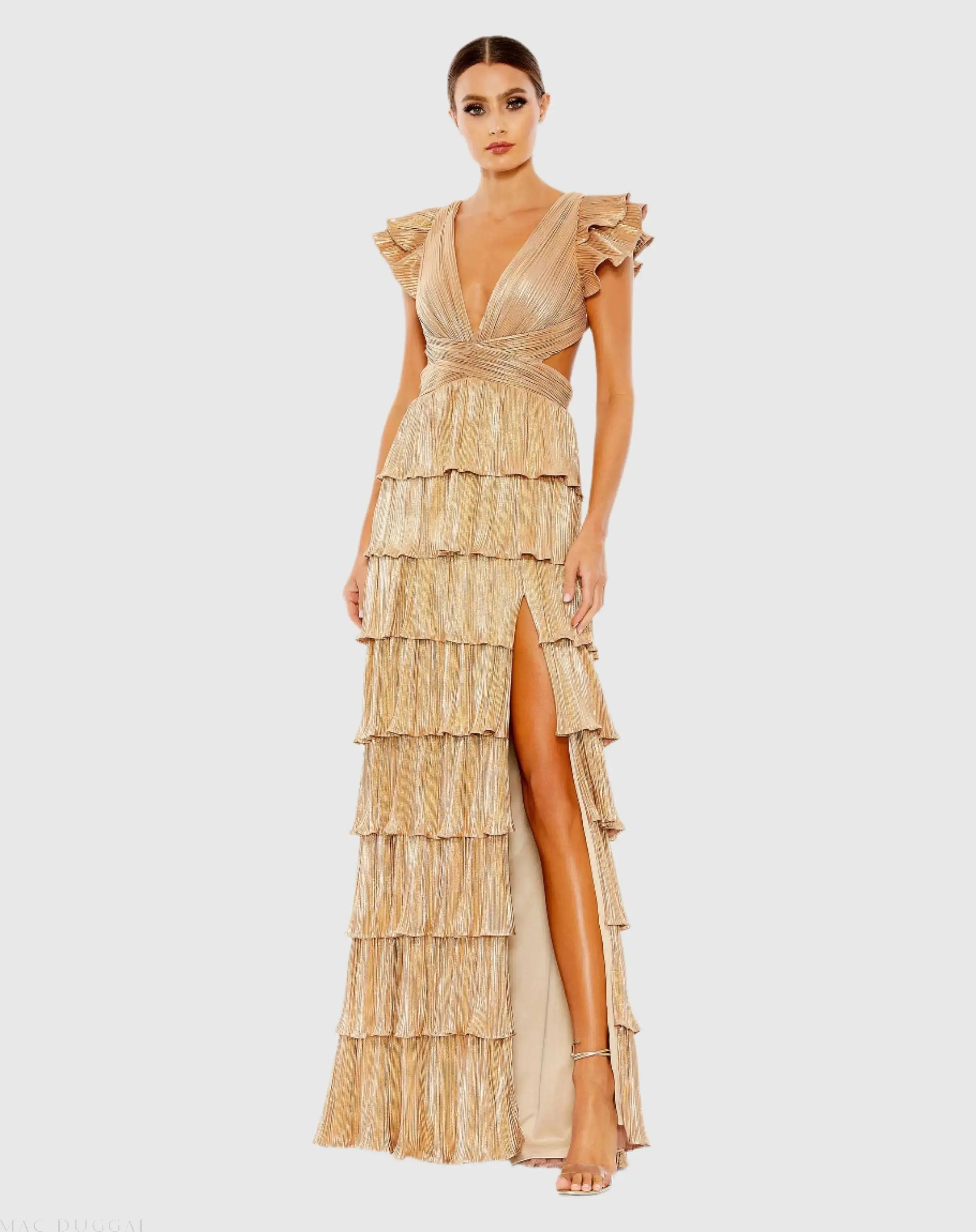
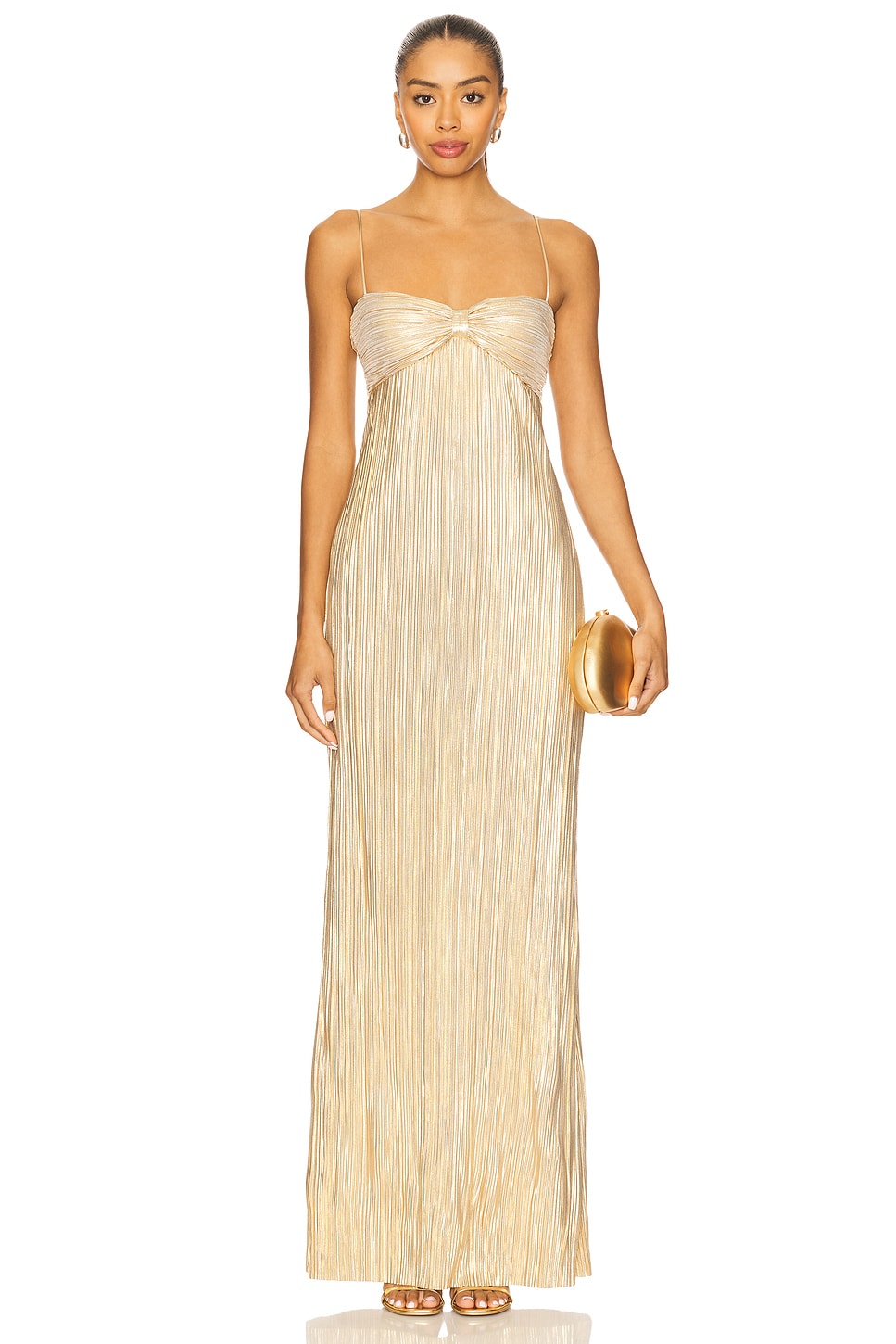
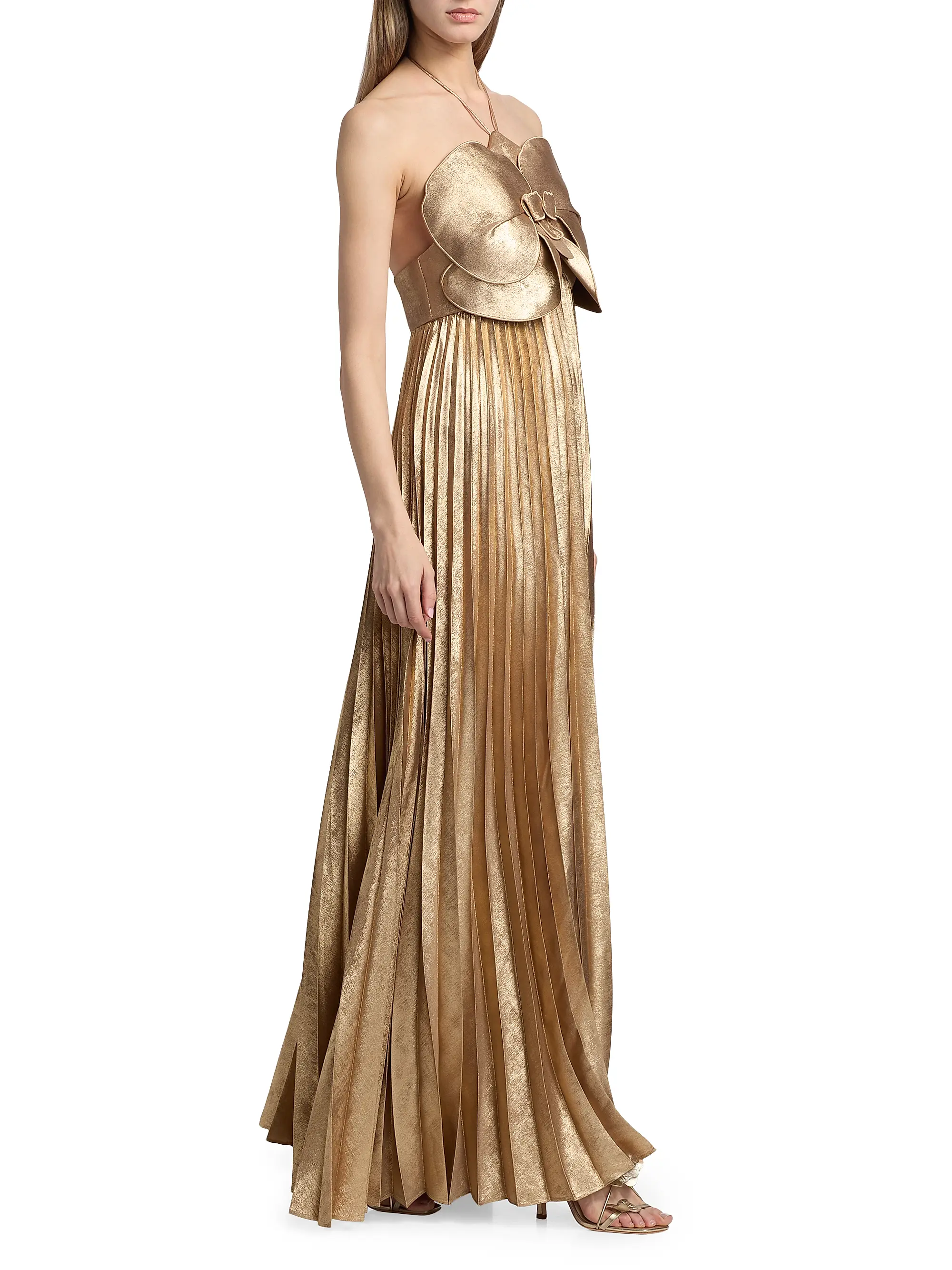
For the occasion, Princess Charlene selected a bespoke creation from Lebanese couturier Elie Saab, a designer who has increasingly become a staple in her formal wardrobe. The gown featured an asymmetrical halter neckline and a delicately draped bodice that transitioned into a flowing skirt, all crafted from a sumptuous metallic fabric that caught the Mediterranean light. The choice of gold was widely interpreted by style historians as a direct nod to Princess Grace’s iconic wardrobe, specifically the gold lamé gown designed by Edith Head for the 1955 Alfred Hitchcock classic, To Catch a Thief. By mirroring the silhouettes and textures favored by the late Hollywood icon, Princess Charlene underscored a sense of continuity within the Monegasque royal lineage, nearly 42 years after Princess Grace’s untimely passing in 1982.
Technical Excellence in Royal Couture
The Elie Saab gown worn by Princess Charlene was a masterclass in draping and structural design. Known for his ability to blend Middle Eastern opulence with European silhouettes, Saab created a garment that emphasized the Princess’s athletic frame—a legacy of her career as an Olympic swimmer—while maintaining the ethereal elegance required of a sovereign consort. The asymmetrical neckline provided a modern edge to the classic Grecian-inspired draping, a technique that requires significant artisanal skill to execute in metallic-treated fabrics which can often be stiff or unforgiving.
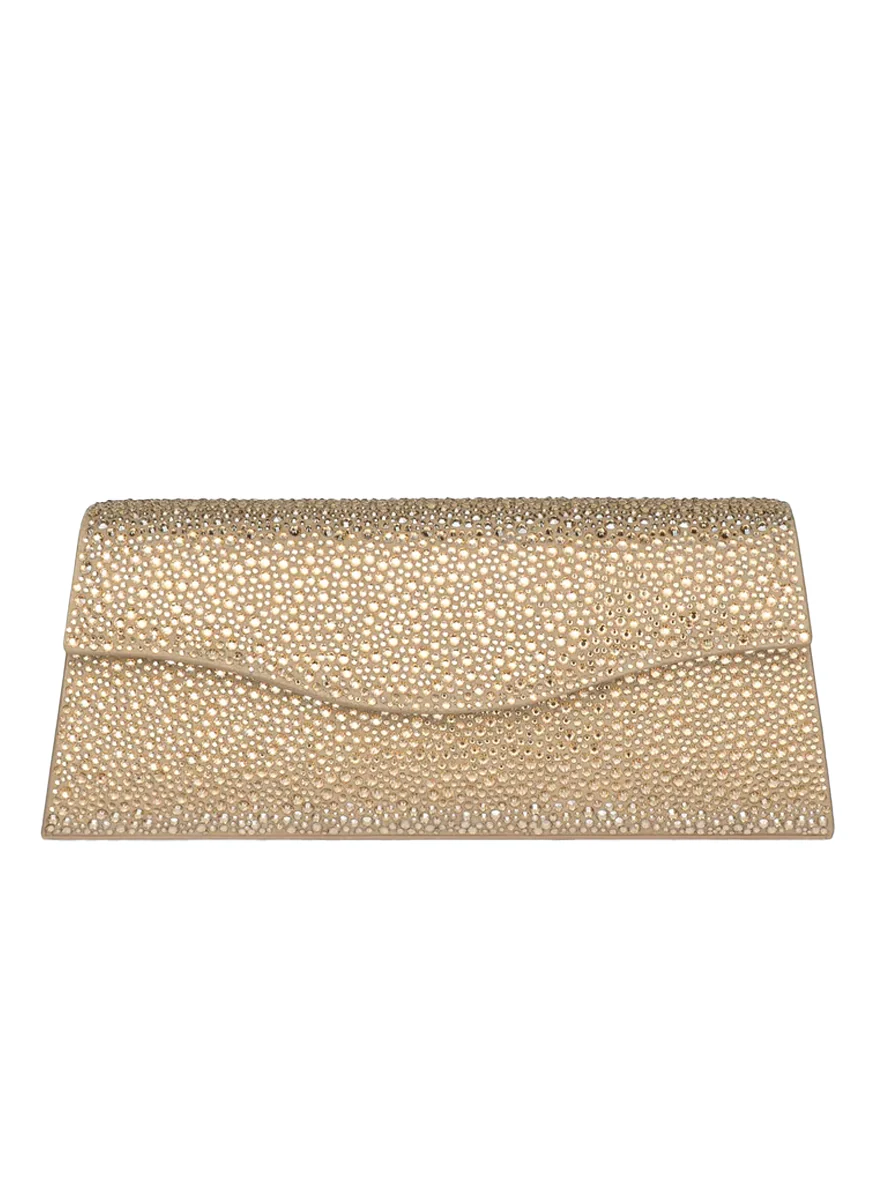
To complement the statement gown, Princess Charlene curated a selection of high-end accessories. She carried the "Midnight Crystal Clutch" by Elie Saab in a champagne hue, which featured intricate embellishments that harmonized with the gown’s reflective surface. Her jewelry was equally deliberate; she wore a pair of drop earrings from the Danish heritage brand Ole Lynggaard. These pieces added a touch of contemporary Scandinavian minimalism to the otherwise maximalist ensemble, ensuring that the focus remained on the gown’s historical resonance.
This appearance marks the second major collaboration between the Princess and Elie Saab this year. In March, Charlene attended the Monaco Galaxy Rose Ball in a glittering, sequined Elie Saab jumpsuit paired with a matching floor-length cape. This recurring partnership suggests a shift in the Princess’s sartorial strategy, moving toward designers who offer a blend of architectural precision and high-octane glamour, departing from the more understated Armani Privé ensembles that defined her early years in the palace.
The Historical Parallel: Grace Kelly and the ‘Golden Look’
The comparison to Grace Kelly is not merely aesthetic; it is deeply rooted in the cinematic history of Monaco. In To Catch a Thief, Grace Kelly played Frances Stevens, a wealthy American socialite who falls for a reformed jewel thief on the French Riviera. The gold ballgown she wore in the film’s masquerade sequence remains one of the most famous costumes in film history. By choosing a similar palette and draped construction, Princess Charlene effectively invoked the image of the woman who transformed Monaco into a global symbol of elegance and sophistication.
Fashion historians note that Princess Grace often used her wardrobe as a form of diplomatic soft power. During her tenure as the President of the Monaco Red Cross from 1958 until her death, she utilized the annual gala to attract international donors and celebrities, essentially branding the event through her personal style. Princess Charlene’s recent fashion choices suggest a calculated embrace of this legacy. After a period of public absence due to health concerns in recent years, her return to the spotlight has been characterized by a more confident, historically aware approach to dressing that honors the past while asserting her own modern identity.
A Legacy of Solidarity: The Monaco Red Cross Gala
While the fashion takes center stage in media coverage, the Monaco Red Cross Gala is primarily a humanitarian endeavor. Founded in 1948 by Prince Louis II, the Monaco Red Cross (Croix-Rouge Monégasque) was established to assist the vulnerable both within the small principality and across the globe. Prince Rainier III later expanded its scope, and under the presidency of Princess Grace, the gala became a world-renowned event that drew the likes of Frank Sinatra, Josephine Baker, and Elton John.
In a statement shared via the official Palace Instagram account, the royal family emphasized the gravity of the event: "A key event for solidarity in the Principality, this gala celebrates the work carried out daily by the Monaco Red Cross and pays tribute to the generosity of its donors, whose support helps the most vulnerable people in Monaco and around the world."
The 77th edition of the gala continues a long-standing tradition of high-impact fundraising. Proceeds from the evening are directed toward various initiatives, including:
- Local Social Assistance: Providing aid to the elderly, isolated individuals, and families in financial distress within Monaco and the surrounding French communes.
- International Emergency Relief: Deploying funds and resources to regions affected by natural disasters, armed conflicts, and health crises.
- First Aid Training: Funding educational programs that have trained thousands of residents in life-saving techniques.
- Health and Youth Programs: Supporting nursing homes and youth development centers that operate year-round under the Red Cross banner.
Chronology of a Royal Style Icon
Princess Charlene’s evolution into a style icon has been a journey of refinement and strategic choices. Since her marriage to Prince Albert II in 2011, her wardrobe has been a subject of intense scrutiny.
- 2011–2015: Defined by "The Armani Era." Charlene leaned heavily into the clean, minimalist lines of Giorgio Armani, favoring neutral tones and structured suits that mirrored her disciplined athletic background.
- 2016–2020: A period of experimentation. The Princess began incorporating more avant-garde designers like Akris and Dior, often opting for bold colors and daring silhouettes, such as the "half-hawk" haircut that signaled a break from traditional royal expectations.
- 2021–Present: The "Regal Homage" phase. Following her return to full-time duties after a lengthy recovery from a severe ENT infection, Charlene has adopted a wardrobe that is more overtly glamorous and referential to the Grimaldi history. Her choice of Elie Saab for major galas indicates a preference for "statuesque" dressing—gowns that demand attention and project stability and grace.
Broader Impact and Social Implications
The success of the 77th Monaco Red Cross Gala and Princess Charlene’s fashion choice has broader implications for the Principality’s image. In an era where European monarchies are often criticized for being out of touch, the Grimaldi family uses events like the Red Cross Gala to demonstrate the tangible benefits of their patronage. The visual link to Grace Kelly serves to remind the public of the "Golden Age" of Monaco, reinforcing the idea of the Principality as a bastion of timeless luxury and philanthropic excellence.
Furthermore, Princess Charlene’s increasing visibility and her sophisticated use of fashion indicate a strengthening of the "Team Monaco" brand. Alongside Prince Albert, who has led the Monaco Red Cross since 1982, Charlene is positioning herself as a central figure in the nation’s diplomatic efforts. Her ability to command global headlines through a single wardrobe choice provides the Monaco Red Cross with invaluable publicity, ensuring that the organization’s humanitarian message reaches a diverse, international audience.
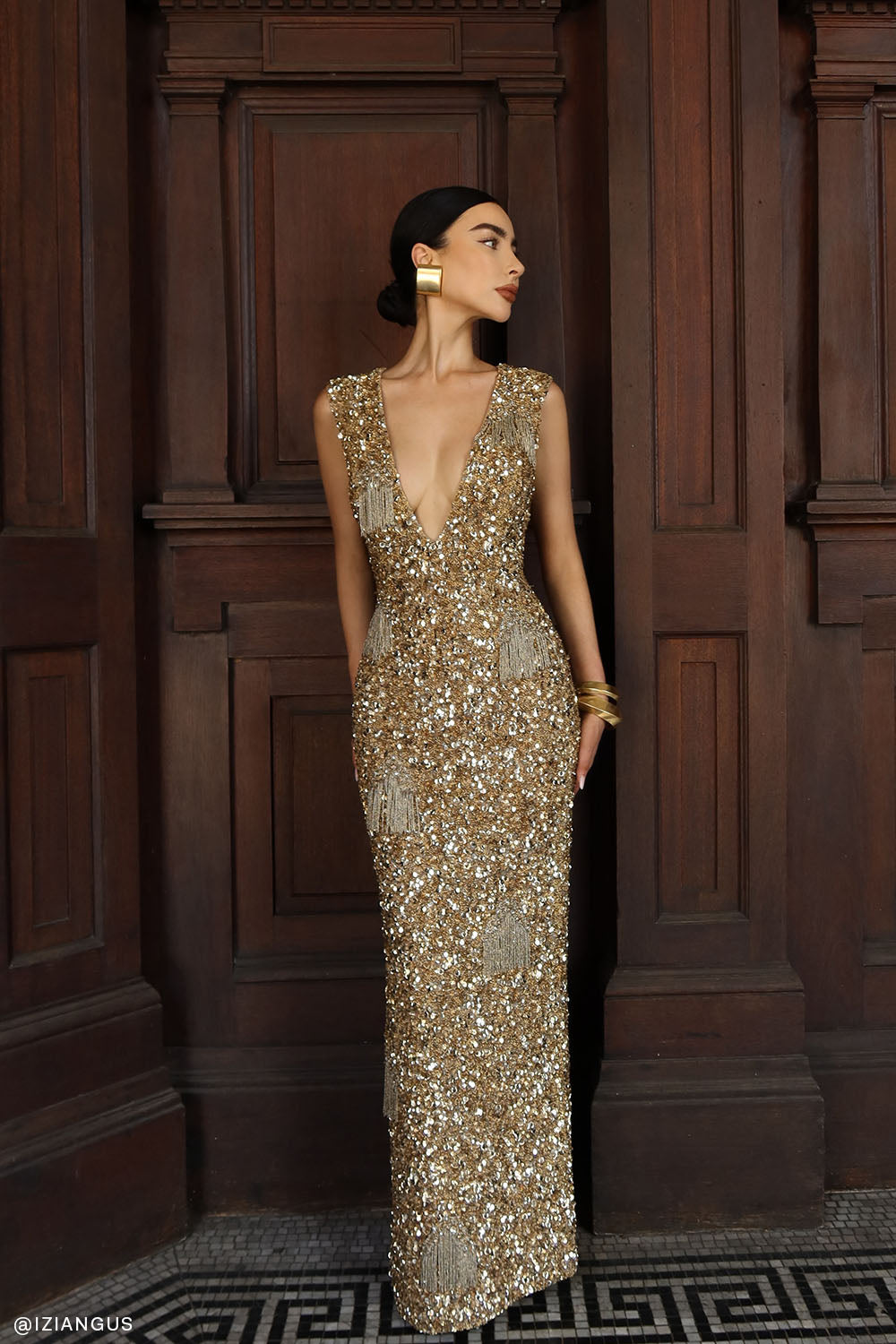
As the 77th Gala concludes, the focus remains on the millions of euros raised for global aid. However, the image of Princess Charlene in shimmering gold will likely endure as a definitive moment in contemporary royal fashion. By looking back to the cinematic elegance of Grace Kelly, Charlene has successfully charted a path forward, proving that the most effective way to lead a modern monarchy is to respect the shadows of the past while stepping firmly into the light of the present.