Meg Ryan Makes Rare Red Carpet Appearance at Vanity Fair Oscars Party After Oscars 2026

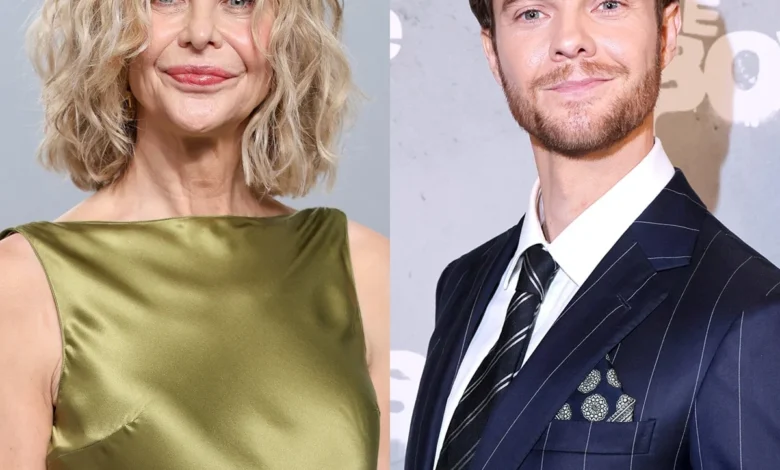
The intersection of classic Hollywood royalty and contemporary television stardom offered a rare public display on September 19, as actress Meg Ryan and her son, actor Jack Quaid, stepped out together for the opening night of the Lucas Museum of Narrative Art in Los Angeles. The joint appearance marked the first time the mother-son duo has walked a red carpet or attended a public event together in nearly nine years, ending a hiatus that began following a New York Knicks basketball game in December 2017.
The high-profile cultural event brought together prominent figures from the arts, entertainment, and philanthropic sectors to celebrate the inaugural exhibition of the museum, spearheaded by filmmaker George Lucas. Against this backdrop of architectural grandeur and cinematic celebration, Ryan and Quaid’s rare collective appearance immediately drew the attention of media outlets and attendees alike, underscoring the enduring fascination with Hollywood family dynasties and the private lives of industry icons who have selectively stepped back from the relentless pace of the studio system.
A Study in Classic and Contemporary Style
For the milestone evening in the City of Angels, 64-year-old Ryan offered a modern iteration of timeless evening wear. The City of Angels star put a sophisticated spin on the classic little black dress by selecting a black jacquard midi garment accented with a delicate ruffled trim. Demonstrating an understated approach to red carpet fashion, Ryan kept her accessories to a minimum, pairing the textured dress with dark sunglasses—a signature element of her effortless public persona—and a sleek silver cuff bracelet.
Beside her, 34-year-old Quaid, recognized globally for his breakout role as Hughie Campbell in the Amazon Prime Video hit series The Boys, adopted a sharply tailored aesthetic. The actor wore a dark gray suit layered over a crisp white button-down shirt, finished with a black printed tie. Observers and fashion chroniclers quickly noted another notable detail on Quaid’s left hand: his wedding band, prominently displayed on his ring finger following his marriage to his former costar Claudia Doumit in April.
The stylistic choices of both actors reflected their respective places in the entertainment ecosystem—Ryan projecting the enduring elegance of a veteran rom-com icon, and Quaid embodying the polished yet approachable demeanor of a leading man of his generation.
Chronology of a Rare Public Partnership
The journey to the Lucas Museum opening night spans decades of shared family life, industry transitions, and selective public appearances. Ryan, who shares Jack with her former husband and fellow actor Dennis Quaid, has spent much of the past decade maintaining a deliberately low profile in Los Angeles and New York. Following a prolific career defined by defining romantic comedies of the late 20th century—including When Harry Met Sally…, Sleepless in Seattle, and You’ve Got Mail—Ryan stepped away from heavy on-screen commitments to focus on her personal life and behind-the-camera endeavors. Her family circle also includes her 21-year-old daughter, Daisy.
Throughout this period, joint public outings with her children remained exceedingly rare. Prior to the September museum opening, public records and photographic archives trace their last documented joint appearance back to December 2017, when the mother and son sat courtside at a New York Knicks game. In the years that followed, Quaid forged his own distinct path in Hollywood, building a robust resume that includes voice acting in animated franchises like My Adventures with Superman, starring roles in features like Scream (2022) and Oppenheimer (2023), and his defining multi-season arc in The Boys.
Ryan’s return to the director’s chair and the leading man spotlight came in late 2023, when she co-wrote, directed, and starred in the romantic comedy What Happens Later opposite David Duchovny. Despite stepping back into the promotional spotlight for that project, Ryan’s primary engagement with industry news in recent years has frequently centered on her fierce and protective support of her children’s professional journeys.
Navigating the "Nepo Baby" Discourse and Public Defense
The private dynamics of the Ryan-Quaid household spilled into the public sphere in recent years as Jack Quaid navigated the intense cultural discourse surrounding second-generation actors in Hollywood, colloquially termed "nepo babies." While industry analysts and social media commentators have frequently scrutinized the children of prominent actors for enjoying built-in advantages in securing auditions and representation, Ryan has been vocally defensive of her son’s independent talent and rigorous work ethic.
In a candid 2023 interview with Glamour magazine, Ryan directly addressed the label, offering an unfiltered assessment of her son’s capabilities. "Jack is really talented," she stated at the time. "He’s more of a natural than I’ll ever be. That nepo stuff is so dismissive of his work ethic, his gifts, and how sensitive he is to the idea of his privilege."
Quaid himself has subsequently weighed in on his mother’s protective public stance. In an interview with The Daily Beast in 2024, the actor acknowledged his awareness of the discourse while framing his mother’s comments through the lens of familial loyalty. "My first thought was like, she’s being a mom," Quaid shared. "She’s being a loving mom."
This mutual support system has underscored a broader conversation within the entertainment industry regarding how rising stars with famous parents manage the dual realities of legacy and individual merit. Observers note that Quaid has consistently sought out diverse, challenging roles—often in independent cinema or ensemble television casts—that allow him to establish a professional identity distinct from the iconic filmographies of both Meg Ryan and Dennis Quaid.
Broader Implications and Industry Context
The joint appearance of Meg Ryan and Jack Quaid at a major cultural institution like the Lucas Museum of Narrative Art carries broader significance within the framework of celebrity culture and industry PR. For legacy performers, controlled and deliberate red carpet appearances serve as a bridge between past eras of cinema and the fast-paced, social media-driven landscape of modern streaming and franchise entertainment.
Furthermore, the alignment of major generational talent within a single family highlights the evolving nature of Hollywood dynasties. As generational actors continue to populate screens across broadcast television, streaming platforms, and theatrical releases, the public’s appetite for multi-generational family dynamics remains robust. Events that successfully capture rare gatherings of legendary performers and their rising-star offspring provide vital cultural touchstones, satisfying public nostalgia while offering a platform for contemporary talent to shine.
As both actors look toward upcoming professional projects—with Quaid continuing his tenure in high-profile television and Ryan selectively choosing creative endeavors behind and in front of the camera—their September 19 outing stands as a memorable exception to their traditionally private family life. Whether this joint red carpet appearance signals a readiness for more frequent public outings together remains to be seen, but for fans of both generations of actors, the evening offered a welcome glimpse into a enduring, mutually supportive Hollywood family.