Christina Applegate Shares First Look Outside the Hospital Following Months-Long Stay Amid Ongoing MS Battle

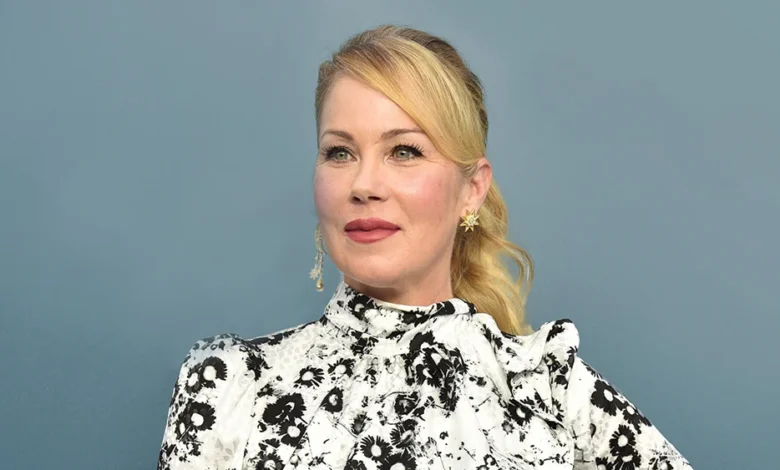
Emry-winning actress Christina Applegate has offered her followers a reassuring glimpse into her recovery, sharing a video on Instagram that marks her first public display of life outside the hospital following a grueling, months-long medical stay. The beloved star of Married… with Children and Dead to Me has remained remarkably transparent about the profound health challenges she faces while living with multiple sclerosis (MS), a chronic neurological condition she publicly disclosed in 2021.
In the newly published video, Applegate appears in high spirits, showcasing a fresh blonde hairstyle while sporting a comfortable black zip-up hoodie. The informal and intimate update allowed the actress to connect directly with her fanbase, injecting her characteristic humor into the narrative. "Fresh hair color, new weird spot on my cheek haha thank you @davestanwell for brightening up my cloudy day," Applegate wrote in the caption, tagging her hairstylist. Beyond the lighthearted commentary, the actress also took a moment to express profound gratitude for the continuous wave of support she has received throughout her medical journey. "Love you and love to you all out there," she added, acknowledging the loyal community that has stood by her side.
The update serves as a welcome milestone for fans who have grown deeply concerned following a turbulent period in the actress’s healthcare timeline. News first broke in March that Applegate had been hospitalized, triggering widespread concern across the entertainment industry and among her global fan base. However, demonstrating the resilience that has defined both her personal and professional life, Applegate addressed the public the following month through an uplifting Instagram post, assuring supporters that her condition was steadily improving.
"Thank you for the outpouring of love and well wishes," she wrote in a candid statement shared on a Monday afternoon. "Health issues are a constant for me, but I’m a strong chick and I’m getting stronger and better every day. I’m taking a moment to focus on my health, but I’ll be back with more to say soon enough." This measured approach to her recovery underscores a broader paradigm shift in how Applegate manages her public profile while balancing the unpredictable and often debilitating symptoms of her condition.
A Comprehensive Timeline of Christina Applegate’s MS Journey
To understand the weight of Applegate’s recent hospital stay and subsequent recovery, it is essential to examine the chronology of her diagnosis and the public milestones she has navigated over the last several years.
The public chapter of Applegate’s health battle officially began in August 2021. Taking to social media to share the news with her followers, the actress wrote that she had been diagnosed with multiple sclerosis a few months prior. Describing the diagnosis as a deeply surreal experience, she compared her situation to others who have walked the same difficult path, noting how she has heard from numerous individuals facing identical struggles. At the time, she requested privacy as she navigated the initial stages of processing the diagnosis and adapting to a new normal.
Following her diagnosis, Applegate largely stepped away from traditional on-screen acting roles, focusing intensely on her health and physical therapy. Despite the physical toll of the illness, she made a triumphant and emotionally resonant return to the public eye in late 2022 to receive a star on the Hollywood Walk of Fame. The ceremony served as her first major public appearance since disclosing her MS diagnosis. Supported by a cane and assisted by her Dead to Me co-star Linda Cardellini, Applegate walked onto the stage to a thunderous standing ovation.
During her acceptance speech, an visibly moved Applegate fought back tears as she addressed the crowd, directing much of her emotional tribute toward her young daughter. "The most important person in this world is my daughter," Applegate stated, her voice trembling with emotion. "You are so much more than even you know. You are so beautiful and kind and smart and interesting. I’m blessed every day that I get to wake up and take you to school… thank you for standing by me through all of this." She also extended her gratitude to the broader audience, expressing deep appreciation for the unwavering community that championed her career and her personal resilience.
Understanding Multiple Sclerosis: The Medical Context
Multiple sclerosis is a complex, chronic autoimmune disease that affects the central nervous system, which includes the brain and spinal cord. In patients with MS, the immune system mistakenly attacks the protective myelin sheath that surrounds nerve fibers, causing inflammation and microscopic damage. This disruption interferes with the transmission of electrical signals between the brain and the rest of the body, leading to a wide array of unpredictable symptoms.
Common symptoms of multiple sclerosis include severe fatigue, vision problems, numbness and tingling, muscle spasms, mobility challenges, and cognitive changes. Because the disease is inherently unpredictable—often characterized by sudden flare-ups followed by periods of remission—living with MS requires continuous medical management, lifestyle adjustments, and extensive physical rehabilitation. For public figures like Christina Applegate, managing these symptoms while maintaining a public profile or dealing with acute health crises requires immense fortitude. Medical professionals emphasize that hospitalization for MS patients typically occurs during severe relapses, complications related to mobility, or intensive medication adjustments, making Applegate’s recent months-long hospital stay a significant medical hurdle.
The Broader Impact and Cultural Implications of Applegate’s Advocacy
Christina Applegate’s openness regarding her multiple sclerosis diagnosis has had a profound ripple effect across the entertainment industry and the broader chronic illness community. For decades, Hollywood has maintained an unspoken expectation of physical perfection, often hiding aging, illness, and vulnerability behind a polished, idealized facade. By choosing transparency, Applegate has actively dismantled these outdated standards, offering a powerful blueprint for authenticity in the public eye.
When public figures share their struggles with chronic or invisible illnesses, they contribute significantly to public awareness and education. Organizations dedicated to multiple sclerosis research have frequently noted spikes in informational inquiries and donations following high-profile disclosures. By demystifying what it looks like to live with a debilitating neurological condition, Applegate has given a voice to millions of unseen patients worldwide who grapple with similar daily hurdles.
Furthermore, Applegate’s journey sheds light on the critical intersection between career longevity and chronic health management. As an Emmy-winning performer renowned for her comedic timing and dramatic depth in projects ranging from Anchorman to Bad Moms and Netflix’s dark comedy Dead to Me, Applegate has proven that artistic brilliance is not tethered to physical invulnerability. Her ability to pivot—prioritizing her well-being over relentless professional output—serves as an educational testament to the importance of workplace flexibility and healthcare prioritization.
Industry Reactions and Fan Support
The entertainment community and Applegate’s vast network of peers have consistently rallied around the actress throughout her diagnosis, hospitalization, and ongoing recovery. Colleagues from her extensive television and film career have frequently used media appearances and social media platforms to praise her tenacity. Co-stars have routinely highlighted her humor, professionalism, and unwavering spirit on set, noting that even during the physically demanding final seasons of Dead to Me—filmed after her initial diagnosis—Applegate maintained a standard of excellence that inspired everyone around her.
Fans, too, have established a robust digital support network. Across platforms like Instagram, X (formerly Twitter), and dedicated fan forums, supporters regularly share messages of encouragement, frequently referencing her iconic comedic legacy while validating her current health struggles. The comments section of her recent post showcasing her fresh hair color was quickly flooded with thousands of well-wishes from admirers praising her strength, beauty, and resilience.
Looking Ahead: What’s Next for the Emmy Winner
While Applegate’s recent social media update confirmed that she is taking things one day at a time, her closing remarks left the door open for future engagement with her supporters. "I’m taking a moment to focus on my health, but I’ll be back with more to say soon enough," she noted in her statement.
Whether her return involves future podcast appearances—such as her popular rewatch podcast Dead to Me alongside co-star Linda Cardellini—or advocacy work for the MS community, her continued visibility remains a beacon of hope. As medical treatments for multiple sclerosis continue to advance through ongoing clinical research and pharmaceutical innovations, stories like Applegate’s highlight both the ongoing difficulties of living with a chronic condition and the power of human endurance.
For now, Christina Applegate’s focus remains steadfastly on her recovery, her family, and the daily victories that define her ongoing journey. As she navigates life outside the hospital with a fresh hairstyle, a touch of humor, and her trademark grace, the entertainment world watches and waits with enduring admiration for one of television’s most resilient stars.