New York Finalizes Historic All-Electric Building Mandate Setting a National Precedent for Urban Decarbonization

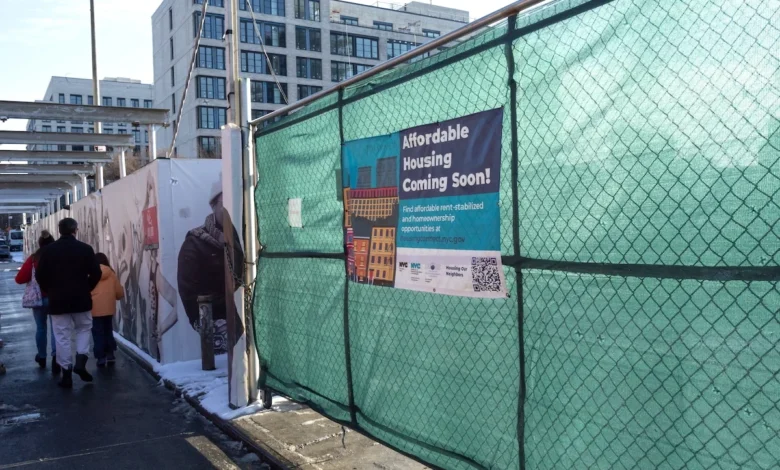
New York has officially become the first state in the United States to implement a comprehensive ban on fossil fuel equipment in most new construction, a move that marks a definitive shift in the nation’s approach to building decarbonization and climate policy. The finalization of the mandate, which occurred with the formal approval of the State Fire Prevention and Building Code Council in late July 2025, solidifies a legislative journey that began with the passage of the All-Electric Buildings Act in 2023. By transitioning away from natural gas and other combustible fuels for heating, cooling, and cooking, New York is positioning itself at the forefront of the global effort to mitigate the impacts of climate change by addressing the carbon footprint of the built environment.
The new regulations represent a cornerstone of New York’s broader climate strategy, specifically targeting the building sector, which remains the single largest source of greenhouse gas emissions in the state. According to data from the New York State Department of Environmental Conservation, buildings are responsible for approximately 31% of the state’s total emissions. The mandate aims to replace traditional gas-fired furnaces, boilers, and stoves with high-efficiency electric heat pumps and induction cooktops, effectively decoupling the state’s housing and commercial stock from the fossil fuel infrastructure.
Implementation Timeline and Regulatory Scope
The rollout of the All-Electric Buildings Act follows a tiered timeline designed to allow the construction industry and the power grid to adjust to the new requirements. The first phase of the mandate will take effect on December 31, 2025. Starting on this date, all new residential buildings up to seven stories tall—excluding those with specific industrial or commercial use cases—must be constructed as fully electric facilities. This phase also applies to commercial and industrial buildings that are smaller than 100,000 square feet.
The second phase of the implementation is scheduled for 2029. At that point, the mandate will expand to include all new commercial and industrial buildings exceeding 100,000 square feet. By staggering the requirements, state officials intend to provide developers of larger, more complex structures additional time to integrate advanced electric HVAC systems and ensure that the electrical infrastructure can support the increased load of high-occupancy skyscrapers and industrial plants.
The mandate specifically targets "initial construction," meaning it applies to building permit applications submitted on or after the respective deadlines. It does not currently apply to existing buildings or renovations of older structures, though separate legislative efforts like the proposed NY HEAT Act continue to explore ways to transition existing infrastructure toward cleaner energy sources.
Economic Implications for Homeowners and Developers
While the fossil fuel industry has frequently raised concerns regarding the cost of electrification, recent economic analyses suggest that the transition could provide significant long-term financial benefits for both residents and developers. Data compiled by the New Buildings Institute and cited by state officials indicates that building all-electric single-family homes can lead to immediate construction savings. In many cases, developers can save between $7,500 and $8,200 per unit by eliminating the need for gas piping, meters, and venting systems required for fossil fuel appliances.
For the end-user, the savings extend into the operational life of the building. Projections suggest that the transition to electric heat pumps and high-efficiency appliances could reduce energy usage in New York homes by approximately 17%. Over a 30-year period, this efficiency is expected to save the average household nearly $5,000 in utility costs. Furthermore, as the price of natural gas remains subject to global market volatility, electric heating offers a more stable cost structure, particularly as New York continues to bring more renewable energy sources—such as offshore wind and solar—onto the state grid.
Navigating Legal Challenges and the Berkeley Precedent
The path to finalizing the All-Electric Buildings Act was fraught with legal hurdles. In 2023, the U.S. Court of Appeals for the Ninth Circuit overturned a similar gas ban in Berkeley, California, ruling that the city’s ordinance was preempted by the federal Energy Policy and Conservation Act (EPCA), which gives the federal government the authority to set efficiency standards for appliances. This ruling sent shockwaves through the environmental community and led to several challenges against New York’s law.
However, New York’s legal strategy differed from Berkeley’s. Rather than banning gas infrastructure outright, New York integrated the requirements into its statewide building and fire codes, an approach that proponents argue falls within the state’s traditional police powers to regulate safety and health. In July 2025, the U.S. District Court for the Northern District of New York sided with the state, ruling that the All-Electric Buildings Act could move forward. The court’s decision was viewed as a major victory for climate advocates, signaling that states have the legal standing to mandate electrification through building codes.

Despite this victory, the legal battle is not entirely over. Industry groups representing gas utilities and certain construction trade unions have petitioned the U.S. Department of Justice and higher courts to intervene, arguing that the state is overstepping its authority. For now, however, the mandate remains the law of the land in New York, providing a blueprint for other states looking to circumvent the legal pitfalls encountered by earlier municipal-level bans.
Necessary Exemptions and Technical Nuance
Recognizing that certain sectors have unique energy requirements that cannot yet be met by existing electric technology, the New York State Assembly and the Code Council included several critical exemptions in the final rule. These exemptions ensure that essential services and specialized industries are not compromised by the transition.
Key exemptions include:
- Medical Facilities and Hospitals: Due to the critical nature of life-saving equipment and the need for redundant, high-capacity backup power systems, hospitals are currently exempt from the all-electric requirement.
- Laboratories: Research facilities that require specific chemical processing or high-heat applications that are not yet viable via electricity may continue to use gas.
- Commercial Kitchens and Restaurants: While induction cooking is gaining popularity, the state has allowed for exemptions for certain professional cooking applications, recognizing the cultural and economic importance of the restaurant industry.
- Crematoriums and Agricultural Buildings: These facilities often require intense, direct-flame heat that current electric alternatives struggle to replicate at scale.
- Emergency Backup Power: The mandate does not prohibit the use of fossil fuel generators for emergency backup power in critical infrastructure.
Perspectives from Stakeholders and Advocates
The finalization of the code has drawn sharp reactions from across the political and social spectrum. Environmental justice organizations have hailed the move as a landmark achievement for public health, noting that gas stoves and boilers contribute to indoor air pollution and higher rates of respiratory illnesses like asthma, particularly in low-income urban neighborhoods.
Dawn Wells-Clyburn, executive director of PUSH Buffalo, emphasized the social impact of the ruling. "The fossil fuel industry was sent a powerful message by the court in this case—the health, well-being, affordability, and prosperity of our communities matters more than the industry’s profits and the hollowness of its fear-mongering," Wells-Clyburn stated. "The AEBA remains a powerful victory in the fight for our lives."
Conversely, some industry representatives have expressed concern over the strain the mandate could place on the electrical grid. They argue that as thousands of new buildings come online with high-demand electric heating, the state must accelerate its investment in grid modernization and transmission capacity to prevent outages during peak winter heating periods. Organizations like the Real Estate Board of New York (REBNY) have historically urged the state to ensure that the transition remains "feasible and affordable" for developers who are already grappling with high interest rates and construction costs.
Alex Beauchamp, Northeast region director at Food & Water Watch, viewed the finalization as a testament to grassroots organizing. "When New Yorkers come together, we can win even in the face of opponents with an almost-limitless budget," Beauchamp told Canary Media. "That is how we won this bill. It’s also how we are going to continue the fight to get fossil fuels out of all the existing buildings in the state."
Broader Impact and the Path Ahead
New York’s success in finalizing this mandate is expected to serve as a catalyst for similar legislation in other progressive states. Washington and California have already pursued various forms of electrification through building codes, but New York’s comprehensive statewide approach provides a new level of regulatory clarity.
The move also aligns New York with the goals of the Climate Leadership and Community Protection Act (CLCPA), which mandates that the state reduce greenhouse gas emissions by 85% by 2050. Achieving these targets would be mathematically impossible without a total transformation of how New Yorkers heat their homes and power their businesses.
As the December 31, 2025, deadline approaches, the focus of the state government and the private sector will shift toward implementation. This includes training a new workforce of HVAC technicians skilled in heat pump installation and ensuring that the supply chain for electric appliances can meet the sudden surge in demand. While challenges remain, the finalization of the All-Electric Buildings Act stands as a historic pivot point, signaling the beginning of the end for the fossil fuel era in New York’s urban landscape.