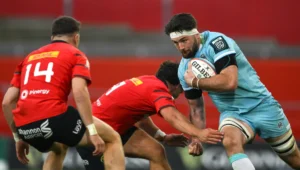
Bristol Bears 2026-27 Season Preview: Can Pat Lam’s Inconsistent Contenders Finally Crack the Gallagher Premiership Play-Offs?

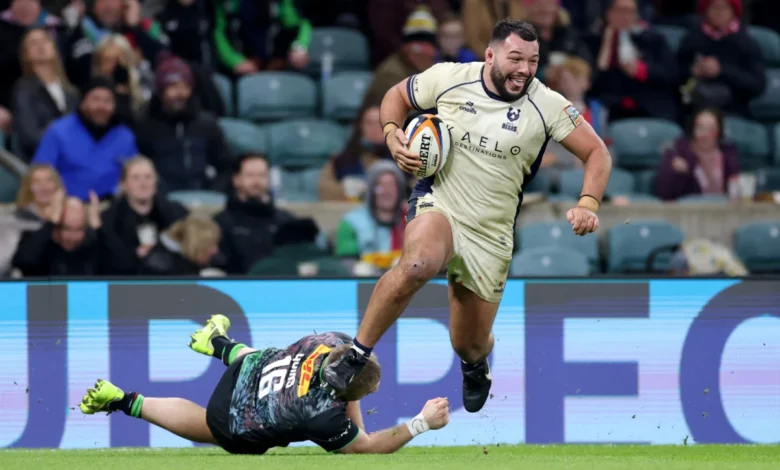
As the dawn of the 2026-27 Gallagher Premiership season approaches, rugby enthusiasts and pundits alike are once again asking the perennial question surrounding the Bristol Bears: which version of the team will materialize on any given weekend? Will it be the razor-sharp, dynamic side capable of dismantling reigning champions and tearing opponents apart from anywhere on the pitch, or the fragile outfit prone to shipping shocking quantities of tries on a disastrous afternoon?
As Pat Lam enters his ninth year at the helm of the West Country club, the mandate is clear. If the Bears are to secure a coveted spot in the play-offs come next June, they must decisively exorcise the ghost of inconsistency that persistently dogged their campaign last term. With the new Gallagher Premiership season officially scheduled to kick off on Friday, September 25, anticipation is reaching fever pitch. Leading up to the opening whistle, sporting publications and analysts are heavily scrutinizing the prospects of every competing club—evaluating all English heavyweights alongside the 16 United Rugby Championship sides to gauge the global landscape of elite club rugby.
A Tale of Two Teams: The Enigma of Bristol’s Campaign
To truly understand the modern Bristol Bears, one only needs to look back at the wildly contrasting fortunes of their previous domestic campaign. Few teams in professional rugby can swing so violently between the sublime and the catastrophic. Last season encapsulated this enigma perfectly, highlighted by a harrowing, club-record 94-33 defeat away against Northampton Saints, immediately followed by a gritty, character-driven 21-19 victory at Ashton Gate against fierce West Country rivals Bath Rugby.
On their day, the Bears are arguably the most aesthetically pleasing and devastating attacking unit in the English game. Backed by the playmaking brilliance of new England centre Benhard Janse van Rensburg and the explosive power of Kalaveti Ravouvou, Bristol spearheaded the league in offload success last term. Their ability to keep the ball alive in contact creates an offensive framework that can paralyze even the most organized defensive structures.
Conversely, when the tide turns against them, their defensive resilience can evaporate with alarming speed, occasionally resulting in capitulations that draw comparisons to an uncoordinated amateur XV. This extreme volatility has historically left very little middle ground for the club, fueling intense external debate regarding the long-term direction of the coaching ticket.
Following the record-breaking drubbing at the hands of Saints, Director of Rugby Pat Lam faced direct, pointed questions from media members regarding his job security and whether he remained the right man to lead the ambitious organization. Responding with characteristic composure and defiance, Lam addressed the media spotlight directly: "Yes. I have been around a long time and my life and identity doesn’t revolve around what people say, so I enjoy my summer every year."
The Injury Crisis and Squad Depth
While tactical inconsistency certainly played a major role in Bristol’s roller-coaster season, mitigating circumstances cannot be entirely ignored. Lam’s squad was severely compromised by a debilitating wave of lengthy injuries that decimated key personnel at the absolute worst possible moments.
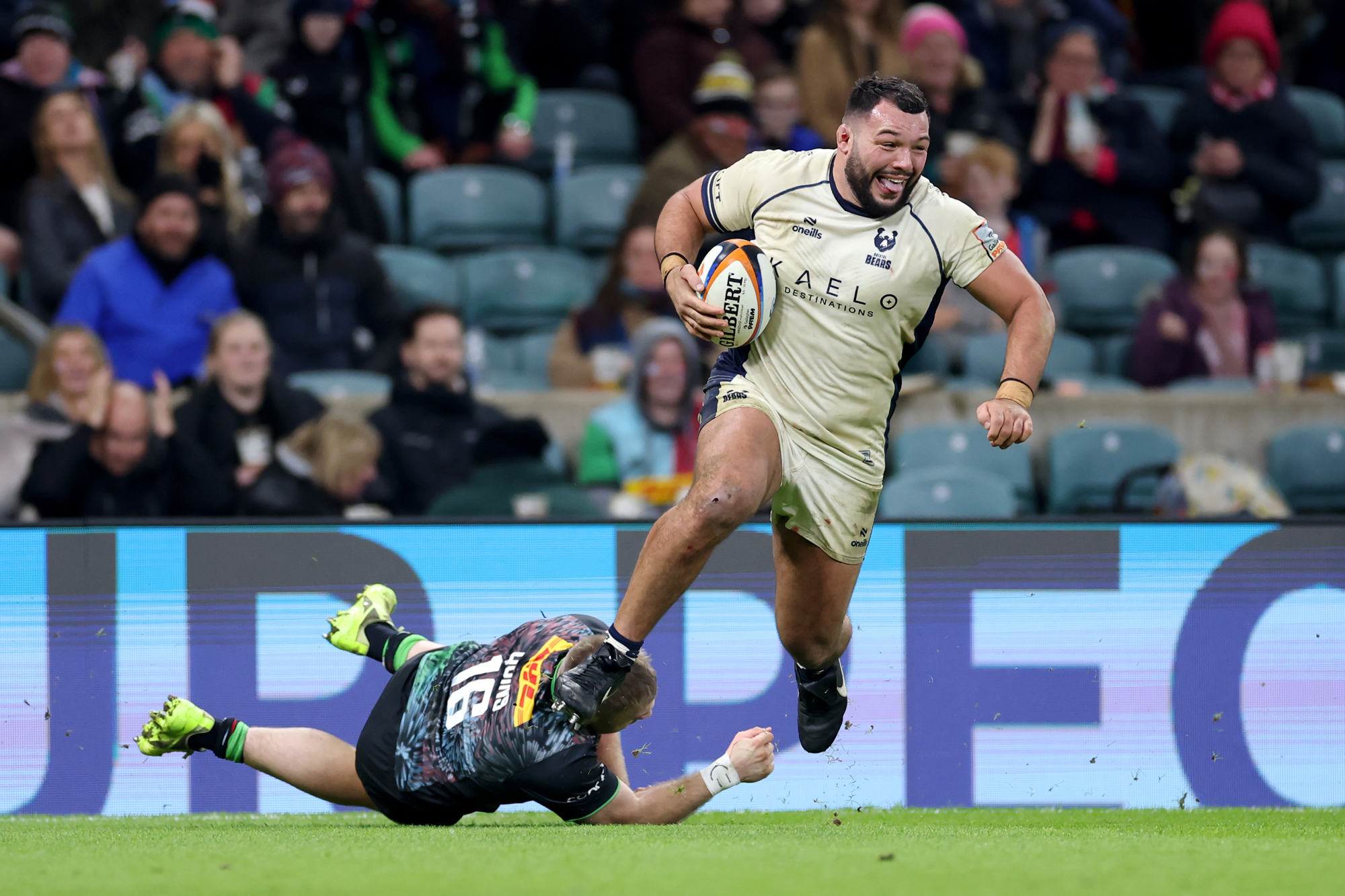
The catastrophic nature of their physical misfortunes was laid bare during the very first fixture of the Premiership campaign against Leicester Tigers, where influential scrum-half Harry Randall, premier fly-half AJ MacGinty, and dynamic winger Gabriel Ibitoye were all struck down with serious injuries simultaneously. Losing the axis of your backline on opening day would derail almost any club in world rugby, forcing Bristol to scramble for depth and readjust their tactical blueprints on the fly.
Nevertheless, as the club prepares for the 2026-27 crusade, lingering questions remain over whether a change in the coaching hierarchy is ultimately necessary to take the final step toward silverware. Despite his long-standing tenure spanning nearly a decade in the West Country, Lam has yet to guide Bristol to a coveted Premiership final.
Club officials and supporters will be hoping that the current roster possesses the requisite balance to finally break that glass ceiling. The squad boasts a formidable blend of experience and youth, featuring 15 capped internationals alongside 13 exciting graduates from their title-winning Under-18s academy setup. This infusion of homegrown talent provides a strong cultural foundation to complement the established stars.
The Pivotal Role of AJ MacGinty
If Bristol are to mount a serious, sustained challenge for the title, much of their success will hinge on the health and availability of veteran fly-half AJ MacGinty. The absence of the USA international was keenly and painfully felt at Ashton Gate throughout the entirety of last season.
Having suffered a devastating ruptured Achilles tendon in the opening-round clash against Leicester, MacGinty was forced to watch from the sidelines, missing all but two matches of the domestic campaign. His prolonged absence proved nearly terminal for the Bears’ play-off aspirations.
In a side that often favors a high-tempo, helter-skelter, and expansive approach to attacking rugby, MacGinty provides an invaluable sense of composure, tactical nous, and metronomic game management. His ability to dictate territory, relieve pressure through intelligent kicking, and steer the ship during high-stakes moments gives Bristol the steady hand they desperately need to balance their naturally chaotic attacking flair.
Emerging Talents and Back-Row Reinforcements
While veteran leadership remains vital, the evolution of Bristol’s squad relies heavily on the integration of rising stars and smart recruitment. Georgia international Luka Ivanishvili quietly acclimatized to the bruising nature of English domestic rugby last season, though he was restricted to just a single start across his seven Premiership appearances. With a full year of experience under his belt, the powerful back-row forward is expected to transition into a much more prominent and consistent physical presence in the pack this coming year.
Furthermore, the club has actively worked to bolster its forward stocks to prevent the fatigue and vulnerability that plagued them during previous injury crises. Khalik Kareem, who enjoyed a remarkable breakout star turn in Champ Rugby, has made the jump to test his mettle at the highest level, alongside fellow recruit Ethan Staddon, who has made the short trip down the A4 to join the Bears from West Country rivals Bath Rugby. These additions provide Pat Lam with vital tactical flexibility and competitive depth across the loose forwards.
Behind the Scenes: The Coaching Ticket
The burden of steering the Bears toward championship contention does not rest solely on Pat Lam’s shoulders. The Director of Rugby is supported by a dedicated and experienced backroom staff tasked with fine-tuning every facet of the team’s performance.
Sean Marsden continues to spearhead the offensive strategy, striving to maintain Bristol’s reputation as one of the most entertaining and lethal attacking sides in the Northern Hemisphere. Jordan Crane oversees defensive structures, a department that will undoubtedly be the primary focus of improvement following last season’s occasional defensive collapses. Meanwhile, Mark Irish commands the forwards, working to ensure the set-piece remains a reliable platform against the traditionally heavy packs found across the Premiership.
Statistical Realities and Tactical Adjustments
A deeper dive into the statistical profile of Bristol’s recent campaigns reveals a fascinating narrative regarding their efficiency. Ironically, the Bears actually secured more Premiership victories (11) during the most recent season compared to the campaign prior (10), yet they accumulated eight fewer bonus points overall.
This statistical anomaly underscores the fine margins that dictate modern professional rugby. Securing four-try offensive bonus points and losing bonus points within seven points can entirely alter a team’s league positioning. If Bristol can learn to close out tight matches and optimize their bonus-point potential while tightening up their defensive leakage on off-days, their mathematical path to the top four becomes significantly clearer.
Season Outlook and Predictions
As the 2026-27 Gallagher Premiership season looms, pundits and bookmakers project Bristol Bears to once again find themselves floating in that precarious territory between third and sixth place. Whether they finally bridge the gap to secure a definitive play-off berth remains a coin toss—a testament to the unpredictable nature of a club capable of both historic masterclasses and baffling defeats.
With an opening fixture date set for Friday, September 25, the time for speculation is rapidly drawing to a close. The squad is locked in, the additions have settled, and the tactical blueprints have been drawn. For Pat Lam and his troops, the 2026-27 season represents another opportunity to prove that the Bristol Bears can transform their explosive potential into consistent, championship-winning reality.