Formula 1 Prepares for the Inaugural Madring Grand Prix as the Championship Battle Intensifies

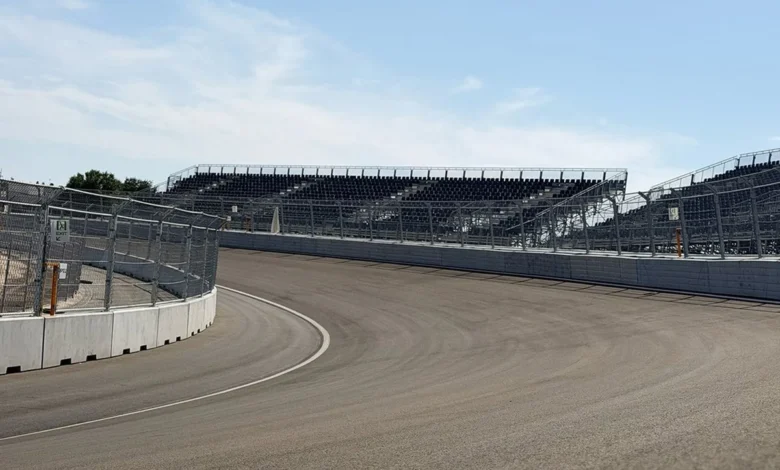
Formula 1 arrives at the outskirts of the Spanish capital this weekend for the inaugural Madring Grand Prix, marking a significant shift in the sport’s European calendar. This high-stakes debut replaces the long-standing Barcelona venue as the primary Spanish round, representing a departure from the traditional permanent circuit format toward a semi-permanent, street-integrated layout that promises both logistical challenges and technical complexity. As the series enters this new chapter, the paddock is rife with uncertainty, ranging from the physical integrity of the new asphalt to the simmering internal tensions within the Ferrari garage.
The introduction of the Madring circuit serves as a watershed moment for the 2026 season. While Barcelona remains a fixture of the sporting landscape under a revised identity, the spotlight has shifted to Madrid, a city that has not hosted a Formula 1 event since the 1981 Spanish Grand Prix at the Jarama circuit. The transition to this new venue follows an aggressive expansion strategy by Liberty Media, focusing on city-centric layouts that prioritize visibility and fan engagement.
The Logistical and Technical Hurdles of a New Venue
The arrival of the Formula 1 circus in Madrid has been met with typical "first-year" complications. Initial reports from the site indicate that team logistics have been severely tested, with personnel struggling to navigate the nascent facility’s infrastructure. These teething problems are not unprecedented in the sport; the inaugural Miami Grand Prix suffered from well-documented catering and paddock access issues, while the logistical bottleneck at historic venues like Monza continues to plague teams annually.
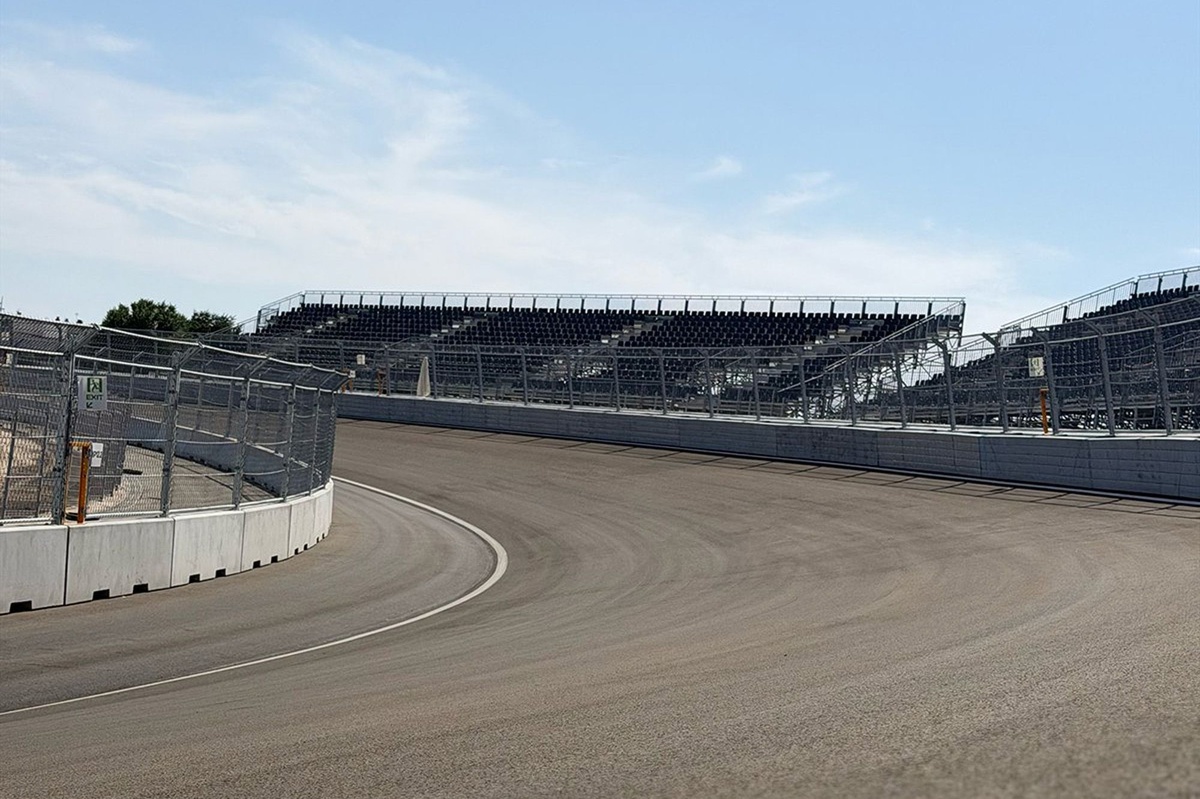
Beyond the paddock layout, the track itself represents a significant engineering unknown. The circuit features a hybrid design, combining public thoroughfares with bespoke, high-speed sections. The primary concern among team principals and Pirelli’s tire engineers is the surface quality. Although the track has undergone pressure-washing to remove residual oils from the freshly laid asphalt, the grip levels remain highly unpredictable. This lack of track evolution data, combined with a recent report of cable theft affecting circuit signage, has created a tense atmosphere during the pre-event setup phase.
The Championship Narrative: Antonelli’s Dominance
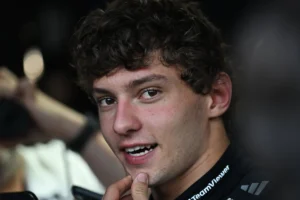
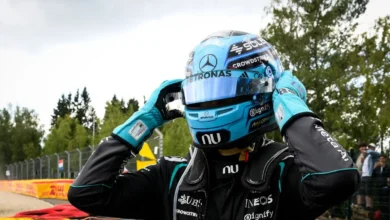
While the venue is new, the narrative at the top of the Drivers’ Championship is reaching a definitive, perhaps even decisive, phase. Mercedes driver Andrea Kimi Antonelli enters the Madring weekend with a commanding 66-point lead over his teammate, George Russell. This gap, widened by a dominant performance at the Italian Grand Prix at Monza, has effectively signaled a shift in the team’s internal hierarchy.

The chronological progression of the 2026 season highlights Antonelli’s rapid ascent. Following a strong start by Russell in Melbourne, a series of strategic errors and misfortune—most notably the ill-timed safety car during the Japanese Grand Prix—allowed the 20-year-old Italian to seize the initiative. The Monza round was particularly telling; despite starting from 19th on the grid due to a penalty, Antonelli’s tactical driving and raw pace allowed him to climb the field and secure a win, leaving Russell to publicly concede that his own title hopes are fading. With 10 rounds remaining, the momentum is firmly behind the rookie, who is now the heavy favorite to claim the world title in his debut full season.
The "One-Off" That Became a Campaign: The Hadjar-Tsunoda Saga
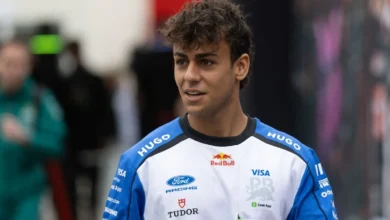
The grid composition for this weekend features a notable continuation of a temporary arrangement. Red Bull Racing’s Isack Hadjar remains sidelined following a severe wrist injury sustained during a gym session over the August summer break. What was initially expected to be a one-race absence for the Zandvoort event has now extended to a three-race hiatus, with Yuki Tsunoda continuing to fill the void.
This development has had a cascading effect on the driver market. Liam Lawson, who has stepped up to the senior Red Bull squad to cover the vacancy, has impressed with consistent point-scoring finishes. Conversely, Tsunoda’s tenure at Racing Bulls, while solid, highlights his precarious position for the 2027 season. With the Japanese driver reportedly in discussions for an IndyCar seat, his performance in Madrid is less about a potential promotion to the top tier and more about securing his professional reputation within the paddock. The stability of the Racing Bulls team, currently leading the midfield, provides a strong platform for both drivers to showcase their value in a high-pressure environment.

Safety and Circuit Design: A Recipe for Red Flags
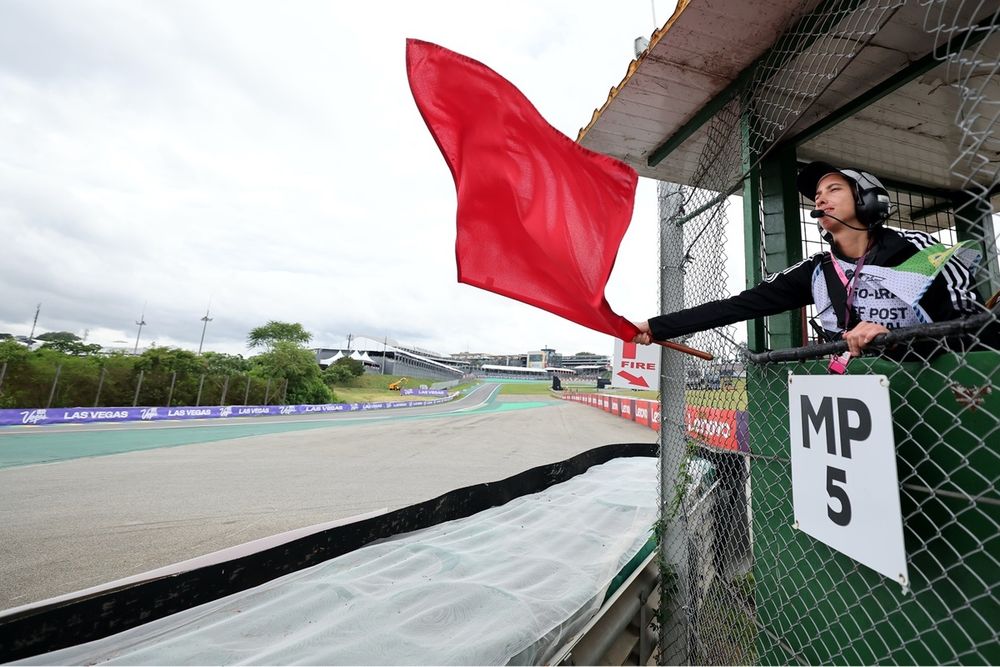
The technical nature of the Madring layout has drawn comparisons to Jeddah and Baku, both of which are notorious for their unforgiving wall placements. During recent Formula 3 testing at the facility, the track witnessed 19 red flags, a statistic that has prompted caution among the Formula 1 driver cohort.
Carlos Sainz, serving as an ambassador for the event, emphasized that the track’s design—specifically the steeply banked La Monumental curve—demands immense precision. The exit walls at Turn 12 are particularly hazardous, as they do not provide the typical run-off areas found on modern purpose-built circuits. This design choice, while intended to increase the spectacle, likely guarantees a high frequency of safety car interventions. Teams have been advised to prepare for a race of attrition, where qualifying laps will be decided by millimeters of clearance from concrete barriers.
Internal Strife at Maranello
The most publicized off-track story heading into the weekend involves the Ferrari driver pairing of Lewis Hamilton and Charles Leclerc. The relationship between the two reached a nadir at the Italian Grand Prix, where a collision at the first chicane forced Hamilton into the gravel.

Hamilton’s post-race comments were uncharacteristically blunt. By stating that "there are no rules" at Maranello, the seven-time world champion suggested that the lack of clear internal protocol is hindering the team’s ability to maximize points. His comparison to the strict team orders often employed during his tenure at Mercedes underscores the cultural friction within the team. For Ferrari, the pressure is mounting to establish a clear hierarchy or a more robust conflict-resolution strategy. With the team having already utilized a filming day at the Madring circuit back in July, they possess a slight data advantage, but that advantage may be rendered moot if the drivers continue to prioritize individual ego over team strategy.
Analytical Implications
The move to Madring is more than a geographic change; it is a stress test for the 2026 technical regulations. The combination of low-grip asphalt, tight street-circuit geometry, and the potential for extreme weather in the region creates a high probability of unpredictable race results.
For the championship, a win for Antonelli in Madrid would likely push him into an unassailable position, effectively ending the competitive tension for the title. For the teams, the event is a test of organizational resilience. Those that can manage the logistical chaos and adapt their car setup to the unique demands of the La Monumental curve will likely secure the best results. As the sport continues to chase the "city-circuit" model, the Madring Grand Prix will be judged not only on the quality of the racing but on whether the infrastructure can sustain the rigorous demands of a modern Formula 1 weekend.
As the teams prepare for the first practice sessions, the atmosphere is a mixture of anticipation and apprehension. With 10 races left in the season, the Madring debut will serve as the crucible for the final push toward the 2026 title, potentially defining the legacies of the current generation of drivers.