Emergency preparedness has transitioned from a niche hobby for extreme survivalists into a mainstream precaution embraced by millions worldwide. In an era marked by an increasing frequency of severe weather events, unpredictable geopolitical shifts, and sudden infrastructure vulnerabilities, maintaining a dedicated emergency kit—commonly known as a bug-out bag (BOB)—is becoming a standard household practice. Federal emergency management agencies and humanitarian organizations consistently advise citizens to maintain a self-sustaining supply of food, water, and medical gear to last a minimum of 72 hours when standard services fail.
The concept of the bug-out bag originates from military aviation, specifically from the "bail-out bag" assigned to air force pilots. These specialized kits contained parachutes, emergency rations, signaling devices, and survival tools required if a pilot was forced to eject behind enemy lines. Over decades, this military philosophy migrated to civilian disaster planning. Modern bug-out bags are meticulously curated backpacks containing everything an individual or family needs to evacuate rapidly or shelter in place during a crisis, ranging from natural disasters like hurricanes, wildfires, and earthquakes to unexpected urban emergencies.
Essential Components of a 72-Hour Survival Kit
When evaluating emergency kits, safety experts emphasize that a reliable bug-out bag must address three foundational survival necessities: water, nutrition, and shelter, as outlined by organizations like the American Red Cross.

Water is universally prioritized as the most critical element. A standard human can survive weeks without food, but dehydration can cause cognitive impairment and fatal organ failure within days. High-grade emergency kits generally include individual water pouches engineered to withstand extreme temperatures, alongside advanced filtration systems such as hollow-fiber straw filters or chemical purification tablets to treat raw water sources encountered during evacuation.
Nutrition is typically addressed through high-calorie, compact emergency food bars designed to resist extreme heat and freezing cold without spoiling. These rations provide the caloric intake required to maintain physical stamina under stressful conditions.
Shelter and thermal regulation form the third pillar. Lightweight, reflective emergency space blankets, compact bivy sacks, and weather-resistant ponchos protect evacuees from hypothermia, wind chill, and driving rain. Beyond these core requirements, comprehensive kits integrate trauma-informed first aid supplies, tactical illumination tools such as hand-crank flashlights or chemical light sticks, multi-tools, personal hygiene items, and durable, weather-resistant backpacks featuring ergonomic support straps.
Market Overview: Top-Rated Bug-Out Bags for 2026
Consumer demand has driven manufacturers to engineer sophisticated, pre-packaged survival systems tailored to various household sizes and budget parameters. Industry reviews and expert testing highlight several standout models currently available on the market.

The Quad 72-Hour Survival Bug Out Bag: Most Comprehensive
For households seeking an exhaustive, all-in-one solution, The Quad 72-Hour Survival Bug Out Bag stands out as a premier offering. Retailing at approximately $772, this heavy-duty system is explicitly designed to sustain a family of four for three days. It surpasses standard single-person kits by incorporating a high volume of packaged meals, multiple water purification mechanisms—including a water bottle, filter straw, and purification powder—and extensive thermal gear consisting of two reflective sleeping bags, a roll-up tent, and chemical hand warmers. The medical component features a robust assortment of bandages, gauze wraps, and antiseptic wipes alongside a complete personal hygiene kit containing sanitation essentials. Built around a rugged, multi-compartment backpack with reinforced shoulder and chest straps, the bag distributes heavy loads efficiently while leaving adequate internal space for personal identification, financial documents, and electronic devices.
Uncharted Supply Co. The Seventy2 Survival System: Editor’s Choice
Engineered specifically for worst-case scenarios involving natural disasters such as earthquakes, floods, and wildfires, Uncharted Supply Co.’s Seventy2 Pro System is widely regarded as a gold standard in preparedness gear. Priced around $375, this system is configured for two people and distinguishes itself through military-grade construction. The exterior backpack is fabricated from waterproof 600D dual-coated tarpaulin, ensuring the contents remain dry and secure in extreme environments. Inside, users find traditional survival mainstays—such as food bars, water filters, and thermal blankets—alongside specialized technical gear. These include a folding shovel and pickaxe, RZ M2 air filtration masks, weatherproof work gloves, chem lights, and a multi-functional hand-crank device that operates as a flashlight, radio, and emergency device charger. Its combination of rugged durability and practical organization makes it a favored choice for safety-conscious consumers.
Ready America 72-Hour Emergency Kit: Best Portable Kit
For budget-conscious consumers or those looking to distribute emergency supplies across multiple locations, the Ready America 72-Hour Emergency Kit offers an accessible entry point at roughly $38. Assembled in the United States by a manufacturer with over two decades of emergency preparedness experience, this kit provides sustenance and safety gear for two individuals over a 72-hour window. It features two 2,400-calorie food bars and twelve individual drinking water pouches, all tested to withstand extreme temperature fluctuations. The contents are housed in a lightweight, high-visibility red nylon backpack designed for rapid retrieval and enhanced visibility during rescue operations. In addition to a 33-piece first-aid kit, the bag includes emergency ponchos, thermal blankets, face masks, and long-duration glow sticks. Experts frequently recommend purchasing multiple units of this model to position strategically in personal vehicles, home closets, and corporate offices.
Yiderbo First Aid Kit: Best Supplementary Medical Kit
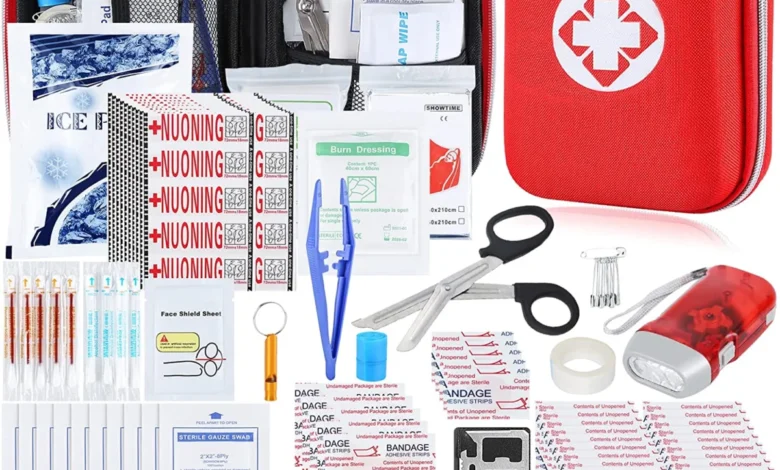
While comprehensive bug-out bags include basic medical supplies, emergency specialists frequently recommend supplementing pre-packaged kits with dedicated trauma and first-aid inventories. The Yiderbo First-Aid Kit is a top-selling modular option that packs 274 medical items into a portable, water-resistant case weighing just 1.7 pounds. Containing an extensive range of bandages, sterile pads, medical shears, cold packs, and antiseptic wipes, this supplementary kit provides an added layer of medical security for individuals who wish to customize their existing emergency gear.

Chronology of Modern Emergency Preparedness
The evolution of consumer emergency preparedness has accelerated dramatically over the past two decades, driven by compounding global disruptions.
In the wake of major natural disasters such as Hurricane Katrina in 2005 and the 2011 Tōhoku earthquake and tsunami in Japan, public awareness regarding the vulnerability of municipal supply chains surged. Emergency management agencies observed significant spikes in the purchase of 72-hour kits following these catastrophic events, as television broadcasts underscored the reality that emergency responders may take days to reach isolated populations.
During the COVID-19 pandemic of 2020–2022, consumer priorities shifted further toward health-security integration, prompting manufacturers to incorporate personal protective equipment, sanitization goods, and multi-day viral mitigation tools into standard emergency kits. Concurrently, the growing frequency of extreme weather events linked to global climate change—characterized by prolonged wildfire seasons in western North America and unprecedented winter storms collapsing regional power grids—has maintained steady demand for durable, self-contained survival equipment throughout the mid-2020s.
Broader Implications and Best Practices for Disaster Readiness
The normalization of bug-out bags reflects a broader cultural shift toward proactive risk management at the individual level. Public health officials and emergency response coordinators emphasize that while commercial kits provide an essential foundation, effective preparedness extends beyond purchasing equipment.

Emergency planners recommend a multi-step strategy for households investing in bug-out bags:
- Strategic Placement: Store bags in designated, easily accessible locations—such as near primary exit doors, in vehicle trunks, or beneath basement stairs—to ensure rapid retrieval during an evacuation order.
- Regular Maintenance: Inspect kits semi-annually to check expiration dates on food rations, water packets, and medications, and to replace depleted or damaged gear.
- Personalization: Tailor pre-packaged kits by adding specific prescription medications, spare eyeglasses, copies of vital legal and financial documents, pet supplies, and specialized infant care items.
- Communication and Planning: Combine physical gear with a clear household communication plan, identifying designated meeting places and out-of-area emergency contacts in the event of local cellular network failures.
As municipal infrastructures face increasing pressures from environmental and geopolitical uncertainties, maintaining a well-stocked bug-out bag remains one of the most effective, practical measures a household can take to secure personal safety and peace of mind during unforeseen crises.
Related posts: