Navigating the Aisle: NRDC Releases 2026 Scorecard to Help Consumers Cut Through Greenwashing and Find Sustainable Bathroom Paper Products

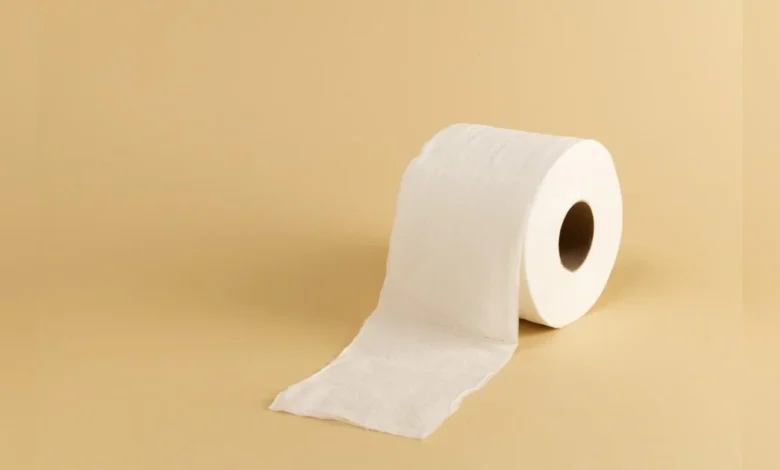
Every week, millions of households across the United States restock essential household paper goods, casting routine consumer votes with every package of toilet paper, paper towels, and facial tissues they place into shopping carts. Because these sanitary products are staples of daily life, they represent one of the most accessible avenues for individuals seeking to reduce their environmental footprint. Yet, identifying genuinely sustainable options among rows of nearly identical packaging has historically challenged even the most dedicated shoppers.
To bridge this information gap, the Natural Resources Defense Council (NRDC) published the eighth edition of its landmark report, The Issue with Tissue, on September 15, 2026. This comprehensive annual scorecard evaluates and grades 149 distinct bathroom and kitchen paper products sold throughout the United States. By analyzing supply chains, manufacturing processes, and raw material sourcing, the NRDC aims to demystify product labeling, combat corporate greenwashing, and guide consumers toward options that safeguard ancient forests and mitigate climate change.
Background Context and the Evolution of the Scorecard
The genesis of the NRDC’s tissue scorecard traces back to 2019, a period when environmental advocacy groups increasingly turned their attention away from localized conservation and toward systemic industrial supply chains. For decades, the northern boreal forest—often referred to as North America’s bird nursery and one of the planet’s most critical terrestrial carbon sinks—has faced intensive logging to feed the multi-billion-dollar tissue industry. Major manufacturers have routinely cut down old-growth trees to produce single-use, flushable, and wipeable paper products, transforming irreplaceable ancient ecosystems into pulp.
When the NRDC launched its inaugural scorecard in 2019, the market lacked transparency. Many legacy brands utilized reassuring imagery of trees, greenery, and nature scenes while relying entirely on virgin forest fiber sourced from clear-cut regions. Over the past seven years, the scorecard has evolved into an industry benchmark. Manufacturers now monitor their standing in the annual report closely, as consumer awareness has translated into shifting market share. The release of the eighth edition in late 2026 reflects a maturing market where alternative fibers like bamboo and recycled content have carved out significant retail space, though traditional forest-destroying brands still dominate total sales volume.
Methodology: How the NRDC Grades Paper Products
The NRDC evaluation framework operates on a rigorous scoring system, awarding each assessed product a total out of 600 points. The grading metric heavily penalizes the use of virgin forest fiber, particularly from sensitive or carbon-dense ecosystems like the Canadian boreal forest, while rewarding products manufactured from recycled paper and certified sustainable alternatives.
The foundation of a product’s grade rests on its material composition. Products utilizing 100 percent post-consumer recycled (PCR) content or certified agricultural residues receive the highest initial baseline scores. Conversely, brands relying on virgin northern forest fiber face steep deductions.
Beyond raw materials, the bleaching and whitening process plays a critical role in the final score. Since 1998, the United States paper industry has largely transitioned to Elemental Chlorine Free (ECF) bleaching processes. However, ECF still utilizes chlorine derivatives that can generate harmful byproducts in wastewater. Recycled paper manufacturers frequently employ Totally Chlorine Free (Chloride-Free or TCF) methods. Products that forego the whitening process entirely—leaving the paper in its natural brown state—earn significant bonus points, as they eliminate chemical treatments and energy-intensive processing steps.
A critical addition to the 2026 methodology involves expanded supply chain screening for human rights risks and Indigenous sovereignty violations. For the first time, the NRDC evaluated whether pulp sourcing infringed upon the rights of Indigenous communities. Several store brands distributed by major national retailers received red flags and lowered scores due to supply chain links to industrial activities impacting the Grassy Narrows First Nation and other Indigenous territories facing ecological degradation from commercial forestry and resource extraction.
The Ceiling for Bamboo and Alternative Fibers
In recent years, bamboo has surged in popularity as a supposedly eco-friendly alternative to traditional wood pulp. Proponents highlight bamboo’s rapid growth rate, minimal water requirements, and ability to regenerate without replanting. However, the 2026 NRDC scorecard establishes clear parameters regarding bamboo’s environmental ceiling within industrial manufacturing.
Under the NRDC’s formula, the highest possible grade a bamboo product can achieve is 500 points, translating to a B+. Securing this rating requires the product to be manufactured from 100 percent bamboo, hold Forest Stewardship Council (FSC) 100% certification, and remain completely unwhitened. Only products utilizing high percentages of post-consumer recycled paper are capable of surpassing this threshold to achieve top-tier "A" grades, primarily because even sustainably managed bamboo must be transported vast distances from its primary growing regions in Asia, generating a notable carbon footprint during shipping.
Industry response to this ceiling has been varied. Brands like Betterway have actively aligned their product lines with the NRDC’s findings. Betterway’s Natural Brown toilet paper and paper towels each earned a B+ (500 out of 600 points) by utilizing FSC-certified bamboo without chemical whitening agents. In contrast, the company’s white bamboo variants—which undergo ECF whitening processes—scored a B (400 points). This 100-point differential illustrates the precise environmental cost of aesthetic preferences like bleached white paper.

Comparative Cost Analysis: Sustainability vs. Household Budgets
A persistent consumer myth suggests that adopting sustainable lifestyle habits inherently carries a prohibitive financial penalty. To test this assumption, the 2026 NRDC report incorporated a thorough price analysis across 63 distinct toilet paper brands evaluated in the study, dividing them into three categories: 37 forest fiber brands, 14 recycled content brands, and 12 bamboo brands.
The financial data yielded surprising insights for budget-conscious shoppers. Recycled toilet paper averaged $0.37 per 100 sheets, positioning it very close to traditional virgin forest fiber brands, which averaged $0.33 per 100 sheets. Over the course of a full year, this minor per-sheet variance amounts to an estimated difference of only about $5 per person, proving that choosing recycled paper does not strain household finances.
Bamboo products, however, carried a significantly higher price tag, averaging $0.58 per 100 sheets. For an individual consumer, switching exclusively to bamboo toilet paper can cost roughly $34 more per year compared to traditional forest fiber options. Furthermore, the single most affordable brand identified across the entire NRDC evaluation was manufactured entirely from recycled content, debunking the notion that eco-friendly choices require a premium investment.
Official Responses and Industry Implications
The publication of the 2026 scorecard has prompted immediate reactions from environmental advocates, retail executives, and manufacturing conglomerates. Forest conservation groups have seized upon the report’s human rights disclosures to pressure national supermarket chains into auditing their private-label supply chains.
"Consumers have a right to know that the toilet paper in their guest bathroom isn’t coming at the direct expense of ancient boreal forests or the sovereign rights of Indigenous peoples," said a senior conservation analyst following the report’s release. "The 2026 scorecard proves that transparency is no longer optional for retailers who wish to retain ethically minded customers."
Major retail distributors named in the supply chain risk assessments have expressed varying degrees of compliance. While some regional grocery chains immediately announced commitments to phase out pulp suppliers linked to disputed forestry zones in Ontario and British Columbia, larger national big-box retailers have defended their sourcing practices, citing industry-standard certifications. Nevertheless, market analysts note that public scorecards exert immense pressure on corporate procurement teams, often accelerating shifts toward certified recycled content long before regulatory mandates take effect.
Broader Environmental Impact of Household Paper Consumption
The cumulative impact of the consumer paper market extends far beyond individual grocery bills. According to environmental data cited in the NRDC report, North Americans consume sanitary paper products at rates vastly exceeding the global average. If every household in the United States replaced just one roll of virgin-forest toilet paper with a 100 percent recycled alternative, the collective savings would preserve hundreds of thousands of mature trees annually, spare millions of gallons of water, and substantially reduce industrial greenhouse gas emissions.
The boreal forest alone stores vast quantities of carbon in its living biomass and underlying peatlands. When industrial loggers clear-cut these forests for wood chips destined for tissue mills, centuries of sequestered carbon are released back into the atmosphere, accelerating global climate change. Because toilet paper and paper towels are inherently single-use items designed to be discarded immediately after utilization, utilizing old-growth trees for their manufacture represents an exceptionally inefficient allocation of natural resources.
Actionable Guidance for Consumers in the Aisle
Navigating the paper aisle does require a shift in consumer habits, but the NRDC report emphasizes that perfection is not a prerequisite for progress. Shoppers do not need to overhaul their entire domestic routines overnight; rather, substituting a single weekly purchase can create a meaningful cumulative effect over time.
When examining product labels during the next shopping trip, consumers should prioritize specific markers of sustainability:
- Look for High Recycled Content: Prioritize products displaying labels that explicitly state "100% Post-Consumer Recycled Content" (PCR). These items require no newly felled trees and consume significantly less energy and water to produce.
- Verify Independent Certifications: Seek out the Forest Stewardship Council (FSC) label, which ensures that any virgin fiber or bamboo used originates from responsibly managed forests where biodiversity and local ecosystems are protected.
- Scrutinize Bleaching Claims: Consider opting for unwhitened or processed-without-chlorine (TCF) alternatives to minimize chemical pollution in municipal wastewater systems.
- Consult the Scorecard: Review the free digital database provided on the NRDC website to check specific brand ratings before committing to a bulk purchase.
By utilizing the 2026 Issue with Tissue scorecard as a practical navigational tool, everyday shoppers can align their purchasing decisions with ecological preservation, steering corporate supply chains toward a more sustainable and equitable future.