WHO Unveils SCORE for Health Data Technical Package to Revolutionize Global Pandemic Response and Health Information Systems

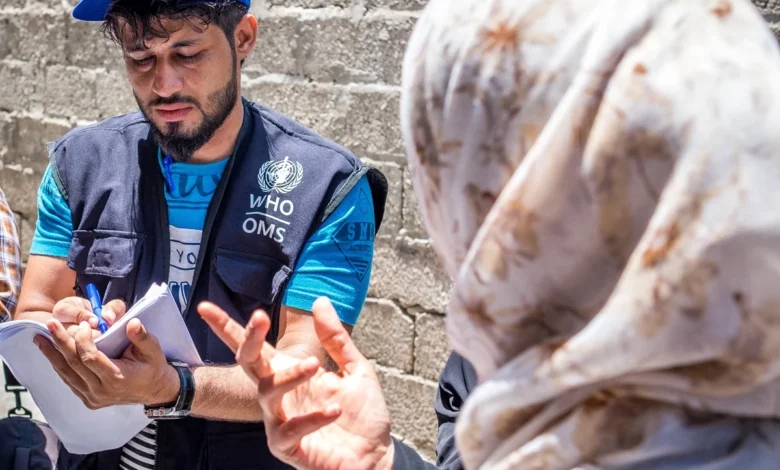
In an unprecedented global effort to address critical vulnerabilities exposed by the ongoing COVID-19 pandemic, the World Health Organization (WHO), in collaboration with Bloomberg Philanthropies, has officially launched the SCORE for Health Data Technical Package. This comprehensive framework is designed to fundamentally transform how nations gather, analyze, and utilize health data. As health ministries worldwide struggle to manage complex public health emergencies, the introduction of SCORE arrives as a critical intervention. The package consolidates more than 90 universally accepted tools and standards into a single, harmonized resource, aimed at helping governments establish robust benchmarks, close persistent data gaps, and optimize the performance of national health information systems.
The Genesis of the Crisis: Why Reliable Health Data Matters Now More Than Ever
The catalyst for the creation of the SCORE Technical Package can be traced directly to the systemic failures laid bare by the SARS-CoV-2 outbreak. When the novel coronavirus swept across the globe in early 2020, public health authorities rapidly discovered that many nations lacked the foundational infrastructure required to routinely collect, disaggregate, and interpret vital health statistics. Without accurate, real-time data, governments found themselves flying blind, unable to accurately project infection rates, allocate scarce medical supplies, or target vulnerable populations with precision.
According to findings in the WHO World Health Statistics 2020 report, a staggering number of low- and middle-income countries continue to operate without functional civil registration and vital statistics (CRVS) systems. Millions of deaths and births go unrecorded annually, leaving health planners unable to calculate baseline mortality rates or measure the true impact of disease outbreaks. The COVID-19 pandemic did not create these data deficiencies; rather, it acted as a magnifying glass, exposing decades of underinvestment in public health statistical infrastructure. In response, international health experts recognized that building resilient post-pandemic societies would be impossible without a standardized, globally supported mechanism to upgrade national data architectures.
Decoding the Acronym: What is the SCORE Technical Package?
At its core, the SCORE acronym stands for the five essential pillars required to build a functioning health information ecosystem: Survey, Count, Optimize, Review, and Enable. Each component addresses a specific vulnerability within traditional health data pipelines.
The "Survey" pillar focuses on population-based health surveys that capture risk factors, health behaviors, and the prevalence of non-communicable diseases. The "Count" pillar emphasizes the critical need for robust administrative data systems, specifically universal civil registration and vital statistics that accurately track births, causes of death, and institutional health facility utilization. The "Optimize" pillar ensures that health data is monitored regularly for quality, consistency, and reliability. The "Review" pillar empowers policy-makers and public health professionals to analyze data rigorously to evaluate program performance and guide strategic planning. Finally, the "Enable" pillar centers on establishing the necessary legislative frameworks, financial investments, institutional capacities, and digital infrastructure required to sustain these statistical systems over the long term.
By packaging these elements into a unified, practical, and flexible framework, WHO aims to eliminate the fragmentation that has historically plagued international health development projects. Instead of forcing governments to navigate dozens of disconnected guidelines from various international bodies, SCORE provides a centralized roadmap.
Leadership Perspectives and Strategic Partnerships
The rollout of the technical package has garnered strong backing from global health leaders and philanthropic organizations. The partnership between WHO and the Bloomberg Philanthropies Data for Health Initiative was instrumental in bringing the project to fruition, providing both financial backing and technical expertise.
"Countries must be able to measure progress to make progress," stated WHO Director-General Dr. Tedros Adhanom Ghebreyesus during the virtual launch event. "Particularly during COVID-19, reliable data is the best way to coordinate response efforts and improve health in all areas."
Dr. Kelly Henning, Director of Public Health Programs at Bloomberg Philanthropies, echoed these sentiments, emphasizing the practical utility of the framework for domestic governments. "Using data to inform public health priorities and strategies has never been more important," Dr. Henning noted. "The SCORE Technical Package provides country governments around the world with high-quality, essential technical guidance so that countries can strengthen their own data systems."
Meanwhile, Dr. Samira Asma, Assistant Director-General for Data, Analytics and Delivery for Impact at WHO, framed the initiative as a race against time, tying the success of the package directly to global development milestones. "We must keep score to save lives," Dr. Asma asserted. "WHO is committed to working with countries and partners to rapidly scale up capacity for data collection and use in order to improve policy and performance. We must act now to invest in statistical systems in countries, respond to this pandemic and meet the SDGs and the Triple Billion targets. Our window of opportunity is closing, and we cannot wait to address data gaps. Data use to address country needs has to be a priority today."
Chronology of Implementation and Future Deliverables
The release of the SCORE Technical Package represents the first phase of a multi-step rollout strategy scheduled throughout the year. The initial deployment introduces foundational documentation and core standards that national health ministries can immediately begin integrating into their strategic planning cycles.
Later in the year, WHO plans to release complementary components, most notably the SCORE Assessment Instrument. This diagnostic tool will enable countries to conduct self-assessments to identify their specific strengths and weaknesses across the five SCORE domains. Additionally, global, regional, and country-specific status reports will be published, offering a transparent benchmarking mechanism that allows civil society organizations, donors, and governments to track improvements over time.
This structured rollout ensures that nations are not overwhelmed by theoretical guidelines, but are instead provided with actionable tools that transition seamlessly from assessment to implementation and ongoing monitoring.
Implications for Sustainable Development Goals and Future Health Crises
The long-term implications of the SCORE Technical Package extend far beyond the immediate horizon of the COVID-19 pandemic. Accurate health data is the foundational currency required to achieve the United Nations Sustainable Development Goals (SDGs), particularly SDG 3, which aims to ensure healthy lives and promote well-being for all ages. Furthermore, the framework directly supports WHO’s ambitious Triple Billion targets: one billion more people benefiting from universal health coverage, one billion more people better protected from health emergencies, and one billion more people enjoying better health and well-being.
Without disaggregated, country-owned data, marginalized populations remain invisible in national health budgets, leading to chronic inequities in healthcare access and outcomes. By standardizing data collection methodologies, SCORE helps ensure that resources are directed precisely where the need is greatest, maximizing the impact of limited domestic revenues and international aid.
Conclusion: A Call for Global Solidarity and Action
As the world continues to grapple with the multifaceted impacts of COVID-19, the launch of the SCORE for Health Data Technical Package serves as both a pragmatic tool and a philosophical reminder of the power of international cooperation. Building back better requires moving away from reactionary, crisis-driven interventions and investing proactively in the invisible plumbing of public health systems: data, statistics, and analysis.
The success of SCORE will ultimately depend on the political will of national governments to adopt its standards, invest in local technical capacity, and embrace transparency in health reporting. As WHO and its partners have emphasized, we can only successfully combat current and future health emergencies if we work together, anchored by shared standards and driven by reliable, life-saving data.