The Cozey Gaia Sofa Review: Merging Modular Versatility with High-End Comfort in the Direct-to-Consumer Furniture Market

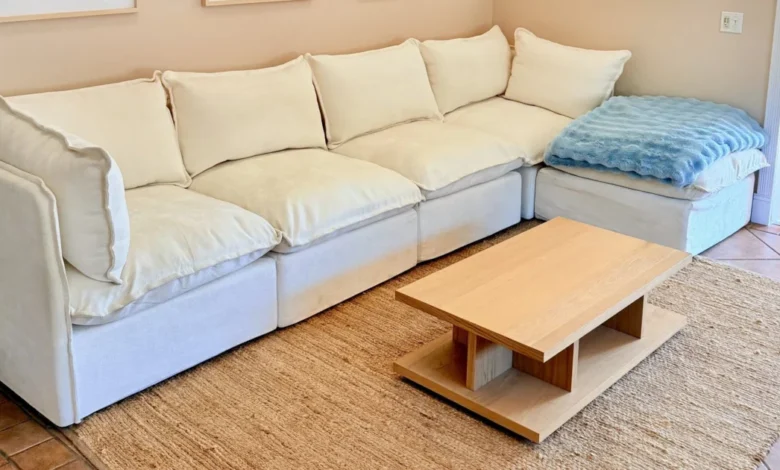
The residential furniture landscape has undergone a significant transformation over the last decade, transitioning from traditional showroom-based retail to a streamlined, direct-to-consumer (DTC) model that prioritizes logistics, ease of assembly, and aesthetic adaptability. At the forefront of this evolution is Cozey, a Canadian furniture innovator that has sought to redefine the "sofa-in-a-box" category. The company’s Gaia collection, priced between $930 and $1,295 depending on configuration, represents a strategic move toward the "premium comfort" segment of the market. This review analyzes the Gaia sofa’s performance, design specifications, and its position within the broader context of modern interior design and consumer behavior.
The Rise of Modular Furniture and the Cozey Brand Evolution
To understand the significance of the Gaia collection, one must first examine the trajectory of its parent company. Founded in 2020 by Frédéric Aubé, Cozey launched with a mission to simplify the often-arduous process of purchasing and assembling a sofa. By utilizing a modular design, the brand addressed the primary pain points of urban dwellers: narrow hallways, small elevators, and the high cost of professional moving services.
While the brand’s initial offerings focused on structural simplicity and mid-century modern aesthetics, the introduction of the Gaia collection signals a pivot toward "cloud-like" comfort. This trend, popularized by high-end brands where sofas can cost upwards of $10,000, has trickled down to the mid-market consumer. The Gaia is engineered to provide a relaxed, lived-in feel that caters to the "nesting" trend—a consumer shift toward creating highly comfortable, multi-functional living spaces that serve as offices, theaters, and dining areas.
Technical Specifications and Design Philosophy
The Cozey Gaia sofa is characterized by its modular architecture, allowing consumers to personalize almost every aspect of the unit. During the procurement process, buyers can select seat sizes, arm layouts, and overall configurations ranging from standard two-seaters to expansive sectionals. This level of customization is a hallmark of the DTC furniture industry, designed to provide a bespoke experience at a mass-market price point.
Material Composition and Comfort Engineering
The primary selling point of the Gaia collection is its plushness. The cushions are generously sized and filled with a high-resilience foam base topped with a softer, down-alternative or fiber-fill layer to create the "cloud" effect. This design choice is intended to balance immediate softness with long-term structural integrity.
:quality(85):upscale()/2026/07/23/967/n/1922794/296638ec6a629200a4d718.67991403_.jpg)
The aesthetic is intentionally understated. Unlike "fast furniture" that relies on fleeting trends, the Gaia utilizes clean lines and a low profile that fits within various interior styles, from Scandinavian minimalism to industrial chic. The fabric options include performance-grade textiles designed to withstand the friction of daily use, making the sofa a viable option for households with pets or children.
The Assembly Innovation: A Tool-Free Methodology
One of the most significant barriers to entry for online furniture shoppers is the complexity of assembly. Industry data suggests that a substantial percentage of furniture returns are linked to consumer frustration during the build process. Cozey has addressed this by implementing a completely tool-free assembly system.
The Gaia sofa arrives in multiple manageable boxes, each designed to be moved by a single individual. The components connect through a series of interlocking brackets and hand-tightened mechanisms. In practical applications, the assembly of a standard Gaia sofa can be completed by two people in under 30 minutes. This ease of setup not only improves the consumer experience but also reduces the carbon footprint associated with large-scale, pre-assembled furniture shipping, as modular boxes can be packed more efficiently into delivery vehicles.
Performance Analysis: Durability and Maintenance
In a journalistic assessment of the Gaia’s utility, two factors emerge as critical: the maintenance of the covers and the longevity of the plush cushions.
Washable Components
The Gaia collection features fully removable and washable covers. This is a strategic inclusion for the modern consumer who prioritizes longevity and hygiene. However, technical analysis reveals a trade-off between aesthetic precision and ease of use. To ensure the sofa does not look "sloppy" or loose, the covers are manufactured with tight tolerances. While this results in a tailored, high-end appearance, it requires a higher degree of physical effort and patience when removing or reapplying the fabric after a wash cycle.
Structural Integrity vs. Softness
The "cloud-like" nature of the Gaia sofa presents a specific ergonomic profile. Testing indicates that while the sofa excels in comfort for lounging and napping, it offers less lumbar support than firmer, traditional sofas. For users with mobility issues or those who prefer a more upright seating position, the deep, soft cushions may require more effort when standing up. This is an essential consideration for multi-generational households.
:upscale()/2026/07/23/968/n/1922794/tmp_suhAr7_53bf2cd8f595b7bd_Untitled_-_July_23_2026_at_18.06.32-1-Thumbnail_1456x1456.png)
Market Context and Economic Implications
The Gaia sofa enters a competitive market currently valued at billions of dollars globally. Brands like Burrow, Joybird, and IKEA have long dominated the space, but Cozey’s focus on the Canadian and North American markets with a specific emphasis on the "comfort-first" modular niche provides a unique competitive edge.
Pricing Strategy
At a price range of $930 to $1,295, the Gaia is positioned as a "bridge" product. It is more expensive than entry-level budget furniture but significantly more affordable than luxury modular systems. This pricing strategy targets the "HENRY" demographic (High Earner, Not Rich Yet)—consumers who are willing to invest in quality and style but remain price-conscious.
Sustainability and the "Forever Couch" Concept
As environmental concerns become a primary driver in consumer choice, the Gaia’s modularity serves a dual purpose. By allowing users to replace individual components—such as a single cushion or a specific cover—rather than discarding the entire unit, the product aligns with a "circular economy" philosophy. This modularity extends the life of the furniture, positioning it as a "forever couch" that can grow and change with the user’s living situation.
Industry Reactions and Consumer Sentiment
Market analysts have noted that Cozey’s success with the Gaia collection reflects a broader trend toward "functional luxury." Industry experts suggest that the ability to ship a high-quality, comfortable sofa in boxes is no longer just a logistical convenience; it is a baseline expectation for the modern urban consumer.
Feedback from the interior design community has been largely positive regarding the Gaia’s versatility. Designers often cite the sofa’s neutral palette and adaptable shape as "safe" but "sophisticated" choices for clients who want a high-end look without the lead times often associated with custom upholstery.
Broader Impact on the Retail Landscape
The success of products like the Gaia sofa is forcing traditional furniture retailers to reconsider their business models. The convenience of a 30-day trial period, free shipping, and tool-free assembly has set a new standard for customer service.
:quality(70):extract_cover():upscale():fill(ffffff)/2026/07/23/967/n/1922794/296638ec6a629200a4d718.67991403_.jpg)
Furthermore, the data-driven approach of DTC brands allows for rapid iteration. If consumers report that a certain fabric is difficult to clean or a bracket is prone to wear, companies like Cozey can adjust their manufacturing processes much faster than traditional retailers with long-lead supply chains. This agility is a significant factor in the Gaia collection’s high rating among early adopters and long-term users alike.
Final Assessment: A Benchmark for the Mid-Range Market
The Cozey Gaia Sofa represents a successful synthesis of logistical efficiency and consumer-focused design. By prioritizing the "lived-in" experience without sacrificing the modular benefits that defined the brand’s early success, Cozey has created a product that resonates with a wide demographic.
While the snug fit of the washable covers and the very soft cushion profile may not suit every preference, the Gaia’s overall value proposition is robust. It offers a solution for the modern inhabitant who views the living room as the primary hub of the home—a space that demands furniture that is as durable as it is comfortable. As the direct-to-consumer furniture market continues to mature, the Gaia collection stands as a benchmark for how brands can balance affordability, style, and the practical realities of 21st-century living.
With a five-star trajectory in consumer satisfaction, the Gaia collection reinforces the notion that the heart of the home is no longer just the kitchen, but the versatile, comfortable, and adaptable space where life actually happens: the couch.