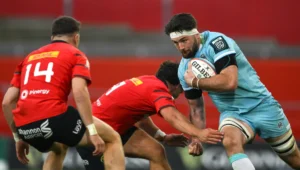
Can the URC’s perennial nearly men overcome the loss of some big names to claim an elusive URC title?

The Vodacom Bulls enter the 2026–27 United Rugby Championship season carrying both the heavy burden of recent history and the promise of a transitional squad evolution. Over the past five seasons, the Pretoria-based powerhouse has established itself as a permanent fixture at the sharp end of the competition, reaching four grand finals. Yet, despite their consistent dominance and regular season brilliance, that elusive maiden URC trophy remains frustratingly out of reach.
As the new campaign looms with a scheduled opening weekend on Friday, 25 September, the Bulls find themselves at a fascinating crossroads. Head coach Johan Ackermann must orchestrate a title challenge without several cornerstone Springbok internationals who departed during a turbulent close season. For a franchise accustomed to setting the benchmark for southern hemisphere club rugby, the upcoming campaign will test whether squad depth and tactical reinvention can compensate for the loss of elite-level experience.
Navigating Turbulence: From Coaching Upheaval to Dublin Heartbreak
The narrative surrounding the Vodacom Bulls over the past twelve months has been defined by resilience in the face of profound disruption. The foundational stability of the franchise was severely shaken ahead of the previous season when long-serving director of rugby and head coach Jake White was dismissed. The abrupt departure forced the hierarchy to fast-track Johan Ackermann into the top job on short notice.
The transition was far from smooth. Thrust into the deep end of elite professional rugby, the Bulls suffered an alarming and unprecedented seven-match losing streak across all competitions. The slump exposed defensive frailties and tactical confusion, prompting the front office to make sweeping changes, including the release of two assistant coaches in a bid to halt the slide.
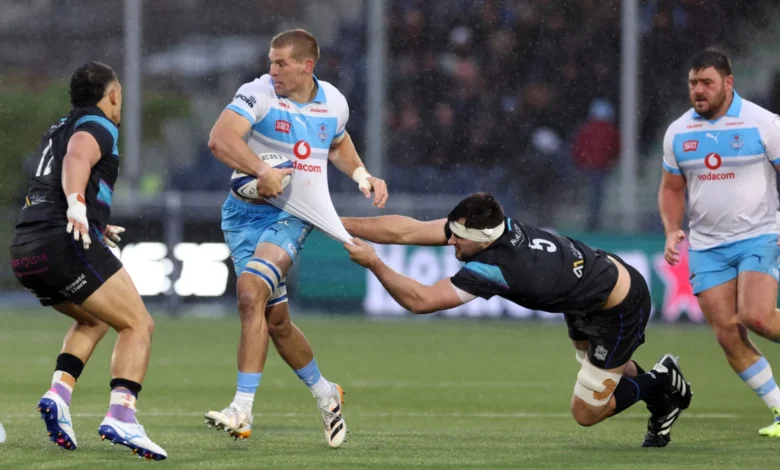
However, the resilience that has historically defined Loftus Versfeld rugby eventually surfaced. Through sheer grit and a late-season tactical recalibration, the Bulls clawed their way back into contention, ultimately securing a spot in the grand final in Dublin. While neutral observers lauded the sheer willpower required to navigate such a chaotic start and reach the championship match, the season finale offered a sobering reality check. A comprehensive 36-7 defeat at the hands of Leinster marked the Bulls’ fourth grand final defeat in five seasons, reinforcing a painful reputation as the competition’s nearly men.
Diehard supporters in Pretoria are unlikely to accept moral victories this term. The demand from the terraces is unequivocal: the team must take the final step and claim the championship. Achieving that goal, however, will require navigating significant roster turnover.
The Departure of Heavyweights and the Injection of New DNA
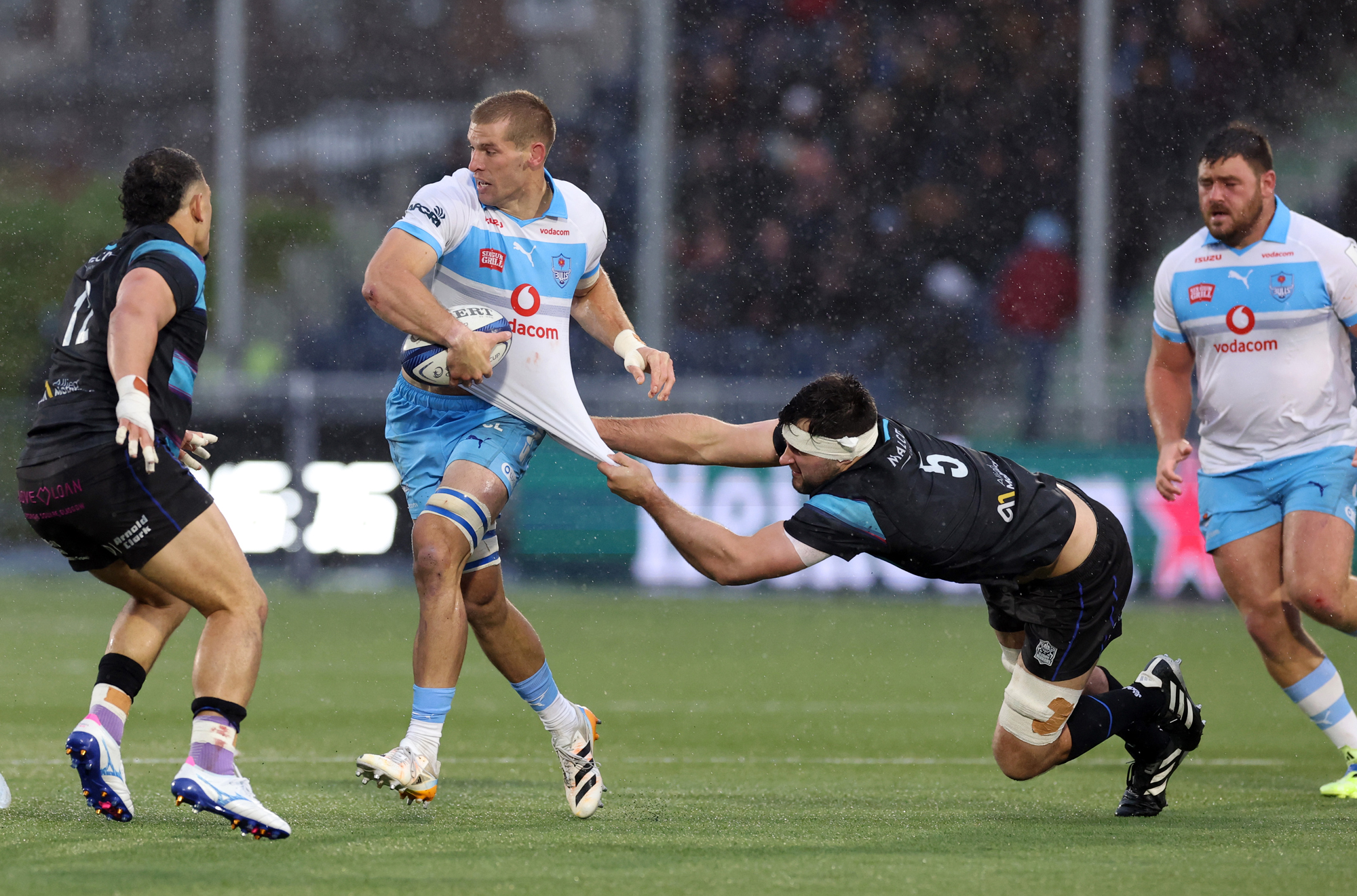
If the 2026–27 season is to be remembered as the breakthrough campaign, the Bulls will have to achieve it without several marquee names who defined their recent identity. The close season departures of Springbok heavyweights Ruan Nortje, Wilco Louw, and Kurt-Lee Arendse have left substantial voids in the starting XV and the leadership group.
Nortje’s authority in the lineout and relentless work rate, Louw’s world-class scrummaging anchor, and Arendse’s explosive, game-breaking brilliance on the wing are assets that cannot be easily replaced. Their exits have inevitably raised questions regarding the squad’s depth and its capacity to mount another grueling, multi-competition title charge.
Yet, within Loftus Versfeld, the narrative is framed around evolution rather than decline. Ackermann has moved swiftly to recruit strategically, welcoming a fresh wave of talent that includes Thaakir Abrahams, Curwin Bosch, Hanro Liebenberg, and Dylan Maart.
"They bring a different DNA," Ackermann remarked regarding his new acquisitions, signaling a tactical pivot for the franchise. "And we can play a little bit differently."
The recruitment of Abrahams, who returns to South Africa after stints abroad and with Munster, adds dynamic pace to the back three. Meanwhile, the addition of experienced heads like Bosch and Liebenberg is designed to inject tactical maturity and composure during high-pressure moments—precisely the areas where the Bulls faltered against Leinster.
Statistical Footprint: High-Octane Attack Meets Defensive Tightening
To understand the Bulls’ potential for the upcoming season, one must examine their remarkable statistical output from the previous campaign. Despite the early-season chaos and coaching upheaval, the Pretoria outfit finished the year as the highest-scoring team in the URC, amassing an impressive 640 points. Their try-scoring record was equally prolific, crossing the whitewash 92 times—just one try shy of champions Leinster.
This data underscores an undeniable truth: when the Bulls’ attack clicks, they are virtually unstoppable. Their ability to generate width, exploit defensive misreads, and convert opportunities from broken play makes them one of the most entertaining and lethal units in world club rugby.
However, the missing piece of the puzzle has rarely been their ability to score tries; rather, it has been game management under extreme pressure and defensive resilience against elite northern hemisphere opposition. Recognizing this, Ackermann has placed a heavy emphasis on conditioning and athletic performance. Rupert Oberholster has been brought in as the new head of athletic performance, leading a backroom staff that includes Jean Tiedt overseeing defense, Kennedy Tsimba managing the backs, and Werner Kruger handling the forwards. The objective is clear: build a squad capable of maintaining high-intensity rugby across a grueling 80 minutes, week in and week out.
Key Players and Ones to Watch
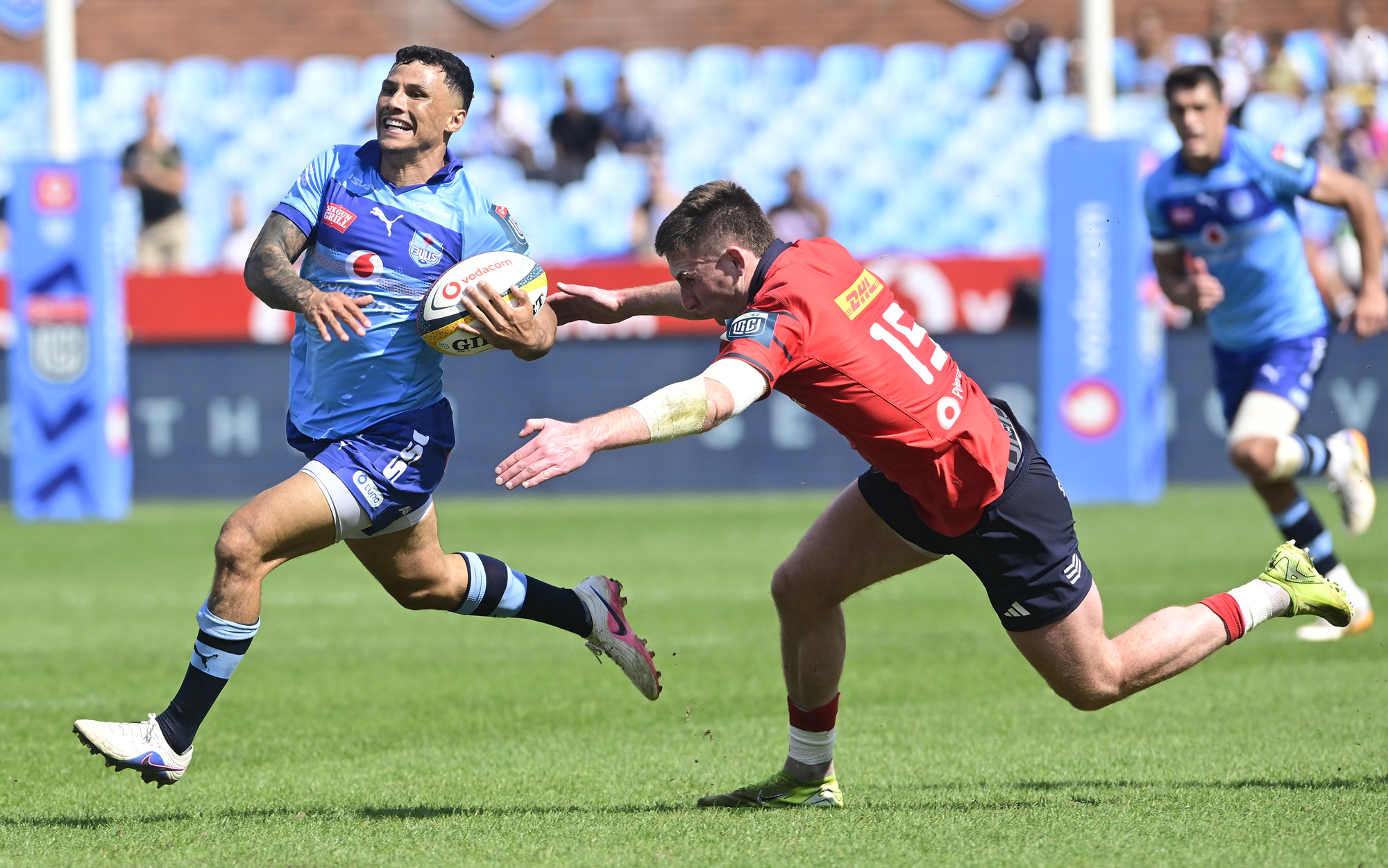
At the heart of the Bulls’ tactical framework is scrum-half Embrose Papier, whose career experienced a massive resurgence last season. Papier finished the URC campaign as the joint-leading try-scorer with 12 tries, utilizing his blistering pace around the fringes to terrorize opposition defenses. His club form caught the attention of Springbok coach Rassie Erasmus, earning Papier a sensational international recall after an eight-year absence, capped by a memorable try against Scotland in Pretoria.
While Papier’s speed remains his primary weapon, his game management will be scrutinized even more closely this season. With senior leaders having departed, the scrum-half will be expected to dictate the tempo of matches and guide the team through high-pressure phases.
In the pack, attention will inevitably center on established Test stars like Elrigh Louw, Marco van Staden, and Cameron Hanekom. However, the unsung hero of the forward pack remains 32-year-old flanker Jeandre Rudolph. Last season, Rudolph proved to be one of the most valuable assets in the squad, securing 21 turnovers—more than any other player in the entire URC. His mastery at the breakdown, combined with the explosive carrying power of his loose-forward colleagues, will form the defensive bedrock upon which the Bulls’ championship aspirations rest.
Broader Implications and Outlook for the 2026–27 Season
As the URC prepares to kick off on Friday, 25 September, the broader implications for South African rugby are significant. The league has firmly established itself as a premier global club competition, and the performance of South franchises directly impacts the nation’s rugby ecosystem. For the Bulls, maintaining a competitive edge despite losing frontline talent to lucrative overseas leagues is an ongoing institutional challenge.
Bookmakers and pundits have currently positioned the Bulls with an early outlook rating of 7-2. While long-suffering fans will accept nothing less than the championship trophy, objective analysts suggest that a top-four finish would represent a successful campaign given the magnitude of the squad turnover.
The integration of new tactical dimensions under Ackermann, coupled with the emergence of fringe players and the continued brilliance of established stars like Papier and Rudolph, ensures that the Bulls will remain major contenders. Whether they can finally exorcise the ghosts of past grand final defeats and lift the trophy will depend on their ability to translate high-octane attacking flair into ruthless, 80-minute composure when it matters most.