By Susan Mayne, Ph.D.
July 24, 2026
My nearly decade-long tenure leading the U.S. Food and Drug Administration’s (FDA) Center for Food Safety and Applied Nutrition (CFSAN) profoundly solidified my conviction: food safety and nutrition are inextricably linked. To truly advance public health and foster a healthier populace, we must champion both pillars simultaneously. The recent surge in cyclosporiasis cases, reaching record numbers over the past few weeks, has brought this critical message into sharp focus, resonating not only with public health officials but also directly with consumers. The FDA is currently immersed in investigating six distinct outbreaks of cyclosporiasis, with investigations ongoing to pinpoint the sources of contamination. Notably, only one of these outbreaks has been definitively linked to shredded iceberg lettuce at this juncture, underscoring the complexity and breadth of potential contamination pathways.
The Vulnerability of Nutrient-Rich Foods
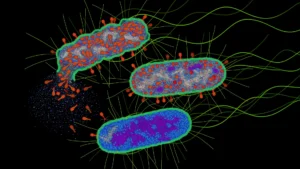
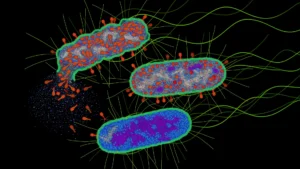
Fresh fruits and vegetables, long championed by nutritionists for their indispensable role in a balanced diet and the prevention of chronic diseases, are particularly susceptible to contamination by pathogens like Cyclospora cayetanensis. This parasitic protozoan, often transmitted through contaminated food or water, causes an illness characterized by gastrointestinal distress, including diarrhea, fatigue, nausea, and abdominal pain. In the wake of the escalating diarrheal disease outbreak attributed to cyclospora, public health advisories have necessarily urged caution regarding the consumption of fresh produce.
The public’s response, amplified by the pervasive reach of social media, has been a stark illustration of the challenges facing public health communication. Comments such as "more pizza!" and "Oreos never gave me explosive diarrhea!" reflect a growing apprehension, a sentiment that has precedent. Even prior to the current cyclospora crisis, during previous outbreaks linked to pathogens like E. coli and romaine lettuce, similar sentiments were prevalent. Many consumers expressed a preference for processed snacks over salads, lamenting, "I would rather eat a bag of Doritos than a salad." This reaction highlights a critical disconnect: the public’s perception of risk can be disproportionately influenced by the immediate, visceral experience of illness, sometimes overshadowing the long-term health benefits of nutrient-dense foods.
Identifying High-Risk Foods: A Foundation for Safety
The FDA has long been engaged in a rigorous process of evaluating which foods pose the highest risk for microbial contamination. This assessment is a cornerstone of the agency’s efforts to implement the Food Safety Modernization Act (FSMA), a landmark piece of legislation enacted by Congress. As part of this mandate, the FDA maintains and regularly updates a "Food Traceability List." This list designates foods that, due to their inherent characteristics or processing methods, are considered to be at a higher risk of microbial contamination.
The designation of a food on the Food Traceability List imposes additional obligations for record-keeping and traceability. These enhanced traceability measures are designed to significantly expedite the investigation process during foodborne illness outbreaks, enabling swift identification of contaminated products and their sources. The current iteration of the list includes a range of commodities, such as cucumbers, herbs, leafy greens, melons, peppers, sprouts, tomatoes, other vegetables, and fresh-cut fruits. It also encompasses certain other food categories, including some types of cheese. It is important to note that while meat and poultry products are also recognized as high-risk for contamination by pathogens like E. coli and Salmonella, they fall under the regulatory purview of the U.S. Department of Agriculture (USDA) and are therefore not included on the FDA’s list.
The Paradox: High-Risk Foods are Often Nutrient-Rich
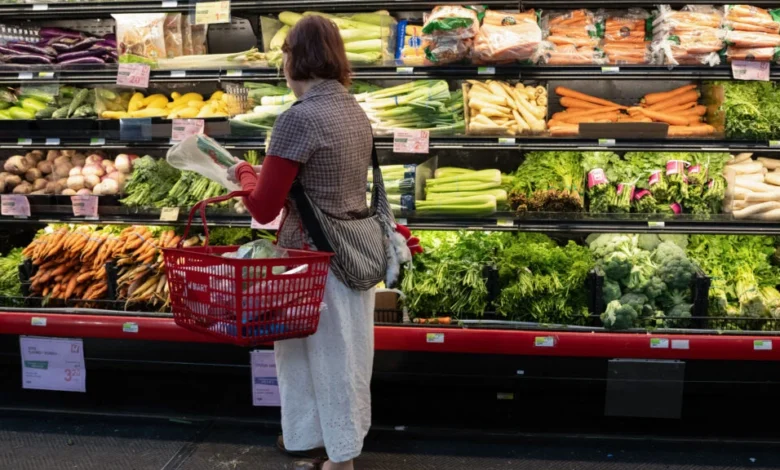
A striking commonality emerges when examining the foods on the FDA’s high-risk list: as a collective, these are precisely the foods that nutritionists and public health organizations consistently recommend as integral components of a healthy dietary pattern. They are, without question, among the "real foods" that the current administration has actively promoted for their role in enhancing nutrition and reducing the risk of chronic diseases. The promotion of fruits, vegetables, and other whole foods is a well-established public health strategy aimed at combating obesity, diabetes, heart disease, and other diet-related illnesses.
This presents a profound paradox: the very foods that are vital for a healthy diet are also, by their nature and cultivation, more vulnerable to microbial contamination. The current administration, while emphasizing the importance of nutritious foods, appears to be grappling with the critical implications of microbial food safety in the context of managing this ongoing outbreak. The response to the cyclospora crisis will undoubtedly have significant ramifications for consumer perception and, consequently, consumption patterns of these highly nutritious yet vulnerable foods. Over the preceding 18 months, there has been a discernible shift in focus within the administration, with a pronounced emphasis on addressing chemical contaminants in food, sometimes at the expense of robust microbial food safety initiatives. This has manifested in several policy decisions and actions that, intentionally or unintentionally, may have weakened the overall microbial food safety system.
A Diminished Food Safety System: Cumulative Impacts
When asked about the impact of a particular action on food safety, the reality is often more complex than a single event. The true measure of a food safety system’s efficacy lies in the cumulative impact of numerous policies, regulations, and enforcement actions. My experience has shown that a series of seemingly isolated changes, when taken together, can incrementally erode the strength and resilience of the entire system. The current administration’s approach, characterized by a focus on chemical safety and a de-emphasis on certain aspects of microbial safety, has contributed to a diminished overall food safety framework. This is a gradual erosion, often occurring without dramatic public outcry until a significant outbreak occurs, highlighting the vulnerabilities that have been allowed to develop.
Climate Change: An Accelerant for Food Safety Risks
Compounding these challenges is the administration’s stance on climate change. The categorization of climate change as a "hoax" and the support for policies that accelerate its progression have direct and concerning implications for food safety. Warming global temperatures and increasingly frequent extreme weather events, such as heavy rainfall and widespread flooding, are scientifically established to increase food safety risks. These environmental shifts can create more favorable conditions for the proliferation of pathogens and can also lead to the contamination of food sources through runoff and altered agricultural practices.
Furthermore, the destruction of food crops due to extreme weather events results in increased food waste. Food waste itself is a significant contributor to global warming, creating a detrimental feedback loop. For instance, the anticipated destruction of large quantities of lettuce from regions like Mexico due to adverse weather events represents not only a loss of nutritious food but also a substantial waste of resources. This includes the energy expended in production, processing, and international distribution, as well as the energy required for the disposal of contaminated or spoiled product. The interconnectedness of these issues—climate change, food safety, and food waste—demands a comprehensive and integrated approach that the current administration appears to be neglecting.
The Path Forward: Reintegrating Safety and Nutrition
The current cyclospora outbreak should serve as a critical wake-up call for all stakeholders, particularly for our federal leaders entrusted with the paramount responsibility of protecting and promoting public health. Consumers should not be forced to choose between consuming nutritious foods and ensuring their safety. True health is achieved when a robust food safety system instills confidence in the consumption of nutrient-rich foods, such as fruits and vegetables. The notion that "real foods" are inherently unsafe is a dangerous misconception that undermines decades of public health efforts.
The reality is that "real foods" are indeed vulnerable to "real pathogens," and it is the responsibility of regulatory agencies and food producers to mitigate these risks effectively. This requires a holistic approach that recognizes the inseparable nature of food safety and nutrition. Policies and initiatives must be designed and implemented with an understanding that safeguarding public health means addressing both the nutritional quality of our food supply and its freedom from harmful contaminants.
Broader Implications for Public Health and the Food Industry
The ramifications of this outbreak extend beyond immediate public health concerns. The erosion of consumer trust in fresh produce could have significant economic consequences for the agricultural sector. Farmers who meticulously adhere to safety protocols may suffer from reduced demand due to a generalized fear of contamination. This can also impact food manufacturers and retailers who rely on the availability and consumer acceptance of these vital food groups.
The FDA’s role in food safety is multifaceted, encompassing surveillance, inspection, regulation, and consumer education. A perceived weakening of any of these pillars can have cascading effects. The focus on chemical safety, while important, should not eclipse the fundamental need for stringent microbial controls, especially for foods that are often consumed raw or minimally processed.
A Call for Integrated Policy and Consumer Confidence
Moving forward, a renewed emphasis on an integrated approach to food policy is essential. This involves:
- Strengthening Microbial Food Safety Measures: Reinvesting in and reinforcing programs and regulations specifically designed to prevent and control microbial contamination in high-risk foods. This includes robust FSMA implementation and enforcement.
- Addressing Climate Change’s Impact on Food Systems: Developing and implementing policies that acknowledge and mitigate the impact of climate change on food safety and the agricultural sector. This necessitates a scientific approach to environmental policy.
- Enhancing Public Health Communication: Crafting clear, consistent, and science-based messaging to consumers about food safety risks and the benefits of healthy eating, without creating undue fear or promoting unhealthy dietary choices.
- Fostering Collaboration: Encouraging greater collaboration between federal agencies, state and local health departments, the food industry, and academic institutions to share data, best practices, and innovative solutions.
The cyclospora outbreak serves as a stark reminder that the pursuit of a healthier population hinges on the foundation of a safe food supply. The interdependence of food safety and nutrition is not an abstract concept; it is a tangible reality that impacts the well-being of every individual. Rebuilding and fortifying consumer confidence requires a clear demonstration of commitment to both these critical aspects of our food system.
Susan Mayne, Ph.D., served as director of the FDA’s Center for Food Safety and Applied Nutrition from 2015 to 2023. She is an adjunct professor at the Yale School of Public Health. This essay first appeared on her Substack.