When Princess Diana Traded Her Signature Shaggy Cut for a Rare Updo, It Sparked a Royal Protocol Clash

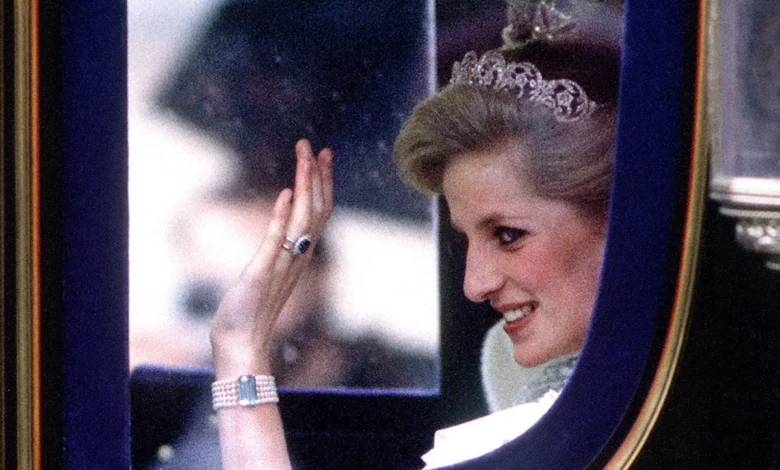
Few figures in modern history remain as visually synonymous with a single hairstyle as Diana, Princess of Wales. Throughout the 1980s and 1990s, her signature short, voluminous, and expertly feathered haircut became an international cultural phenomenon. Millions of women globally flooded salons requesting the iconic shaggy "do," cementing her status as an arbiter of fashion and beauty long before the advent of modern social media influence.
While the Princess occasionally experimented with minor variations in length, texture, or tousled styling, she rarely deviated from wearing her hair down in public appearances. This steadfast adherence to her trademark look made every single departure from it a major news event. One of the most consequential and heavily scrutinized exceptions occurred during the State Opening of Parliament in November 1984.
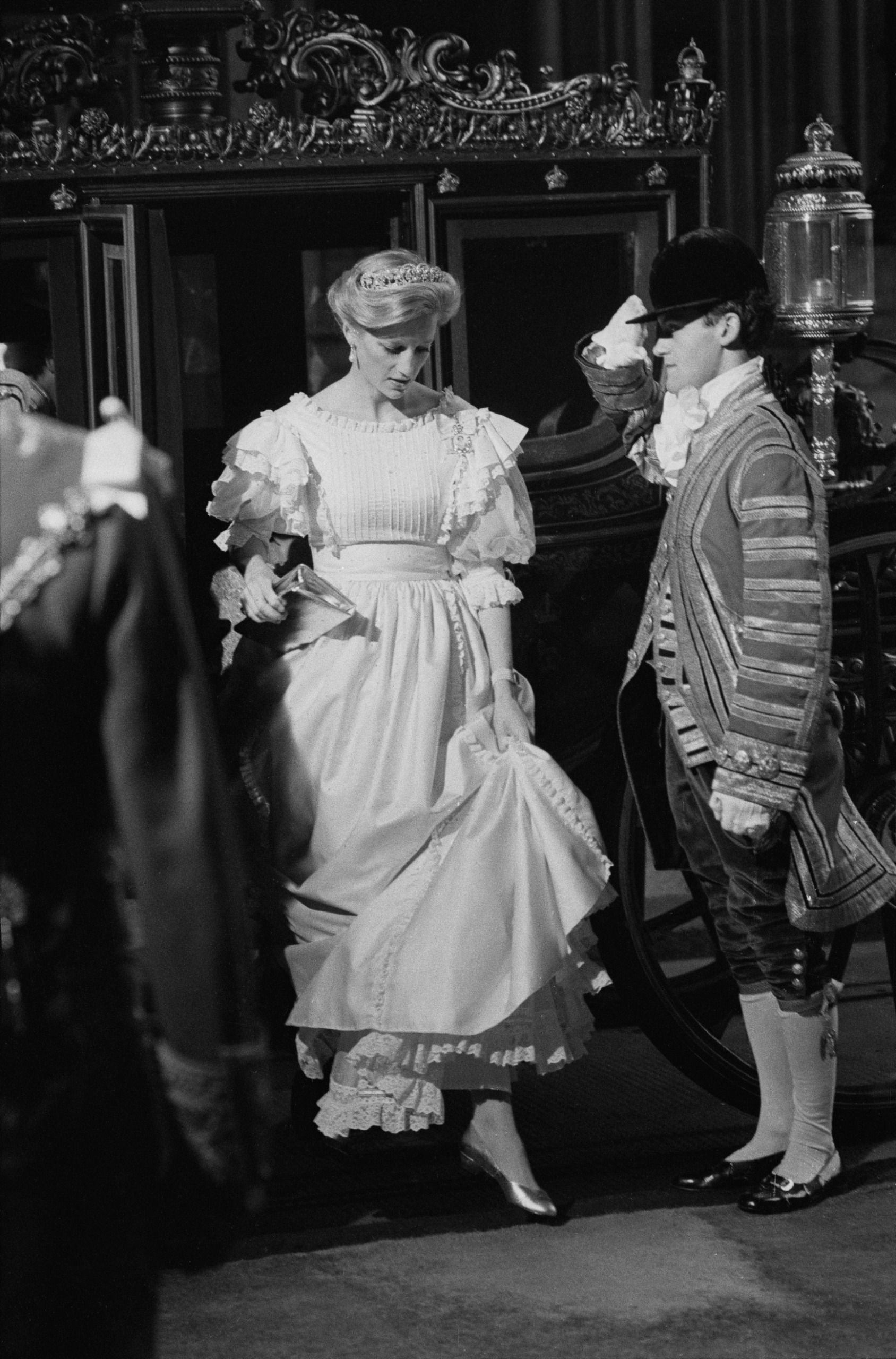
At the time, Princess Diana had been married to the then-Prince Charles for just over three years. Attending the grand legislative ceremony alongside Queen Elizabeth II and Prince Charles at the Palace of Westminster, the young royal decided to test out a dramatic departure from her everyday aesthetic. Entrusting her hair to her renowned stylist Richard Dalton, the Princess opted for a sophisticated, swept-back chignon—a classic bun pinned securely at the nape of the neck, reminiscent of the Hollywood glamour favored by silver screen icons a generation prior.
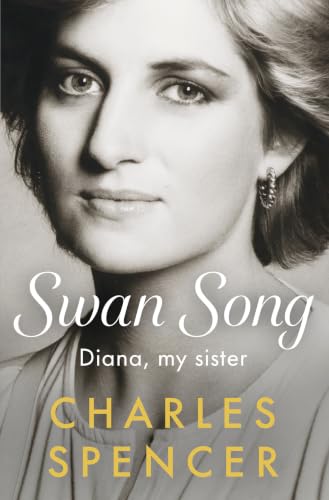
This unexpected styling choice, paired with the historic Spencer family diamond tiara and a sweeping, long ruffled gown, immediately captivated onlookers. Yet, behind the public adulation and flashing cameras, the sudden transformation inadvertently triggered a behind-the-scenes royal controversy involving Queen Elizabeth II, a narrative newly detailed by the Princess’s brother, Earl Spencer, in his memoir, Swan Song: Diana, My Sister.
The Chronology of a Royal Incident: November 1984
To understand the weight of the 1984 State Opening of Parliament incident, it is essential to examine the strict unwritten rules and protocol governing high-profile royal engagements during the mid-1980s. The State Opening of Parliament is one of the most solemn, traditional, and visually codified events in the British political and constitutional calendar. It marks the formal start of the parliamentary year and brings together the Sovereign, the House of Lords, and the House of Commons.
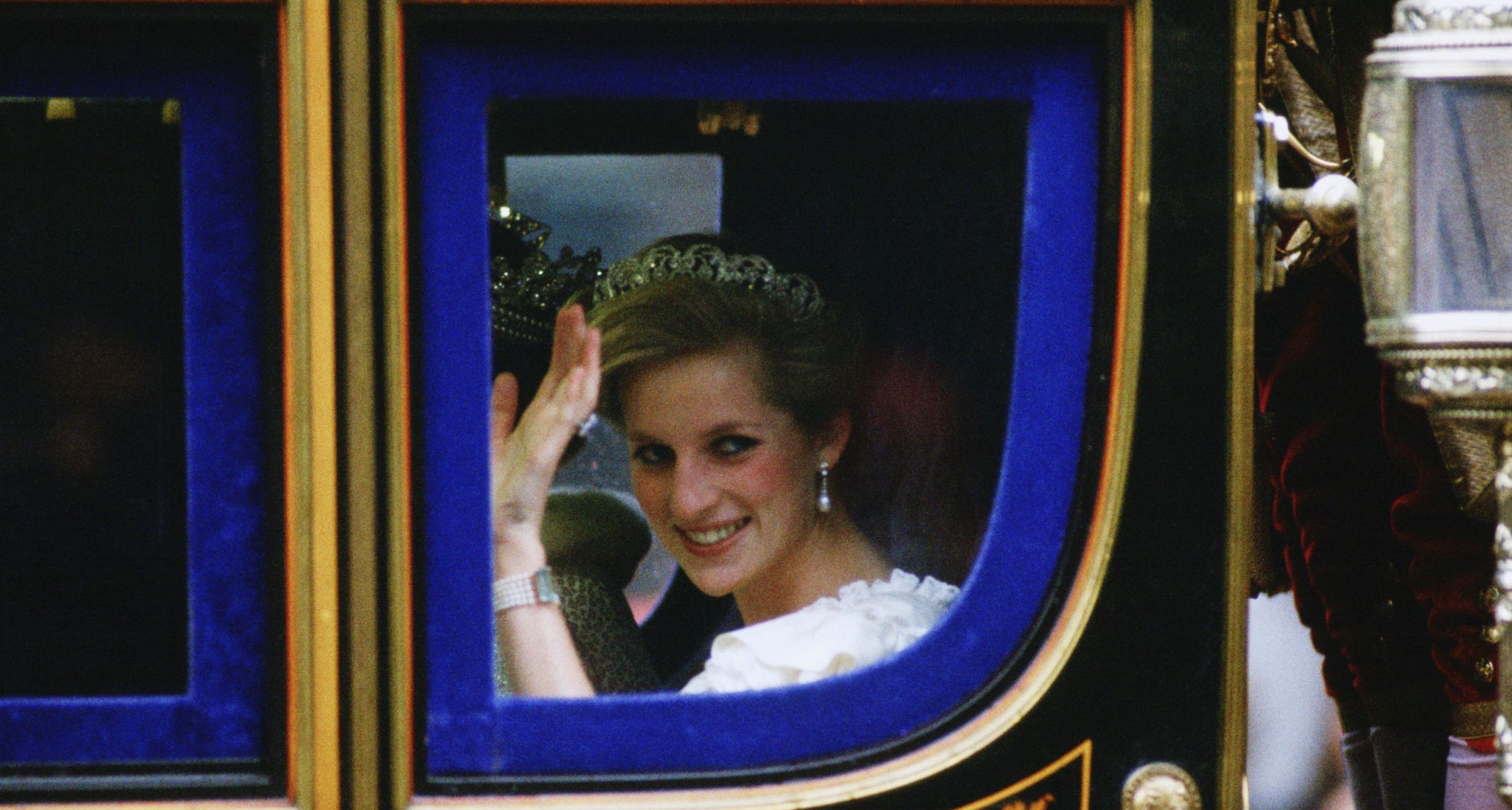
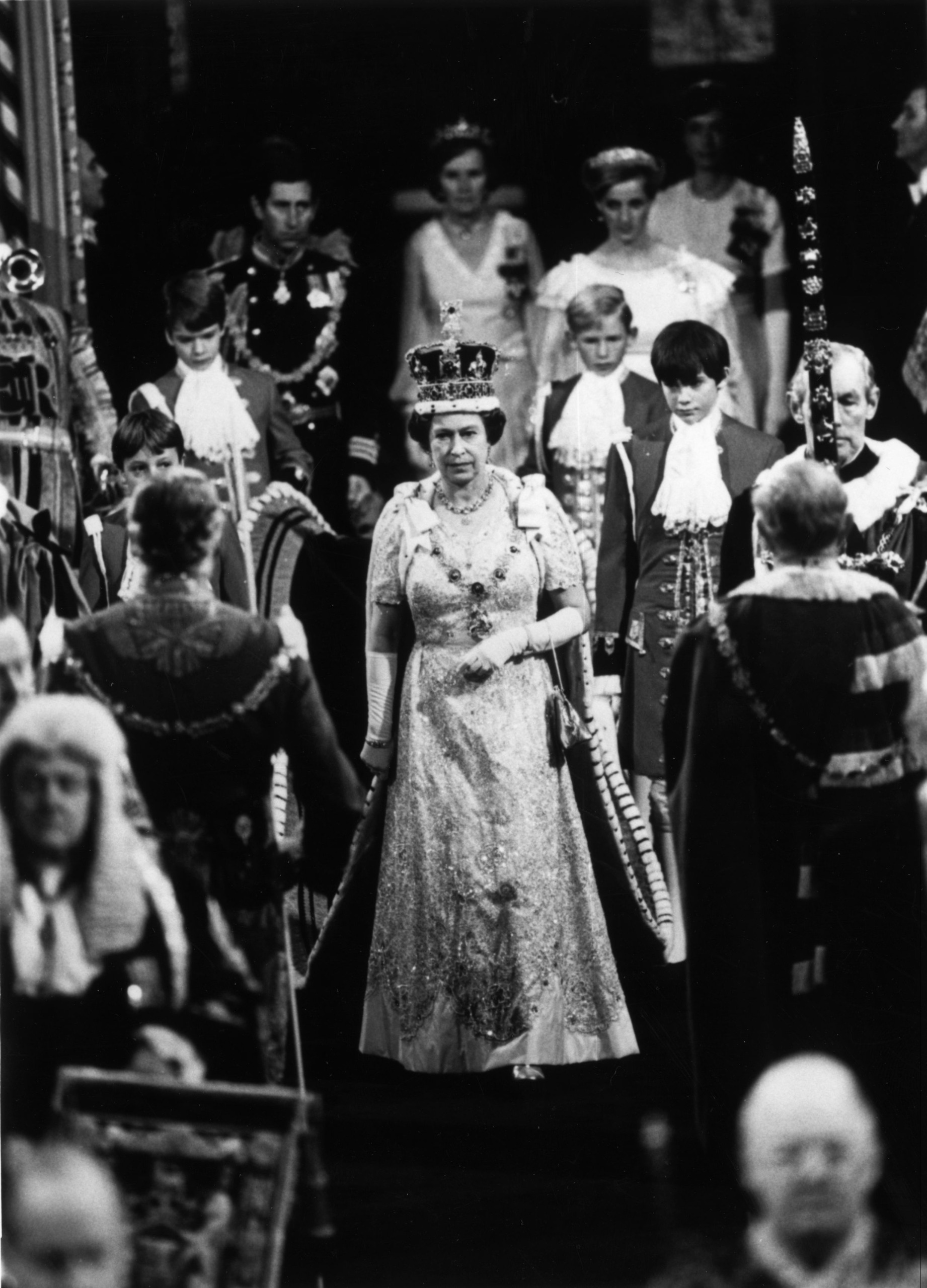
In 1984, the event followed decades of established precedent. Queen Elizabeth II, draped in the Imperial State Crown and the Robe of State, took center stage to deliver the Queen’s Speech outlining the government’s legislative agenda. Following closely behind the monarch in the grand procession were Prince Charles and Princess Diana, who had arrived at the Palace of Westminster via a traditional glass carriage.
According to Earl Spencer’s account in Swan Song: Diana, My Sister, the moment the Princess stepped out of her carriage to enter the building, the assembled crowds and press corps were immediately struck by her appearance. Rather than the familiar, bouncy short fringe and layered crown they had grown accustomed to seeing on magazine covers worldwide, they encountered a sleek, statuesque updo that laid bare her striking facial bone structure.
"Her hair stylist, Richard Dalton, swept Diana’s hair into a ‘chignon’—a bun pinned at the nape of the neck, as favoured by some movie stars a generation earlier," Earl Spencer wrote in his book. He noted that the public let out audible "gasps of admiration" upon witnessing the transformation, entirely surprised that her trademark look had been momentarily replaced by something so profoundly elegant and unexpected.
The Spencer Tiara and Public Acclamation
Complementing the intricate chignon was the Spencer Tiara, a priceless heirloom belonging to the bride’s aristocratic family. The diamond-encrusted headpiece held immense personal and symbolic significance for Diana, as it was the exact piece she had worn three years prior during her fairy-tale wedding to Prince Charles at St. Paul’s Cathedral on July 29, 1981.
Fashion historians and royal commentators have long noted that the Spencer Tiara was uniquely designed to sit comfortably and securely on the head without requiring an elaborate foundation. However, when paired with the 1984 chignon rather than her usual short layers, the visual effect was magnified. Earl Spencer observed that the heirloom "looked magnificent atop her sweeping hair, while her bone structure was shown off to great effect."
The British press, perpetually hungry for style updates from the young royal, responded with instantaneous fervor. Photographers scrambled to capture every angle of the Princess as she walked through the royal galleries, her ruffled white gown and polished updo dominating visual media coverage of the historic constitutional event.
The Reaction from the Monarch: "Not Amused"
While the public and the fashion press celebrated the bold aesthetic pivot, the reaction within the inner sanctum of the royal family was markedly different. In traditional royal circles, particularly under the watchful eye of Queen Elizabeth II, major public events involving the monarch were meticulously calibrated to ensure that the Sovereign remained the undisputed focal point of attention.
In his memoir, Earl Spencer reveals that Queen Elizabeth II "was not amused" by the intense, single-minded media fixation that Diana’s new hairstyle generated. Rather than focusing public discourse and next-day newspaper front pages on the monarch’s constitutional address to Parliament, the media apparatus was overwhelmingly hijacked by style analysis of the Princess of Wales.
Every major broadsheet and tabloid front page featured photographs of Diana’s chignon, effectively eclipsing the official business of the state. Within the hierarchical structure of the Firm, accidentally or inadvertently upstaging the reigning monarch—even purely through fashion choices—was viewed as a significant breach of unwritten etiquette.
Consequently, the fallout was swift. According to Earl Spencer, "Diana was told off." Despite her rising global fame and immense popularity, the young Princess remained deeply respectful of the institution and the head of state. She frequently referred to Queen Elizabeth II respectfully as "the boss."
Learning from the experience, Diana adapted her approach to high-stakes joint appearances. Earl Spencer noted that "from that point on, always wore her hair more simply at events that they both attended," ensuring that she would never again inadvertently draw the spotlight away from the Sovereign during formal state occasions.
Broader Implications and the Evolution of Royal Style
The 1984 State Opening of Parliament incident serves as a fascinating case study in the intersection of royal duty, personal expression, and media culture. During the early 1980s, Princess Diana was still navigating the complex transition from a shy nineteen-year-old aristocrat to a confident global icon. Every style choice she made was scrutinized for hidden meanings, political statements, or emotional states.
Hair, in particular, became one of Diana’s primary non-verbal communication tools. Her trusted stylist, Richard Dalton, was instrumental in shaping a look that felt modern, approachable, yet undeniably regal. The shaggy cut was designed to be low-maintenance yet high-impact, perfectly tailored to a busy working royal who needed to look polished while greeting crowds in adverse weather conditions.
When Diana temporarily abandoned that cut for the chignon in November 1984, she inadvertently demonstrated the staggering power of her personal brand. Even standing next to the Queen of the United Kingdom and the Prince of Wales, Diana possessed the gravity to pull the entire nation’s attention toward a single hairstyle.
Fact-Based Analysis of the Protocol Clash
From a contemporary perspective, the reprimand highlights the strict generational divides within the British royal family regarding media management and public relations during the pre-internet era. In the 1980s, the royal household operated under a traditional paradigm where individual personality was strictly subordinated to institutional duty.
While modern royal watchers view fashion as a legitimate and calculated tool of modern diplomacy and soft power—often referred to as "royal fashion diplomacy"—the mid-1980s court viewed any diversion from the status quo that threatened to overshadow the monarch’s constitutional role as problematic.
Despite the reprimand, the 1984 incident did not curb Diana’s long-term influence on global fashion trends. As the decade progressed and her confidence grew, she continued to push boundaries with her wardrobe, eventually establishing total autonomy over her public image by the time she separated from Prince Charles in the 1990s.
Legacy of a Iconic Royal Moment
Today, the 1984 State Opening of Parliament remains a memorable footnote in the vast chronicles of royal history. It captured a fleeting moment when Princess Diana stepped outside her comfort zone, dazzling the public with a classic Hollywood aesthetic, only to pull back in deference to royal hierarchy.
As memoirs like Earl Spencer’s Swan Song: Diana, My Sister continue to shed light on the private dynamics behind public facades, moments like the chignon controversy remind observers of the immense pressure placed upon the young Princess. Even as she was being chided for a simple hairstyle, Diana was unknowingly laying the groundwork for a legacy of style that would outlive the protocols of her era, remaining timeless decades after her passing.