When Princess Diana Debuted a Daring Updo at the 1984 State Opening of Parliament That Left Queen Elizabeth Unamused

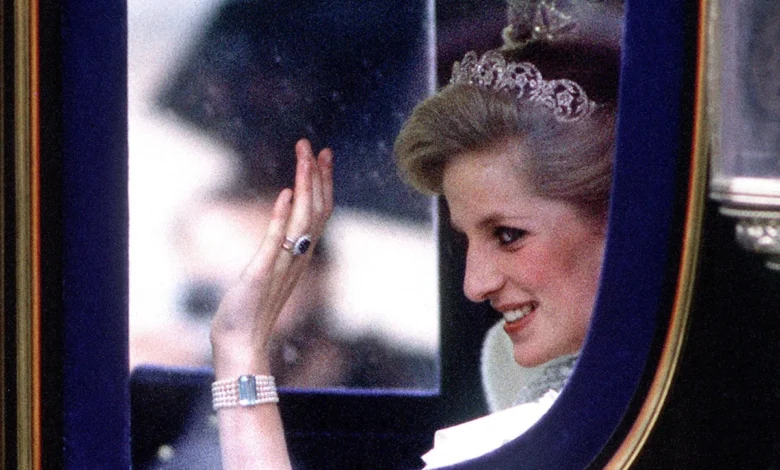
Throughout the 1980s and 1990s, the global fascination with Diana, Princess of Wales, was matched only by the cultural footprint of her personal style. From her tailored power suits to her legendary evening wear, every sartorial choice was heavily scrutinized and widely imitated. Among her most enduring trademarks was her short, shaggy haircut—a signature look crafted by stylist Richard Dalton that prompted millions of women worldwide to rush to salons seeking a similar aesthetic. While she occasionally toyed with slight variations in length or tousled textures, Diana rarely deviated from wearing her hair down in public appearances. This adherence to her signature silhouette made any departure from the norm a significant visual event.
One of the most consequential deviations occurred during the State Opening of Parliament in November 1984. Just three years into her marriage to the then-Prince Charles, a 23-year-old Princess Diana stepped out of her carriage at the Palace of Westminster sporting a dramatic, swept-back chignon. Paired with the iconic Spencer family diamond tiara and a long, ruffled white gown, the hairstyle instantly captivated the public and media alike. However, behind the scenes, the unexpected glamour of the moment created unexpected friction within the highest echelons of the British monarchy.
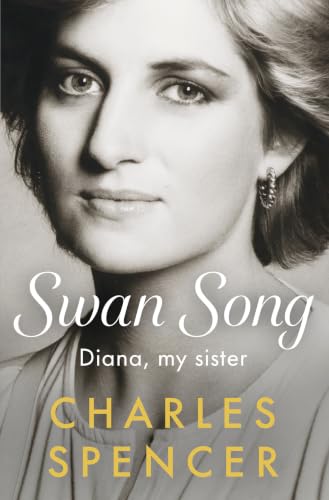
New details regarding the incident and its aftermath have resurfaced in the memoir Swan Song: Diana, My Sister, written by the late princess’s brother, Charles Spencer. The book provides a granular look at the intense public reaction to Diana’s appearance, the mechanics of royal protocol, and the private reprimand issued by Queen Elizabeth II following the event.
Chronology of an Iconic Royal Appearance
To understand the weight of the 1984 State Opening of Parliament, one must contextualize the event within the broader timeline of the British monarchy and the early years of the Prince and Princess of Wales’ marriage. The State Opening marks the formal start of the parliamentary year in the United Kingdom, bringing together the Sovereign, the House of Lords, and the House of Commons. As a pinnacle constitutional event steeped in centuries of tradition, the occasion demands adherence to strict dress codes, solemn decorum, and an implicit hierarchy designed to center the reigning monarch.
In November 1984, Queen Elizabeth II was more than three decades into her reign, commanding supreme authority and respect across global diplomatic and domestic spheres. Conversely, Diana Spencer had entered the royal fold just three years earlier in July 1981, capturing international imagination and quickly becoming the primary focal point of the global press corps.
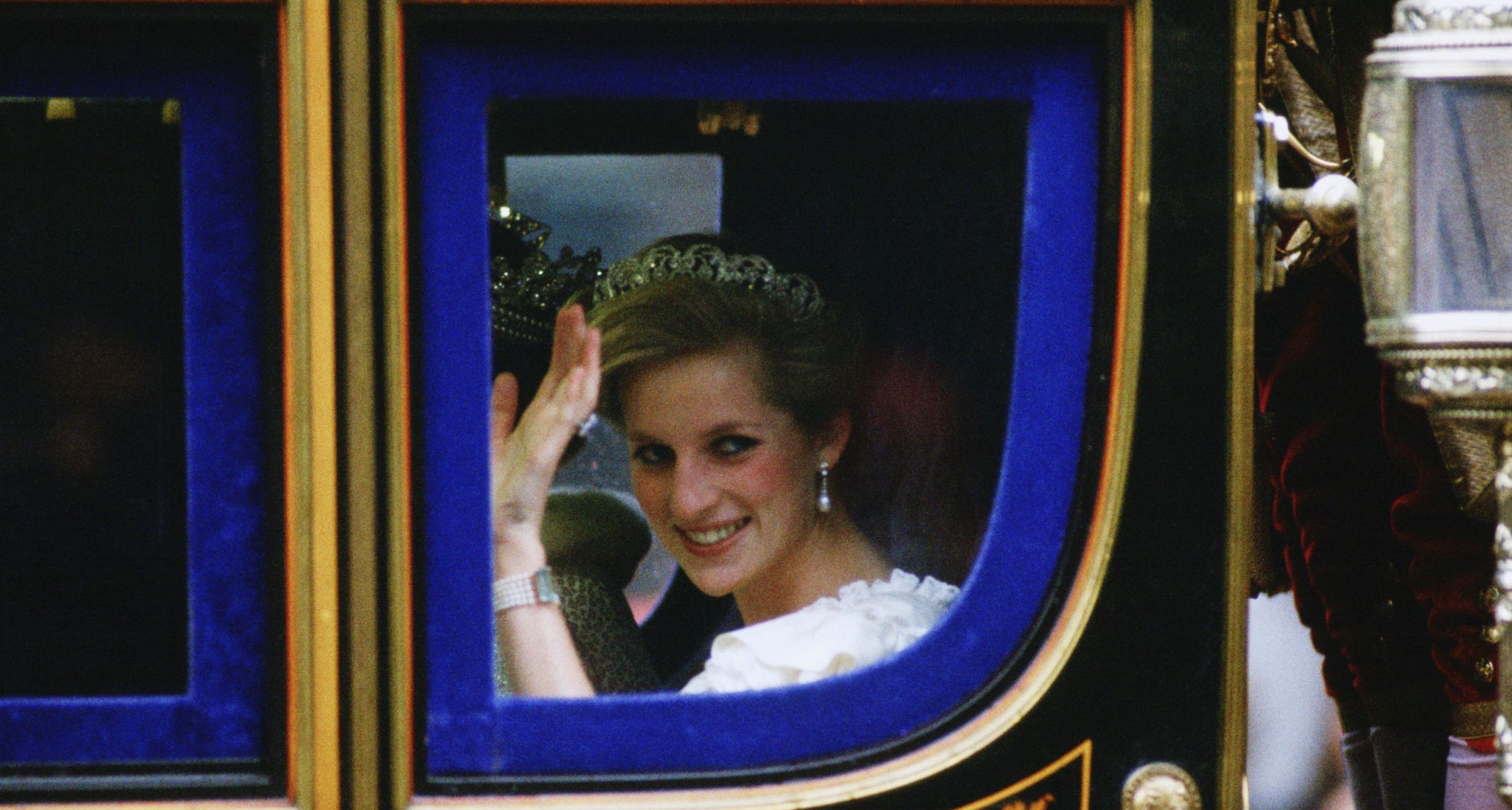
On the day of the ceremony, Diana arrived alongside Prince Charles, trailing behind Queen Elizabeth as they processed through the Palace of Westminster. The moment the young princess stepped out of the royal carriage, the atmosphere shifted. According to Earl Spencer’s memoir, onlookers and royal watchers standing near the route let out audible gasps of admiration. The public, conditioned to expect Diana’s familiar, cropped signature look, was stunned to see her hair elegantly pinned at the nape of the neck in a classic chignon style reminiscent of mid-century Hollywood royalty.
The Artistry Behind the Look: Richard Dalton and the Spencer Tiara
The mastermind behind the transformation was Richard Dalton, Diana’s primary hair stylist during the first decade of her public life. By gathering her short locks into a French-inspired chignon, Dalton successfully achieved a sophisticated, mature aesthetic that elevated traditional royal formalwear.
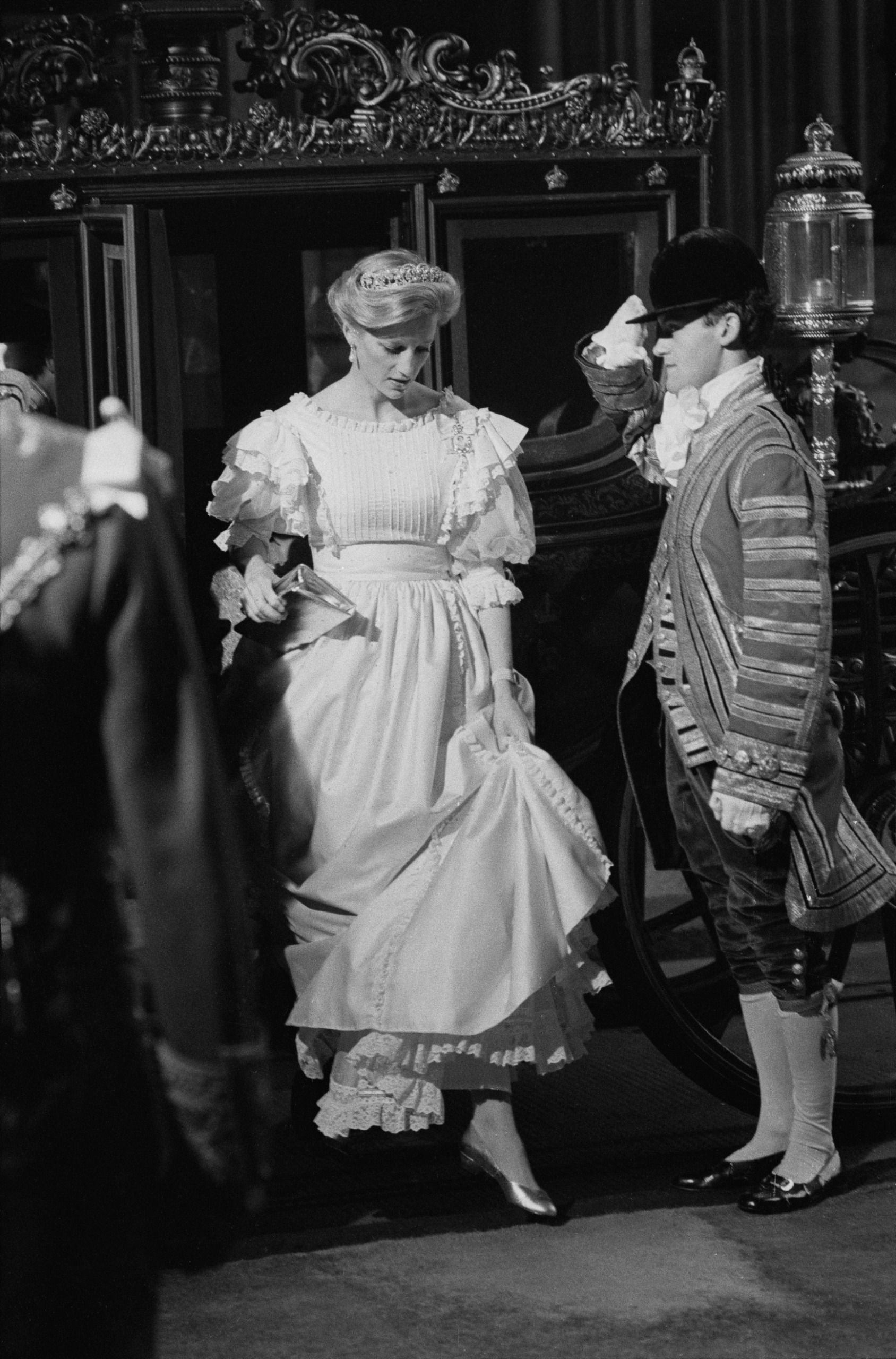
The choice of hair architecture served a dual purpose: it provided a secure, stable foundation for the heavy Spencer Tiara, a priceless family heirloom featuring intricate floral and scroll motifs set in silver and gold. Diana had previously worn the same diamond headpiece on her wedding day at St Paul’s Cathedral. However, pairing the tiara with an updo rather than her usual fringe and layered sides fundamentally changed its visual impact.
In Swan Song: Diana, My Sister, Earl Spencer reflects on the aesthetic triumph of the styling, noting that the swept-back arrangement placed a spotlight on Diana’s striking bone structure. "It looked magnificent atop her sweeping hair, while her bone structure was shown off to great effect," he wrote, detailing how the public perceived the shift not merely as a styling choice, but as a bold fashion statement from a young woman beginning to find her autonomous voice within an archaic institution.
The Media Storm and the Queen’s Displeasure
While the public and the fashion press celebrated the look as a masterclass in royal elegance, the media frenzy inadvertently triggered a diplomatic and protocol misstep. In the days following the State Opening of Parliament, British newspapers and international syndicates dedicated their front pages and broadcast segments almost exclusively to Diana’s hair and the Spencer Tiara.
Traditionally, media coverage surrounding the State Opening is strictly focused on the monarch’s Speech from the Throne—a major political address outlining the government’s legislative agenda for the upcoming session. By eclipsing the political substance of the Sovereign’s address with fashion commentary, the coverage inadvertently violated the unspoken hierarchy of royal engagements, where the reigning monarch must remain the undisputed center of attention.
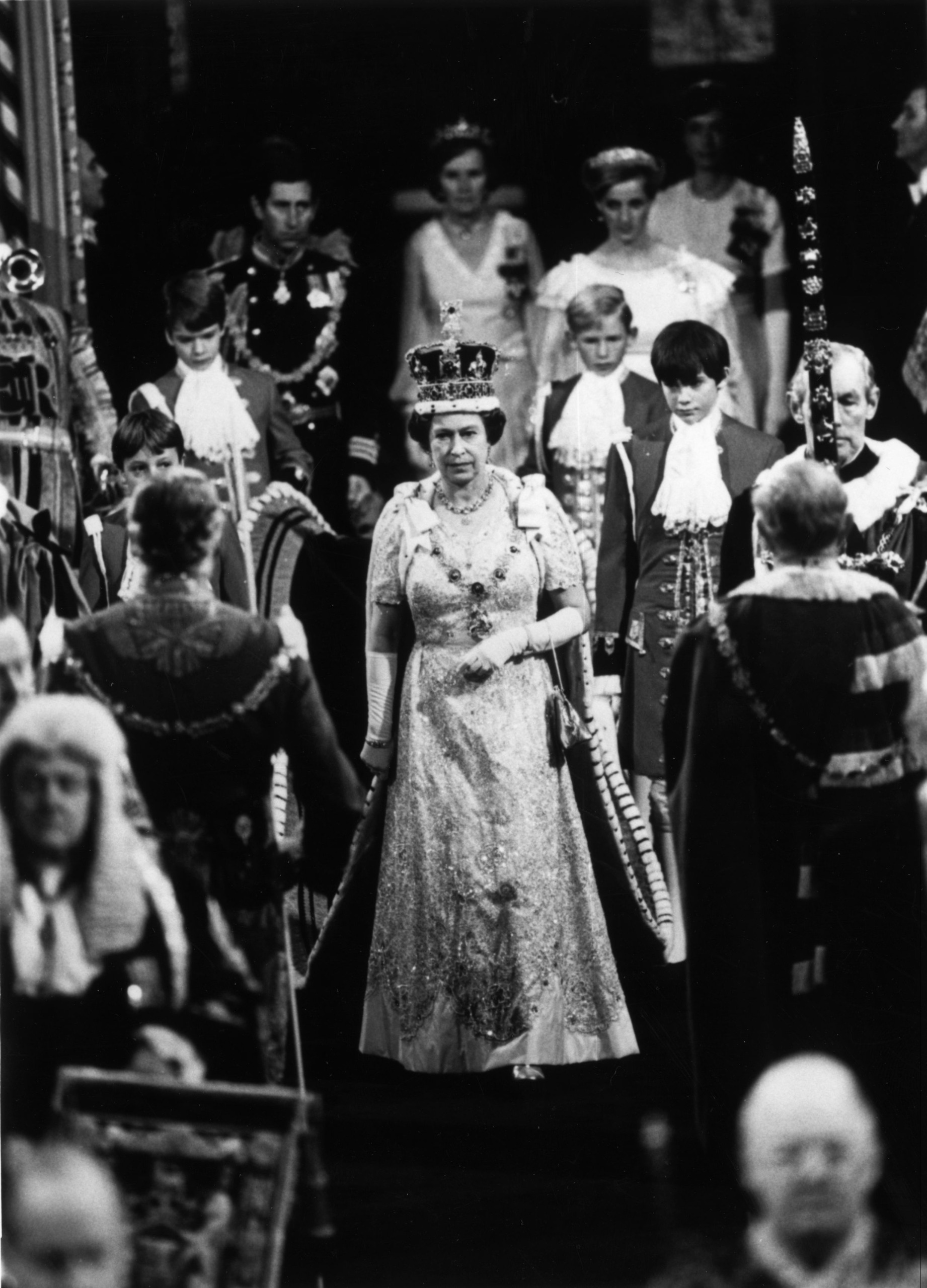
According to Earl Spencer’s account, Queen Elizabeth II "was not amused" by the redirection of the national spotlight. Within the rigid ecosystem of the Firm, unintentional upstaging of the Sovereign is heavily discouraged, particularly during constitutional duties of the highest order. Consequently, the young princess faced direct feedback regarding the optics of the day.
"Diana was told off," Earl Spencer writes in his memoir, highlighting the swift administrative and familial feedback loop that characterized royal life in the 1980s.
Broader Implications and Diana’s Strategic Adaptation
The reprimand served as a stark lesson for the Princess of Wales regarding the limitations placed upon personal expression within the royal family. Despite her immense global popularity, Diana understood the necessity of deference to institutional hierarchy. Earl Spencer notes that his sister was "ever respectful of ‘the boss,’ as she called the Queen."
Rather than pushing back against the critique, Diana adapted her public styling choices. From that juncture onward, she deliberately toned down her hairstyles for joint engagements with the monarch, opting for simpler, more understated looks that would not inadvertently draw attention away from the Sovereign.
This adaptive strategy reflected a broader pattern in Diana’s early royal career. As she navigated the immense pressures of public scrutiny, marital strain, and institutional expectations, she learned to wield fashion and presentation as a subtle language of communication. When grand statements were curtailed by protocol, she channeled her evolving identity into humanitarian work, subtle wardrobe evolutions, and, eventually, a renegotiation of her public role entirely.
Historical Legacy of the 1984 Updo
Decades after the event, the 1984 State Opening of Parliament remains a fascinating case study in the intersection of royal protocol, celebrity culture, and fashion history. It underscores the immense, sometimes volatile power of royal aesthetics, where a single hairstyle could inadvertently command a nation’s news cycle and prompt a gentle corrective from the head of state.
Ultimately, the incident highlighted the tightrope walk Diana performed daily: balancing a burgeoning global icon status with the conservative demands of the British monarchy. Through the lens of contemporary memoirs like Swan Song: Diana, My Sister, historians and royal watchers gain a clearer picture of the delicate negotiations that defined a princess’s journey toward independence and enduring style immortality.