University of Minnesota Faces Difficult Choices and Significant Budget Cuts Amid Rising Operational Costs and Shifting Enrollment Trends

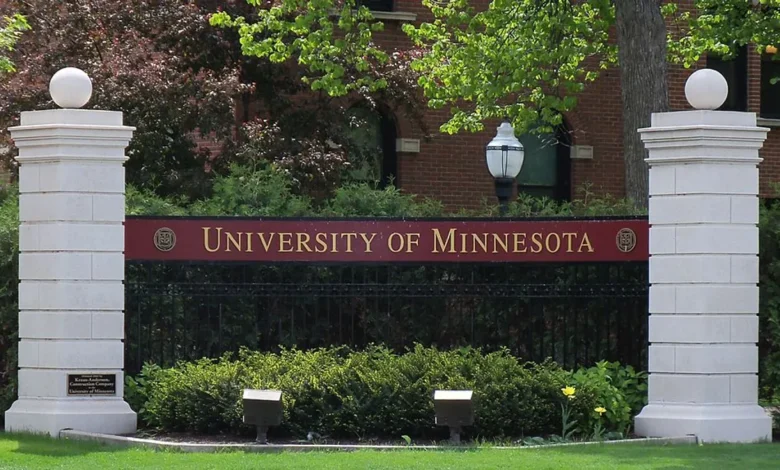
The University of Minnesota system is confronting a severe financial inflection point, with senior leadership warning campus communities that sweeping structural changes and substantial expenditure reductions are unavoidable. In communications released in September 2026, university administrators pointed to a combination of shifting enrollment patterns across its multiple campuses, unpredictable state and federal funding streams, and persistent inflationary pressures as the primary drivers of the ongoing fiscal strain. As the institution looks toward future fiscal cycles, administrators have cautioned that bridging the widening operational gap will require painful compromises, challenging administrative decisions, and a fundamental reassessment of how academic and support portfolios are delivered.
This aggressive fiscal realignment follows years of iterative belt-tightening designed to stabilize the university’s balance sheets. Most recently, in June 2026, the UMN Board of Regents approved a fiscal year 2027 budget that relied heavily on $98.6 million drawn from internal savings pools and alternative revenue generation. That mitigation strategy necessitated the elimination of 165 academic positions alongside 64 support staff jobs, totaling 229 targeted personnel reductions. Yet, despite these structural adjustments, the broader financial outlook indicates that further contractions may be necessary, with some projections warning that deficit-reduction targets could amount to as much as 15% of allocated operating revenues.
Background Context and Chronology of Financial Strain
The financial challenges currently gripping the University of Minnesota are not isolated events but rather the culmination of systemic pressures affecting higher education nationwide. Over the past half-decade, public flagship institutions and regional campuses alike have had to navigate the post-pandemic economic landscape, which has been characterized by escalating labor costs, supply chain disruptions, and soaring technology expenditures.
The trajectory of UMN’s budgetary difficulties became increasingly apparent in 2025. Facing mounting funding uncertainty and escalating overhead, the university implemented a 6.5% tuition hike at its flagship Minneapolis campus. Simultaneously, administrators enforced a blanket 7% reduction across programmatic budgets in an effort to curb outgoing capital. Despite these measures, institutional financial filings revealed that between fiscal years 2024 and 2025, the university’s core operating loss expanded by $76.9 million—representing a 4.9% increase—bringing operating losses to approximately $1.7 billion.
It is worth noting that while core operating revenues failed to cover operational expenditures during this period, the university’s broader financial statements—incorporating state and federal appropriations, private philanthropic gifts, and nonoperating investment returns—reflected modest overall surpluses of several hundred thousand dollars, which grew marginally year-over-year. Nevertheless, relying on nonoperating revenues and volatile investment returns to subsidize ongoing, fixed operational costs has raised red flags among financial auditors and campus stakeholders alike.
Enrollment Realities Across the System
A central paradox of the University of Minnesota’s current situation lies in its enrollment data. Systemwide, total enrollment figures have demonstrated resilience and growth. According to institutional reporting, UMN recorded a fall 2025 enrollment of 72,010 students, marking a 7.8% increase compared to figures from five years prior. This overall growth, however, masks significant internal disparities.
While the flagship campus in Minneapolis and certain specialized programs have maintained strong demand, regional institutions within the system—specifically the Duluth and Morris campuses—have experienced prolonged multi-year enrollment declines. Even though these regional campuses saw modest upticks in enrollment during the fall 2025 term, the cumulative historical drop in student headcount has permanently altered their tuition revenue baselines. Because state funding formulas and tuition dependency are closely tied to student headcounts, these regional variations have exacerbated localized budget deficits, creating a complex administrative puzzle for system leaders attempting to distribute resources equitably.
Leadership Statements and the Push for Collaborative Planning
In a joint statement released in September 2026, University of Minnesota President Rebecca Cunningham and Provost Gretchen Ritter addressed the academic community directly, outlining the philosophy that will guide the next phase of fiscal adjustments. While the leadership stopped short of detailing whether the newly proposed measures would involve immediate widespread layoffs, they emphasized that structural redundancies must be systematically dismantled.

"This next phase requires deliberate choices about how to reduce expenses and redundancy while we simplify and focus how we work across both our administrative and academic portfolios," Cunningham and Ritter stated. They acknowledged the emotional and professional toll of these maneuvers, adding, "There will be difficult choices and conversations ahead."
Crucially, university leadership has pledged to adopt a more inclusive and transparent approach to budget planning than has sometimes been observed in past administrative cycles. Recognizing the friction that accompanied previous rounds of tuition increases and job cuts, Cunningham and Ritter stressed that faculty and staff engagement would be prioritized.
"We have heard a clear desire from faculty and staff for more engagement, understanding, and input into the budget planning process," the leaders noted. This commitment to shared governance aims to mitigate the institutional pushback that typically accompanies systemic spending reductions, ensuring that rank-and-file employees have a voice in identifying operational efficiencies.
Broader Industry Trends and Economic Implications
The fiscal distress at the University of Minnesota mirrors a broader national crisis within public higher education. Across the United States, traditional demographic shifts—often referred to as the "enrollment cliff"—are shrinking the pool of traditional college-aged students. Concurrently, public skepticism regarding the return on investment of a college degree has empowered state legislatures to freeze tuition caps while failing to increase base appropriations at a rate that matches inflation.
For UMN, the implications of these macroeconomic forces are profound. As the state’s premier research institution, the university drives significant economic activity, workforce development, and medical innovation throughout the region. However, sustained reductions in academic programming and staffing risks eroding institutional competitiveness. Cutting academic positions can lead to larger class sizes, reduced course offerings, and diminished faculty retention, which in turn can impact research output and student satisfaction.

Furthermore, the tension between maintaining accessible tuition rates for in-state students and generating sufficient revenue to cover rising operational expenses presents a continuous policy dilemma. While tuition hikes provide immediate financial relief, they shift a heavier financial burden onto students and families, many of whom are already grappling with the broader impacts of inflation. Conversely, failing to adjust tuition while operating costs climb inevitably leads to deeper cuts in instructional capacity.
Outlook for Future Fiscal Cycles
As the University of Minnesota moves forward with its comprehensive expenditure review, the coming months will test the resolve and adaptability of its leadership, faculty, and staff. The success of the upcoming budget reconciliation will depend heavily on the ability of administrators to execute targeted administrative streamlining without disproportionately harming the core educational and research missions of the institution.
Stakeholders across the system will be watching closely to see how the collaborative planning process materializes in practice. Whether through targeted voluntary separation incentives, strategic academic program consolidation, or shared administrative services across campuses, the decisions made by UMN leadership in the wake of the September 2026 announcements will establish the financial and structural blueprint for the university well into the next decade.