Beyond the Scoreboard: Why Portable Power Stations Are Becoming Essential for Modern Sports Fans and Emergency Preparedness


The intersection of modern entertainment, unpredictable weather patterns, and aging electrical infrastructure has created a distinct challenge for households and communities worldwide. When major sporting events, championship playoffs, or high-stakes viewing parties coincide with severe weather events or sudden grid failures, the stakes extend far beyond the final score. In recent years, utility companies and emergency management agencies have documented an increasing frequency of localized power interruptions driven by severe meteorological events, infrastructure strain, and high-demand periods. For millions of consumers, an unexpected blackout transforms a communal social gathering into a logistical scramble, jeopardizing essential appliances, digital connectivity, and medical equipment. Consequently, consumer behavior surrounding emergency preparedness is undergoing a significant transformation, moving away from traditional, combustion-based generators toward clean, quiet, and highly versatile portable power stations capable of integrating with solar technology.
The Evolution of Emergency Preparedness and Consumer Energy Resilience
Historically, emergency power solutions were associated primarily with industrial applications, commercial enterprises, or fringe survivalist communities residing in remote areas. Standard residential backup systems typically consisted of heavy, gasoline-powered generators designed to support entire households during prolonged grid failures. However, demographic shifts, urbanization, and the rise of mobile lifestyles have rendered traditional generators impractical for many contemporary consumers.
Data compiled by energy market research firms indicate a steady annual increase in consumer demand for compact, lithium-ion-based power stations. This shift is primarily attributed to urban and suburban living constraints, where traditional gas generators pose significant logistical and safety challenges. Gasoline units require careful fuel storage, produce hazardous carbon monoxide emissions, demand consistent mechanical maintenance, and generate substantial noise pollution. In contrast, modern portable power stations operate silently, emit no exhaust, and can be safely utilized indoors or in confined spaces, making them increasingly attractive for residential use, recreational tailgating, and mobile travel.
The Vulnerability of Modern Grid Infrastructure and High-Stakes Events
Modern society’s reliance on continuous electricity is absolute. From high-speed internet routers and digital streaming platforms to refrigeration units and medical devices, daily life depends heavily on an uninterrupted flow of electricity. When severe weather—ranging from heavy winter storms to intense summer heatwaves—coincides with peak cultural events such as championship games or tournament finals, the impact of a power outage is magnified.
Emergency response agencies and municipal authorities frequently issue warnings ahead of major meteorological events, advising residents to secure emergency supplies, non-perishable food items, and independent power sources. Despite these warnings, sudden grid failures often catch households off guard. During a live broadcast or social gathering, the loss of electrical current disrupts not only entertainment value but also vital communication channels. Mobile phones lose charge, local news updates become inaccessible, and perishable goods stored in refrigerators face rapid spoilage.
Furthermore, the psychological and social impact of such disruptions during communal events should not be underestimated. Sports fandom and shared cultural viewing experiences serve as important community bonding rituals. The abrupt termination of these events due to infrastructural failure highlights the fragility of contemporary domestic routines and underscores the necessity of targeted redundancy in household energy planning.
Tailgates, Outdoor Recreation, and the Demand for Quiet Power
Beyond emergency residential applications, the market for portable power solutions is heavily driven by outdoor recreation, RV camping, and organized sports tailgating. Millions of fans annually participate in pre-game tailgating activities in stadium parking lots, transforming recreational vehicles and campsite setups into temporary media hubs. These environments require substantial electrical output to power television screens, mobile hotspots, sound systems, portable refrigerators, and cooking appliances.
Traditional gasoline generators, while capable of delivering high wattage, have increasingly faced restrictions or discouragement in public recreational spaces due to noise ordinances and emissions concerns. A roaring combustion engine can disrupt the communal atmosphere of a campsite or tailgate, undermining the peaceful or celebratory nature of the outing. Portable power stations address this operational challenge by delivering sufficient alternating current (AC) and direct current (DC) power silently and efficiently. By eliminating engine noise and toxic exhaust, these units allow users to run entertainment systems and appliances seamlessly without disturbing neighboring participants or polluting local environments.
Technological Integration: The Rise of Solar-Powered Recharging
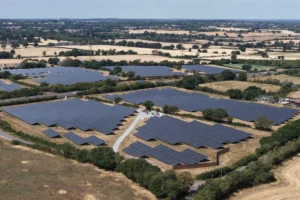
A critical component of modern portable power architecture is its compatibility with renewable energy sources, specifically photovoltaic (solar) panels. While traditional battery banks rely entirely on initial wall charging or vehicle auxiliary ports, the integration of modular solar panels provides a sustainable and independent recharging mechanism during extended off-grid scenarios or prolonged regional blackouts.

Industry analyses and consumer feedback emphasize that solar-rechargeable power stations offer a vital lifeline during prolonged emergencies where traditional utility restoration timelines are uncertain. When municipal grids fail for days or weeks following severe storms, solar panels enable users to continuously replenish their battery reserves using ambient daylight.
However, industry experts and manufacturers consistently emphasize the importance of maintaining realistic expectations regarding solar input. The efficiency of portable solar charging depends heavily on external variables, including geographic location, seasonal weather conditions, ambient temperature, panel orientation, and the specific technical specifications of the hardware. While solar chargers may not instantly replicate the high-wattage output of a fixed residential solar array, they provide a reliable, sustainable method for maintaining essential low-draw devices—such as smartphones, LED lanterns, medical monitors, and communication radios—indefinitely.
Strategic Selection: Matching Power Capacity to Specific Consumer Needs
One of the most common pitfalls in emergency preparedness and consumer purchasing is overbuying or underbuying based on generalized anxiety rather than precise operational requirements. Energy consultants recommend a methodical approach to evaluating power needs, encouraging consumers to calculate the running wattage and starting surge requirements of their specific essential devices.
For example, a high-draw household appliance such as a central air conditioning unit, electric range, or full-sized refrigerator demands significantly different battery capacity and inverter output than a compact communication setup consisting of a Wi-Fi router, a smartphone, and a portable LED lamp. Similarly, consumers utilizing power stations for recreational tailgating have different priorities than individuals preparing for medical device preservation during a severe winter storm.
Evaluating these distinctions has led to a more sophisticated marketplace where manufacturers offer a diverse range of capacities—from lightweight, highly portable units designed for day trips and mobile device charging to high-capacity modular systems capable of supporting critical home appliances for multiple days. Selecting the appropriate unit involves balancing physical weight, storage footprint, budget constraints, and anticipated usage scenarios before an emergency occurs.
Economic and Societal Implications of Decentralized Energy Reserves
The growing adoption of portable power stations and personal energy storage reflects a broader macroeconomic trend toward decentralized energy resilience. As extreme weather events become more frequent due to shifting climatic conditions, centralized electrical grids face mounting pressure. Municipalities and utility providers are increasingly investing in smart-grid technologies and grid-hardening initiatives, yet individual consumer preparedness remains a crucial first line of defense against localized disruptions.
From an economic perspective, the portable power sector has experienced rapid commercial expansion, attracting substantial venture capital and driving continuous innovation in battery chemistry, inverter efficiency, and charging speeds. Lithium iron phosphate (LiFePO4) batteries, for instance, have largely superseded older chemical compositions due to their extended operational lifespans, superior thermal stability, and enhanced safety profiles, allowing units to endure thousands of charge cycles with minimal degradation.
This technological maturation ensures that consumers invest in durable, long-term assets rather than disposable temporary fixes. As these systems become more accessible and efficient, their integration into standard household disaster kits and recreational gear will likely continue to accelerate.
Conclusion: Proactive Readiness in an Unpredictable Environment
Ultimately, the convergence of high-stakes entertainment, modern lifestyle demands, and infrastructural vulnerability necessitates a proactive approach to personal energy management. Whether confronting an unexpected regional blackout in the middle of a championship broadcast or seeking a quiet, reliable energy source for a weekend wilderness excursion, modern consumers possess access to versatile technological tools that were unavailable to previous generations.
By understanding the operational limitations of traditional combustion generators, embracing the quiet flexibility of lithium-ion power stations, and incorporating renewable solar recharging options into their preparedness plans, individuals can safeguard their domestic comfort, digital connectivity, and personal safety. Effective emergency planning does not require preparing for every conceivable catastrophic scenario; rather, it requires practical foresight, realistic need assessment, and the implementation of reliable fail-safe systems before the grid goes dark.
Related posts: