Lula’s leadership has preserved 20,000 square kilometers of Amazon rainforest according to Carbon Brief analysis

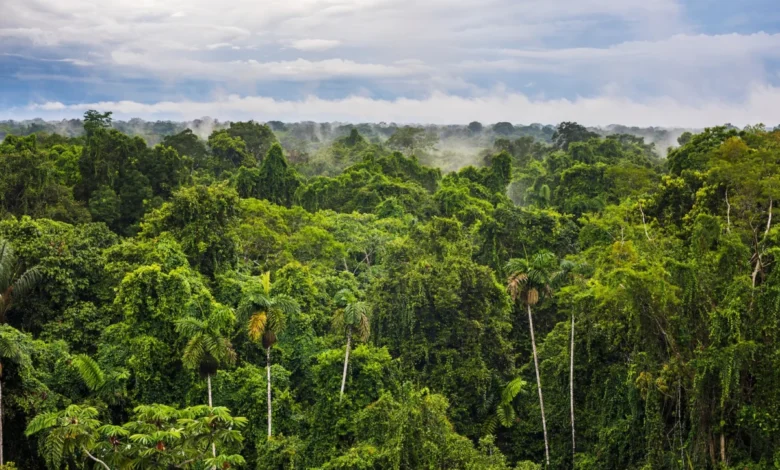
The fate of the Amazon rainforest, a critical global carbon sink, is once again hanging in the balance as Brazil approaches a pivotal presidential election. A rigorous analysis by Carbon Brief indicates that at least 20,000 square kilometers of forest—a landmass roughly equivalent to the size of the U.S. state of New Jersey or the nation of Slovenia—remains standing today directly as a result of the environmental policy pivot initiated by President Luiz Inácio Lula da Silva since his 2022 victory. This preservation effort marks a stark departure from the record-breaking deforestation witnessed during the preceding administration of Jair Bolsonaro.
The upcoming contest, which pits the incumbent Lula against Flávio Bolsonaro, the son of the former president, has become a referendum on the future of Brazil’s climate commitments. With the two candidates currently locked in a statistical dead heat, the international community and environmental scientists are watching closely, as the result will determine whether Brazil continues its trajectory toward "zero deforestation by 2030" or reverts to a model of aggressive resource extraction.
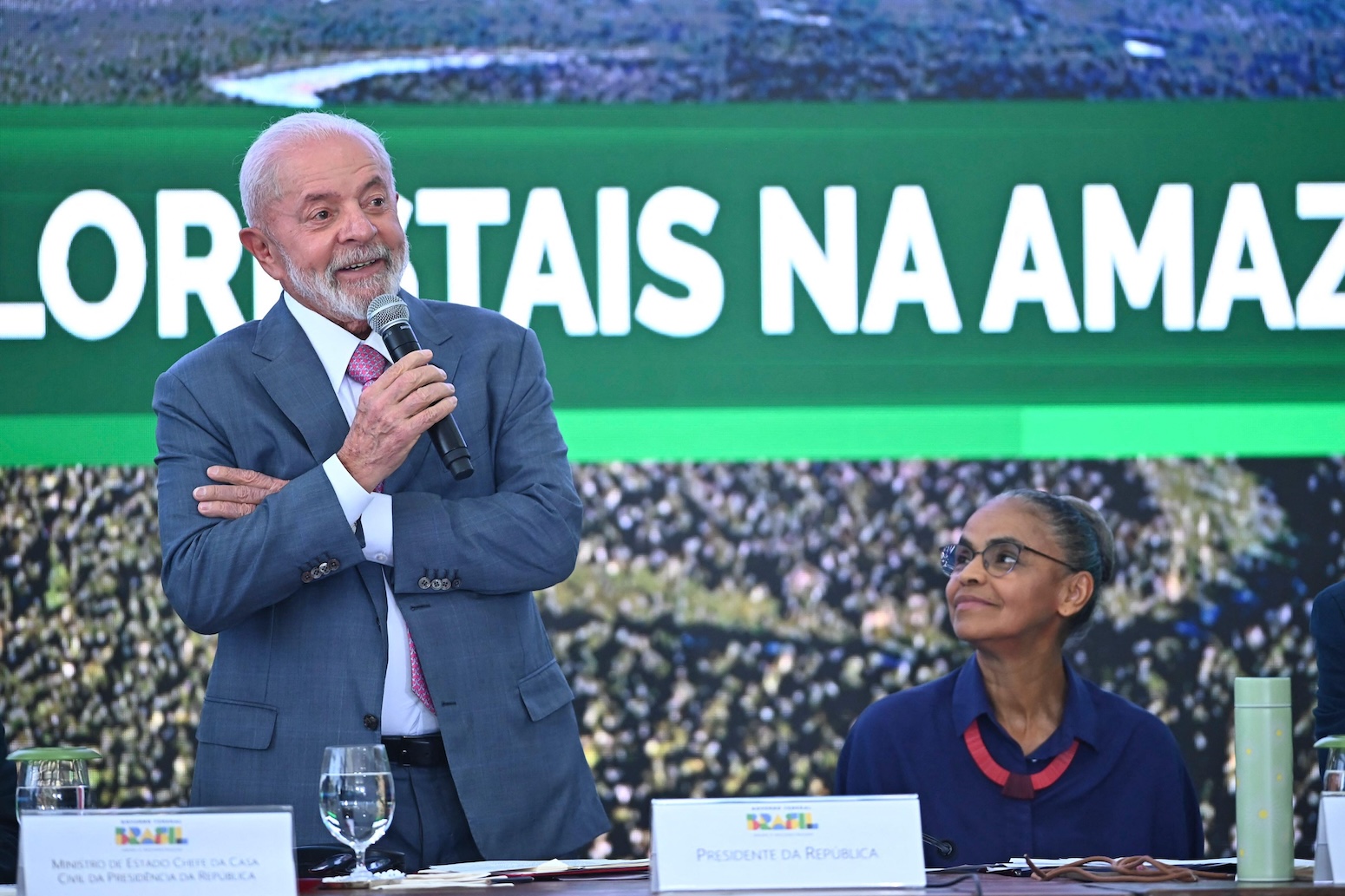
A Tale of Two Administrations: The Environmental Divergence
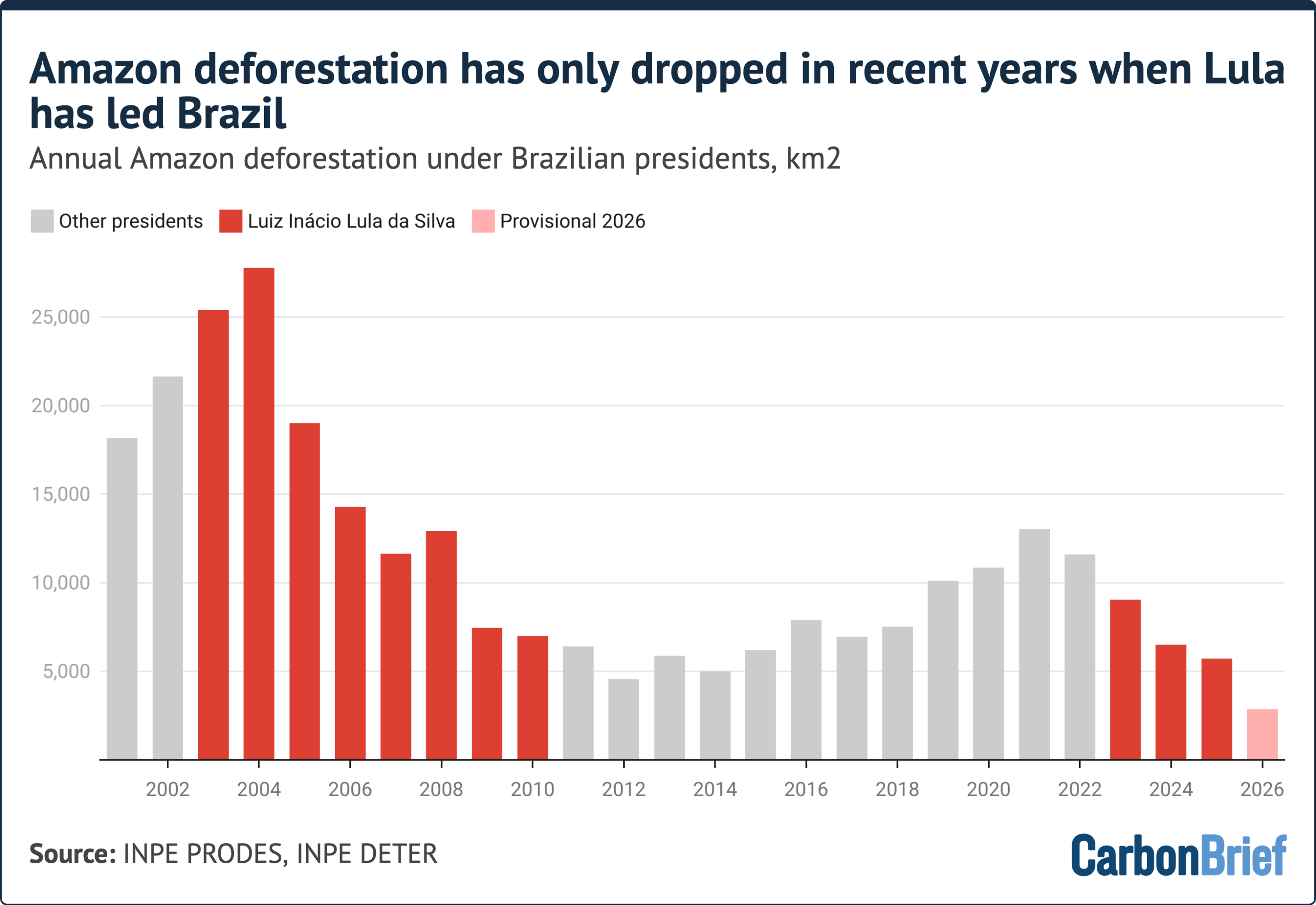
To understand the scale of the current preservation effort, one must examine the dramatic shift in governance between 2019 and 2026. Under the administration of Jair Bolsonaro, Brazil experienced an era of deregulation that prioritized the expansion of the agribusiness sector at the expense of forest protection. Bolsonaro’s policies included deep cuts to the budgets of federal environmental agencies, such as IBAMA, and a systematic weakening of the "forest code," the primary legal framework mandating that landowners preserve a specific percentage of native vegetation on their properties.
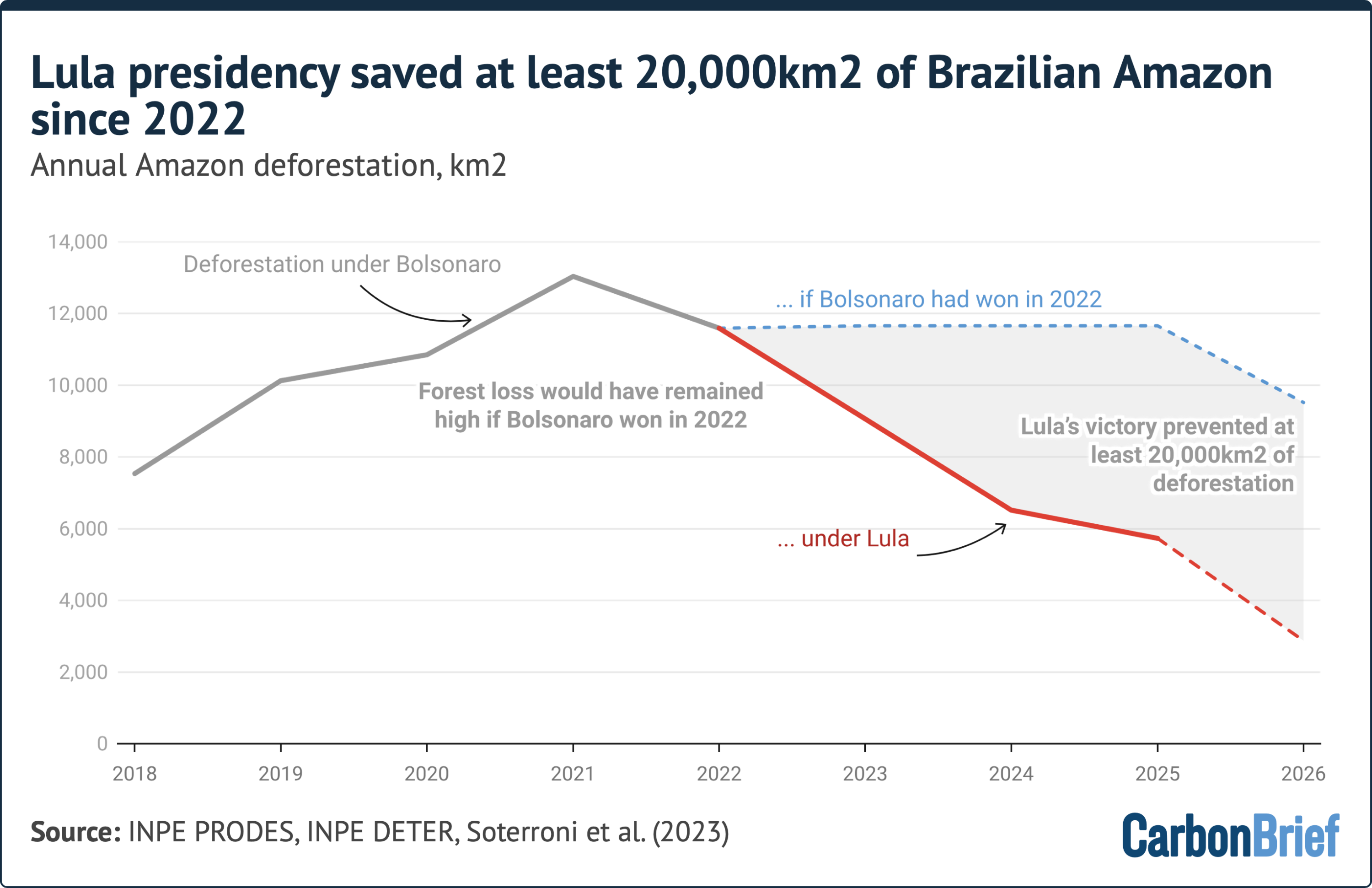
The consequences were immediate and quantifiable. During the Bolsonaro years, annual deforestation rates climbed to unprecedented heights, peaking at over 13,000 square kilometers in 2021. Illegal activities, including land grabbing and wildcat mining, surged as environmental enforcement mechanisms were dismantled.
In stark contrast, upon taking office in 2023, the Lula administration moved to reverse these trends. Reinstating the Deforestation Prevention and Control Plan for the Legal Amazon (PPCDAM) and empowering figures such as Marina Silva to lead the Ministry of the Environment, the government ramped up policing and satellite monitoring. Consequently, deforestation in the Amazon has been more than halved, falling from 11,594 square kilometers in 2022 to 5,731 square kilometers by 2025. Preliminary data suggests 2026 could see the lowest levels of forest loss since monitoring began in 1988.
Quantitative Analysis of Avoided Deforestation
The 20,000-square-kilometer figure is derived from sophisticated modeling developed by an international research team, including experts from the University of Oxford, the International Institute for Applied Systems Analysis (IIASA), and Brazil’s National Institute for Space Research (INPE).
The researchers utilized the GLOBIOM-Brazil model to compare actual outcomes under the current administration with a counterfactual "baseline" scenario. In this baseline, the forest code remained largely unenforced, simulating the governance conditions of the previous administration. Dr. Aline Soterroni, who spearheaded the 2023 analysis, characterizes the findings as "relatively conservative." She notes that while the model captures the impact of legal enforcement, it does not fully account for the secondary effects of weak governance, such as the social normalization of illegal land clearing or the unchecked expansion of mining infrastructure.
Even with these conservative parameters, the contrast is profound. The data confirms that political will is the primary variable in the rate of forest loss. As Dr. Soterroni observed, the rapid drop in deforestation following 2023 "shows how quickly deforestation can respond to political will."
The Election and the Future of the Amazon
The 2026 election carries existential weight for the Amazon basin. Flávio Bolsonaro, running on a platform similar to his father’s, has characterized current environmental regulations as a hindrance to economic growth. His campaign has frequently echoed the rhetoric of his father, who is currently serving time for his role in a post-election coup plot following his 2022 defeat.
Political analysts from the Climate Observatory have noted that Flávio Bolsonaro’s policy proposals are distinctly "anti-environmental," with a focus on opening protected areas to extractive industries. Conversely, Lula’s platform maintains a focus on the 2030 zero-deforestation target and a commitment to maintaining current emissions reduction goals—a 59-67% cut by 2035 compared to 2005 levels.
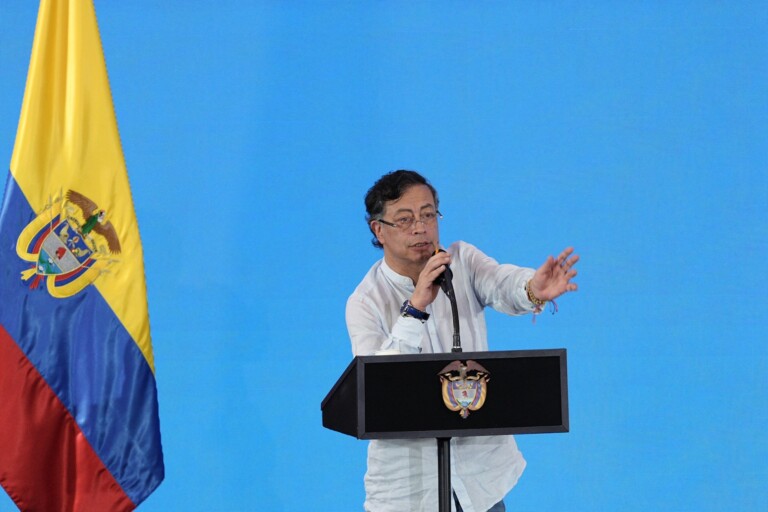
The stakes are amplified by the regional political climate. With right-wing governments currently in power in nations such as Colombia, Ecuador, Peru, and Bolivia, some experts warn that the Amazon could face a "regional pincer movement." If Brazil joins these nations in prioritizing industrial expansion over conservation, up to 95% of the Amazon could fall under the jurisdiction of administrations that explicitly favor agribusiness over the preservation of the rainforest.

External Pressures and Structural Challenges
Beyond the executive office, the structural integrity of the Amazon is being challenged by shifts in global supply chains. The recent collapse of the "Amazon Soy Moratorium"—a voluntary, industry-led agreement to abstain from purchasing soy grown on land deforested after 2008—represents a major setback. Major grain traders withdrew from this pact earlier this year, creating a market vacuum that researchers estimate could lead to an additional 14,000 square kilometers of deforestation by 2036.
Furthermore, the Brazilian Congress remains a formidable hurdle. With right-leaning parties holding roughly half the seats, the legislative branch has frequently clashed with the executive on environmental issues. The 2025 passage of the "devastation bill"—a piece of legislation that effectively reduced protections for certain ecosystems—demonstrates the ability of the legislature to bypass presidential vetoes and undermine federal environmental policy.
The Global Climate Imperative
The implications of this election extend far beyond Brazil’s borders. As the world’s fourth-largest greenhouse gas emitter, Brazil’s climate footprint is inextricably linked to its forest management. Deforestation is the primary driver of Brazil’s national emissions; therefore, the path taken by the next president will have a direct impact on the global effort to limit warming to 1.5 degrees Celsius.
Dr. Patricia Pinho, deputy science director at the Amazon Environmental Research Institute (IPAM), emphasizes the gravity of the moment. "I don’t think we can afford four years of increasing deforestation and violence against Indigenous peoples," she stated. Her concern is shared by Dr. David Lapola of the University of Campinas, who argues that the "deconstruction" of environmental institutes, if repeated, could prove irreversible. "In a matter of a few months, they can destroy what has been constructed over decades of environmental policy and activism in Brazil," he warned.
As Brazilians head to the polls on October 4, the choice is clear to those monitoring the region: either a continuation of the current, albeit imperfect, enforcement regime that has demonstrably saved millions of hectares of forest, or a return to a period of rapid, systemic dismantling of environmental safeguards.
Conclusion
The 20,000 square kilometers of forest saved since 2023 serves as a testament to the efficacy of policy-driven conservation. However, the fragility of these gains is highlighted by the intense polarization of the current election. Whether the Amazon remains a resilient, carbon-absorbing forest or is reduced to a fragmented, net-emitting landscape will depend on the policies enacted in Brasília following the runoff on October 25. The global community remains an observer to a domestic contest that, in reality, is a matter of global climate security. The data is unequivocal: the policies of the next four years will define the state of the planet’s largest rainforest for generations to come.