Pesticide Exposure Linked to Catastrophic Western Monarch Butterfly Die-off in New Scientific Study

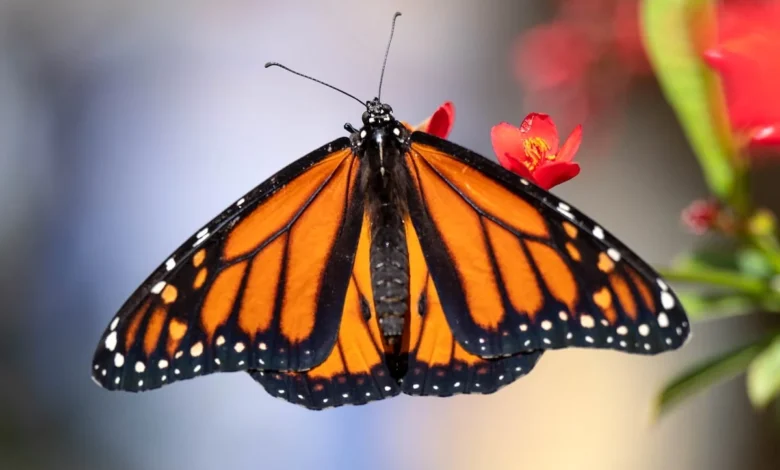
The precipitous decline of the Western monarch butterfly population has reached a harrowing new milestone following the publication of a landmark study in the journal Environmental Toxicology and Chemistry. Researchers have confirmed that a mass mortality event occurring in early 2024 at the Pacific Grove Monarch Sanctuary in California was directly linked to the presence of high-concentration neurotoxic pesticides. This discovery provides the most concrete evidence to date regarding the role of chemical contamination in the rapid disappearance of these iconic pollinators, whose numbers have dwindled by nearly 95% since the 1980s.
The Pacific Grove Incident: A Chronology of Crisis
In January 2024, the serene landscape of the Pacific Grove Monarch Sanctuary—a critical overwintering site for the Western monarch—became the scene of a biological tragedy. Observers and sanctuary staff discovered hundreds of monarch butterflies dead or in the throes of death on the forest floor. The sheer scale of the event, concentrated in a location essential for the species’ survival during the cold winter months, prompted an immediate investigation by entomologists and conservationists.
Following the discovery, specimens were collected and subjected to rigorous laboratory analysis. Using advanced analytical techniques including liquid and gas chromatography, alongside mass spectrometry, researchers sought to determine if environmental factors or pathogens were responsible for the collapse. The results were stark: the butterflies were saturated with a cocktail of synthetic chemicals. The identification of 15 distinct insecticides, herbicides, and fungicides within the samples painted a grim picture of the chemical environment these insects navigate during their migratory and overwintering cycles.
Decoding the Chemical Threat: Data and Toxicology
The laboratory findings revealed a disturbing level of toxic exposure. According to the study, which was spearheaded by the Xerces Society for Invertebrate Conservation, each sampled butterfly contained an average of seven different pesticide compounds. More concerning was the presence of three specific pyrethroid insecticides—bifenthrin, cypermethrin, and permethrin—at levels consistent with or exceeding lethal doses.
Bifenthrin and cypermethrin were found in every single sample tested, while permethrin was present in all but two. These human-made chemicals, commonly employed in both agricultural and urban settings for pest control, are potent neurotoxins. When applied to landscapes near monarch habitats, these substances can drift through the air or persist on vegetation, creating invisible hazards for insects.
Staci Cibotti, the lead author of the study and a specialist in pesticide risk prevention at the Xerces Society, emphasized that the findings reflect a systemic issue. "We found an average of seven different pesticides per butterfly, including multiple insecticides that are highly toxic to insects," Cibotti stated. While local authorities in Monterey County were unable to definitively pinpoint the exact source of the application due to the nature of chemical drift, the concentration levels point to a clear causal link between these specific substances and the mass mortality event.
A Species in Peril: The Broader Context
The 2024 die-off does not exist in a vacuum; it is a symptom of a broader, long-term trend of population collapse. The Western monarch butterfly has faced relentless pressure from habitat loss, climate change, and chemical exposure. By the time of the 2024 event, the Western monarch population had already plummeted to the second-lowest count in recorded history. Data from the 2025 overwintering season confirmed the trend’s persistence, with the total population count recorded at a mere 9,119 individuals.

The International Union for Conservation of Nature (IUCN) has formally listed the migratory monarch as an endangered species, a classification that underscores the precarious nature of its existence. Alarmingly, the U.S. Fish and Wildlife Service has projected that, under current environmental and survival trends, the Western monarch faces a staggering 99% probability of extinction by 2080. The loss of hundreds of individuals in a single event, therefore, represents a significant blow to the genetic and reproductive viability of the remaining population.
The Mechanism of Exposure: Why Migration Matters
The vulnerability of the monarch butterfly is heightened during specific phases of its life cycle. As Staci Cibotti noted in subsequent commentary, the migratory and overwintering periods are "sensitive phases" where the butterflies aggregate in massive numbers. Because thousands of butterflies often huddle in close proximity on specific trees to conserve heat, a single localized application of a pesticide—whether for agricultural, residential, or public health mosquito control—can result in a "massacre" that claims hundreds of lives in a matter of hours.
This phenomenon is not isolated to California. In September 2020, a similar event occurred in North Dakota, where hundreds of monarch butterflies died following aerial mosquito spraying. These events highlight a critical failure in public policy: the lack of coordination between land management practices and the protection of essential pollinator pathways.
Policy Recommendations and Future Safeguards
In response to the study’s findings, the Xerces Society has outlined a comprehensive framework for mitigating the risks of pesticide exposure. The recommendations prioritize the need for structural policy changes that move beyond voluntary compliance.
- Pesticide-Free Buffer Zones: The establishment of strictly regulated, pesticide-free zones surrounding known overwintering and high-traffic migratory sites is essential to prevent chemical drift from neighboring agricultural or residential properties.
- Enhanced Public Education: Increasing awareness regarding the impacts of home gardening products, landscape management chemicals, and turf treatments is critical. Many homeowners are unaware that the products they use to kill "pests" on their property can have lethal effects on pollinators kilometers away.
- Integration into Recovery Plans: Pesticide exposure risk must be explicitly integrated into all official state and federal monarch recovery plans. Currently, habitat restoration often focuses on planting milkweed, but those efforts are undermined if the restored habitat is contaminated with neurotoxic residue.
- Coordination of Public Officials: There is a pressing need for better communication between agencies responsible for mosquito abatement, forest management, and agricultural oversight to ensure that spraying schedules do not coincide with peak migration or overwintering periods.
Emily May, co-author of the study and agricultural conservation lead at the Xerces Society, stressed that the burden of protection rests on both individuals and institutions. "Protecting monarchs from pesticides will require both public education and policy change," May stated. "We are committed to working with communities and decision-makers to ensure that overwintering sites are healthy refuges for these butterflies."
Implications for Ecosystem Health
The death of these butterflies serves as a bio-indicator for broader environmental health. Pesticides do not affect monarchs in isolation; they impact the entire food web, including other pollinators, soil microorganisms, and local avian populations. The reliance on broad-spectrum insecticides like pyrethroids creates an environment where beneficial insects—those that provide essential ecosystem services such as pollination and pest predation—are inadvertently eradicated.
The study published in Environmental Toxicology and Chemistry serves as a clarion call for a shift in how society manages chemical inputs in the landscape. As the window for saving the Western monarch narrows, the need for proactive, science-based intervention becomes undeniable. Without a rapid transition toward integrated pest management (IPM) and a reduction in the use of persistent, toxic compounds, the 99% extinction risk identified by federal researchers may transition from a statistical projection to a biological reality.
The legacy of the Pacific Grove event is thus a reminder of the fragility of migratory species in the Anthropocene. It underscores that while habitat restoration is a necessary component of conservation, it is insufficient if the environment remains chemically hostile. Ensuring the survival of the monarch requires a holistic approach—one that respects the migratory nature of the species and acknowledges that the chemicals applied in our backyards and fields have consequences that ripple far beyond their intended targets. Moving forward, the scientific community, policymakers, and the public must collaborate to transform the landscape from a series of toxic obstacles into a connected network of safety, allowing the monarch’s historic migration to continue for generations to come.